What it is
Yoga adapted for the workplace, blending movement, breath, and mindfulness to ease desk-job stress.
Corporate Yoga brings modified yoga practices directly to the workplace, focusing on stress reduction, improved posture, and enhanced wel...
At a glance
What it is
Yoga adapted for the workplace, blending movement, breath, and mindfulness to ease desk-job stress.
Why explore it
It may reduce anxiety, improve posture, and lift team morale, no prior yoga experience needed.
How it’s experienced
Classes happen in offices or meeting rooms using chairs or mats, with easy modifications for all.
Evidence context
Research shows promising stress and back pain relief at work, though larger studies are still ongoing.
See the evidence snapshotSafety
Low risk overall, but if you have injuries, heart conditions, or are pregnant, check with your doctor first.
See staying safeHistory & Origin
Corporate Yoga offers yoga practices adapted for the workplace, promoting employee well-being and stress reduction.
Corporate Yoga emerged in the late 20th century as businesses began recognizing the connection between employee wellness and productivity. The concept gained traction in Silicon Valley during the 1990s tech boom, where high-stress environments and long hours created demand for workplace wellness solutions. Companies like Google and Apple were early adopters, integrating yoga classes into their employee benefit programs.
The practice evolved from traditional Hatha and Vinyasa yoga, adapting poses and sequences to accommodate office environments and professional attire. Pioneering instructors like corporate wellness advocate Mira Binzen and workplace yoga specialist Liz Doyle developed specialized training programs for teaching yoga in corporate settings. The movement expanded rapidly during the early 2000s as research began supporting the benefits of workplace wellness programs.
By the 2010s, Corporate Yoga had become a standard offering in many progressive workplaces, with specialized certification programs and corporate yoga companies emerging globally. The COVID-19 pandemic further accelerated adoption as companies sought virtual wellness solutions for remote workers, leading to hybrid in-person and online corporate yoga programs that continue today.
Mechanism
Corporate Yoga is usually understood through movement, breath, attention, and repeated practice. A session may invite the body to explore safer patterns, steadier pacing, or a more settled relationship with sensation. Some traditions describe this as balancing energy or awareness, while contemporary explanations may focus on coordination, nervous system regulation, mobility, and confidence. Experiences vary by person, teacher, setting, and consistency. Corporate Yoga offers yoga practices adapted for the workplace, promoting employee well-being and stress reduction.
Your first visit
A typical session outline to help you feel prepared
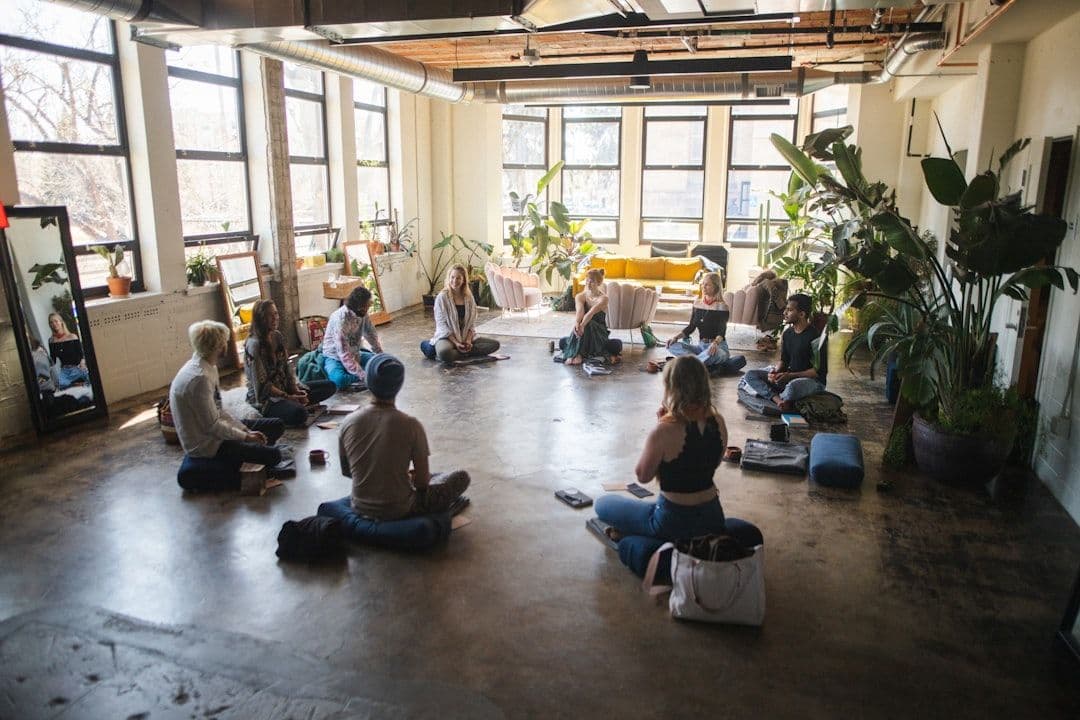
A corporate yoga session brings gentle movement and breathing to your workplace, guiding your team through desk-friendly poses that ease tension and reset the mind.
Your instructor arrives a few minutes early to arrange the space, whether it's a cleared conference room or an open office area. Chairs, desks, or walls may be used as props, so no mats or special equipment are required.
The instructor takes a moment to greet everyone and ask about any injuries, areas of tension, or comfort concerns. This helps them tailor the session so every pose works for the whole group, regardles
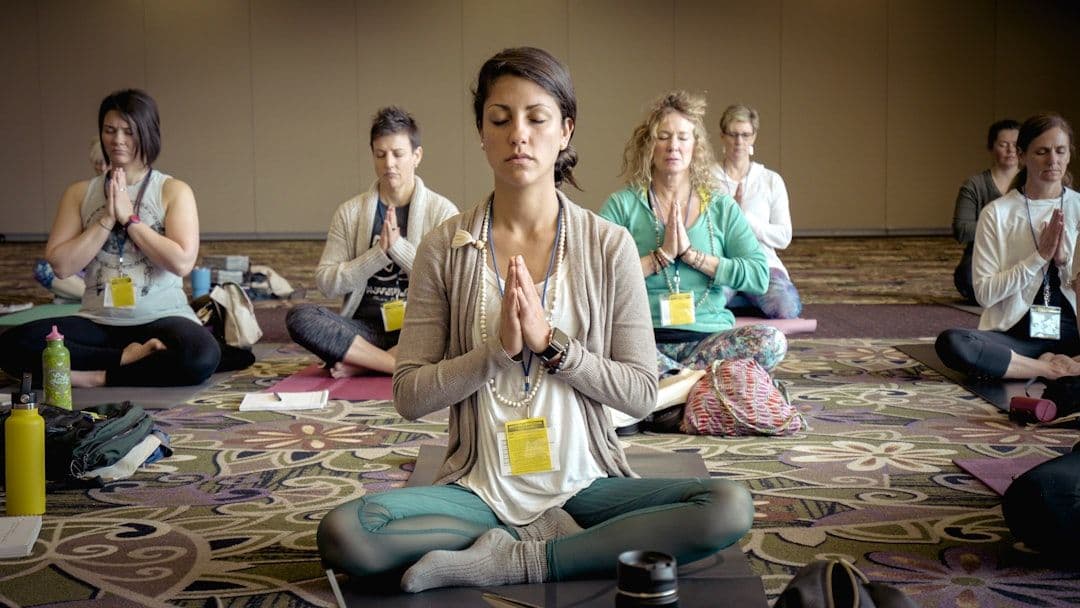
The session opens with a minute or two of guided breathing to help you mentally shift away from work mode. You might close your eyes, soften your shoulders, and simply follow the rhythm of a slow inhale and exhale.
The instructor leads light neck rolls, wrist circles, and shoulder shrugs — movements designed specifically for people sitting at desks all day. These are done standing or seated and work perfectly in business attire.
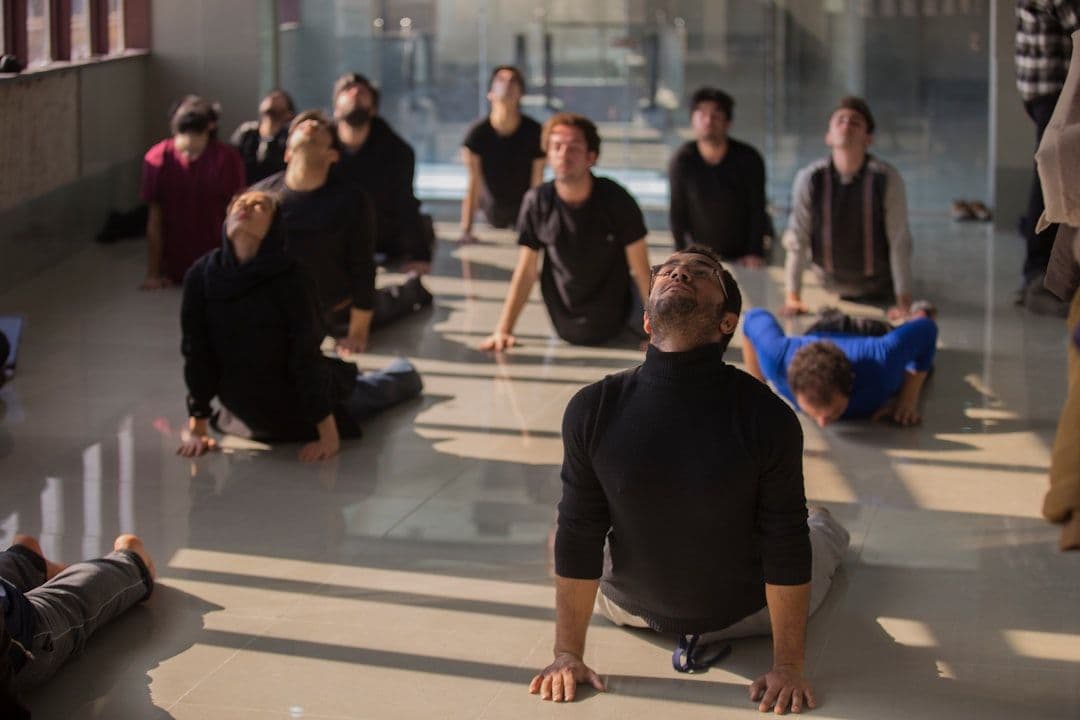
You'll move through a series of adapted yoga poses targeting the neck, shoulders, back, and hips — the areas most affected by desk work. Poses may include a seated spinal twist, a standing forward fol
As the session winds down, the instructor guides you through a brief relaxation, often done seated with eyes closed and slow breathing. This is a chance to let the benefits of the movement settle into
The instructor wraps up with a grounding breath or a simple intention for the rest of the workday. They may share one or two easy stretches you can do on your own between sessions to keep tension from building up.
The Evidence
What research says about Corporate Yoga and its role in workplace well-being and stress reduction.
Consistent findings for stress and physical well-being at work
Workplace yoga programmes show moderate evidence for reducing stress and improving musculoskeletal comfort. Evidence for longer-term outcomes like productivity and healthcare cost savings is promising but still developing.
Systematic reviews have found consistent positive effects on employee well-being and workplace culture. Randomised controlled trials provide moderate evidence for stress reduction and musculoskeletal benefits. Evidence is strongest for short-term outcomes; longer follow-up data is limited.
Studies report reductions in cortisol levels, improvements in perceived stress, and decreased back and neck discomfort among participants. Sleep quality improvements have also been observed. These effects are consistent across multiple workplace settings, though study sizes vary.
Poses and sequences are modified to suit professional attire, limited space, and varied fitness levels. This adaptation preserves core yoga principles — breath awareness, movement, and mindfulness — while making participation accessible to people with no prior yoga experience.
Follow-up periods in most trials are under six months, making it difficult to assess sustained impact. Productivity and cost-saving outcomes show early promise but lack robust long-term data. Participation rates and programme quality vary widely across workplaces, which affects how broadly findings apply.
People with recent injuries, chronic pain, cardiovascular conditions, or pregnancy should consult a healthcare provider before joining. All poses should be optional, modifications always available, and participation entirely voluntary. Instructors should be informed of any physical limitations before sessions begin.
Look for instructors with recognised yoga qualifications and experience in workplace settings. Consistent scheduling, adequate space, and a culture of voluntary participation support better engagement. Where ongoing physical or mental health concerns arise, occupational health services or employer-provided Employee Assistance Programmes are the appropriate professional pathway.
Safety first
General guidance to help you decide whether this approach is appropriate for you. This is informational only and not a substitute for medical, psychological, or professional advice.
If you are experiencing severe distress, suicidal thoughts, psychosis, acute trauma, or another serious mental health concern, seek qualified support first.
This approach is not suitable for diagnosis, treatment instructions, or decisions that require medical, legal, financial, or professional advice.
Look for clear boundaries, transparent pricing, and practitioners who avoid fear-based claims or pressure to book frequent sessions.
Treat any insight as one reflective perspective, not absolute truth. Important decisions should be considered with appropriate professional support.
For you?
A simple, human way to weigh it up. This is general guidance, not personal medical advice — a qualified practitioner can advise on your situation.
Gyfts is a discovery platform, not a medical provider. Nothing here diagnoses, treats or replaces professional care. In an emergency, contact your local emergency number.
Explore approaches
Other practices people often explore alongside corporate yoga.
In their words
FAQ
A typical corporate yoga session begins with breathing exercises and gentle movement to transition from work mindset. The instructor leads modified yoga poses suitable for office environments, often including chair-based stretches and standing postures. Sessions focus on areas commonly stressed by desk work - neck, shoulders, back, and hips. The practice concludes with relaxation techniques and may include brief meditation or mindfulness exercises.
Benefits can be felt after a single session, but consistent weekly or bi-weekly participation over several months provides the most significant results. Most corporate programs run for 8-12 week cycles, with ongoing sessions available for maintenance. Regular participation helps establish healthy workplace habits and builds a supportive community among colleagues.
No special equipment is needed - corporate yoga is designed to work with available office furniture and space. While comfortable clothing is ideal, sessions can be adapted for business attire. Yoga mats may be provided, but many poses can be done using chairs or standing. The focus is on accessibility and convenience within the workplace environment.
Absolutely! Corporate yoga is specifically designed for all fitness levels and yoga experience. Instructors provide modifications for every pose and emphasize that all movements are optional. The supportive group environment and workplace setting often feels less intimidating than traditional yoga studios for newcomers to the practice.
Workplace yoga programmes have been shown in multiple studies to reduce perceived stress, decrease musculoskeletal discomfort from sedentary work, improve mood and engagement, and reduce absenteeism. A 2015 systematic review found positive effects on work-related stress and physical wellbeing. Corporate yoga sessions are typically shorter (30–45 minutes), accessible to all fitness levels, and conducted in work-appropriate clothing without specialist equipment. Lunchtime or post-meeting sessions are common formats. Chair yoga adaptations make the practice accessible for people with mobility limitations or in open-plan offices.
References
Educational sources that inform this overview. Inclusion is for context and does not imply endorsement.
Full citations are maintained by the Gyfts editorial team and reviewed periodically.
Keep exploring
Browse practitioners, explore honest overviews, and take what you learn to a conversation — at your own pace.