Before You Arrive
Corporate yoga requires minimal preparation — that's rather the point. Wear your normal work clothes, though avoid anything too restrictive around the waist or shoulders. A fitted skirt or tight trousers might limit some seated stretches, but the instructor will offer modifications.
Eat lightly if the session falls near lunchtime. A heavy meal beforehand can make twisting movements uncomfortable, though gentle yoga rarely involves the deep poses that require an empty stomach. Remove your shoes — most sessions happen in socks or bare feet on carpet or yoga mats.
Bring water if you tend to get thirsty, though corporate sessions are typically less vigorous than studio classes. Clear your diary for 15 minutes afterward to avoid rushing straight back to emails. The relaxation benefits diminish quickly if you immediately return to deadline pressure.
The Session Unfolds
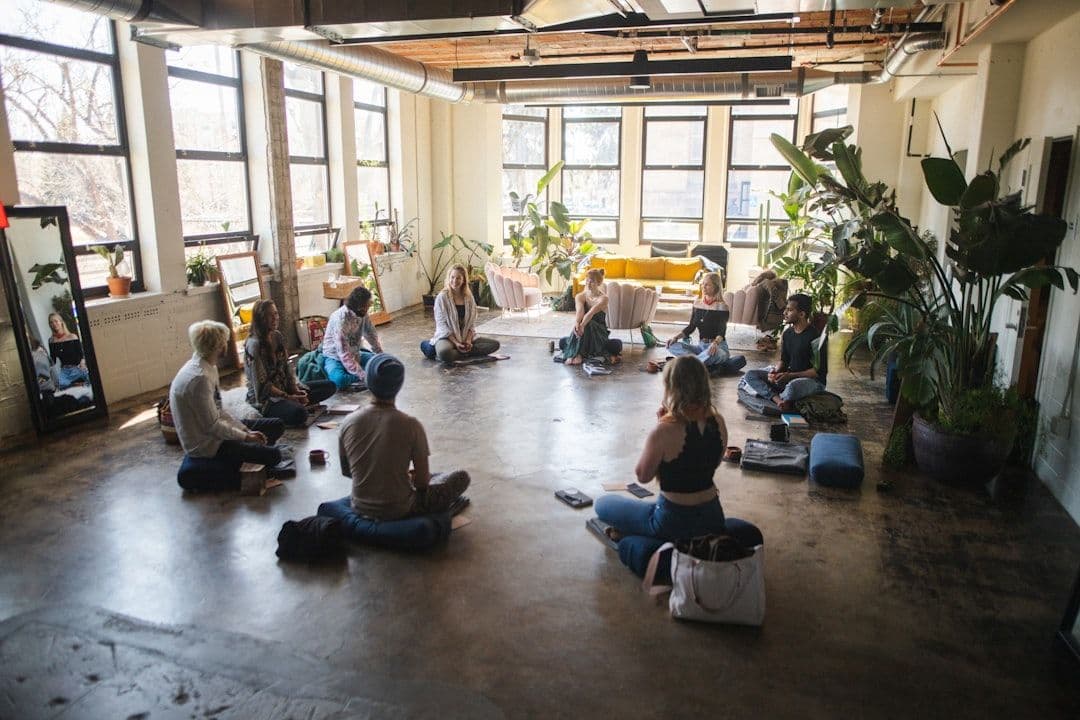
Most corporate sessions begin with everyone seated in chairs or on floor mats, depending on your workplace setup. The instructor will spend the first few minutes explaining modifications for different mobility levels — corporate yoga attracts people who haven't done yoga before, and good instructors acknowledge this.
The opening usually involves simple breathing exercises. You might place one hand on your chest, another on your abdomen, learning to breathe more deeply than your typical shallow work-day pattern. This phase lasts 3-5 minutes and helps transition your nervous system from 'work mode' to 'movement mode'.
Gentle neck and shoulder rolls follow, often done seated. These target the areas where desk workers accumulate the most tension. You'll rotate your shoulders backward, turn your head slowly from side to side, and stretch your arms overhead. The instructor will cue you to notice where you hold tightness — usually somewhere between your shoulder blades.
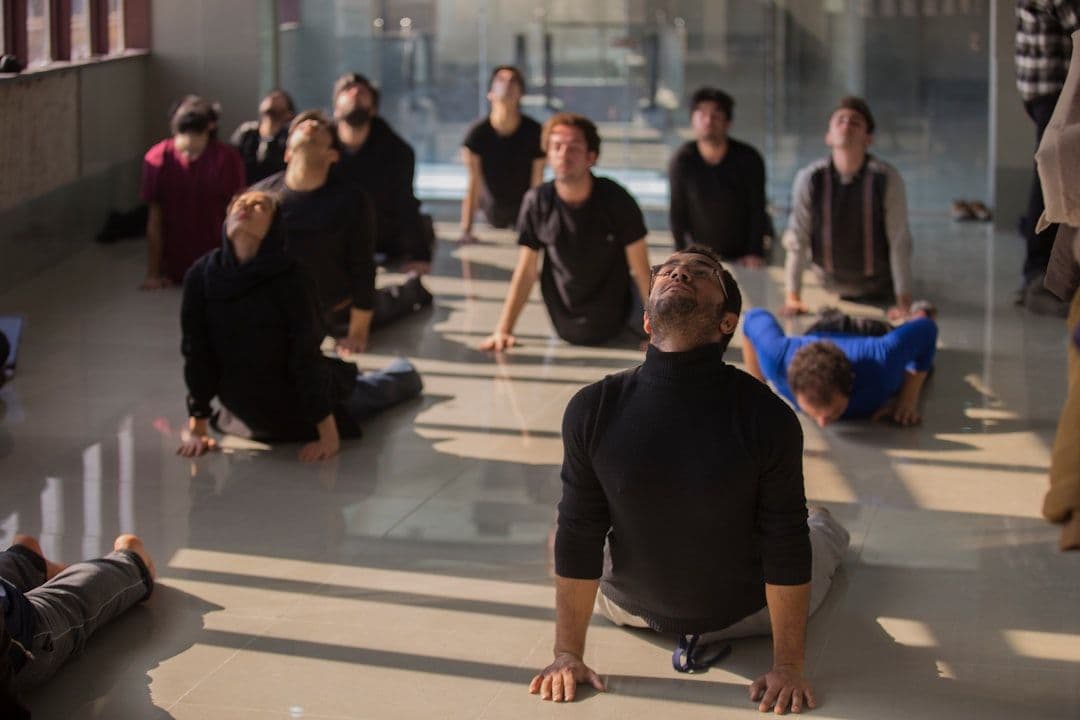
Mid-session brings standing poses adapted for office spaces. Expect forward folds with hands resting on your desk, gentle spinal twists using your chair back for support, and side stretches that open the areas compressed by sitting. If space allows, you might do modified warrior poses or simple balancing exercises. Each pose holds for 30-60 seconds rather than the longer holds of traditional yoga.
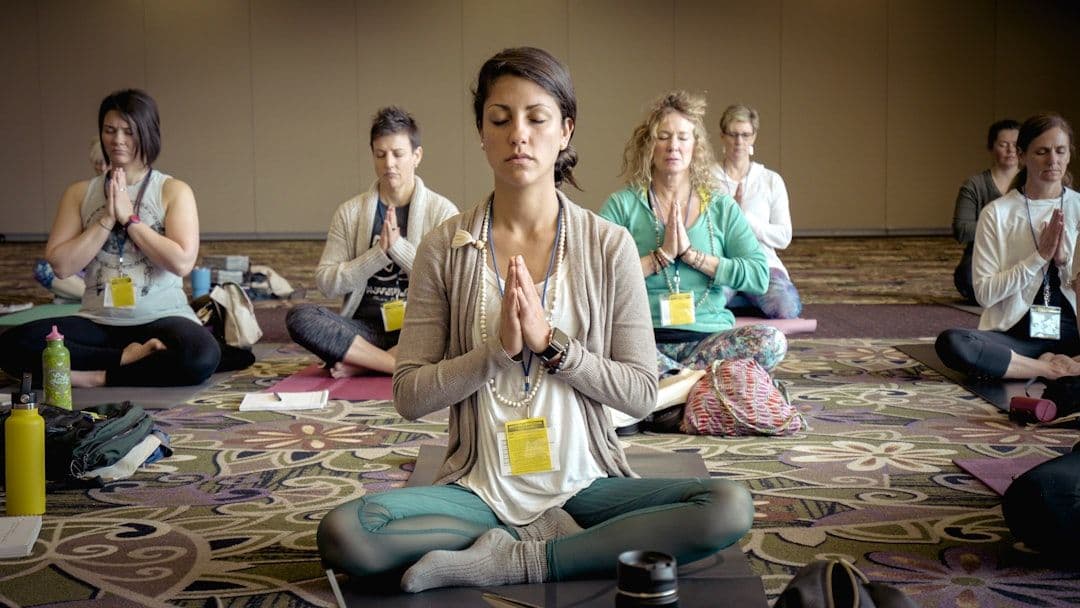
The final 5-10 minutes return to seated positions for relaxation or brief meditation. Some instructors guide you through a body scan, asking you to notice how different areas feel compared to the session's start. Others teach simple desk-friendly breathing techniques you can use during stressful meetings.
What You Might Experience
During the session, many people notice how tight their neck and shoulders actually are — areas that feel 'normal' until you start moving them consciously. You might hear clicks and pops as joints mobilise, particularly in the spine and shoulders. This is typically harmless unless accompanied by pain.
Some participants feel slightly lightheaded during the first few sessions, especially during forward folds or when standing up from floor poses. This usually resolves as your body adapts to moving more throughout the day. The breathing exercises sometimes trigger yawning — a sign your nervous system is shifting toward relaxation.
Immediately after the session, expect to feel more aware of your posture. You might notice yourself sitting straighter or rolling your shoulders back unconsciously. Some people report feeling more alert despite the relaxation focus — gentle movement often improves mental clarity.
Within a few hours, the physical benefits become more apparent. Tension headaches may ease, and that familiar end-of-day shoulder ache might be less pronounced. Sleep quality sometimes improves on yoga days, particularly if sessions happen in the afternoon.
Aftercare and Integration
Corporate yoga requires minimal aftercare beyond staying hydrated. Unlike vigorous exercise, you won't need recovery time or special nutrition. However, try to maintain the improved posture awareness throughout your workday rather than immediately slumping back into old patterns.
Many instructors provide simple desk stretches you can practice between sessions. These might include shoulder blade squeezes, seated spinal twists, or ankle circles under your desk. Even 30 seconds of conscious breathing during stressful moments helps maintain the session's benefits.
Avoid booking back-to-back meetings immediately after yoga if possible. The mental shift from mindful movement to deadline pressure can feel jarring and reduces stress-relief benefits. A 10-minute buffer allows the relaxation response to settle before you re-engage with work demands.
Results typically become noticeable after 2-3 weeks of regular participation. Early changes include reduced muscle tension and improved stress resilience. Longer-term benefits — better sleep, fewer tension headaches, improved mood — often emerge after 6-8 weeks of consistent practice.
Building a Routine
Most corporate yoga programmes offer weekly sessions lasting 30-60 minutes, scheduled during lunch breaks or just before/after work hours. Some companies provide twice-weekly classes, though once weekly with optional home practice tends to be more sustainable for busy schedules.
Regular attendance matters more than perfect technique. The stress-reduction benefits come from consistent gentle movement and breathing practice rather than achieving complex poses. Many participants attend for 3-6 months before feeling confident enough to supplement with home practice or external classes.
Some workplaces offer seasonal programmes — perhaps 8-12 weeks during particularly stressful periods. Others integrate yoga into ongoing wellness initiatives alongside other activities like walking groups or mindfulness sessions. The key is finding a rhythm that fits your work schedule without adding pressure to an already demanding day.