Preparing for Your Session
Most practitioners suggest approaching divine guidance with a clear question or area of focus. Spend some time before your appointment considering what guidance you're seeking—whether about relationships, career direction, spiritual growth, or life purpose. Write down your question, but hold it lightly rather than demanding specific answers.
Wear comfortable, modest clothing that allows you to relax completely. Many traditions view divine guidance as sacred communication, so practitioners often appreciate respectful attire. Remove or minimise distractions—turn off your phone or put it on silent mode.
Avoid alcohol or recreational substances for at least 24 hours beforehand, as these may interfere with your ability to receive and interpret spiritual insights. Some practitioners also suggest eating lightly on the day of your session to maintain mental clarity. Bring a notebook to record any guidance you receive, as details can fade quickly after the session ends.
The Session Unfolds
Sessions typically begin with the practitioner creating sacred space through lighting candles, burning incense, or arranging meaningful objects. This ritual helps establish the session's spiritual intention and signals the beginning of receptive communication. You might be invited to sit quietly whilst this preparation takes place.
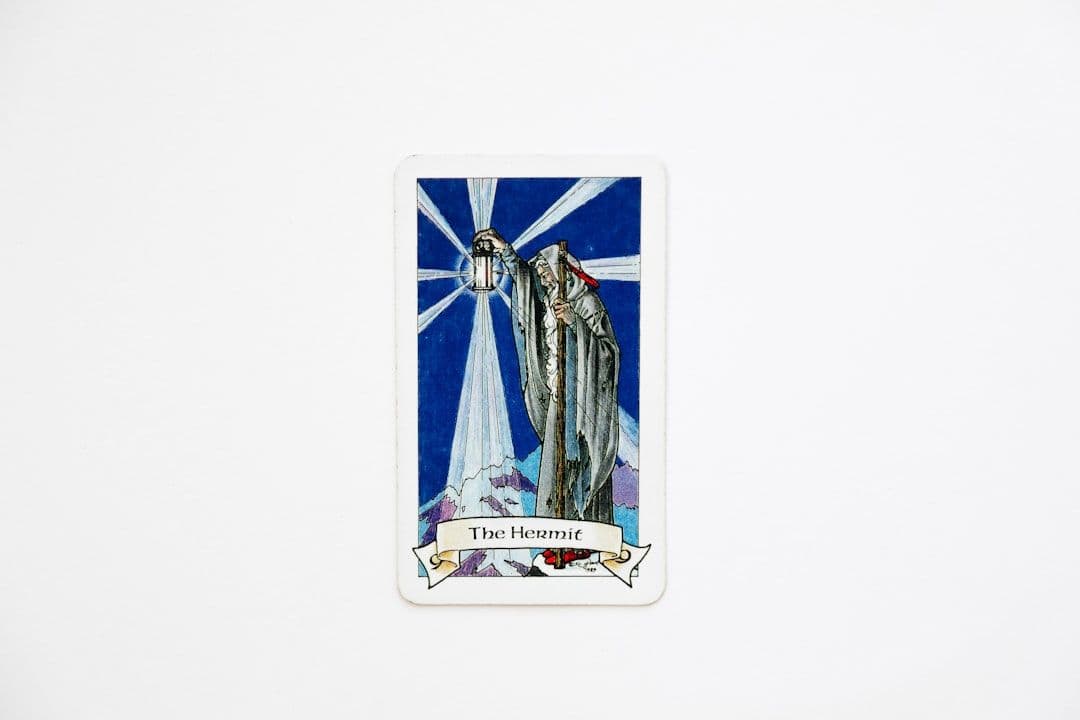
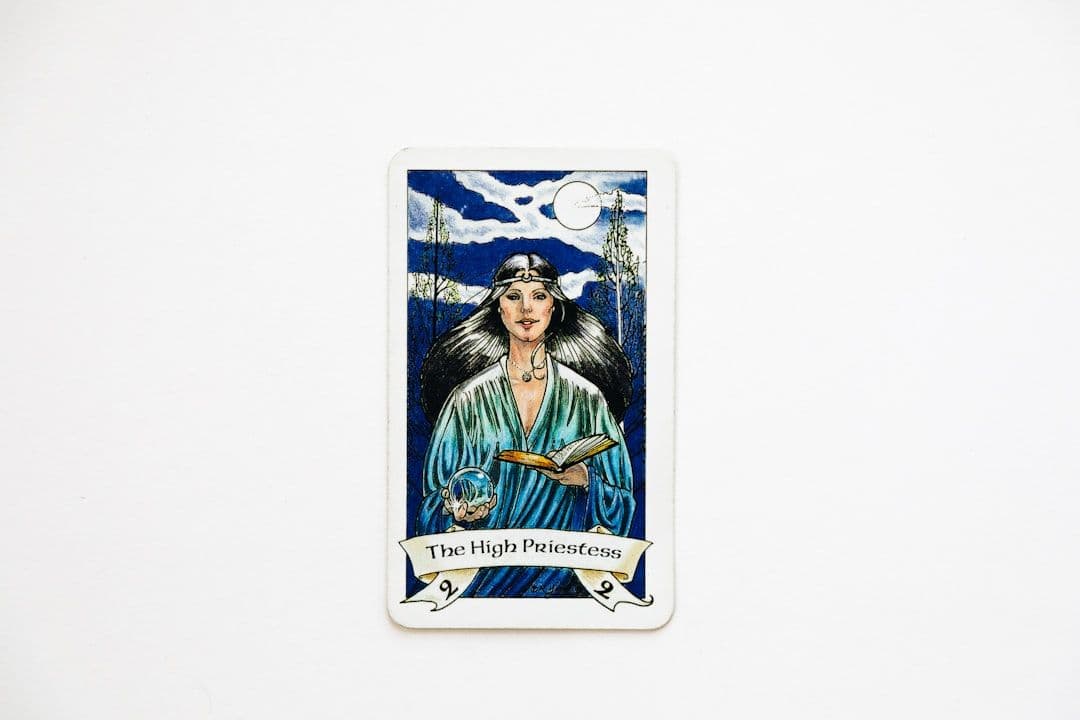
The practitioner then enters a meditative or prayer-like state to access spiritual guidance. This process varies dramatically between traditions—some practitioners pray aloud, others enter silent meditation, and some use divination tools like cards or crystals as focal points. You may be asked to hold your question in mind or state it aloud.
Guidance typically arrives through various channels. The practitioner might receive intuitive impressions, visual imagery, symbolic messages, or what feels like direct communication from spiritual sources. Some describe sensing the presence of guides, ancestors, or divine beings, whilst others experience guidance as inner knowing or sudden clarity.
The practitioner then shares what they've received, often asking for your interpretation or resonance with the messages. Sessions are usually collaborative rather than one-directional—your insights and understanding form part of the guidance process. Most sessions last 60 to 90 minutes, allowing time for questions and integration of the guidance received.
During and After: What You Might Notice
People report vastly different experiences during divine guidance sessions. Some feel a profound sense of peace or spiritual presence, describing the room as feeling 'charged' or sacred. Others notice physical sensations like tingling, warmth, or a sense of lightness. You might experience emotional responses—tears, joy, or deep relief—particularly if the guidance resonates strongly with your situation.
Not everyone experiences dramatic sensations. Many describe subtle shifts in perspective, sudden clarity about decisions, or simply feeling heard and supported. Some receive guidance through symbols or metaphors that require reflection to understand fully. Others leave with specific practical direction about next steps.
In the hours following your session, pay attention to synchronicities, dreams, or recurring thoughts that might continue the guidance process. Many people find that insights continue to unfold over several days rather than being complete at the session's end. You might notice increased intuitive awareness or feel more connected to your spiritual beliefs.
Some experience what practitioners call 'spiritual processing'—temporary emotional sensitivity, unusual dreams, or shifts in energy levels as you integrate the guidance received. These responses typically settle within a few days.
Integration and Aftercare
Spend time reviewing your notes within 24 hours of your session whilst the experience remains fresh. Guidance often arrives in symbolic or metaphorical form that requires contemplation to understand fully. Write down any additional insights or connections that emerge as you reflect.
Avoid making major life decisions immediately based solely on guidance received. Instead, sit with the insights for several days or weeks, allowing them to inform your thinking alongside practical considerations and trusted advisors' input. Divine guidance works best as one input into decision-making rather than the sole determining factor.
Maintain any spiritual practices that feel supportive—meditation, prayer, journaling, or time in nature. These activities may help you stay connected to the guidance received and notice continued insights. Some people find that guidance continues to unfold through daily life experiences after their session.
Stay hydrated and get adequate rest, particularly if you experienced strong emotional or spiritual responses during your session. Gentle movement like walking can help integrate any energetic shifts you might have experienced.
Building Your Practice
The frequency of divine guidance sessions depends entirely on your spiritual goals and life circumstances. Some people book sessions during major life transitions or when facing significant decisions. Others prefer regular monthly or quarterly sessions as part of ongoing spiritual practice.
Many practitioners suggest starting with one session to understand how you respond to this form of spiritual guidance. If the experience proves meaningful, you might choose to return during times when you need spiritual perspective or clarity.
Consider developing your own receptive practices between sessions. Regular meditation, prayer, or journaling can enhance your ability to recognise spiritual guidance in daily life. Some people find that formal sessions help them access guidance they can then continue receiving independently.
Remember that divine guidance is one approach among many for finding direction and meaning. It works best when integrated with practical planning, professional counselling when appropriate, and trusted relationships that provide grounded perspective on your life choices.