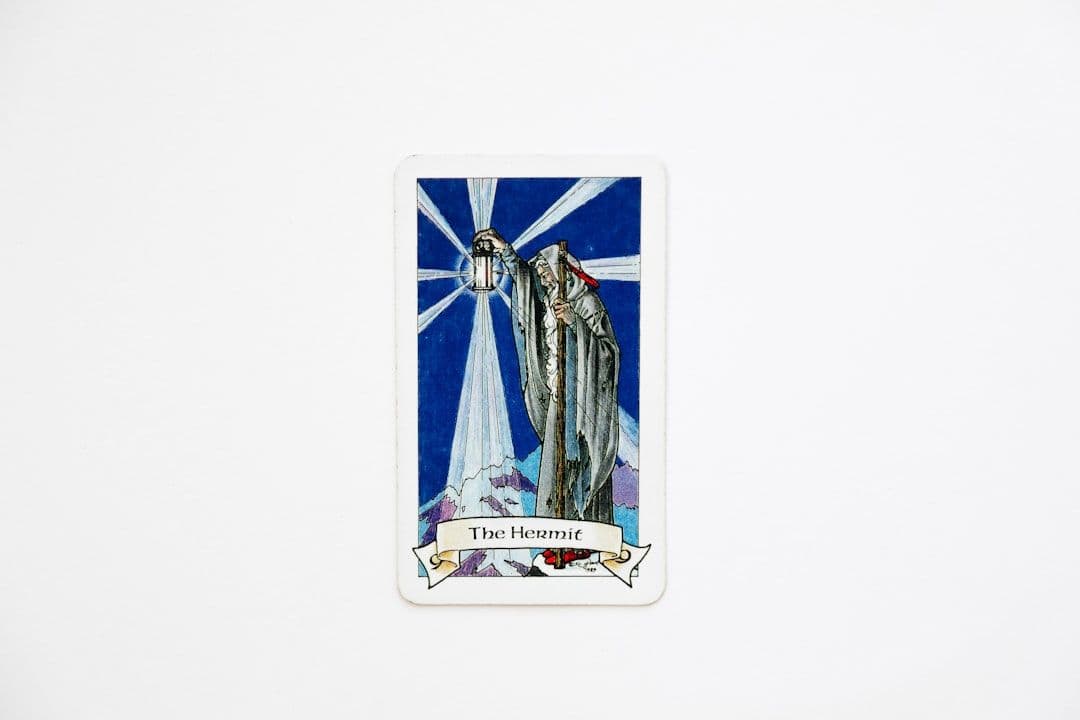
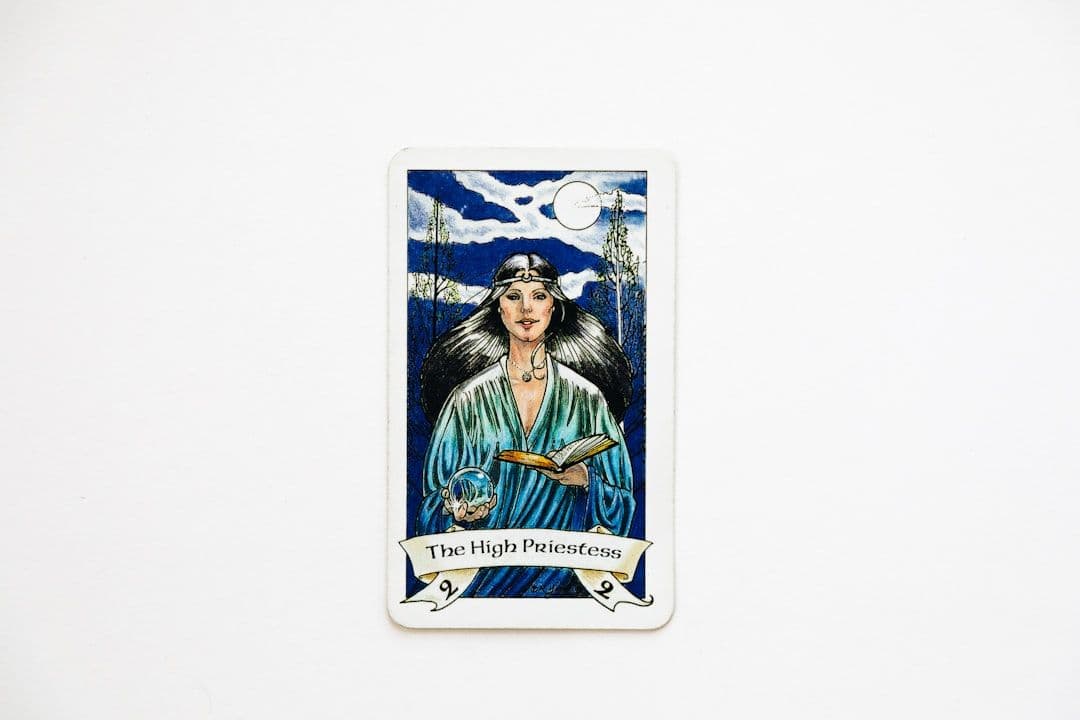
What it is
A practice for connecting with higher wisdom to explore purpose, decisions, and life changes.
Divine Guidance is a spiritual practice that channels insights and wisdom from higher spiritual realms or guides to help individuals find...

At a glance
What it is
A practice for connecting with higher wisdom to explore purpose, decisions, and life changes.
Why explore it
It offers a reflective, spiritually framed space to find clarity during major life crossroads.
How it’s experienced
Insights come through meditation, prayer, or dialogue, often as inner impressions or symbols.
Evidence context
Rooted in global traditions, its benefits are experiential and spiritually interpreted, not clinical.
See the evidence snapshotSafety
It's low-risk alongside professional care, but always trust your own judgment and avoid absolute claims.
See staying safeHistory & Origin
Divine Guidance provides individuals with spiritual insights and guidance to navigate life's journey.
Divine Guidance draws from ancient spiritual and religious traditions spanning multiple cultures and centuries. Indigenous peoples, mystics, and spiritual leaders across Africa, Asia, the Middle East, and Europe have long practiced forms of spiritual channeling and divination to receive guidance from divine sources, ancestors, or higher consciousness.
The formalized practice of modern Divine Guidance emerged during the 19th and 20th centuries, particularly through spiritualist movements that gained prominence in Western societies. Practitioners like Edgar Cayce, who claimed to receive guidance while in trance states, and various mediums and spiritual advisors popularized the concept of accessing divine wisdom for personal and collective benefit.
Divine Guidance became more systematized as New Age and contemporary spirituality movements grew from the 1960s onward. Today, it encompasses various approaches including channeling, intuitive counseling, angelic communication, and spiritual mentoring, each rooted in the belief that higher wisdom is accessible to those who attune themselves spiritually.
The practice has spread globally through books, workshops, online platforms, and spiritual centers. While it remains outside mainstream scientific medicine, Divine Guidance has developed a significant following among those seeking spiritual alignment and existential clarity, often complementing rather than replacing conventional life guidance and mental health support.
Mechanism
Divine Guidance is best framed as a traditional, symbolic, energetic, reflective, or spiritual practice rather than a validated medical mechanism. Practitioners may use ritual, attention, sound, imagery, touch-free work, cards, symbols, prayer, or intention to support meaning-making and a sense of connection. People may explore it for reflection, calm, or spiritual context, while health claims should remain cautious and personal. Divine Guidance typically involves practitioners entering a receptive state through meditation, prayer, or ritualistic practice to access spiritual insights.
Your first visit
A typical session outline to help you feel prepared
A Divine Guidance session is a spiritually focused experience where a practitioner enters a meditative state to receive intuitive messages and insights on your behalf, offering perspectives to support your inner journey.
Your practitioner warmly greets you and invites you to share what is weighing on your heart or the questions you are seeking clarity around. There is no pressure to share more than you are comfortable with.
The practitioner creates a calm, focused atmosphere, which may include soft lighting, gentle music, or a brief opening prayer or invocation to set a reverent tone for the session.
You and the practitioner refine the questions or themes you want guidance on, so the session feels purposeful and personally meaningful to your current life circumstances.
The practitioner enters a meditative or prayerful state, quieting their own mind to open themselves to spiritual impressions, symbols, or intuitive messages related to your questions.
As impressions arise, the practitioner shares them with you in real time or takes brief notes to relay afterward. You may hear symbolic imagery, affirming words, or gentle intuitive perspectives.
The practitioner walks you through the messages received, helping you explore what resonates and how the guidance might apply to your personal situation. Your own interpretation matters here.
You are given a moment to sit quietly with what came through before the practitioner offers a closing prayer or grounding breath to gently bring the session to a close.
The practitioner may suggest journaling about the messages, revisiting them over the coming days, or scheduling a follow-up session to continue supporting your spiritual journey.
The Evidence
What research and tradition say about Divine Guidance, and how to understand it within a balanced approach to wellbeing.
A spiritual practice with no scientific evidence base
Divine Guidance operates within spiritual and metaphysical frameworks, not scientific medicine. No clinical trials or measurable mechanisms exist. Its value is personal, meaning-based, and shaped by individual belief and tradition.
This practice is grounded in faith, intuition, and subjective spiritual experience. It has no established mechanism of action, no biomarkers, and no clinical trial evidence. Understanding it as a metaphysical practice — rather than a health intervention — sets accurate expectations and supports informed engagement.
Some research links reflective practices, spiritual meaning-making, and perceived connection to improved wellbeing and resilience. However, these findings do not confirm that Divine Guidance accesses spiritual sources. Benefits, where reported, may reflect the reflective process, expectancy, or personal belief rather than the practice itself.
Indigenous, mystical, and religious traditions across Africa, Asia, the Middle East, and Europe have long included forms of spiritual guidance-seeking. Modern expressions emerged through 19th-century spiritualist movements and expanded through New Age and contemporary spirituality from the 1960s onward. Its value is primarily cultural and existential.
Common uses include navigating major decisions, processing grief, exploring identity, and deepening spiritual practice. These are legitimate personal and existential pursuits. The practice may support reflection and a sense of direction, though outcomes are subjective and vary significantly between individuals.
If you are experiencing depression, anxiety, psychosis, or suicidal ideation, consult a licensed mental health professional before or alongside this practice. Over-reliance on external guidance for all decisions may reduce personal agency. Avoid practitioners who make inflated outcome claims or apply undue pressure.
Credentials, ethics, and approaches differ significantly across practitioners. Look for transparency about what the practice involves, respect for your autonomy, and clear boundaries around what it can and cannot offer. Practitioners should never discourage you from seeking professional assessment when it is needed.
Safety first
General guidance to help you decide whether this approach is appropriate for you. This is informational only and not a substitute for medical, psychological, or professional advice.
If you are experiencing severe distress, suicidal thoughts, psychosis, acute trauma, or another serious mental health concern, seek qualified support first.
This approach is not suitable for diagnosis, treatment instructions, or decisions that require medical, legal, financial, or professional advice.
Look for clear boundaries, transparent pricing, and practitioners who avoid fear-based claims or pressure to book frequent sessions.
Treat any insight as one reflective perspective, not absolute truth. Important decisions should be considered with appropriate professional support.
For you?
A simple, human way to weigh it up. This is general guidance, not personal medical advice — a qualified practitioner can advise on your situation.
Gyfts is a discovery platform, not a medical provider. Nothing here diagnoses, treats or replaces professional care. In an emergency, contact your local emergency number.
Explore approaches
Other practices people often explore alongside divine guidance.
In their words
FAQ
This varies by practitioner philosophy and individual belief. Some practitioners describe channeling guides, angels, or ascended masters; others facilitate access to your own higher self or intuition; still others work with universal wisdom or consciousness. The experience is interpreted through the practitioner's spiritual worldview and the client's receptiveness. Results are subjective and not measurable by conventional standards.
There is no standard protocol. Some people find value in a single session for a specific question, while others engage in ongoing work. Frequency depends on your goals, budget, and personal preference. There is no evidence-based guideline for optimal session frequency.
Divine Guidance typically offers perspective, insight, and reflective questions rather than absolute answers. The guidance is meant to support your own discernment and decision-making. Many practitioners intentionally avoid making definitive predictions or prescriptions, instead empowering you to integrate the insights with your own wisdom.
No. Divine Guidance is a spiritual practice and should not replace professional mental health care, medical diagnosis, or treatment. If you are struggling with mental health symptoms or medical concerns, consult a qualified healthcare provider. Divine Guidance can complement but never substitute for professional care.
This is a core limitation of spiritual practices. There is no objective way to verify the source or accuracy of spiritual guidance. The value lies in whether the insights resonate with you, feel meaningful, and support your growth and decision-making. Healthy skepticism and critical reflection are important—notice what resonates and what feels off.
Divine Guidance is generally considered a low-risk practice when provided by ethical practitioners who do not make medical claims or discourage necessary professional care. Risks increase if practitioners exploit vulnerability, make diagnostic claims, charge excessive fees, or discourage conventional treatment. Choose practitioners carefully and maintain professional support for serious health or mental health concerns.
Always prioritize advice from licensed healthcare providers for medical and mental health matters. Spiritual guidance and medical care operate in different domains. If you find conflict, discuss it openly with both your healthcare provider and spiritual practitioner, or seek a second medical opinion rather than abandoning professional care.
References
Educational sources that inform this overview. Inclusion is for context and does not imply endorsement.
Full citations are maintained by the Gyfts editorial team and reviewed periodically.
Keep exploring
Browse practitioners, explore honest overviews, and take what you learn to a conversation — at your own pace.