Preparing for Your Session
Arrive with clean, dry hair—avoid styling products, oils, or conditioners on the day of your appointment, as these can interfere with sensor contact. Wear comfortable clothing that allows easy access to your scalp; a loose-fitting shirt works well since you'll be seated throughout the session.
Eat a normal meal beforehand but avoid excessive caffeine, which can make your brainwave patterns more erratic. Bring any current medications list, as some substances can influence brain activity. Most practitioners ask you to complete a brief questionnaire about your recent sleep, stress levels, and how you're feeling that day.
Switch off your mobile phone and let the practitioner know about any concerns or questions. The environment should feel relaxed—this isn't a medical procedure requiring anxiety.
The Session Experience
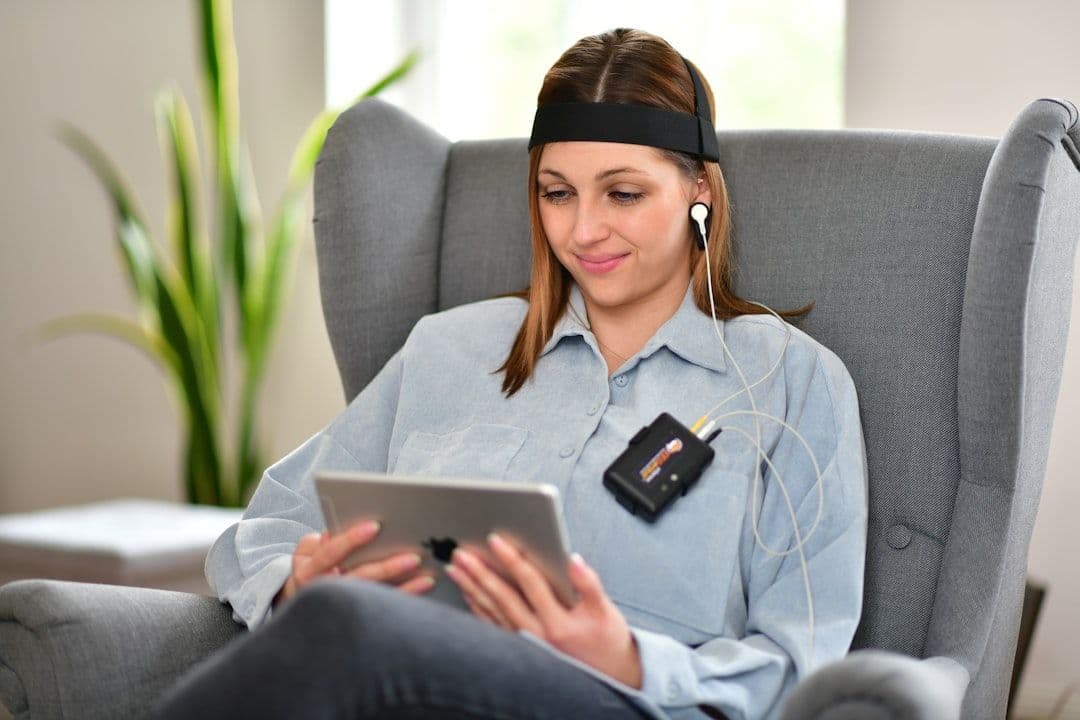
Your practitioner begins by measuring your head to determine optimal sensor placement, typically positioning 2-6 electrodes on specific scalp locations using a small amount of conductive gel. The sensors feel cool initially but you'll quickly forget they're there. This preparation takes about 10-15 minutes.
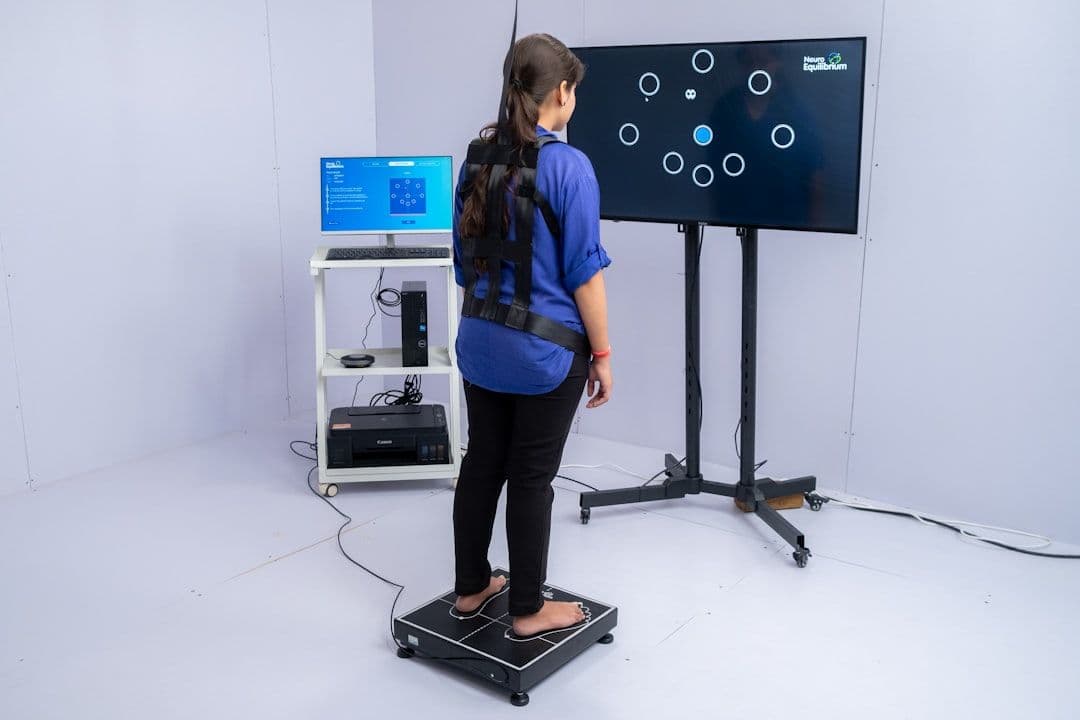
Once connected, you'll see your brainwave activity displayed on a computer screen—often as a game, animation, or visual display that responds to your neural patterns. You might watch a film that plays smoothly when your brain produces the target frequencies, or control a character in a simple game using only your thoughts. The feedback is immediate: when your brain shifts into the desired state, the screen brightens, sounds play, or the game responds positively.
The training portion lasts 20-45 minutes. You simply relax and allow your brain to learn from the feedback—there's no conscious effort required, though staying alert and engaged helps. Many people find the experience surprisingly absorbing, like learning to ride a bicycle for your brain.
Throughout the session, your practitioner monitors your progress and may adjust the training parameters. Some people chat quietly during training whilst others prefer to focus silently on the screen.
What You Might Experience
During the session, most people report feeling calm and focused, though experiences vary considerably. Some notice a subtle shift in mental clarity or a sense of their mind 'settling down'. Others feel little during the session but notice changes in mood or sleep quality over the following days.
You might experience mild mental fatigue immediately afterwards—similar to the tiredness after concentrated studying. This typically passes within an hour. Some people feel unusually relaxed or slightly 'dreamy' for a few hours post-session.
Occasionally, people report temporary headaches, especially in early sessions as the brain adapts to the training. Emotional responses can also occur; some feel more emotionally aware or notice dreams becoming more vivid. These responses generally indicate the brain is responding to the training process.
Not everyone notices immediate changes. The brain's learning process is often subtle and cumulative rather than dramatic.
After Your Session
Stay well-hydrated and avoid alcohol for the rest of the day, as your brain continues processing the training effects. Many practitioners recommend gentle activities rather than intense mental work immediately afterwards, though you can usually return to normal activities straight away.
Keep a brief daily record of sleep quality, mood, and any symptoms you're addressing—this helps track progress over time. Changes often emerge gradually over days or weeks rather than immediately after individual sessions.
Avoid making significant life decisions on training days, as some people experience temporary emotional sensitivity. If you feel unusually tired, honour this by resting rather than pushing through with caffeine or stimulants.
Treatment Duration and Expectations
Most practitioners recommend an initial assessment period of 10-15 sessions to gauge your brain's response patterns. A typical course involves 20-40 sessions spread over 3-6 months, with sessions usually scheduled 1-3 times weekly initially.
Changes often begin subtly around sessions 8-12, becoming more noticeable and stable by session 20. Some people report improvements in sleep or anxiety within the first few weeks, whilst attention-related changes typically take longer to establish.
After completing the initial course, many people have occasional 'booster' sessions every few months to maintain gains. The brain retains much of what it learns through neurofeedback, but like any skill, periodic practice helps maintain optimal function.
Progress isn't always linear—expect some fluctuation as your brain adapts. Your practitioner will regularly review your response and may adjust the training protocol based on your individual patterns and goals.