What it is
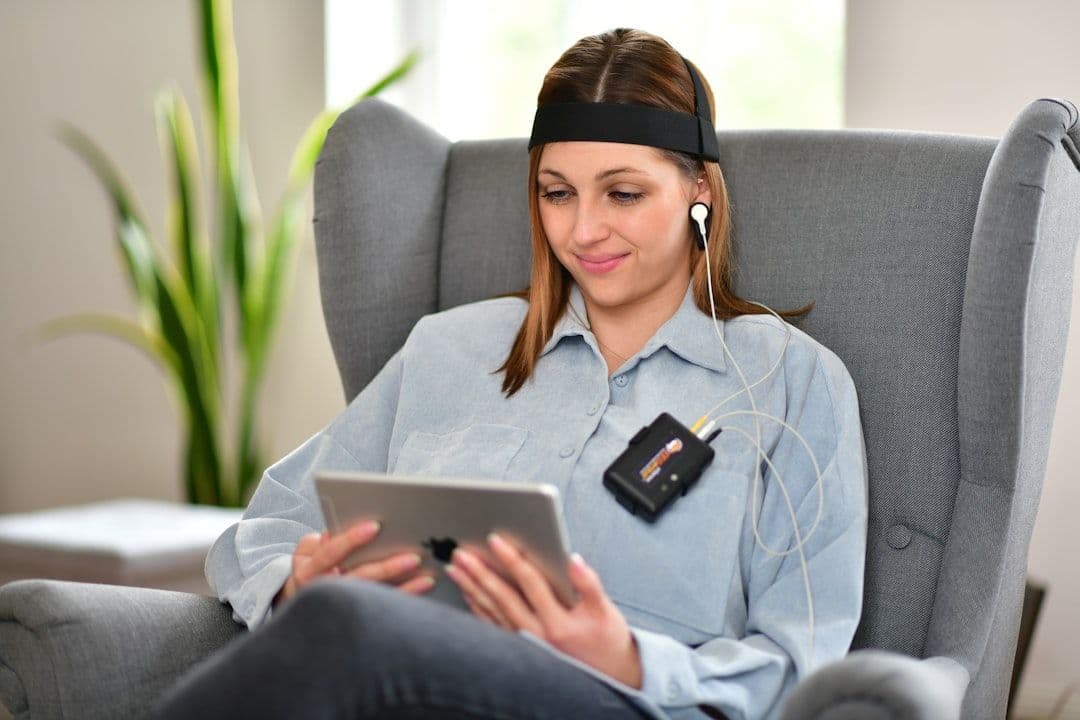
Scalp sensors read your live brainwaves and use sound or visuals to guide them toward balance.
EEG Biofeedback, or neurofeedback, is a brain training technique that uses real-time monitoring of brainwave patterns to help individuals...
At a glance
What it is
Scalp sensors read your live brainwaves and use sound or visuals to guide them toward balance.
Why explore it
May ease anxiety, sharpen focus, improve sleep, and support ADHD through personalized brain training.
How it’s experienced
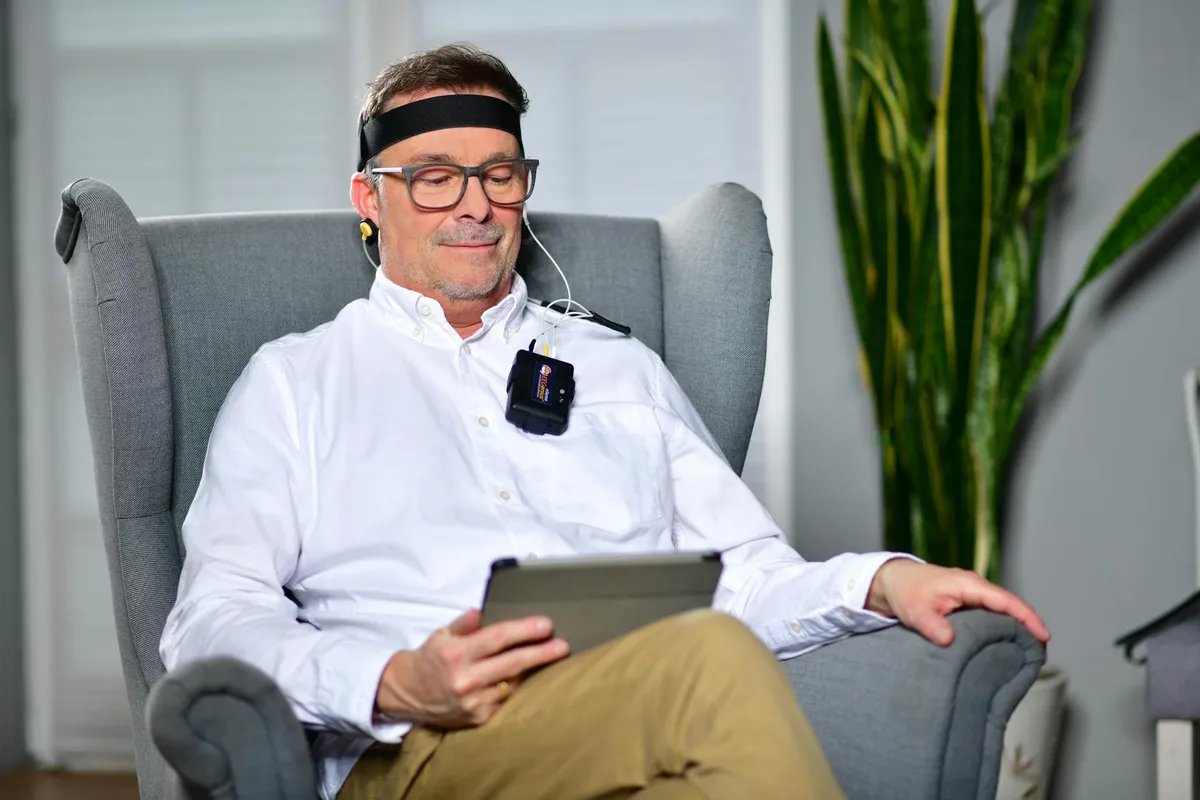
You wear a sensor cap and watch or listen as real-time feedback gently guides your brain to self-regulate.
Evidence context
50-plus years of research backs this field, with the strongest evidence supporting attention and ADHD outcomes.
See the evidence snapshotSafety
Non-invasive and low-risk; those with seizure disorders should get medical clearance before starting.
See staying safeHistory & Origin
EEG Biofeedback uses neurofeedback techniques to optimize brain function and enhance mental well-being.
EEG Biofeedback emerged in the 1960s and 1970s as neuroscience and biofeedback technology advanced. Pioneering researchers discovered that individuals could learn to self-regulate their brainwave patterns when provided with real-time visual or auditory feedback. Dr. Barry Sterman's early work with cats demonstrated that animals could be trained to produce specific brainwave patterns, which later informed human applications. This foundational research suggested that conscious control over brain activity was possible, leading to the development of neurofeedback as a therapeutic tool.
Throughout the 1980s and 1990s, neurofeedback gained attention in clinical settings, particularly for ADHD and epilepsy management. As EEG technology became more accessible and refined, practitioners expanded applications to include anxiety disorders, depression, and cognitive enhancement. The modality developed a following in sports psychology and performance optimization communities, where athletes used neurofeedback to enhance focus and mental resilience.
Today, EEG Biofeedback is practiced in clinics, research institutions, and wellness centers globally. Professional organizations have established training standards and ethical guidelines for practitioners. However, the field remains heterogeneous, with varying protocols, equipment quality, and practitioner qualifications. Scientific interest continues, though clinical adoption remains selective and evidence-based applications are more limited than popular perception suggests.
Mechanism
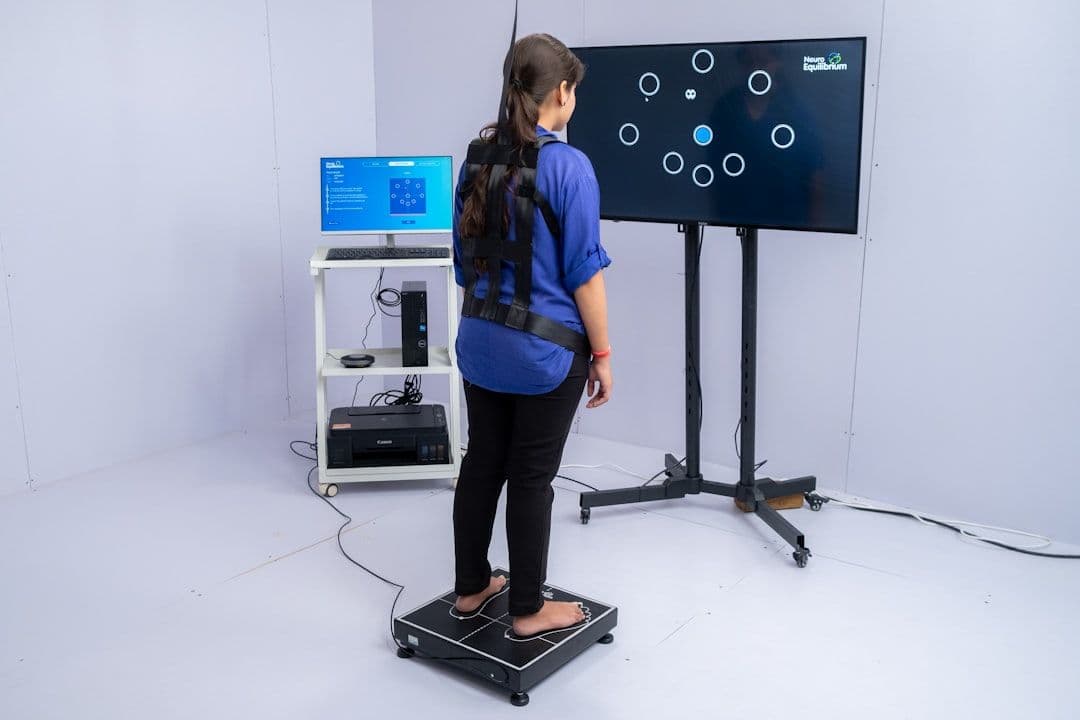
EEG Biofeedback is generally framed as a guided process for attention, reflection, learning, and emotional integration. Depending on the method, a practitioner may use conversation, imagery, structured exercises, body awareness, or therapeutic techniques to help the person explore patterns and choices. It should not be presented as a standalone solution or a substitute for urgent care, but it may support self-understanding when practiced within an appropriate scope. EEG sensors placed on the scalp detect electrical activity from the brain and translate brainwave patterns into real-time visual or auditory feedback—typically a game, animation, or sound that responds to your neural activity.
Your first visit
A typical session outline to help you feel prepared
A typical EEG Biofeedback session involves sensors gently placed on your scalp to read your brainwaves while you relax and respond to real-time audio or visual feedback.
Your practitioner greets you and briefly reviews how you've been feeling since your last session, noting any changes in sleep, focus, or mood to help guide today's training.
Together you and your practitioner confirm which brainwave patterns will be targeted, whether that's calming overactive frequencies or encouraging steadier, more focused ones.
Your scalp is lightly cleaned with a gentle gel to improve conductivity, then small sensors called electrodes are clipped or pasted onto specific spots on your head and ears — no current is applied, and it doesn't hurt.
You settle into a reclining chair or seat facing a screen or speaker, the lights may be dimmed, and your practitioner confirms you're relaxed before the session begins.
As your brain activity is read in real time, a game, animation, or tone plays and responds to your brainwaves — when helpful patterns appear, the feedback rewards you with sound or movement, gently en
There's nothing effortful to do — you simply watch or listen while your brain learns through repetition; many people feel quietly absorbed, drowsy, or pleasantly calm during this phase, which typicall
Your practitioner removes the sensors and gently wipes any remaining gel from your scalp; you take a few minutes to reorient before standing, as some people feel deeply relaxed or lightly spacey.
You share any observations about how you felt during the session, and your practitioner notes your brainwave data to refine the training plan for future visits.
The Evidence
What the research shows, where evidence is strong, where it is limited, and what to consider before starting.
Promising for ADHD; mixed results elsewhere
EEG Biofeedback has over 50 years of research behind it, with the strongest support for attention and hyperactivity concerns. Evidence for anxiety, sleep, and mood applications exists but remains inconsistent, and methodological limitations make firm conclusions difficult.
Multiple meta-analyses suggest neurofeedback can improve attention and reduce hyperactivity, with effect sizes in some studies comparable to certain stimulant approaches. Evidence for anxiety, sleep, and emotional regulation is more limited and mixed, with some trials finding effects similar to placebo or non-specific factors. Inconsistent protocols across studies make direct comparisons difficult.
Many studies are small, lack adequate control groups, or use differing electrode placements and frequency targets, making it hard to draw definitive conclusions. Publication bias may inflate positive findings. Individuals should weigh these limitations when evaluating practitioner claims, and be cautious of inflated outcome promises not supported by the current evidence base.
As a complementary modality, neurofeedback is most commonly integrated with existing medical or psychological support rather than used as a standalone intervention. For conditions like ADHD or anxiety, it may complement behavioural strategies or professional mental health care. It is not a substitute for professional assessment or evidence-based primary care.
Individuals with active seizure disorders, acute psychiatric conditions, traumatic brain injury, or those taking psychotropic medications should consult a qualified clinician before starting. Mild, transient effects such as fatigue or headache are occasionally reported. Pregnant individuals should discuss participation with their healthcare provider and the neurofeedback practitioner.
Look for practitioners with recognised neurofeedback certification, such as those credentialed through the Biofeedback Certification International Alliance (BCIA) or equivalent bodies in your region. Ask about their experience with your specific concern, the protocols they use, and how they track progress. A reputable practitioner will not make inflated outcome claims or discourage you from maintaining other professional care.
Sensors placed on the scalp detect brainwave patterns, which are translated into visual or auditory feedback — often a game or animation. Over multiple sessions, you learn to shift specific brainwave frequencies through operant conditioning. Typical programmes involve 20 to 40 sessions, though individual needs vary. Progress is usually monitored through ongoing EEG data and self-reported outcomes.
Safety first
General guidance to help you decide whether this approach is appropriate for you. This is informational only and not a substitute for medical, psychological, or professional advice.
If you are pregnant, managing a health condition, recovering from injury or surgery, or taking medication, consult a qualified healthcare professional first.
Some situations call for extra care or a different approach. Share any conditions, injuries, or sensitivities with your practitioner before your first session.
Mild, short-lived effects such as tenderness, tiredness, or temporary soreness can occur. Rest, hydrate, and tell your practitioner how you respond.
Look for clear boundaries, transparent pricing, and practitioners who avoid fear-based claims or pressure to book frequent sessions.
For you?
A simple, human way to weigh it up. This is general guidance, not personal medical advice — a qualified practitioner can advise on your situation.
Gyfts is a discovery platform, not a medical provider. Nothing here diagnoses, treats or replaces professional care. In an emergency, contact your local emergency number.
Explore approaches
Other practices people often explore alongside eeg biofeedback.
In their words
FAQ
Electrodes are placed on your scalp to detect brainwave activity. You sit comfortably and watch a screen or listen to audio that responds to your brainwaves in real time. When your brain produces desired brainwave patterns, the feedback is rewarding (e.g., a video game plays smoothly); when it produces undesired patterns, the feedback changes (e.g., the game pauses). Over time, your brain learns to naturally produce the target patterns. Each session typically lasts 30–60 minutes, with 20–40 minutes of active training.
Most people benefit from 20–40 sessions scheduled weekly or twice weekly, though this varies based on individual needs and how quickly your brain responds. Some conditions require fewer sessions, while others may benefit from extended or maintenance protocols. Your practitioner should provide a realistic timeline at the outset and adjust based on your progress.
Some people report subtle improvements after 5–10 sessions, while others notice changes more gradually after 15–20 sessions. Most meaningful improvements develop over the full course of treatment. Benefits may include improved focus, better mood stability, or reduced anxiety. Individual responses vary significantly based on the condition, the brain's neuroplasticity, and protocol effectiveness.
Yes, EEG Biofeedback is generally considered safe and non-invasive. There is no electrical current applied to the brain; it only detects existing brainwave activity. Rare side effects include mild headaches or temporary mood shifts. However, individuals with active seizure disorders or severe psychiatric conditions should seek medical clearance first. Ensure your practitioner uses quality equipment and evidence-based protocols.
EEG Biofeedback should not replace necessary medications without medical guidance. It is best viewed as a complementary approach that may support medication therapy or be explored as part of a holistic treatment plan. Anyone considering adjusting medications should consult their prescribing physician.
EEG Biofeedback specifically targets brainwave patterns and brain function. Other biofeedback modalities (heart rate variability, muscle tension, skin temperature) target different physiological systems. EEG Biofeedback is more complex and requires specialized training and equipment, making it more specialized than general biofeedback.
Look for practitioners certified by recognized organizations such as the Biofeedback Certification International Alliance (BCIA) or the International Society for Neuroregulation and Research (ISNR). Verify their educational background in neuroscience, psychology, or related fields, and ask about their experience with your specific condition. Check credentials, insurance coverage, and whether they use evidence-based protocols.
Research suggests that many improvements from neurofeedback are sustained after treatment ends, as the brain has learned new patterns. However, ongoing stress, lifestyle factors, and neuroplasticity changes over time may affect long-term outcomes. Some people benefit from periodic maintenance sessions. Durability of effects varies by individual and condition.
References
Educational sources that inform this overview. Inclusion is for context and does not imply endorsement.
Full citations are maintained by the Gyfts editorial team and reviewed periodically.
Keep exploring
Browse practitioners, explore honest overviews, and take what you learn to a conversation — at your own pace.