Current Research Landscape
Essential oil therapy sits in an unusual position within complementary medicine research. Unlike some practices with extensive traditional use but minimal scientific investigation, essential oils have attracted considerable research attention — yet much of it falls short of robust clinical standards.
The existing evidence base spans approximately 200 published studies, though quality varies dramatically. Most research focuses on aromatherapy applications rather than topical or internal use. The majority involve small sample sizes (typically 30-100 participants) and short intervention periods. Systematic reviews consistently highlight methodological limitations: inadequate blinding, heterogeneous essential oil preparations, and inconsistent outcome measures.
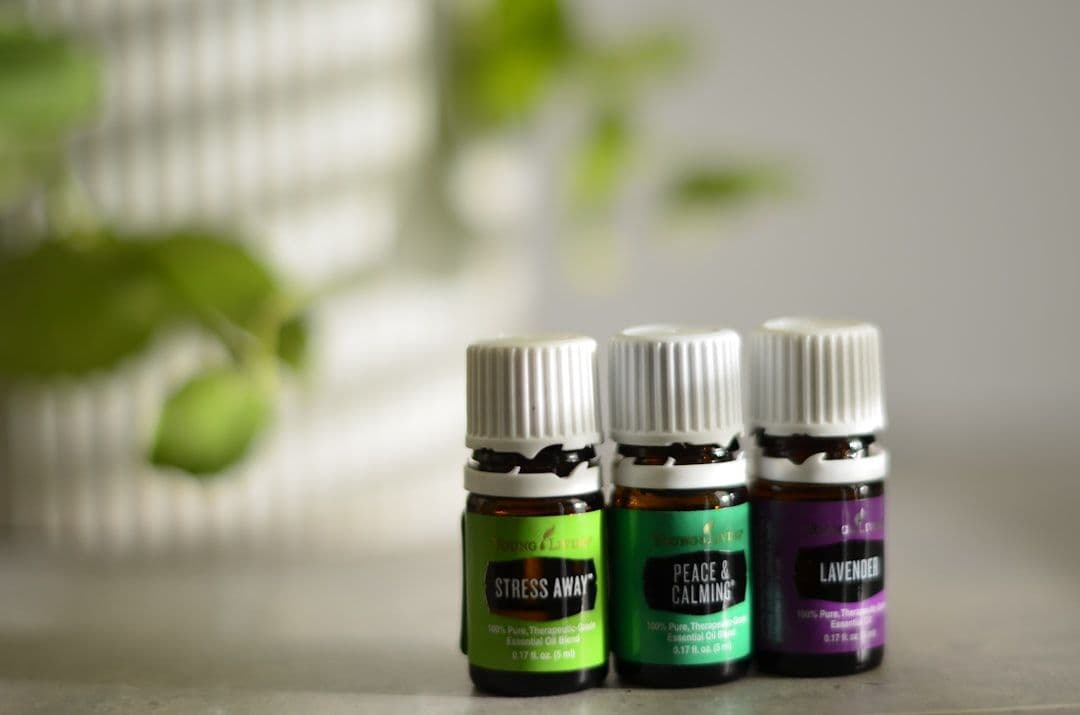
Lavender aromatherapy represents the most studied application, with roughly 30 controlled trials examining anxiety, sleep, and pain outcomes. Peppermint oil has moderate research attention for headache and digestive applications. Beyond these, most individual oils rely on preliminary or pre-clinical studies.
Strongest Clinical Findings
A 2020 systematic review analysing lavender aromatherapy found consistent short-term anxiety reduction across multiple small trials, with effect sizes suggesting clinically meaningful benefits. The review included 15 randomised controlled trials with approximately 1,200 total participants. Most studies involved hospital or clinical settings rather than home use.
Peppermint oil applied topically shows promise for tension-type headaches. A randomised trial of 41 participants found 10% peppermint oil solution reduced headache intensity compared to placebo when applied to temples and forehead. However, this represents one of few adequately controlled topical studies.
Tea tree oil demonstrates antimicrobial properties in laboratory studies, with some clinical evidence for fungal nail infections and acne. A 2017 Cochrane review found limited evidence supporting tea tree oil for skin conditions, noting that most trials were small and methodologically flawed.
Eucalyptus and peppermint inhalation may provide temporary respiratory symptom relief, though this primarily reflects known decongestant properties rather than novel therapeutic mechanisms.
Significant Evidence Gaps
The research suffers from fundamental methodological challenges. Double-blinding proves nearly impossible due to distinctive aromas, leading to potential placebo amplification. Essential oil preparations lack standardisation — concentration, extraction method, and plant source vary significantly between studies, making comparison difficult.
Sample sizes remain consistently small. Even meta-analyses struggle to achieve adequate power due to heterogeneous protocols. Long-term safety data is virtually absent, particularly concerning regular topical application and any internal use. Most trials examine single-session or short-term interventions rather than sustained therapeutic protocols.
Dosing guidance lacks empirical foundation. Practitioner recommendations vary widely, often based on traditional use rather than dose-response studies. The interaction between individual genetic variations in olfactory sensitivity and therapeutic response remains unexplored.
Publication bias likely favours positive results, as negative findings in complementary medicine receive less attention. Industry funding of essential oil research creates additional concerns about objective reporting.
Supported Uses Versus Uncertain Claims
Based on available evidence, essential oil therapy may reasonably support anxiety management and relaxation when used as aromatherapy, particularly lavender. The evidence suggests genuine psychophysiological responses beyond placebo effects, though mechanisms remain poorly understood.
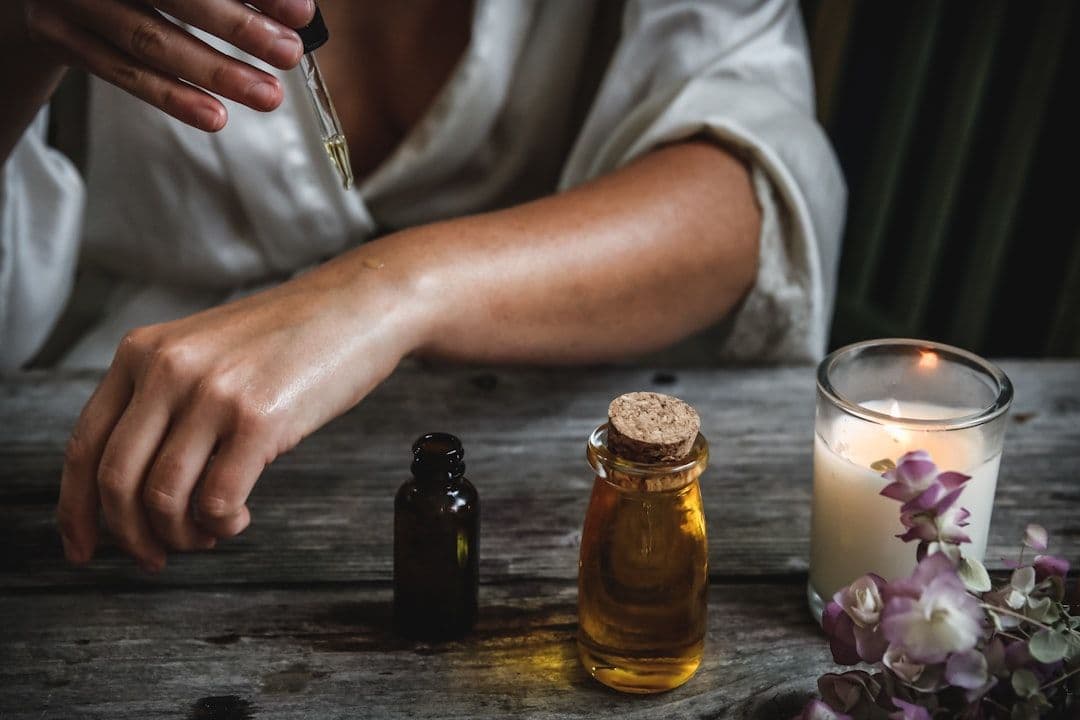
Topical applications for specific conditions — tension headaches with peppermint, minor fungal infections with tea tree — have limited but credible support. These uses align with known pharmacological properties of specific compounds.
However, broader therapeutic claims lack substantiation. Essential oils as treatments for serious medical conditions, immune system enhancement, or systemic health optimisation exceed current evidence. Internal use remains particularly problematic, with safety profiles poorly characterised and efficacy data largely absent.
The personalised nature of olfactory response means individual experiences may vary dramatically from study averages. Some people show pronounced responses whilst others experience minimal effects, regardless of the oil or application method.
Research Priorities and Future Directions
Future research requires standardised essential oil preparations and consistent outcome measures to enable meaningful comparison between studies. Larger, longer-term trials are essential, particularly examining safety profiles with regular use.
Dose-response studies could establish evidence-based concentration guidelines. Currently, practitioners rely on tradition and anecdote for dosing decisions. Understanding optimal delivery methods — diffusion versus topical application versus inhalation techniques — needs systematic investigation.
Genetic variations in olfactory processing and their relationship to therapeutic response represent an unexplored frontier. Personalised aromatherapy based on individual sensitivity profiles could transform the field's clinical relevance.
Mechanism studies using neuroimaging and biomarker analysis might clarify how essential oils influence physiology. This could distinguish genuine therapeutic effects from placebo responses and guide more targeted applications.
Rigorous safety studies examining skin sensitisation patterns, systemic absorption, and long-term effects are overdue. Without this foundation, therapeutic recommendations remain speculative rather than evidence-based.