Before Your Appointment
Arrive with clean skin, free from perfumes or strong-scented products that might interfere with oil selection. Wear comfortable, loose-fitting clothes that allow easy access to areas where oils might be applied - typically arms, shoulders, or feet. Remove jewellery from these areas beforehand.
Inform your practitioner about any allergies, skin sensitivities, or medical conditions during booking. Avoid alcohol for 24 hours before your session, as this can heighten skin sensitivity. If you're pregnant, breastfeeding, or taking medication, mention this when scheduling - certain oils are contraindicated for these situations.
Bring a list of any essential oils you've used before and your reactions to them. This helps your practitioner tailor the session to your individual responses and avoid oils that haven't suited you previously.
The Session Unfolds
Your practitioner begins with a 15-20 minute consultation, asking about your health history, current concerns, and what you hope to achieve. They'll enquire about your scent preferences and any oils you've found particularly appealing or off-putting in the past.
The selection process follows, where you'll smell different oils to gauge your responses. Your practitioner may present small strips or bottles, asking you to inhale gently and notice your reactions. They're looking for oils that resonate with you both aromatically and based on their traditional properties. This process typically takes 10-15 minutes.
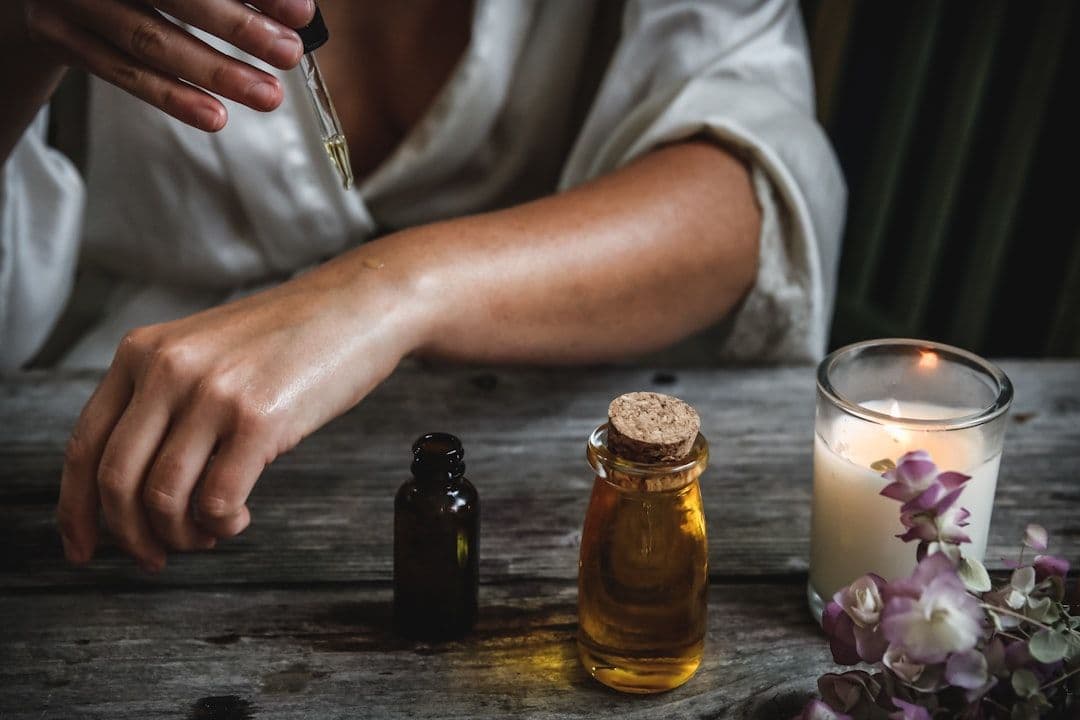
Once oils are chosen, your practitioner creates a blend, usually diluting essential oils in a carrier oil like sweet almond or jojoba. The application method depends on your needs - this might involve gentle massage to pulse points, inhalation from a tissue or diffuser, or creating a personal blend for home use. If massage is included, expect slow, deliberate movements focusing on areas like temples, wrists, or shoulders.
The room atmosphere supports relaxation throughout - dimmed lighting, comfortable temperature, and perhaps gentle background sounds. Sessions typically conclude with time to rest quietly, allowing the aromatic experience to settle.
What You Might Experience
Immediate responses vary enormously between individuals. You might notice shifts in breathing patterns as you inhale the oils - perhaps deeper, more relaxed breathing. Some people report feeling more alert with citrus oils, whilst lavender or chamomile might create a sense of calm.
Emotional responses can be unexpected. Certain scents may trigger memories or feelings, sometimes quite profound ones. This is normal - your practitioner should explain that oils can access emotional centres in the brain. You might feel energised, peaceful, nostalgic, or even temporarily emotional.
Physically, you might experience tingling where oils are applied, a sense of warmth, or subtle changes in tension levels. Some people notice effects immediately, others report a gradual shift over the following hours. Headaches occasionally occur if oils are too concentrated or if you're sensitive to particular compounds.
Not everyone responds dramatically to essential oil therapy. Some people enjoy the relaxation aspect without noticing specific therapeutic effects, and this is perfectly valid too.
Aftercare and What Follows
Drink plenty of water following your session, as you might feel mildly dehydrated. Avoid strong scents, alcohol, and caffeine for several hours to allow the oils' effects to develop without interference. If oils were applied to your skin, avoid hot baths or showers for 4-6 hours.
Keep any take-home blends away from children and pets, and store them in a cool, dark place. Your practitioner should provide clear instructions about how to use any oils they've prepared for you, including proper dilution ratios and frequency of use.
Watch for delayed skin reactions over the next 24 hours, particularly if you have sensitive skin. Mild redness at application sites can be normal, but persistent irritation, rash, or swelling requires attention.
Some people notice improved sleep quality or mood changes in the days following their session. Others find the primary benefit was the relaxation time itself rather than specific oil effects.
Building a Treatment Plan
Most practitioners recommend an initial series of 3-4 sessions spaced 1-2 weeks apart to establish your responses to different oils and approaches. This allows time to assess what works for your individual system whilst building familiarity with the practice.
Ongoing frequency depends entirely on your goals and responses. Some people benefit from monthly sessions for general wellbeing support, whilst others might use essential oil therapy intensively during stressful periods. Your practitioner should be honest about realistic expectations - dramatic changes are uncommon, and benefits tend to be subtle and cumulative.
Many people transition to using oils independently at home after learning proper techniques and safety protocols. Your practitioner can teach you safe dilution ratios and suggest oils suited to your particular needs and preferences. This makes essential oil therapy one of the more accessible complementary practices for ongoing self-care.