What it is
Plant extracts used by inhaling or applying to skin to support mood and relaxation.
The use of concentrated plant extracts to support physical and emotional well-being through aromatherapy, topical application, or inhalat...
At a glance
What it is
Plant extracts used by inhaling or applying to skin to support mood and relaxation.
Why explore it
Lavender, bergamot, and other oils may gently ease stress, lift mood, and support better sleep.
How it’s experienced
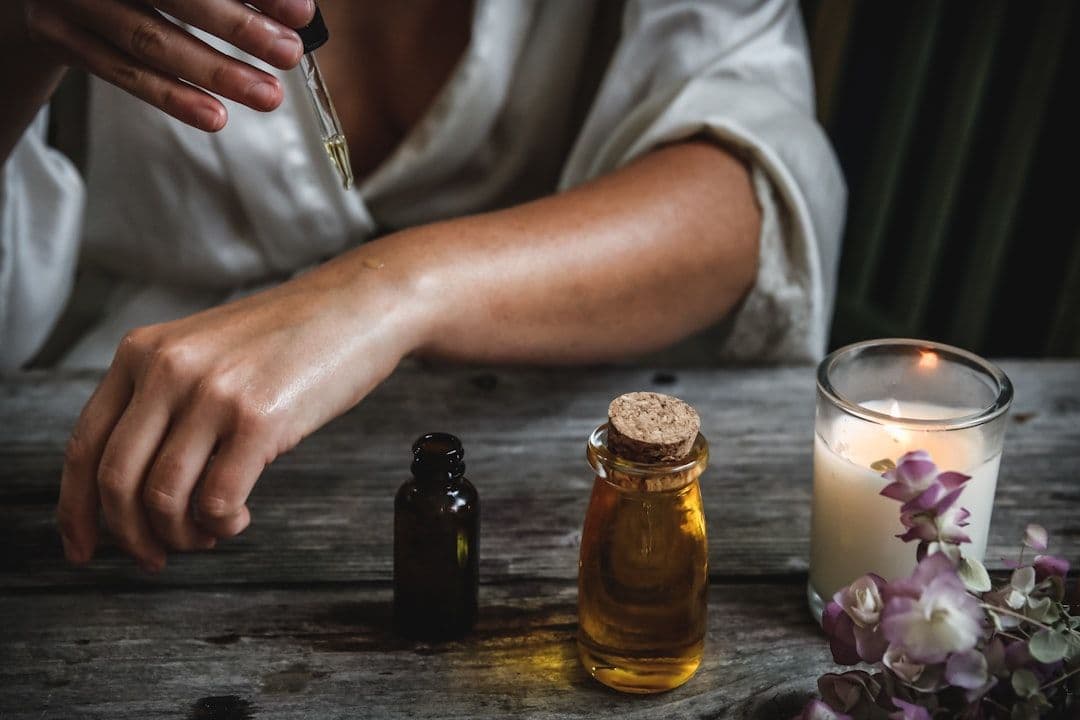
Breathe in diffused scents, apply diluted blends to skin, or add oils to a warm bath.
Evidence context
Early research hints at relaxation benefits, but large clinical trials are still needed.
See the evidence snapshotSafety
Safe when diluted properly — always patch-test first and check with your provider if pregnant.
See staying safeHistory & Origin
Essential Oil Therapy involves the therapeutic use of essential oils to promote physical and emotional well-being.
Essential Oil Therapy has roots in ancient civilizations, where aromatic plants were used in Egypt, China, India, and the Middle East for both spiritual and medicinal purposes. The Egyptians used oils in embalming and religious ceremonies, while Ayurvedic medicine incorporated plant essences into healing practices thousands of years ago. The modern extraction and standardization of essential oils developed significantly during the Renaissance and Industrial periods as distillation techniques improved.
The contemporary practice of aromatherapy and essential oil therapy gained prominence in the 20th century, particularly through the work of French chemist René-Maurice Gattefossé, who coined the term "aromatherapy" in the 1930s after experimenting with lavender oil for burns. His research and publications helped establish a more systematic approach to essential oils. The practice expanded internationally, blending traditional knowledge with modern extraction and application methods, and became integrated into holistic health practices across Europe, North America, and beyond.
Today, Essential Oil Therapy draws from both historical traditions and contemporary applications, though the scientific understanding of mechanisms and efficacy continues to evolve. Different schools of thought exist regarding proper use, safety protocols, and therapeutic claims, reflecting the diverse cultural and scientific influences that have shaped the modality.
Mechanism
Essential Oil Therapy is generally framed as a guided process for attention, reflection, learning, and emotional integration. Depending on the method, a practitioner may use conversation, imagery, structured exercises, body awareness, or therapeutic techniques to help the person explore patterns and choices. It should not be presented as a standalone solution or a substitute for urgent care, but it may support self-understanding when practiced within an appropriate scope. Essential oils are concentrated plant extracts obtained through steam distillation, cold pressing, or solvent extraction, containing volatile aromatic compounds believed to interact with the body's systems.
Your first visit
A typical session outline to help you feel prepared
A session blends gentle aromatic and topical application of plant-based essential oils, tailored to your needs in a calming, unhurried environment.
Your practitioner greets you and spends a few minutes reviewing your health history, current concerns, and any skin sensitivities or allergies to ensure the oils chosen are safe and right for you.
You'll share what you're hoping to get from the session, whether that's relaxation, mental clarity, or emotional balance, so your practitioner can customize the oil blends accordingly.
Your practitioner selects and blends essential oils based on your intake, often letting you smell a few options to confirm you find the scents pleasant and agreeable before anything is applied.
The room is prepared with soft lighting and a diffuser releasing your chosen oils into the air, so the aromatic experience begins gently even before any hands-on work starts.
Oils diluted in a carrier oil like coconut or jojoba are applied to areas such as your wrists, temples, feet, or back using slow, intentional strokes over the course of 30 to 90 minutes.
You'll rest quietly while the oils absorb and the aromas work, many people feel warmth at application sites or a gradual sense of calm settling in during this time.
Your practitioner gently signals the session is ending, gives you a moment to slowly return to full awareness, and offers water to help you feel grounded before you sit up.
Before you leave, you'll receive personalized suggestions such as oils to use at home, how to apply them safely, and whether follow-up sessions might support your ongoing goals.
The Evidence
What research currently says about Essential Oil Therapy, where evidence is strong, and where it remains limited.
Modest support for mood and relaxation; broader claims outpace research
Some applications of essential oils, particularly lavender for relaxation and aromatherapy for mood, have modest research backing. However, many popular claims exceed current evidence, and large-scale clinical trials remain scarce.
Small studies suggest certain oils, especially lavender, may support relaxation, mood, and sleep quality. Findings are generally positive but limited by small sample sizes and varied methods. Robust, large-scale trials are lacking, so conclusions should be held cautiously.
Each oil contains hundreds of chemical compounds that may interact synergistically, complicating standardisation. Outcomes like relaxation and mood are inherently subjective and difficult to measure objectively. These factors mean the evidence base develops more slowly than for single-compound interventions.
Egyptian, Ayurvedic, Chinese, and Middle Eastern traditions all incorporated plant essences into health and ceremonial practices. Modern aromatherapy was formalised in the 20th century by French chemist René-Maurice Gattefossé. This historical depth informs practice today, though traditional use alone does not confirm clinical effectiveness.
Practitioners often integrate essential oils into broader wellness routines, combining them with massage, mindfulness, or breathwork. The approach addresses the whole person rather than isolated symptoms. This holistic framing aligns with its use as a complementary support rather than a standalone intervention.
Always dilute oils before skin application to avoid irritation. Internal use should only occur under professional supervision, as many oils are toxic when swallowed. Pregnant women, young children, and people with asthma or respiratory sensitivities should consult a healthcare provider before use.
A trained aromatherapist can tailor oil selection and application to individual needs and health circumstances. Essential Oil Therapy is best understood as a complementary support alongside, not a substitute for, professional healthcare assessment. If you have an existing health condition, discuss use with your primary care provider first.
Safety first
General guidance to help you decide whether this approach is appropriate for you. This is informational only and not a substitute for medical, psychological, or professional advice.
If you are pregnant, managing a health condition, recovering from injury or surgery, or taking medication, consult a qualified healthcare professional first.
Some situations call for extra care or a different approach. Share any conditions, injuries, or sensitivities with your practitioner before your first session.
Look for clear boundaries, transparent pricing, and practitioners who avoid fear-based claims or pressure to book frequent sessions.
Mild, short-lived effects such as tenderness, tiredness, or temporary soreness can occur. Rest, hydrate, and tell your practitioner how you respond.
For you?
A simple, human way to weigh it up. This is general guidance, not personal medical advice — a qualified practitioner can advise on your situation.
Gyfts is a discovery platform, not a medical provider. Nothing here diagnoses, treats or replaces professional care. In an emergency, contact your local emergency number.
Explore approaches
Other practices people often explore alongside essential oil therapy.
In their words
FAQ
Most essential oils should not be ingested without professional medical supervision. While some traditional practices include internal use, concentrated essential oils can be toxic when swallowed and may cause serious adverse effects. Always consult with a qualified healthcare provider before any internal use. Aromatherapy through inhalation and topical application (properly diluted) are the safest methods for most people.
The duration varies depending on the method of use, the individual, and the specific oil. Inhalation effects may last 30 minutes to several hours; topical applications may provide benefits throughout the day or longer. Some people experience cumulative benefits with regular sessions. Effects are subjective and vary considerably between individuals.
Many essential oils are contraindicated during pregnancy and breastfeeding due to potential effects on the fetus or infant. Some oils may be appropriate in very diluted forms, but this requires specific guidance from your healthcare provider and experienced practitioner. Always consult your doctor before using any essential oils during pregnancy or while nursing.
Essential oils are concentrated extracts from plants obtained through distillation or cold pressing, containing the plant's natural aromatic compounds. Fragrance oils are synthetic or semi-synthetic products created to mimic scents and are not suitable for therapeutic use. For therapeutic purposes, pure essential oils from reputable sources are recommended.
No. Essential oils should never be used as a substitute for prescribed medications or medical treatment. They are best used as a complement to conventional healthcare, not as a replacement. Always continue taking medications as prescribed by your healthcare provider and inform them about your use of essential oils.
Store essential oils in dark glass bottles with tight-fitting caps in a cool, dark place away from direct sunlight and heat. A dark cabinet or cupboard is ideal. Keep them out of reach of children and pets. Properly stored oils can last 1-3 years, though some oils last longer. Check the expiration date provided by your supplier.
The standard dilution for adults is 2-3% essential oil to carrier oil, which equals approximately 12-18 drops of essential oil per ounce (30ml) of carrier oil. For sensitive individuals, elderly people, or children (when appropriate), use 1% or less. Always follow your practitioner's specific recommendations, as some oils require lower dilutions.
Essential oils may support relaxation and general well-being, but they should not be relied upon to treat serious health conditions. Conditions requiring medical diagnosis and treatment should be managed by qualified healthcare providers. Essential Oil Therapy works best as a complementary practice alongside conventional medical care, not as a primary treatment.
References
Educational sources that inform this overview. Inclusion is for context and does not imply endorsement.
Full citations are maintained by the Gyfts editorial team and reviewed periodically.
Keep exploring
Browse practitioners, explore honest overviews, and take what you learn to a conversation — at your own pace.