What Essential Oil Therapy Involves
A single drop of rose essential oil requires approximately 60 roses. That concentration — and the complex chemistry it contains — explains why a tiny bottle of plant extract can fill a room with scent or why peppermint oil applied to temples creates that distinctive cooling sensation.
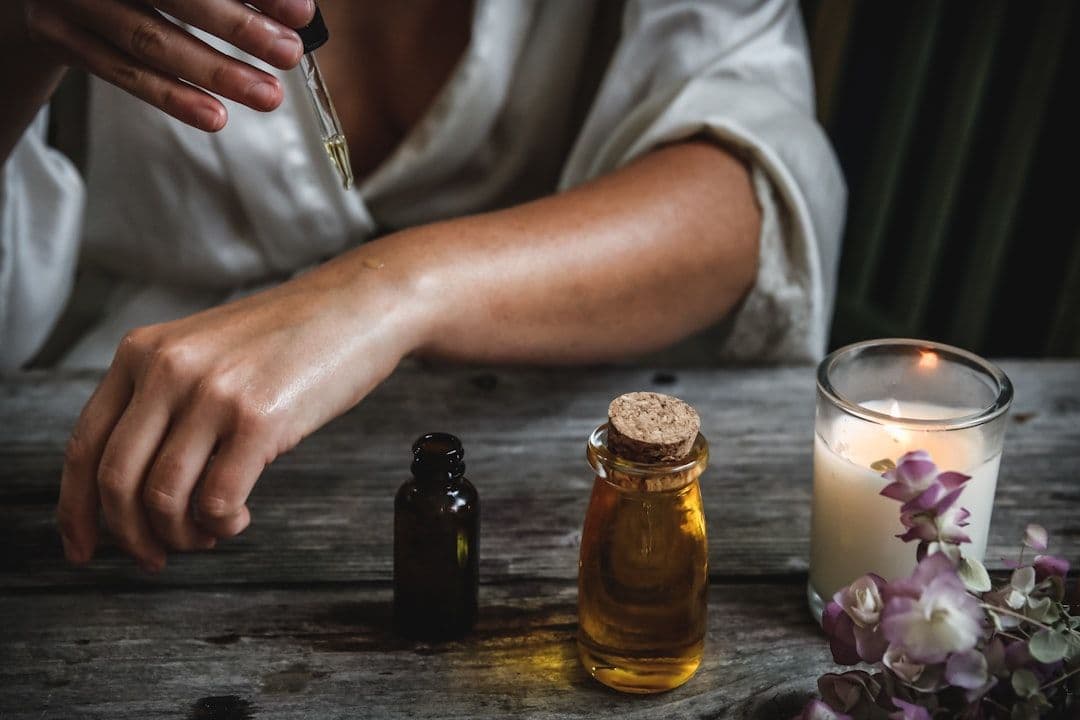
Essential oil therapy harnesses these concentrated aromatic compounds through three primary methods: inhalation (diffusers, steam, direct inhalation), topical application (massage oils, compresses, bath soaks), and occasionally internal use under practitioner guidance. Unlike the gentle infusions of herbal teas, essential oils contain volatile compounds at therapeutic concentrations — which means they require respect, proper dilution, and understanding of their potency.
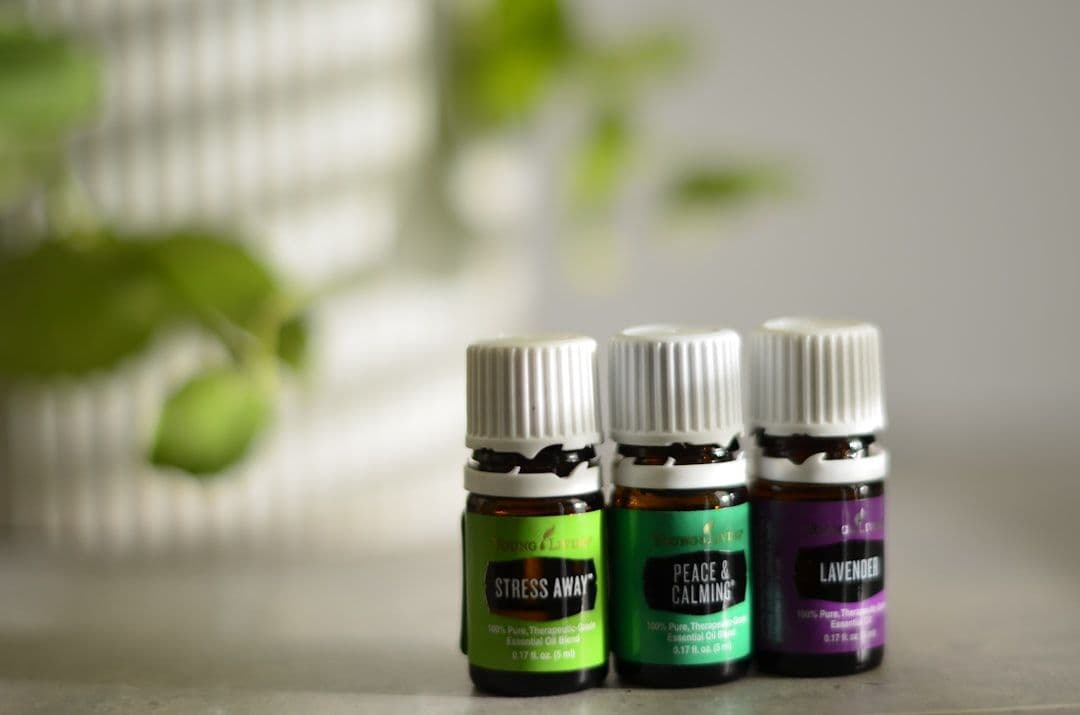
Practitioners select specific oils based on their traditional properties and the individual's needs. Lavender for calming, eucalyptus for respiratory support, tea tree for skin concerns. The approach emphasises both the biochemical properties of specific compounds and the more subtle effects of scent on mood and memory.
From Ancient Distillation to Modern Aromatherapy
Humans have extracted aromatic compounds from plants for millennia. Ancient Egyptians used cedar and myrrh in mummification, whilst traditional Chinese medicine incorporated aromatic herbs into healing practices. However, the steam distillation techniques that create modern essential oils emerged in medieval Persia, refined by scholars like Avicenna in the 11th century.
The term 'aromatherapy' was coined by French chemist René-Maurice Gattefossé in the 1930s after he discovered lavender oil's healing properties on a burn. This sparked scientific interest in essential oils' therapeutic potential. By the 1960s, French physician Jean Valnet was using essential oils in medical practice, whilst in Britain, Marguerite Maury developed aromatic massage techniques.
Today's essential oil therapy blends this historical knowledge with modern extraction methods and quality control. The practice has evolved from folk medicine into a structured approach taught through formal training programmes, though it remains outside mainstream medical practice in most countries.
How Plant Compounds Interact with the Body
Essential oils work through several pathways. When you inhale lavender, aromatic molecules travel through your nasal passages to olfactory receptors, which connect directly to the limbic system — the brain's emotional and memory centre. This explains why certain scents can instantly shift mood or trigger vivid memories.
Topical application allows compounds to penetrate skin and potentially enter circulation. Research shows some constituents like menthol from peppermint oil or linalool from lavender can be detected in blood after skin application. These compounds may then interact with various body systems.
From a biochemical perspective, many essential oil components have documented effects. Menthol activates cold receptors, creating cooling sensations. Eugenol from clove oil has demonstrated antimicrobial properties. Linalyl acetate in lavender appears to influence neurotransmitter activity, which may explain its calming effects.
However, the full picture remains complex. Essential oils contain dozens or hundreds of compounds working synergistically. This 'entourage effect' — where the whole is greater than the sum of its parts — makes it challenging to predict or standardise therapeutic outcomes.
Who Finds Essential Oil Therapy Helpful
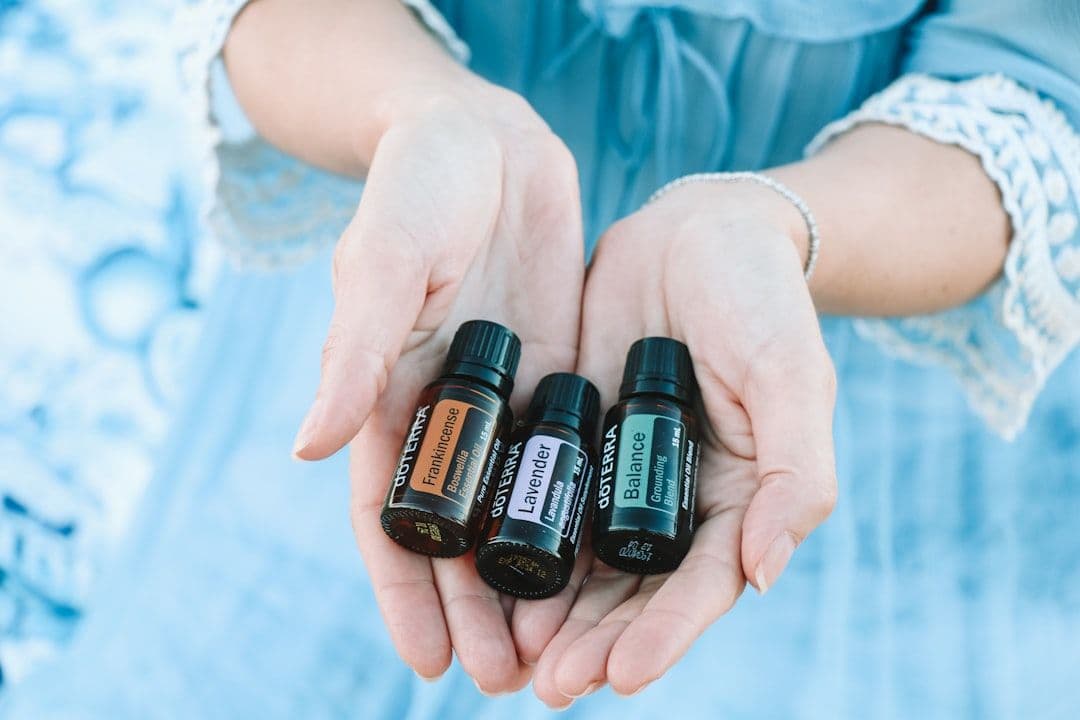
People often turn to essential oils when seeking natural support for stress management. Those dealing with work pressure, family responsibilities, or life transitions frequently report that diffusing calming oils like bergamot or frankincense helps create a more peaceful environment. The ritual of selecting and using oils can itself provide a sense of control and self-care.
Individuals with sleep difficulties represent another significant group. Whether struggling with racing thoughts at bedtime or seeking to improve sleep quality, many find that lavender or chamomile oils — either diffused in the bedroom or added to evening baths — support their wind-down routine.
Essential oils also appeal to those managing minor physical discomforts. Tension headaches, digestive upset, or respiratory congestion may prompt people to try peppermint inhalations, ginger compresses, or eucalyptus steam treatments. Whilst these applications don't replace medical care, they offer additional comfort measures that some find genuinely helpful.
What a Consultation Involves
An initial consultation with a qualified aromatherapist typically lasts 60-90 minutes. The practitioner begins by discussing your health history, current concerns, stress levels, and any medications you take. They'll ask about scent preferences and previous experiences with essential oils, as individual responses vary significantly.
The assessment includes practical considerations: your living situation (pets, children, ventilation), skin sensitivity, and lifestyle factors that might influence oil selection. A patch test for topical applications is standard practice.
Based on this information, the aromatherapist creates a personalised blend. This might involve selecting three to five oils for a massage blend, recommending specific oils for home diffusion, or creating an inhaler stick for on-the-go use. They'll provide detailed instructions for safe dilution ratios, application methods, and frequency of use.
Follow-up consultations, typically every 4-6 weeks, allow for adjustments based on your response. Some people notice immediate effects, particularly with inhalation methods, whilst topical applications for skin concerns may require several weeks of consistent use to evaluate effectiveness.
The Evidence Base
Clinical research on essential oils shows a mixed picture. Some oils have accumulated reasonable evidence for specific uses. Lavender inhalation studies consistently show anxiety-reducing effects, with several randomised controlled trials demonstrating statistically significant improvements in anxiety scores. Peppermint oil has been studied for digestive issues, with evidence supporting its use for irritable bowel syndrome symptoms.
Tea tree oil's antimicrobial properties are well-documented in laboratory studies and some clinical trials for skin conditions. Similarly, eucalyptus shows promise for respiratory symptoms, though most studies remain small-scale.
However, the broader therapeutic claims often exceed the evidence base. Many studies suffer from small sample sizes, inconsistent methodology, or lack of proper controls. The wide variation in oil quality and concentration between studies makes it difficult to draw firm conclusions about effectiveness.
Practitioner reports and patient experiences often describe benefits that haven't been captured in clinical trials. This gap between research and practice is common in complementary therapies, where individual responses vary considerably and the therapeutic relationship itself may contribute to outcomes.
Practical Considerations
Initial consultations with qualified aromatherapists typically cost £50-80, with follow-up sessions ranging from £40-60. High-quality essential oils vary significantly in price — expect to pay £8-15 for common oils like lavender or peppermint, whilst rose or sandalwood can cost £30-50 per small bottle. A basic starter kit with diffuser and several oils typically costs £80-120.
Look for practitioners certified by recognised bodies like the International Federation of Aromatherapists (IFA) or registered with the Complementary & Natural Healthcare Council (CNHC). Training requirements vary, but comprehensive programmes include anatomy, physiology, chemistry, and safety protocols alongside practical application techniques.
When purchasing oils, source from suppliers who provide gas chromatography-mass spectrometry (GC-MS) analysis reports, indicating the chemical composition of each batch. Avoid oils labelled as 'fragrance' or 'perfume oils' — these are synthetic and lack therapeutic properties.
Start slowly, especially if you're sensitive to scents or have respiratory conditions. Quality matters more than quantity; a few well-chosen oils from reputable sources will serve you better than a large collection of questionable quality. Most practitioners recommend beginning with gentle, well-tolerated oils like lavender before exploring more potent options.