Why Flow Yoga and Anxiety Are a Meaningful Match
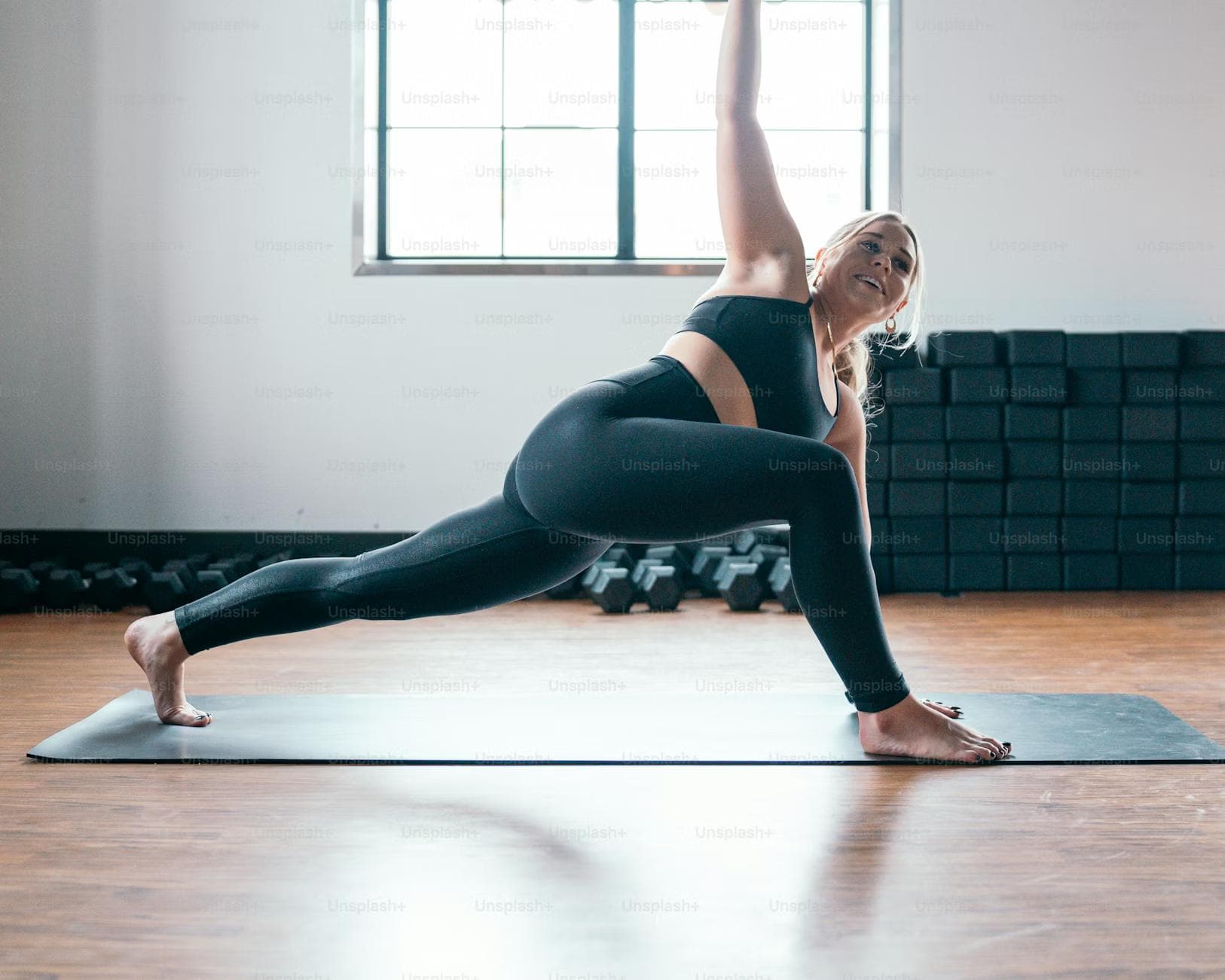
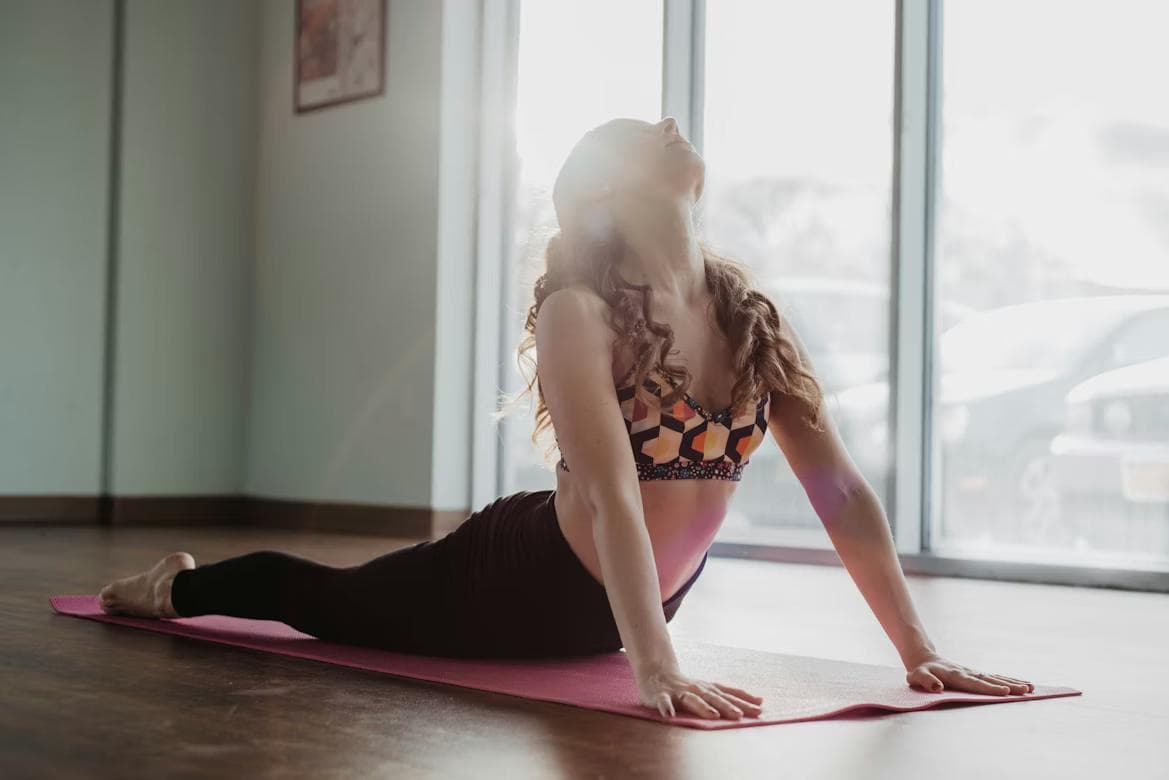
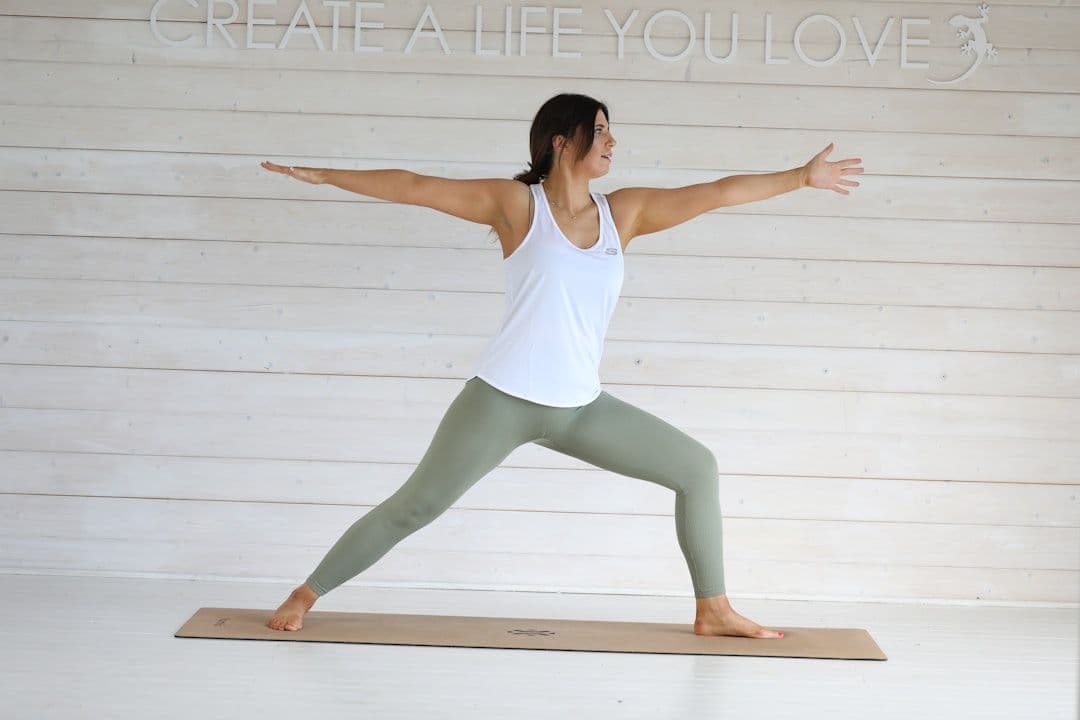
Anxiety is not just a mental experience — it lives in the body. Elevated cortisol, a tense jaw, shallow breathing, restless energy that cannot settle. Flow yoga addresses anxiety through multiple simultaneous pathways: the breath cues regulate the autonomic nervous system; the continuous movement discharges stored physical tension; and the requirement to track sequences in the present moment interrupts the ruminative thought loops that sustain anxiety.
What the Research Shows
A comprehensive 2018 meta-analysis by Cramer et al. — specifically examining yoga for anxiety across randomised controlled trials — found significant reductions in anxiety symptoms compared to control conditions. Effect sizes were in the small-to-moderate range, consistent with other mind-body interventions. A 2015 systematic review by Pascoe and Bauer confirmed cortisol reduction and improved mood measures across yoga styles. Most research uses broader 'yoga' categories rather than flow specifically, but the mechanisms driving benefit — breath regulation, movement and mindfulness — are all central to flow yoga.
The Breath-Movement Connection
In flow yoga, each movement is anchored to either an inhalation or exhalation. This synchronisation is not incidental — it is the core mechanism. Controlled, extended exhalation activates the parasympathetic nervous system, directly counteracting the stress response. When this breath pattern is embedded in physical movement, the body learns to associate movement with calm rather than with effort or threat. Over time this association generalises beyond the mat.
Flow Yoga Versus Slower Yoga Styles for Anxiety
The evidence does not clearly favor one yoga style over another for anxiety. Slower practices such as Yin or Restorative yoga offer deep parasympathetic activation through sustained stillness. Flow yoga offers a different entry point — for people whose anxiety manifests as physical restlessness, the continuous movement of flow provides a structured outlet before stillness becomes accessible. Both have value; the best style is the one the individual will practice consistently.
Realistic Expectations
Flow yoga is not a cure for anxiety and should not be positioned as one. Effects are real but modest — meaningful as part of a broader approach. Most research shows benefits emerging with 2–3 sessions per week over 6–8 weeks of sustained practice. Single sessions produce temporary relief; the deeper nervous system regulation develops with consistency.
When to Seek Additional Support
If anxiety is significantly affecting daily functioning, relationships or work, professional support is important. Flow yoga is an excellent complement to cognitive-behavioral therapy, medication or other professional interventions — but should not delay or replace appropriate clinical assessment for clinical anxiety presentations.