What it is
Flow Yoga links breath to movement, weaving poses into dynamic, meditative sequences.
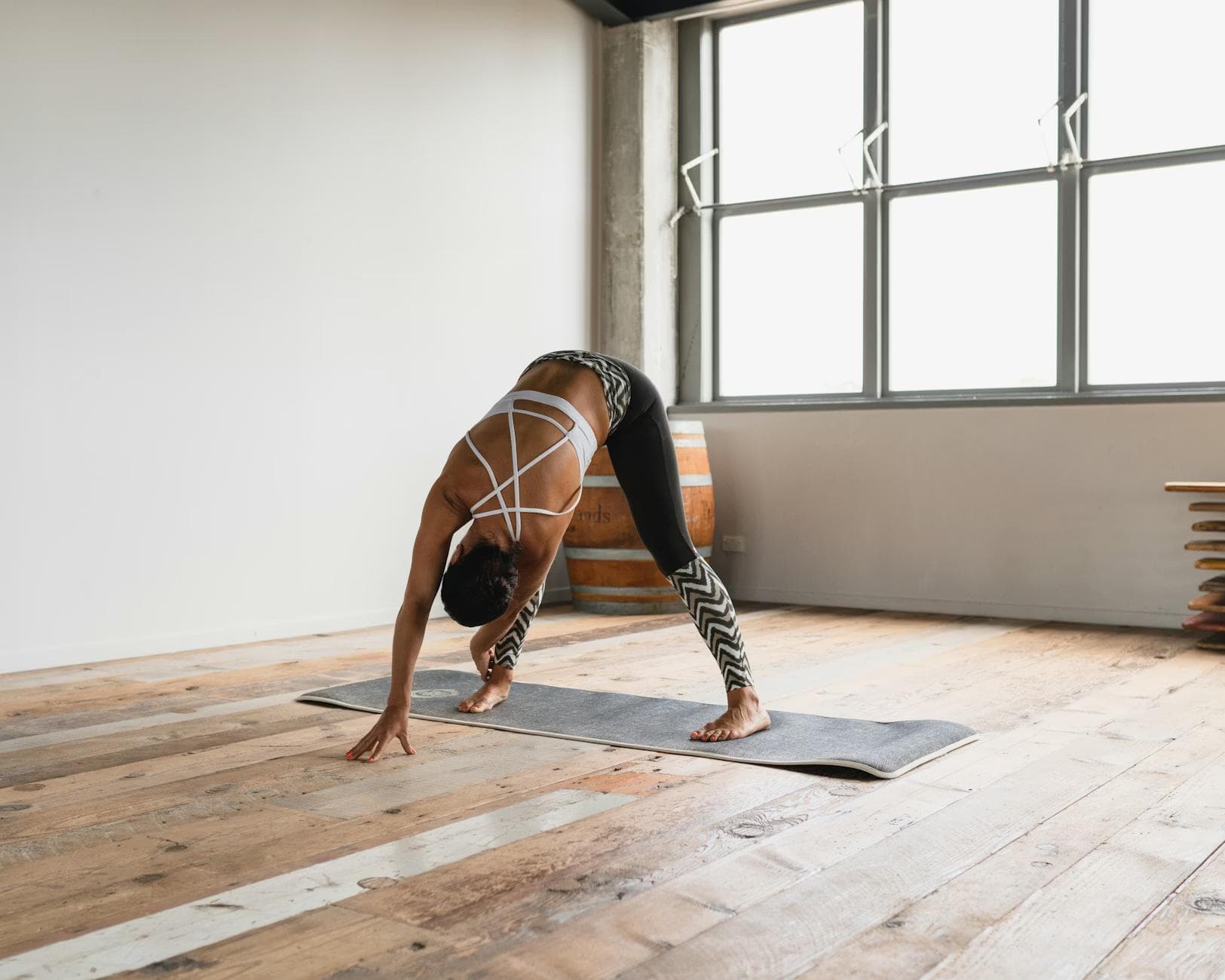
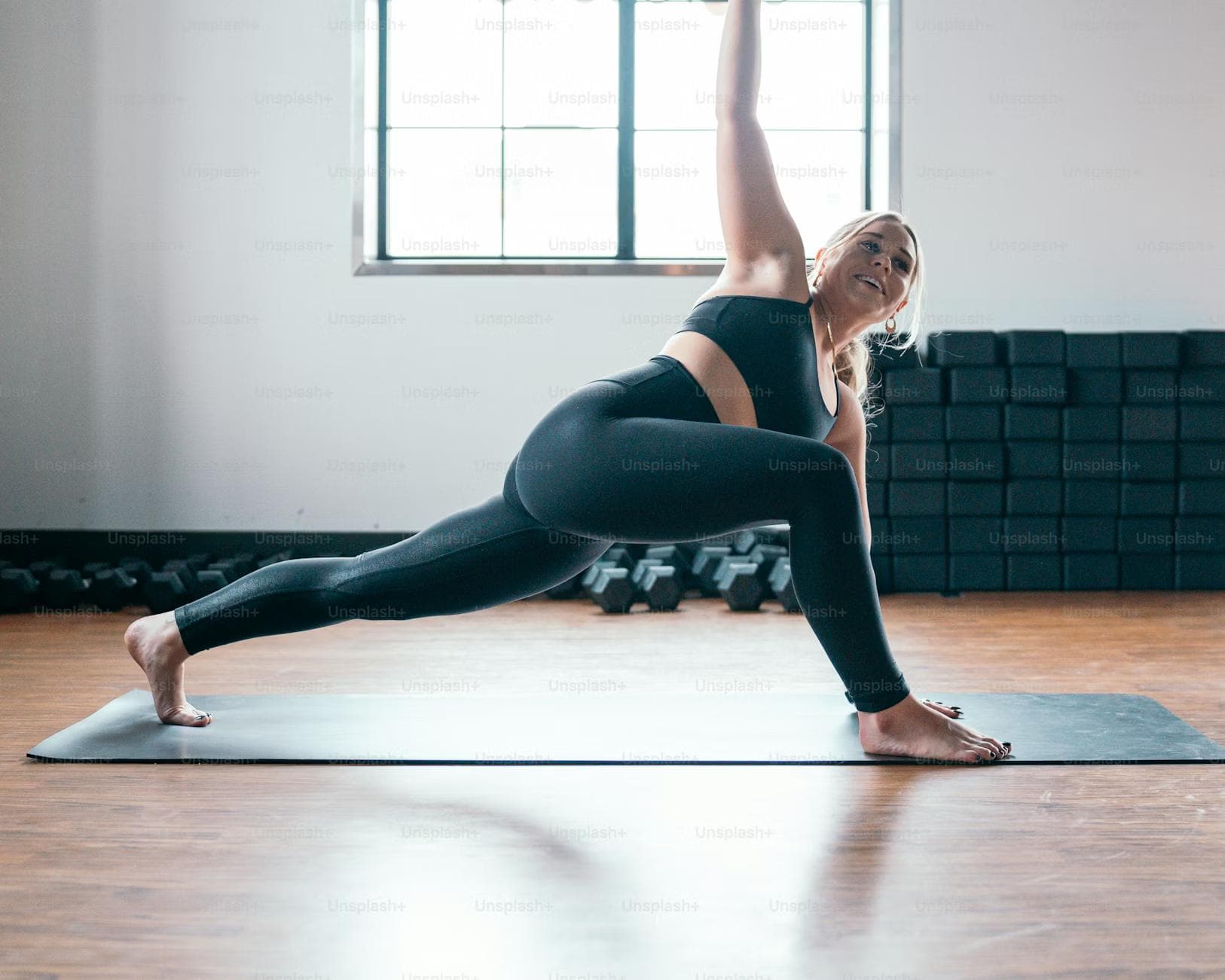
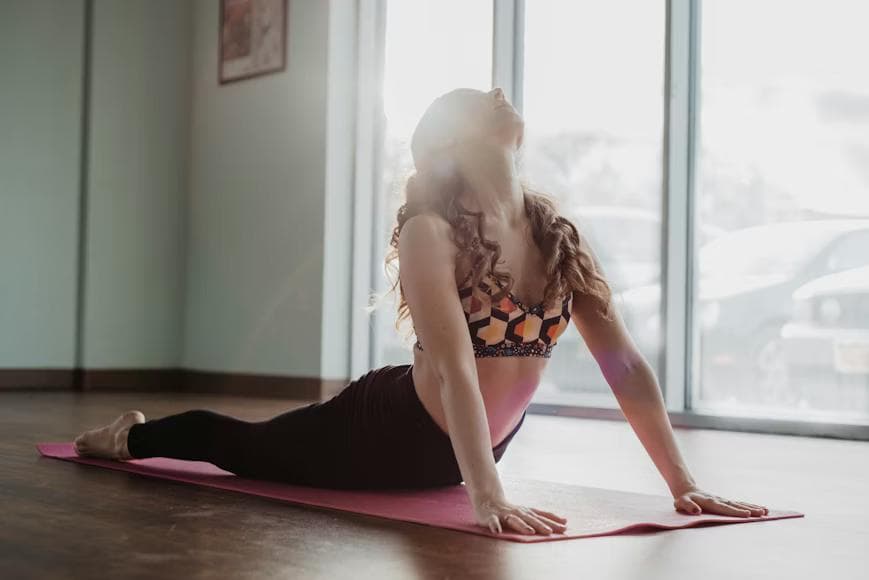
Flow Yoga (Vinyasa) is a dynamic yoga practice that synchronizes breath with continuous, flowing movement sequences
At a glance
What it is
Flow Yoga links breath to movement, weaving poses into dynamic, meditative sequences.
Why explore it
It may ease stress, boost fitness, and improve sleep, flexibility, and mental clarity.
How it’s experienced
Each breath cues a transition, with classes ranging from slow to vigorous over 45 to 75 minutes.
Evidence context
Early research shows moderate promise for stress and flexibility, though evidence is still growing.
See the evidence snapshotSafety
Generally safe for healthy adults, but beginners should start gently and consult a doctor if needed.
See staying safeHistory & Origin
Flow Yoga is a yoga practice that emphasizes fluid and continuous movement, promoting physical and mental well-being.
Flow Yoga, known formally as Vinyasa Yoga, emerged in the late 19th and early 20th centuries as a modern evolution of traditional yoga practices. While classical yoga texts such as the Yoga Sutras date back thousands of years, the dynamic flowing sequences characteristic of Vinyasa were developed and popularized by Sri Krishnamacharya, a legendary yoga master based in Mysore, India. Krishnamacharya integrated breathing techniques with sequential asanas (poses) to create a practice that was both physically demanding and spiritually grounding, departing from the more static, meditative poses of classical yoga.
Krishnamacharya's approach influenced several influential students who spread Flow Yoga throughout the Western world during the mid-20th century. His students, including K. Pattabhi Jois (who developed Ashtanga Vinyasa), Indra Devi, and B.K.S. Iyengar, each adapted and refined the practice, making it accessible to diverse populations. Pattabhi Jois, in particular, systematized Vinyasa into the structured Ashtanga practice, which became foundational for many modern Flow Yoga classes.
Flow Yoga gained significant momentum in Western countries from the 1960s onward, coinciding with increased interest in Eastern philosophies and holistic wellness. Influential teachers and studios in cities like New York, Los Angeles, and London adapted Vinyasa to suit Western preferences, emphasizing physical fitness benefits alongside spiritual development. Today, Flow Yoga is one of the most widely practiced yoga styles globally, offered in studios, gyms, wellness centers, and online platforms, appealing to practitioners of all ages and fitness levels.
Mechanism
Flow Yoga is usually understood through movement, breath, attention, and repeated practice. A session may invite the body to explore safer patterns, steadier pacing, or a more settled relationship with sensation. Some traditions describe this as balancing energy or awareness, while contemporary explanations may focus on coordination, nervous system regulation, mobility, and confidence. Experiences vary by person, teacher, setting, and consistency. Flow Yoga synchronises breath with sequential movement through poses (asanas), creating a continuous, rhythmic practice where each inhale and exhale cues the next transition.
Your first visit
A typical session outline to help you feel prepared
Flow Yoga weaves breath and movement into a continuous, meditative sequence of poses designed to leave you feeling grounded, open, and refreshed.
Your instructor greets you and asks about any injuries, physical limitations, or prior yoga experience so the class can be tailored to feel comfortable and safe for your body.
You'll unroll your mat, gather any props like blocks or straps, and settle into a comfortable seated or reclined position while the room quiets and soft music begins.
Class opens with a few minutes of stillness, guiding you to close your eyes, deepen your breathing, and begin syncing your inhales and exhales to a steady rhythm that will carry you through the whole practice.
You'll move through slow, accessible movements like Cat-Cow and gentle spinal rolls to warm the body, awaken the joints, and introduce the breath-to-movement connection that defines Flow Yoga.
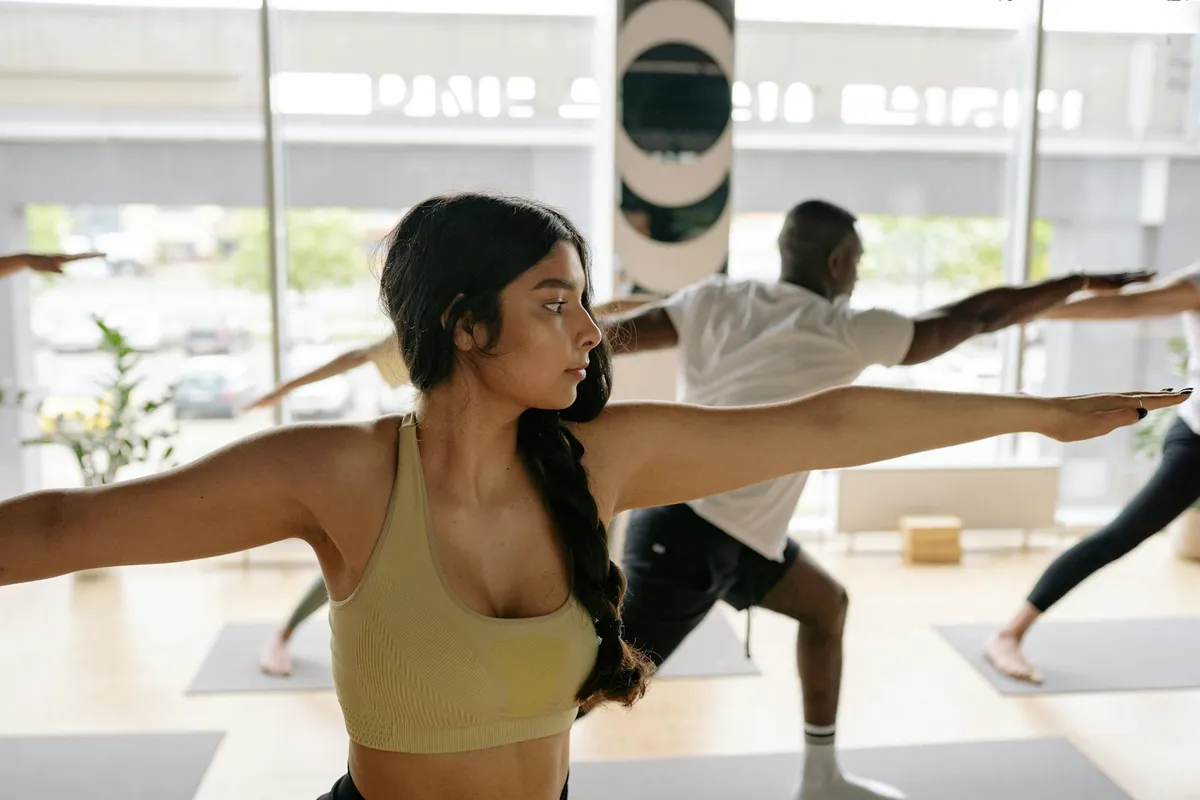
The heart of class builds through linked standing poses such as Warrior sequences and lunges, flowing one into the next on the breath so the practice feels like one long, moving meditation rather than separate postures.
The sequence works toward a peak moment, often a deeper stretch or balance challenge, before transitioning into floor-based poses that release tension in the hips, hamstrings, and spine.
Movement slows considerably as you move through restorative stretches and gentle twists, signaling to your nervous system that it is time to shift from effort into ease.
Class ends with several minutes of Savasana, lying still on your back while your body absorbs the practice. Your instructor may offer a quiet word or gentle bell before inviting you to slowly return to sitting.
The Evidence
What research currently shows about Flow Yoga, where the evidence is strong, and where important gaps remain.
A growing body of research with meaningful limitations
Studies on Vinyasa and related yoga styles support benefits for stress, flexibility, and cardiovascular markers, but many trials are small, lack active control groups, and the heterogeneity of yoga practices makes it hard to isolate Flow Yoga specifically.
Trials on Vinyasa and related flowing yoga styles show reliable associations with reduced stress markers, improved flexibility, and modest cardiovascular benefit. Evidence for psychological well-being and certain pain conditions is also encouraging. Most findings are consistent in direction, but effect sizes vary and few studies compare yoga to equivalent exercise rather than to no intervention.
Many studies enrol self-selected, motivated participants who may not represent the general population. The wide variation in class intensity, duration, and instructor approach makes it difficult to define what 'Flow Yoga' means across studies. Publication bias likely inflates positive results, and blinding participants to a yoga intervention is inherently impossible.
As an Alternative modality, Flow Yoga is not positioned as a substitute for professional assessment or medical management. It is most usefully understood as a structured physical and mindfulness practice that can sit alongside conventional care, particularly for stress-related concerns, musculoskeletal health, and general conditioning.
The flowing breath-linked sequences characteristic of Flow Yoga were systematised by Sri Krishnamacharya in Mysore and later spread globally through students including K. Pattabhi Jois and B.K.S. Iyengar. This modern synthesis drew on classical yoga philosophy while adapting it for physical training, making it distinct from purely meditative or static yoga traditions.
People with spinal injuries, severe osteoporosis, uncontrolled blood pressure, or recent surgery should consult a healthcare provider before beginning. Beginners are advised to start with gentle or beginner-level classes. Instructors should be informed of any relevant health conditions, and participants should not push through sharp or unfamiliar pain.
Yoga teacher training standards vary internationally, so it is worth seeking instructors with recognised credentials and experience relevant to your health needs. If you have a specific condition such as chronic pain or a musculoskeletal issue, a teacher with therapeutic yoga training or a recommendation from your healthcare provider can help ensure the practice is appropriately adapted.
Safety first
General guidance to help you decide whether this approach is appropriate for you. This is informational only and not a substitute for medical, psychological, or professional advice.
If you are experiencing severe distress, suicidal thoughts, psychosis, acute trauma, or another serious mental health concern, seek qualified support first.
This approach is not suitable for diagnosis, treatment instructions, or decisions that require medical, legal, financial, or professional advice.
Look for clear boundaries, transparent pricing, and practitioners who avoid fear-based claims or pressure to book frequent sessions.
Treat any insight as one reflective perspective, not absolute truth. Important decisions should be considered with appropriate professional support.
For you?
A simple, human way to weigh it up. This is general guidance, not personal medical advice — a qualified practitioner can advise on your situation.
Gyfts is a discovery platform, not a medical provider. Nothing here diagnoses, treats or replaces professional care. In an emergency, contact your local emergency number.
Explore approaches
Other practices people often explore alongside flow yoga.
In their words
FAQ
A typical 60-90 minute class begins with centering and breathing exercises, progresses through linked sequences of standing, balancing, and floor poses synchronized with your breath, and concludes with gentle stretches and relaxation (Savasana). The practice flows continuously, with transitions between poses integrated as movement rather than held separately.
Most practitioners notice improvements in flexibility and reduced tension after 4-8 sessions, with stress reduction benefits emerging within 2-4 weeks of consistent practice. Significant strength gains and postural improvements typically develop over 8-12 weeks of 2-3 sessions weekly. Benefits continue to accumulate with ongoing practice.
Yes, Flow Yoga welcomes beginners, though starting with beginner-level or gentle classes is recommended. Instructors provide modifications for all poses, and you can rest when needed. Avoid jumping directly into advanced or hot yoga classes if you are new to practice.
Flow Yoga can support weight management as part of a comprehensive approach including balanced nutrition and adequate sleep. While more vigorous Vinyasa flows burn calories and build metabolism-boosting muscle, weight loss results depend heavily on overall lifestyle factors. Some styles of Flow Yoga are more cardiovascular than others.
Wear comfortable, breathable clothing that allows full movement, such as yoga pants, leggings, or shorts paired with a t-shirt or tank top. Most studios provide mats; if bringing your own, use a non-slip yoga mat. Water bottle and small towel are helpful. Remove shoes before entering the practice space.
Flow Yoga has roots in traditional yoga philosophy and can include spiritual elements such as breathing practices, meditation, and intention-setting. However, modern Flow Yoga is often taught as a physical fitness practice without explicit spiritual teachings. The spiritual dimension is optional and varies by instructor, studio, and individual preference.
Flow Yoga (Vinyasa) emphasizes continuous, linked movement synchronized with breath. It differs from Hatha yoga (slower, held poses), Yin yoga (long-held passive stretches), Restorative yoga (deeply relaxing, prop-supported), and other styles that prioritize static positioning or healing. Ashtanga Vinyasa follows a set sequence; other Flow classes offer variety in pose order.
Many people with back pain benefit from Flow Yoga, as it can improve spinal mobility and strengthen supporting muscles. However, you must inform your instructor of your condition, as certain poses may need modification or avoidance. Consult your healthcare provider first if pain is acute or severe.
References
Educational sources that inform this overview. Inclusion is for context and does not imply endorsement.
Full citations are maintained by the Gyfts editorial team and reviewed periodically.
Keep exploring
Browse practitioners, explore honest overviews, and take what you learn to a conversation — at your own pace.