Current Research Landscape
Hand massage research occupies a relatively small corner of the broader massage therapy literature. Most studies have focused on specific populations — particularly older adults with arthritis, healthcare workers experiencing stress, or patients in clinical settings requiring comfort measures.
The research base consists primarily of pilot studies, small randomised controlled trials, and observational studies. Sample sizes typically range from 20 to 80 participants, with few studies exceeding 100 subjects. Study durations vary considerably, from single-session interventions measuring immediate effects to programmes lasting several weeks.
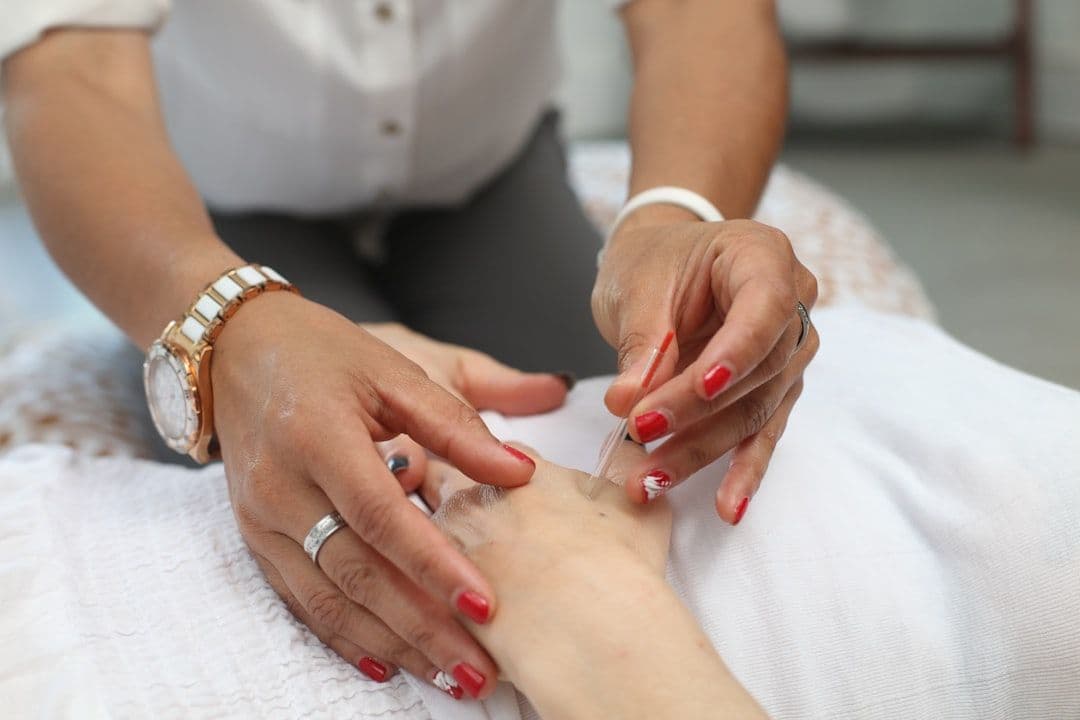
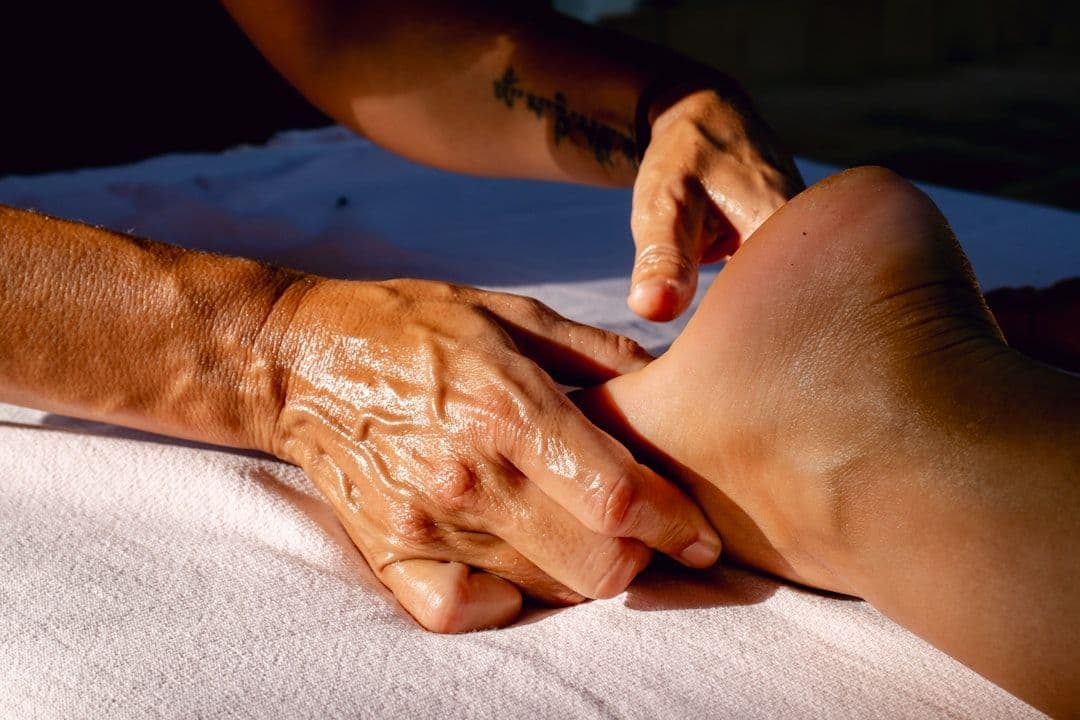
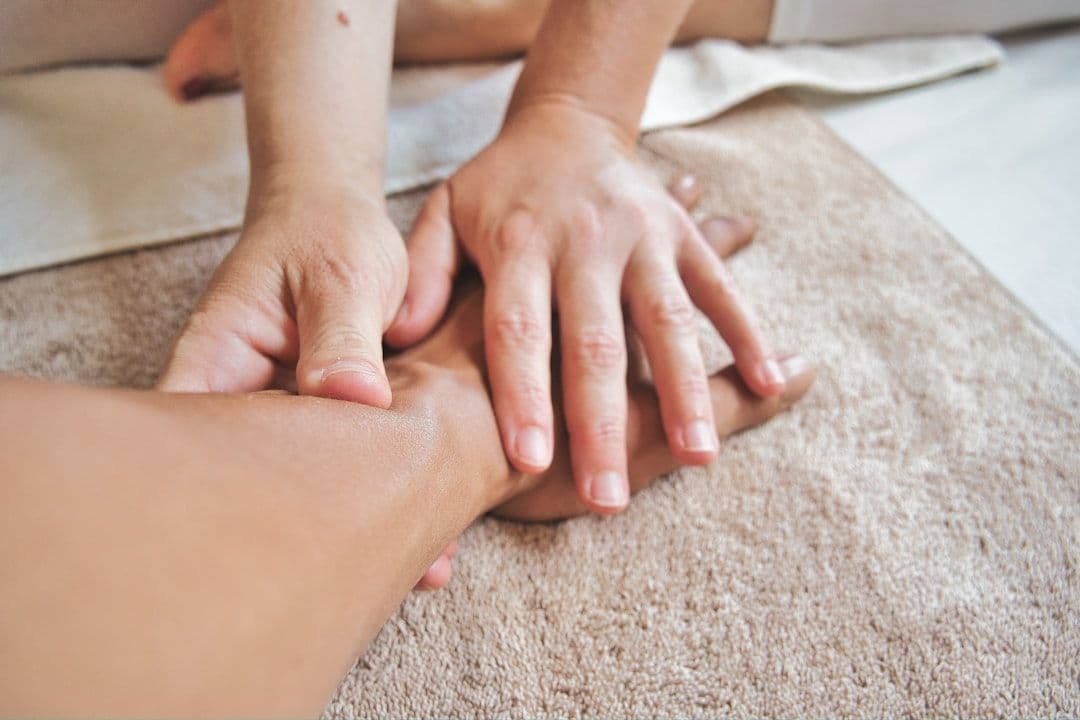
Protocols differ markedly between studies. Some focus purely on Swedish massage techniques applied to hands and forearms, whilst others incorporate elements from reflexology or Traditional Chinese Medicine approaches. Session lengths range from 10 to 30 minutes, and the training background of practitioners varies from qualified massage therapists to nurses with basic instruction.
Strongest Evidence: Arthritis and Acute Stress
The most consistent findings relate to osteoarthritis of the hands. Several small trials have reported reductions in pain scores and improvements in grip strength following hand massage interventions. One randomised trial of 58 participants found that twice-weekly hand massage sessions over four weeks led to significantly reduced pain compared to a control group receiving no treatment.
For acute stress relief, preliminary evidence suggests hand massage may activate parasympathetic nervous system responses. Studies measuring cortisol levels, heart rate variability, and self-reported anxiety have found short-term improvements following single hand massage sessions. However, these studies typically involve healthy volunteers in controlled settings rather than people experiencing chronic stress.
Some research has examined hand massage in healthcare settings, particularly for patients undergoing medical procedures or experiencing hospitalisation-related anxiety. These studies generally report positive patient satisfaction scores and modest reductions in anxiety measures, though the clinical significance remains unclear.
Research Limitations and Methodological Gaps
Several factors limit confidence in current findings. Sample sizes are consistently small, reducing statistical power and generalisability. Most studies lack adequate control groups — comparing hand massage to no treatment rather than to other forms of touch or attention.
Blinding presents particular challenges. Participants obviously know when they're receiving massage, and practitioner variability introduces another confounding factor. Few studies have attempted to standardise techniques or control for practitioner experience and skill level.
Outcome measures vary significantly between studies, making it difficult to compare findings or conduct meaningful meta-analyses. Some research relies heavily on self-reported outcomes without objective measures, whilst others focus on physiological markers that may not translate to clinically meaningful improvements.
Publication bias represents another concern. Small positive studies are more likely to be published than null findings, potentially creating an overly optimistic picture of effectiveness. The lack of large, well-funded trials suggests limited commercial or institutional interest in developing this evidence base.
Evidence-Supported Benefits Versus Uncertain Claims
Based on available research, hand massage appears to offer modest, short-term benefits for hand pain and immediate stress relief. The evidence supports its use as a comfort measure that may temporarily reduce discomfort and promote relaxation.
What remains uncertain is whether benefits persist beyond the immediate post-treatment period. Most positive findings relate to outcomes measured immediately after sessions or within 24 hours. Long-term benefits for chronic conditions like arthritis have not been established through rigorous research.
Claims about improved circulation, enhanced immune function, or broader systemic health benefits lack substantial evidence. Whilst hand massage may temporarily increase local blood flow, research has not demonstrated clinically significant circulatory improvements or broader health impacts.
The reflexology-based claims that hand massage affects distant organs or body systems through reflex points remain unsupported by clinical evidence, though practitioners and patients may value these approaches within their own frameworks of understanding.
Research Priorities and Future Directions
Larger randomised controlled trials with adequate sample sizes represent the most pressing research need. Studies involving 200-300 participants would provide sufficient power to detect clinically meaningful differences and allow for subgroup analyses.
Standardised protocols and practitioner training would improve research quality and enable meaningful comparisons between studies. Establishing minimum competency requirements and standardised techniques could reduce variability that currently confounds results.
Longer follow-up periods are essential to determine whether any benefits persist over time. Research examining maintenance protocols — how frequently hand massage might need to be provided to sustain benefits — would inform practical implementation.
Comparative effectiveness research could help position hand massage within the broader landscape of pain management and stress reduction interventions. Head-to-head comparisons with other non-pharmacological approaches would provide valuable information for both practitioners and patients considering their options.