What Hand Massage Actually Involves
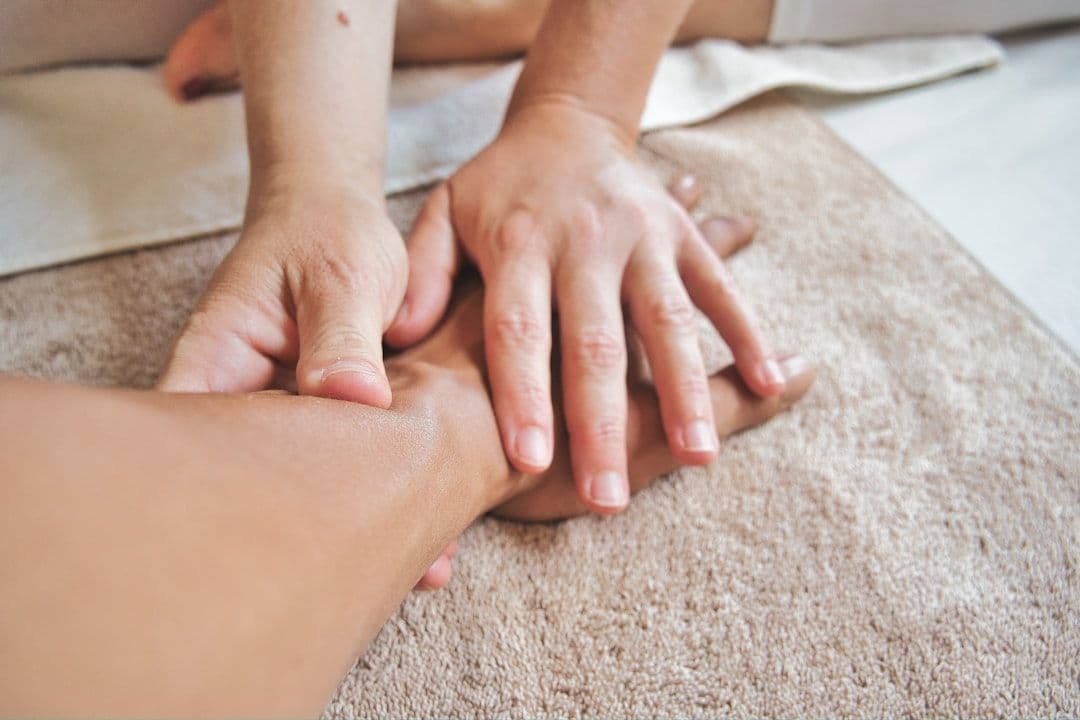
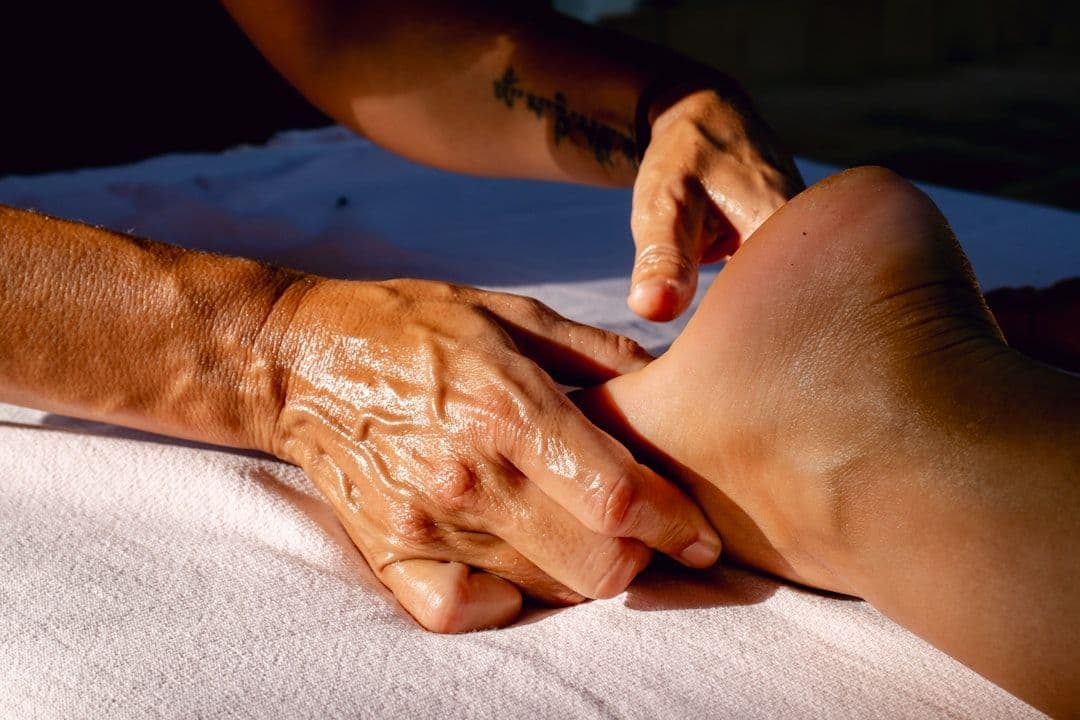
Your practitioner's thumbs work methodically across your palm, applying firm pressure to the fleshy mound beneath your thumb before moving to trace circles around each knuckle. They might stretch your fingers gently backwards, then forwards, or use their knuckles to apply deeper pressure along your forearm muscles. The session feels surprisingly substantial for such a small body area.
Hand massage targets the complex network of muscles, tendons, and pressure points concentrated in your hands, fingers, wrists, and forearms. Practitioners use techniques ranging from gentle stroking to firm kneading, often incorporating principles from reflexology and Traditional Chinese Medicine that view the hands as maps of the broader body.
Unlike a quick hand rub with moisturiser, therapeutic hand massage involves systematic attention to specific anatomical structures and reflex points. Sessions typically address both the mechanical aspects of muscle tension and the energetic principles underlying traditional healing systems.
From Ancient Maps to Modern Practice
Hand massage draws from multiple cultural traditions that recognised the hands' therapeutic potential. Traditional Chinese Medicine practitioners have long worked with acupressure points in the hands, believing they connect to organ systems throughout the body. Similarly, reflexology traditions map the entire body onto the hands and feet, using targeted pressure to influence distant areas.
The practice gained particular prominence in Korean hand acupuncture, where practitioners developed detailed hand maps corresponding to body organs and systems. This tradition views the hands as microcosms of the entire body, making them accessible points for therapeutic intervention.
Modern hand massage has evolved to incorporate Western massage techniques alongside these traditional approaches. Contemporary practitioners often blend Swedish massage strokes with acupressure point work, creating treatments that address both muscular tension and the reflex relationships emphasised in traditional systems.
How the Techniques Work
From a physiological perspective, hand massage stimulates mechanoreceptors in the skin and deeper tissues, potentially triggering the body's natural pain-relief mechanisms through what researchers call the 'gate control theory' of pain. The mechanical pressure and rhythmic movements increase local blood flow, which may help reduce inflammation and promote tissue repair.
The hands contain particularly dense concentrations of nerve endings, making them highly responsive to touch-based interventions. When practitioners apply pressure to specific points, they're stimulating these nerve pathways, which may send signals to the spinal cord and brain that compete with pain signals.
Traditional explanations focus on energy flow and reflex relationships. Within Traditional Chinese Medicine frameworks, practitioners understand hand massage as working with qi (life energy) flowing through meridians that connect the hands to organs throughout the body. Reflexology traditions similarly view pressure applied to hand points as influencing corresponding body areas through neural pathways and energetic connections.
Who Might Find Relief
Office workers who spend hours typing often develop tension in their forearms and hands that responds well to targeted massage. The repetitive motions of computer work create specific patterns of muscle tightness and trigger points that hand massage can address directly.
People with arthritis frequently report benefits from gentle hand massage, particularly when combined with range-of-motion exercises. The increased circulation and muscle relaxation may help reduce stiffness and improve joint mobility, though individuals should work with practitioners experienced in working with arthritic hands.
Those experiencing chronic pain conditions sometimes find hand massage provides a accessible form of relief that doesn't require undressing or lengthy sessions. The concentrated nerve density in the hands means that even brief treatments can trigger broader relaxation responses throughout the body.
What to Expect During Treatment
Sessions typically begin with the practitioner assessing your hands for areas of tension, temperature differences, or sensitivity. They'll often start with gentle warming strokes before progressing to more specific techniques targeting problem areas.
Expect to spend 15-30 minutes having each hand worked systematically. Your practitioner might use oils or lotions to reduce friction, though some techniques work better on dry skin. They'll likely address your forearms as well, since many hand problems originate in the muscle groups that control finger movement.
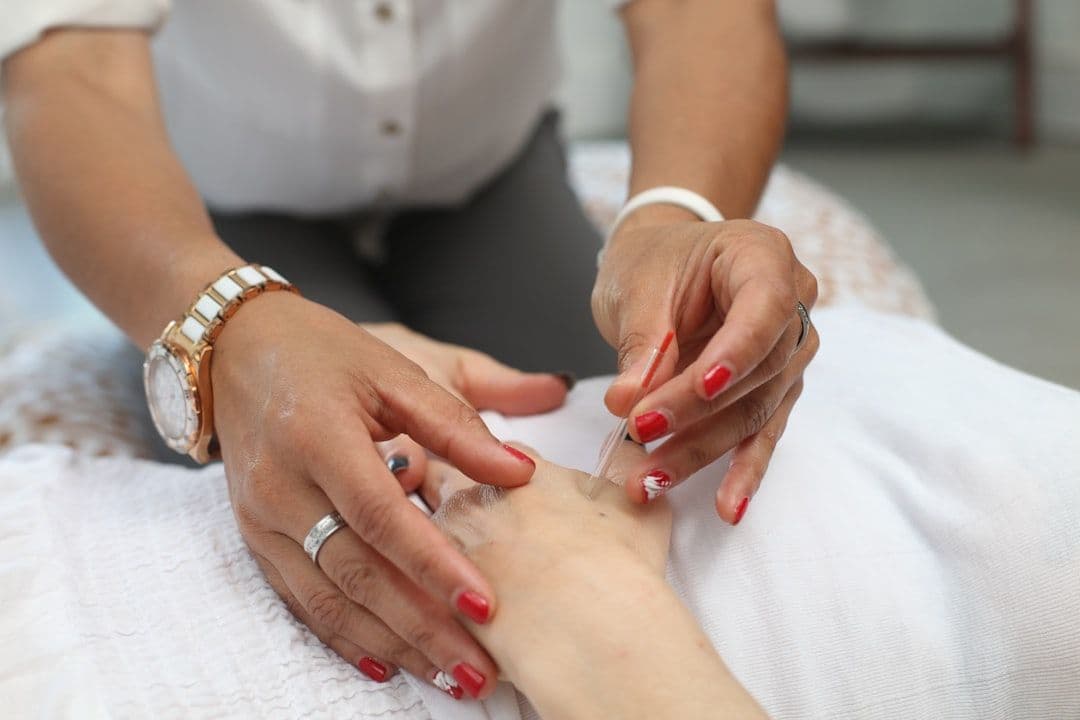
Many practitioners combine pure massage techniques with acupressure point work, holding specific points for 30-60 seconds. You might feel sensations ranging from pleasant pressure to mild discomfort at particularly tight spots. Some points may create sensations that seem to travel up your arm or into your fingers.
The Developing Evidence Base
Early research suggests hand massage may offer measurable benefits, particularly for specific populations. A small study of older adults with arthritis found that regular hand massage reduced pain scores and improved grip strength over an eight-week period. However, the study involved only 25 participants and lacked a proper control group.
Several pilot studies have examined hand massage for people with dementia, finding improvements in agitation and sleep quality. These studies show promising trends but involve small sample sizes and short follow-up periods, making it difficult to draw definitive conclusions about long-term effectiveness.
The strongest evidence exists for circulation benefits. Thermal imaging studies show increased blood flow to the hands following massage, and some research suggests this effect may persist for several hours post-treatment. However, whether these circulation changes translate to meaningful clinical benefits requires further investigation through larger, well-designed trials.
Practical Considerations
Hand massage sessions typically cost £25-50 for a 30-minute treatment, though prices vary significantly by location and practitioner qualifications. Many massage therapists include hand work as part of longer sessions, which may offer better value.
Look for practitioners with qualifications from recognised bodies like the Federation of Holistic Therapists (FHT) or the Complementary & Natural Healthcare Council (CNHC). Those with additional training in reflexology or Traditional Chinese Medicine may offer more specialised approaches.
Many people find hand massage most beneficial when practised regularly rather than as one-off treatments. Some practitioners teach simple self-massage techniques you can use between sessions. Weekly treatments for 4-6 weeks often provide a good starting point for assessing whether this approach suits your needs.