Before You Arrive
Remove all jewellery from your hands and wrists before your appointment — rings, watches, and bracelets will need to come off for the practitioner to work effectively. Wash your hands thoroughly, but avoid applying hand cream or oils beforehand as these can interfere with the practitioner's grip and technique.
Wear comfortable clothing with sleeves that can be easily rolled up to your elbows. The practitioner will need access to your forearms as well as your hands. Avoid caffeine for an hour before your session if possible, as this can make you more sensitive to pressure and less able to relax fully.
Arrive a few minutes early to complete any intake forms and discuss your specific concerns — whether that's repetitive strain, stiffness, or general stress relief. Let your practitioner know about any recent injuries, chronic conditions affecting your hands, or particular areas of discomfort.
The Session Unfolds
You'll be seated comfortably in a chair with your arms supported, either at a small table or with the practitioner seated across from you. Some practitioners work with you lying on a massage table, arms at your sides. The room is typically quiet with soft lighting, though you can request adjustments to your comfort.
Your practitioner begins with a visual assessment of your hands, noting any swelling, discolouration, or areas of obvious tension. They'll start with gentle warming strokes along your forearms, gradually working down to your wrists. This initial phase lasts about five minutes and helps you settle into the experience.
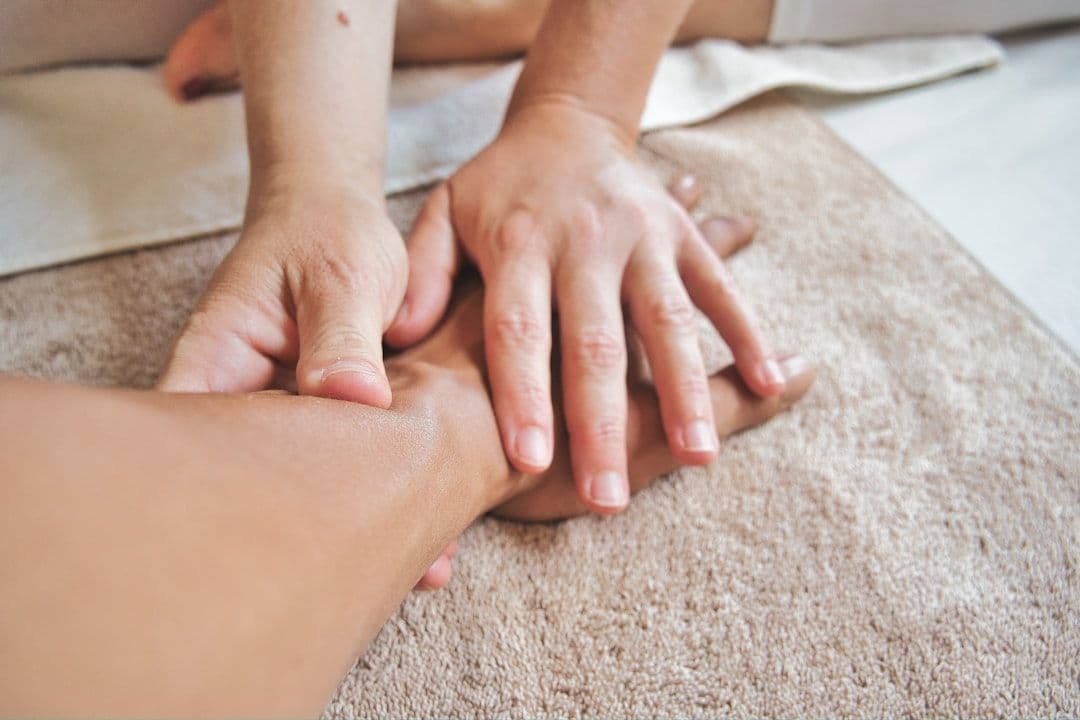
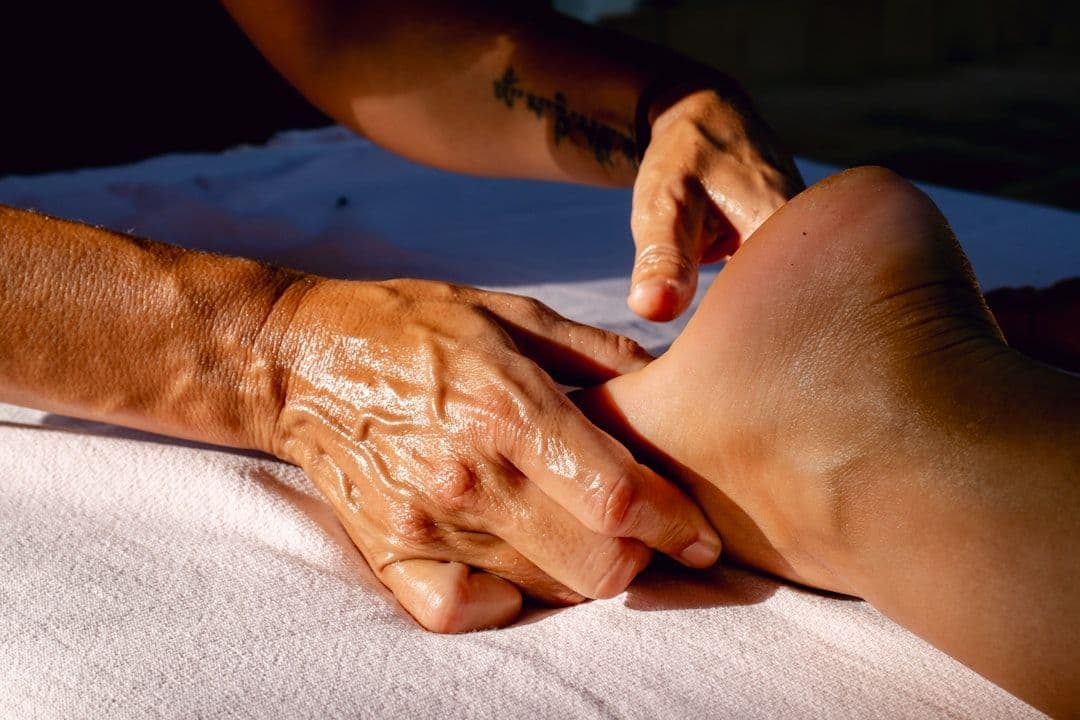
The main work focuses on your palms, using thumb pressure to work methodically across the palm surface. You'll feel firm, circular movements as the practitioner addresses each section. Finger work comes next — each digit stretched, rotated, and massaged from base to tip. This detailed attention to fingers often takes 10-15 minutes per hand.
Many practitioners incorporate reflexology principles, applying specific pressure to points believed to correspond with different body systems. You might experience momentary intensity at these spots, followed by a releasing sensation. The session concludes with gentle stroking movements that help integrate the work.
What You Might Feel
During the session, expect warmth to build in your hands as circulation increases. Many people report tingling sensations, particularly in fingertips, as blood flow improves. Areas of tension may feel temporarily tender under pressure before releasing into relief.
Your breathing often deepens naturally as the parasympathetic nervous system activates. Some people experience emotional release — tears or sighs aren't uncommon as physical tension dissolves. Others feel energised rather than relaxed, particularly if circulation has been sluggish.
Immediately afterwards, your hands typically feel warmer, more flexible, and lighter. This sensation can extend up your arms. The relaxation response may make you feel slightly drowsy or, conversely, more mentally clear. These immediate effects usually last two to four hours, though some people notice benefits for several days.
Post-Session Care
Drink plenty of water over the next few hours to support the body's natural detoxification processes that massage can stimulate. Your hands may feel slightly tender the next day — this is normal and indicates the tissues have responded to the work.
Avoid heavy gripping activities for the rest of the day if possible. If you've had intensive work on repetitive strain issues, give your hands gentle movement rather than immediately returning to the activities that caused the original tension.
Some practitioners recommend simple hand stretches or exercises to maintain the benefits. Others suggest applying warmth — a hot water bottle or warm gloves — if your hands tend to stiffen after massage. Notice how long the effects last, as this information helps your practitioner adjust future sessions.
Building Your Programme
Most practitioners recommend weekly sessions initially, particularly for specific concerns like repetitive strain or stiffness. Acute issues may benefit from more frequent work — twice weekly for two to three weeks — before spacing out to maintenance sessions.
For general relaxation and circulation support, fortnightly or monthly sessions often prove sufficient. Those managing chronic conditions like arthritis typically find regular monthly sessions help maintain comfort and mobility.
A typical course involves four to six sessions, allowing time to assess your response and adjust techniques accordingly. Many people choose to continue with regular sessions as part of their broader health maintenance, particularly if their work or lifestyle creates ongoing hand tension.