What it is
Hands-on kneading and pressure applied to your hands and forearms to ease tension and stiffness.
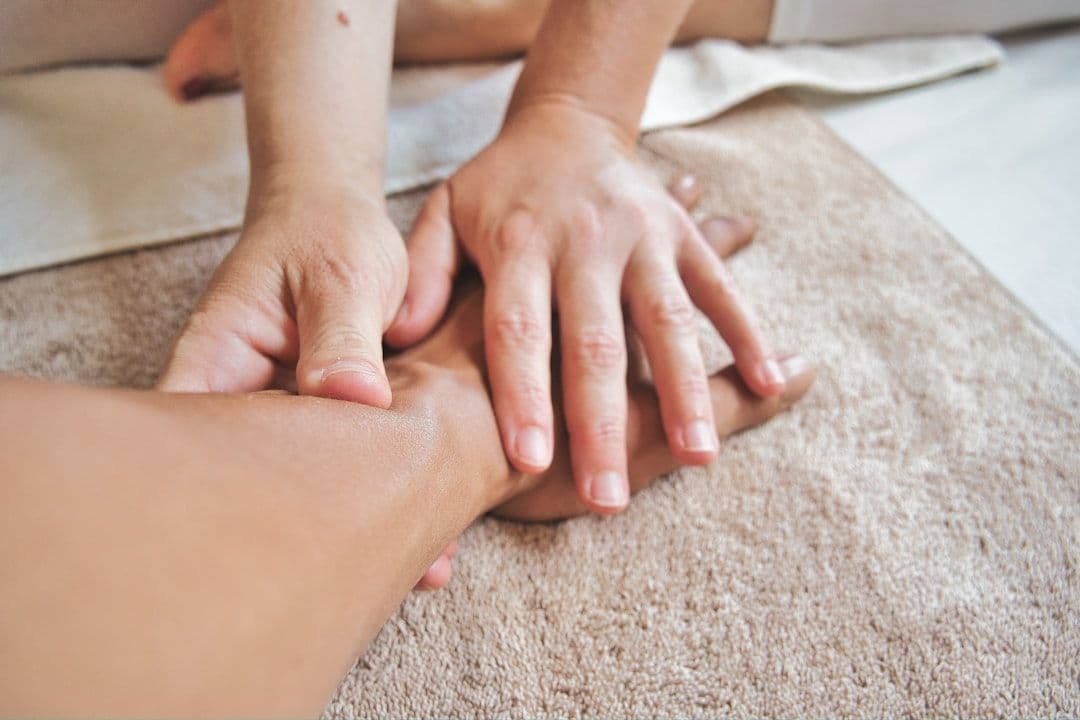
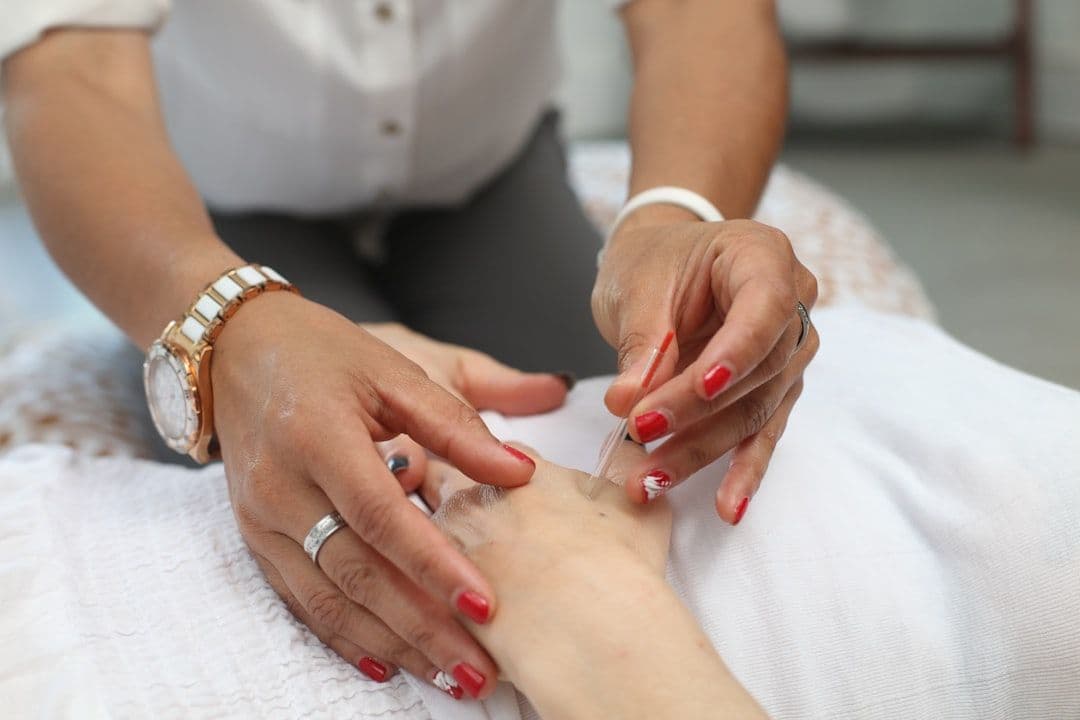
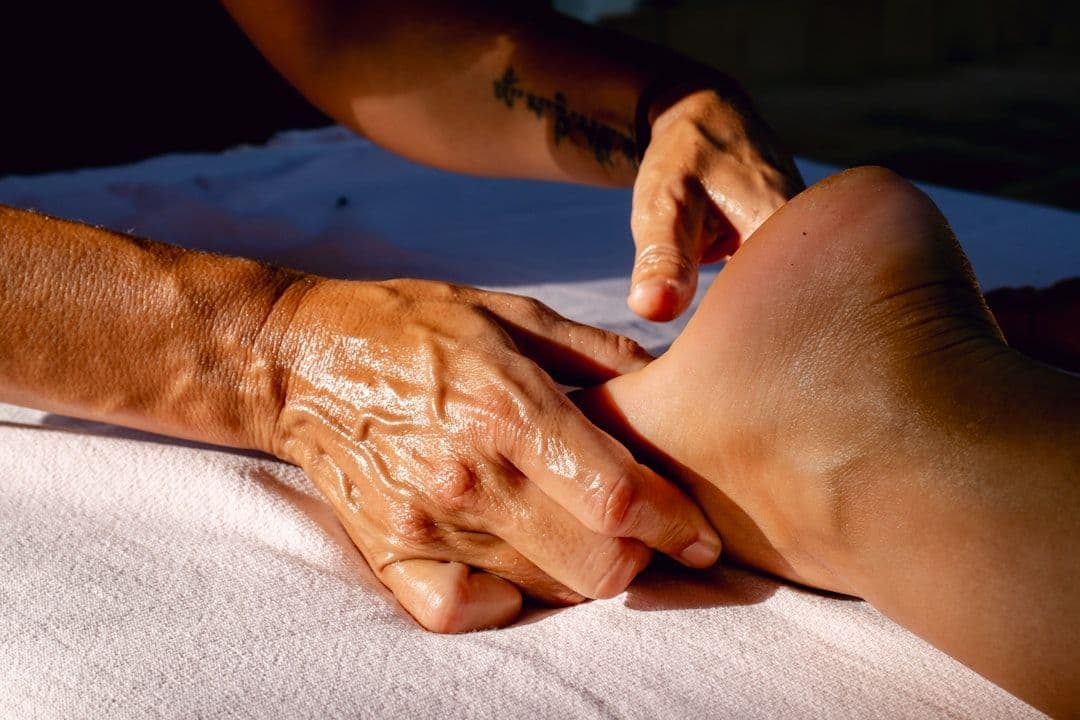
Hand massage is a focused massage therapy technique that targets the hands, fingers, wrists, and forearms to relieve tension and promote ...
At a glance
What it is
Hands-on kneading and pressure applied to your hands and forearms to ease tension and stiffness.
Why explore it
May help with hand strain, arthritis stiffness, carpal tunnel discomfort, and everyday stress relief.
How it’s experienced
A therapist uses kneading, gliding, and gentle pressure on your hands and forearms during each session.
Evidence context
Research is still emerging and preliminary, so talk with your provider about what may work for you.
See the evidence snapshotSafety
Low risk for most, but get medical clearance first if you have recent surgery, fractures, or infections.
See staying safeHistory & Origin
Hand Massage is a massage therapy technique that focuses on massaging and relaxing the hands and fingers.
Hand massage draws from ancient therapeutic traditions found across multiple cultures, including Traditional Chinese Medicine, Ayurveda, and European massage practices. In Traditional Chinese Medicine, the hands have been recognized for centuries as containing meridian pathways and reflex points connected to organ systems and overall health. Similar concepts appear in reflexology, which developed more formally in the early 20th century through practitioners like Eunice Ingham, who mapped reflex zones on the hands and feet corresponding to body organs.
Modern hand massage as a discrete therapeutic modality emerged from the broader integration of massage therapy into Western complementary health during the late 20th century. Practitioners began isolating hand-focused techniques to address the increasing prevalence of hand strain from typing, repetitive work, and modern occupational demands. The technique combines classical Swedish massage principles—including effleurage, petrissage, and compression—with acupressure and reflex point stimulation adapted specifically for hand anatomy.
Hand massage gained particular attention in occupational health and ergonomic wellness programs as a preventive and therapeutic tool for computer-related strain injuries and repetitive stress conditions. Its accessibility, requiring minimal equipment and space, made it suitable for workplace wellness initiatives and clinical settings. Today, hand massage is offered in spas, therapeutic massage clinics, wellness centers, and increasingly in integrative healthcare environments alongside other complementary modalities.
Mechanism
Hand Massage is generally described as working through skilled touch, careful pacing, and the body's response to pressure, movement, warmth, or stillness. Practitioners may focus on muscle tone, joint comfort, circulation, breath, or relaxation depending on the method. Traditional explanations may also include energy flow or whole-person balance. Research support varies by modality, so the experience is best framed as supportive care with outcomes that vary. Hand massage works through manual pressure and rhythmic movements applied to the hands and fingers, stimulating nerve endings and increasing blood flow to the area.
Your first visit
A typical session outline to help you feel prepared
A hand massage session is a focused, hands-on experience that brings relief to one of the most overworked parts of your body, blending gentle techniques with targeted pressure.
Your therapist will greet you and ask a few quick questions about your hand health, daily activities like typing or manual work, and any areas of soreness, stiffness, or discomfort you want to focus on.
The therapist will take a brief look at your hands, noting things like skin condition, swelling, or range of motion, so they can tailor the pressure and techniques to suit you comfortably.
You'll sit in a comfortable chair or recline slightly with your hands resting on a cushion or the therapist's lap. No need to undress — just relax your arms and let your hands go limp.
A small amount of warm lotion or massage oil is smoothed over your hands and wrists, which reduces friction and starts to soften the skin and muscles before deeper work begins.
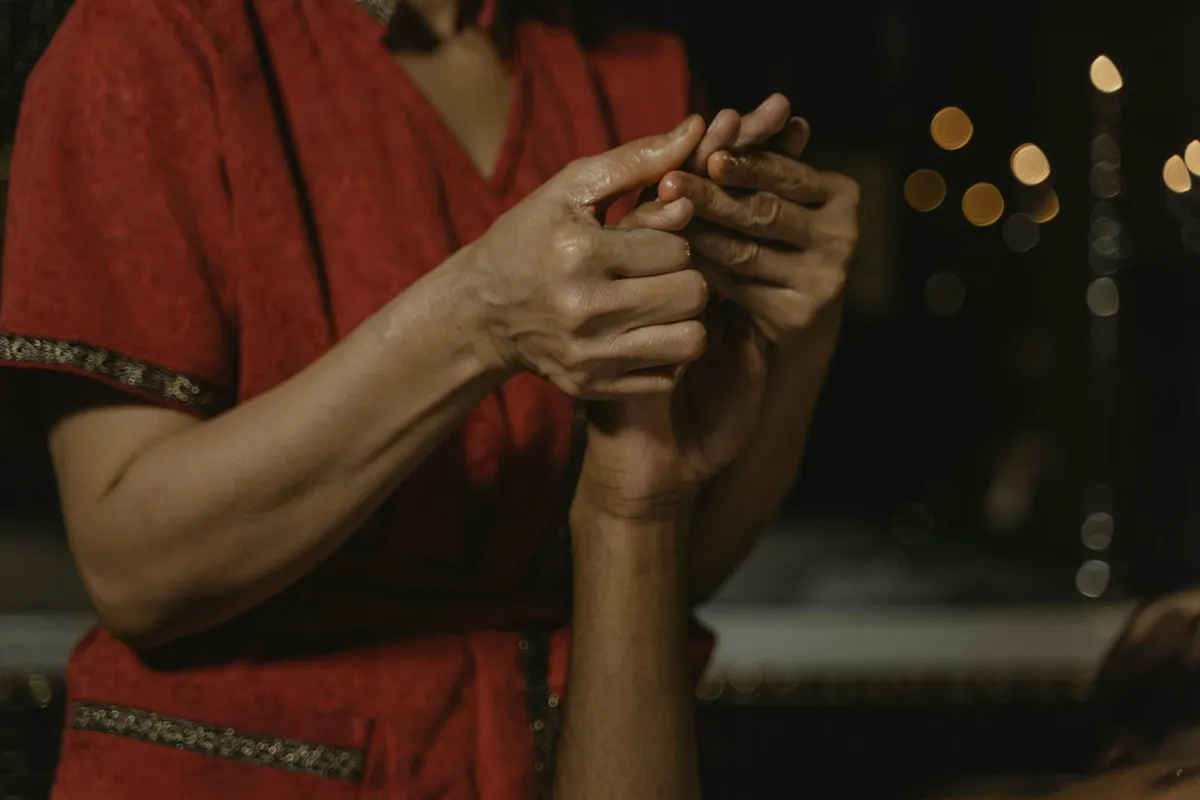
The therapist works through each finger individually using gentle pulling and rotating movements, then moves into the palm using kneading and circular strokes to release built-up tension in the small muscles.
Attention shifts to your wrists and lower forearms, where the therapist uses stretching and long gliding strokes to ease tightness that often travels up from overworked hands.
Focused pressure is applied to specific points on the palm, thumb base, and wrist that are linked to tension and circulation, which may create a satisfying deep-pressure sensation or mild tingling.
The session closes with slow, soothing strokes to help your hands settle, and your therapist will share simple stretches or self-care tips you can use at home to maintain the benefits between sessions.
The Evidence
What research says about hand massage, where evidence is strong, where it is limited, and how it fits within a broader care picture.
Promising signals, but dedicated research remains limited
Hand massage draws on a well-established broader massage therapy literature, with specific studies showing benefits for pain, grip strength, and relaxation. Research dedicated solely to hand massage is limited in scale and methodological quality, so findings should be interpreted with appropriate caution.
Small studies suggest hand massage may reduce pain, improve grip strength, and support range of motion in arthritis populations. Broader massage therapy research provides a plausible mechanistic foundation. However, many studies lack blinding and adequate sample sizes, so confidence in specific outcome claims should remain measured.
Evidence for hand massage in arthritis-related hand pain and repetitive strain is mixed but generally supportive for symptom relief and mobility. Carpal tunnel research shows modest short-term benefits. Hand massage is best understood as a supportive approach alongside, not instead of, professional assessment and management for these conditions.
Beyond local tissue effects, hand massage may activate the parasympathetic nervous system, supporting a broader relaxation response. This positions it as a holistic tool relevant to stress, occupational strain, and general wellbeing — not only localised hand complaints. Its low risk profile makes it accessible as part of a wider self-care or complementary health routine.
Therapeutic attention to the hands appears across multiple ancient traditions, including Traditional Chinese Medicine meridian theory and reflexology's mapped reflex zones. Modern hand massage as a discrete practice emerged in the late 20th century, integrating classical Swedish techniques with these older frameworks. Traditional rationale and clinical evidence are distinct and should not be conflated.
Avoid massage over active infections, open wounds, acute inflammation, or recent fractures. Those on blood thinners, with neuropathy, or recovering from hand surgery should consult a healthcare provider before starting. For moderate arthritis, light pressure is generally well tolerated, but deep work should be carefully graded by a qualified practitioner.
Most hand massage studies are small, short-term, and lack rigorous controls. Outcome claims beyond relaxation and mild symptom relief are not yet well supported by high-quality evidence. Hand massage is not a substitute for professional assessment of persistent or unexplained hand pain, and inflated outcome claims from any provider should be viewed critically.
Safety first
General guidance to help you decide whether this approach is appropriate for you. This is informational only and not a substitute for medical, psychological, or professional advice.
If you are pregnant, managing a health condition, recovering from injury or surgery, or taking medication, consult a qualified healthcare professional first.
Some situations call for extra care or a different approach. Share any conditions, injuries, or sensitivities with your practitioner before your first session.
Look for clear boundaries, transparent pricing, and practitioners who avoid fear-based claims or pressure to book frequent sessions.
Mild, short-lived effects such as tenderness, tiredness, or temporary soreness can occur. Rest, hydrate, and tell your practitioner how you respond.
For you?
A simple, human way to weigh it up. This is general guidance, not personal medical advice — a qualified practitioner can advise on your situation.
Gyfts is a discovery platform, not a medical provider. Nothing here diagnoses, treats or replaces professional care. In an emergency, contact your local emergency number.
Explore approaches
Other practices people often explore alongside hand massage.
In their words
FAQ
During hand massage, you should expect to feel varying levels of pleasant pressure, warmth, and relaxation. Your practitioner will work through your fingers, palm, wrist, and forearm using techniques that may feel soothing, gently releasing, or mildly stimulating depending on the approach. Many people report feeling tension melting away, improved mobility in their fingers and wrist, and a sense of calm. Some experience mild temporary soreness in previously tense areas, similar to what follows other massage work. If anything feels painful rather than therapeutic, communicate with your practitioner immediately.
Many people notice immediate relaxation and improved circulation after a single session. However, for chronic hand tension, repetitive strain, or arthritis-related discomfort, a series of sessions typically produces more sustained benefit. A common recommendation is 4-8 weekly or bi-weekly sessions, followed by maintenance visits as needed. The exact number depends on your condition, how your body responds, and your goals. Your practitioner will assess your progress and adjust recommendations accordingly.
Hand massage can be beneficial for many people with arthritis, as it may improve circulation, reduce pain, and maintain mobility. However, it must be performed carefully with appropriate pressure and technique. Always inform your practitioner about your specific arthritis diagnosis and severity. Gentle, supported techniques are generally preferred over deep pressure. Some people with osteoarthritis find significant relief, while those with severe inflammation or rheumatoid arthritis in acute flare may need to wait. Consult your rheumatologist if you have concerns about whether hand massage is appropriate for your situation.
Hand massage may provide symptom relief for mild to moderate carpal tunnel syndrome by reducing muscular tension in the forearm and wrist, improving circulation, and releasing pressure on the median nerve. Many people report reduced pain and improved function. However, if your carpal tunnel is severe or worsening, it requires medical evaluation and may need medical intervention. Hand massage works best as part of a comprehensive approach including ergonomic modifications, stretching, and medical management if needed. Discuss with your healthcare provider whether massage is appropriate for your specific condition.
For acute issues or stress relief, a single session or monthly maintenance may suffice. For chronic conditions like occupational strain or arthritis, weekly sessions for 4-8 weeks often produces better results, transitioning to bi-weekly or monthly maintenance. Some people benefit from regular sessions (monthly or quarterly) as preventive care, particularly if their work involves repetitive hand use. Your practitioner will recommend a schedule based on your condition, response to treatment, and goals. You can also learn self-massage techniques to extend benefits between professional sessions.
Hand massage focuses on relieving tension, improving circulation, and supporting hand function through massage techniques applied to muscles, tendons, and joints. Hand reflexology operates on the principle that specific points and zones on the hands correspond to organs and systems throughout the body, and stimulating these points promotes healing systemically. While both involve hand work and can be deeply relaxing, they differ in philosophy and technique. Some practitioners combine elements of both. If you're interested in a particular approach, ask your practitioner which method they primarily use.
Yes, self-massage can be very effective and convenient. Your practitioner can teach you techniques during your session or provide guidance on simple self-massage approaches. Basic techniques include gentle stroking, finger-by-finger massage, palm kneading, and gentle stretching. Self-massage works well for maintenance and daily tension relief, though it cannot fully replicate the therapeutic benefit of having another person work on your hands, as you cannot fully relax your own muscles while actively massaging them. Combining professional sessions with regular self-massage often provides optimal benefits.
Hand massage is generally very safe with minimal side effects. Some people experience mild temporary soreness in previously tense areas (similar to other massage work), slight fatigue as the body relaxes, or occasionally mild swelling if circulation is significantly improved. These effects are typically mild and resolve quickly. Rarely, people with sensitivity to touch or trauma histories may find deep hand work emotionally activating. If you have concerns or experience unusual reactions, inform your practitioner. Staying hydrated after your session can help your body process the effects optimally.
References
Educational sources that inform this overview. Inclusion is for context and does not imply endorsement.
Full citations are maintained by the Gyfts editorial team and reviewed periodically.
Keep exploring
Browse practitioners, explore honest overviews, and take what you learn to a conversation — at your own pace.