The Research Landscape: Individual Ingredients vs Complete Protocols
The evidence base for herbal facials exists in two distinct streams that rarely converge. Dermatological research has extensively studied individual plant compounds — salicylic acid from willow bark, azelaic acid from grains, retinoids from various plant sources — with many now forming the backbone of conventional skincare. Yet research specifically examining herbal facial treatments as complete therapeutic protocols remains surprisingly sparse.
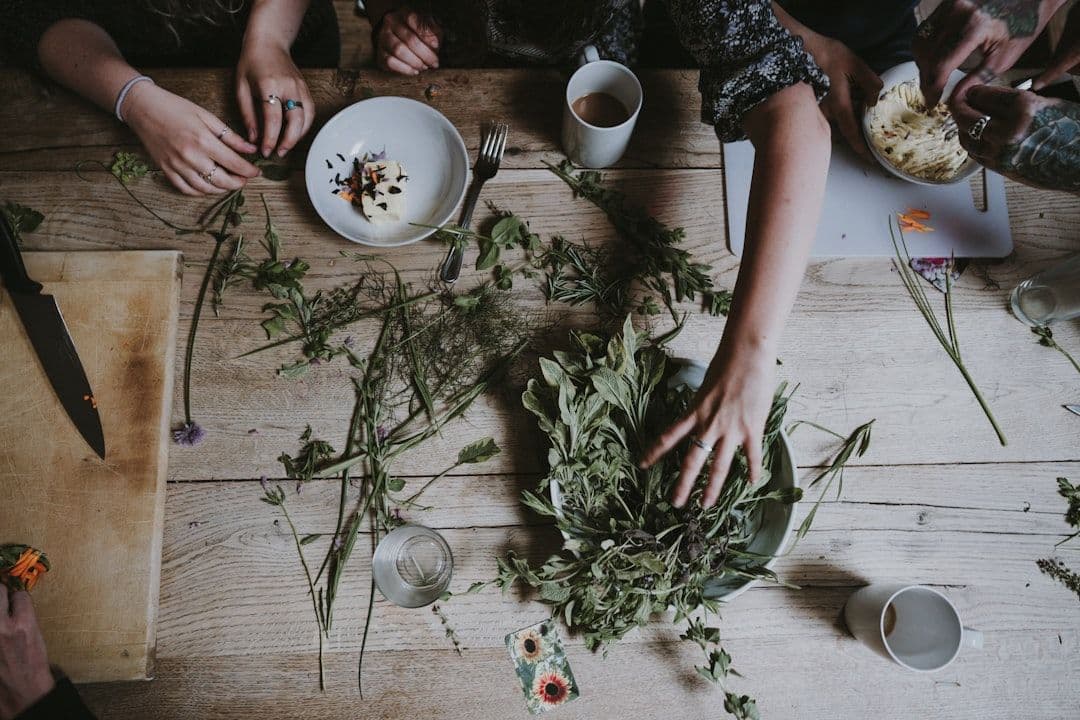
This gap reflects the complexity of studying multi-component botanical preparations. A typical herbal facial might incorporate calendula-infused cleansers, chamomile steam, clay masks with lavender, and rosehip oil — creating variables that challenge conventional research design. Most clinical studies in dermatology focus on single active compounds at standardised concentrations, making them unsuitable for evaluating the synergistic effects that herbalists consider central to their practice.
The few studies that do examine herbal facial treatments tend to be small-scale investigations, often conducted in spa or clinical settings with limited control groups. These preliminary studies typically measure subjective outcomes like skin texture, hydration levels, or participant satisfaction rather than addressing specific dermatological conditions.
What Modern Research Does Support
Individual herbal ingredients commonly used in facial treatments have substantial research backing. Chamomile extracts demonstrate anti-inflammatory properties in multiple randomised controlled trials, with one notable study of 161 participants showing significant improvement in eczematous skin compared to placebo. Green tea polyphenols have been studied extensively, with systematic reviews indicating photoprotective effects and potential benefits for acne-prone skin.
Calendula preparations show wound-healing properties in clinical trials, though most research focuses on post-surgical applications rather than routine skincare. Aloe vera gel has been examined in over thirty clinical studies, with moderate evidence for moisturising effects and some support for treating minor inflammatory skin conditions.
What emerges from this research is validation for many traditional ingredient choices, even if the specific combinations and application methods used in herbal facials haven't been directly studied. The anti-inflammatory, antimicrobial, and moisturising properties documented for individual herbs provide a scientific foundation for understanding why these treatments might benefit skin health.
Research Limitations and Knowledge Gaps
The most significant limitation in herbal facial research is the methodological challenge of studying complex, individualised treatments within conventional research frameworks. Herbalists typically customise ingredient combinations based on skin type, season, and individual constitution — an approach that doesn't translate easily to standardised clinical trials.
Publication bias also affects this field, as positive results for synthetic compounds receive more attention than studies of traditional plant preparations. Many herbal facial ingredients haven't been studied in isolation, and even fewer have been examined in the combinations typically used in practice.
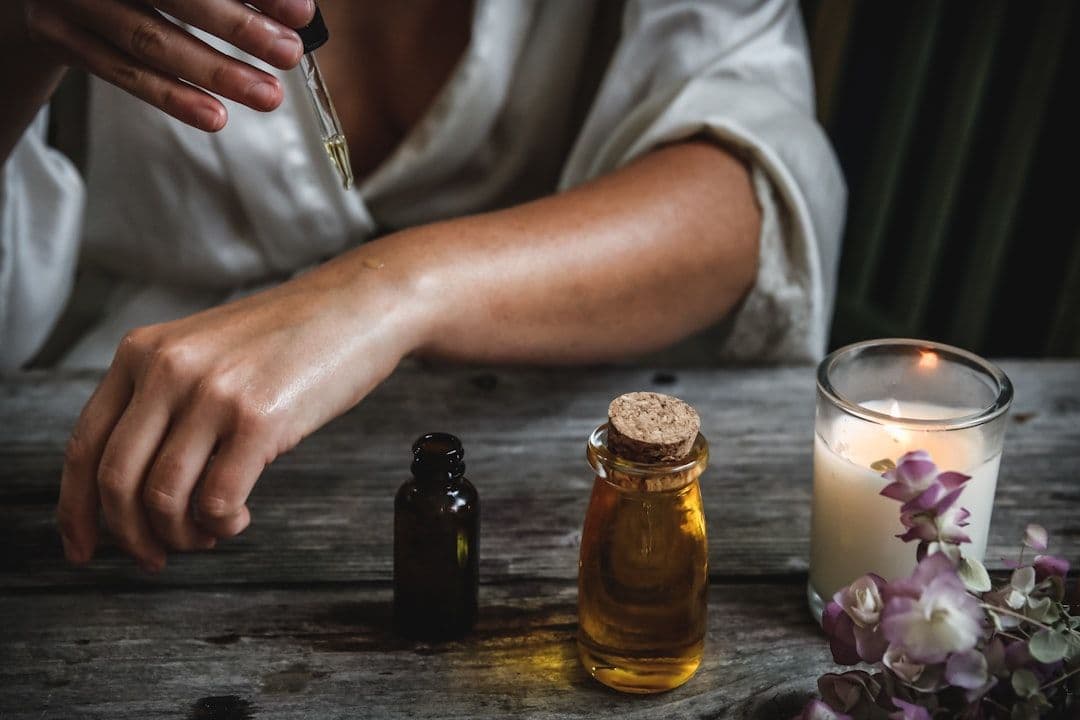
Another gap exists in understanding bioavailability. Laboratory studies might demonstrate that a plant compound has beneficial properties, but whether those compounds penetrate skin effectively when applied in traditional herbal preparations remains largely unstudied. Factors like extraction methods, carrier oils, and application duration — all central to herbal facial practice — rarely feature in dermatological research.
Traditional Knowledge Systems and Modern Validation
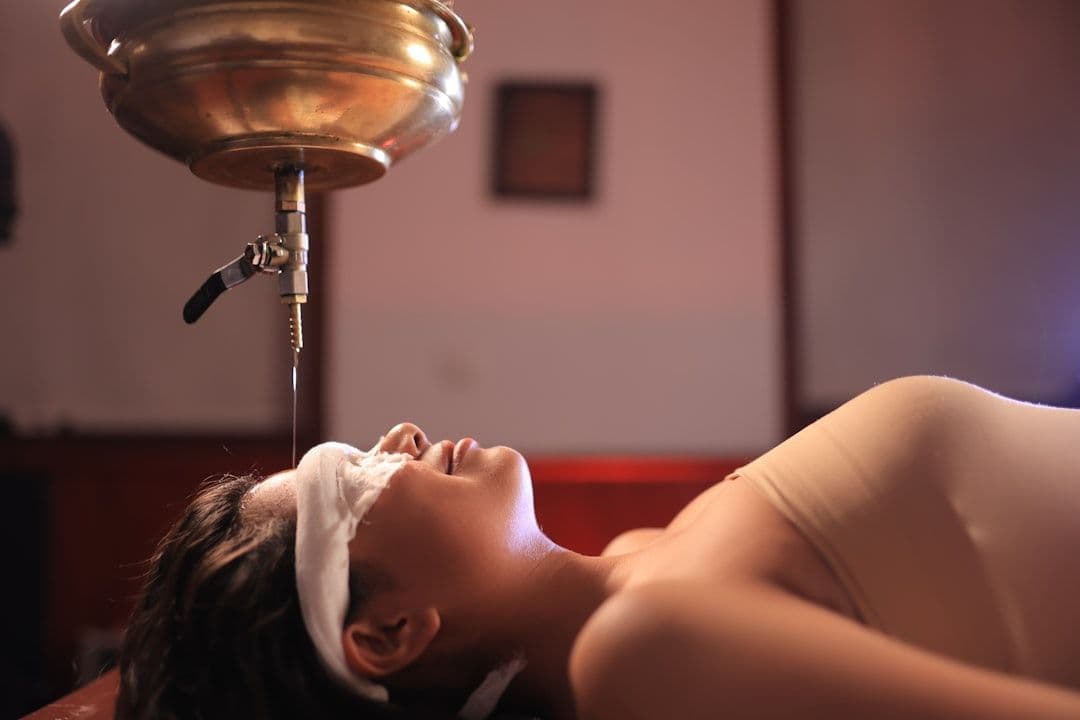
Herbal facials operate within traditional knowledge systems that have developed sophisticated understandings of plant-skin interactions over centuries. Traditional Chinese Medicine, Ayurveda, and European herbalism each offer comprehensive frameworks for selecting and combining plants based on energetic properties, constitutional types, and seasonal considerations.
These systems don't require external validation to maintain their cultural legitimacy or practical value. The fact that chamomile has anti-inflammatory properties doesn't validate traditional herbalism — rather, modern research has confirmed what herbalists already understood through different methods of inquiry.
Within these traditional frameworks, herbal facials serve multiple functions beyond simple skincare: they incorporate meditation and self-care practices, connect people with seasonal rhythms through plant selection, and address the person as a whole rather than targeting isolated skin concerns. These holistic aspects fall outside conventional research parameters but remain central to why many people choose herbal treatments.
Future Research Directions
Meaningful research into herbal facials would require methodological innovations that respect the complexity of traditional practice whilst meeting scientific standards. Pragmatic trial designs that compare individualised herbal protocols with standard care might prove more informative than attempts to study isolated compounds.
Researchers are beginning to explore systems-based approaches that examine how multiple plant compounds work together — an area where traditional herbalism might inform scientific inquiry rather than simply being subject to it. Studies measuring biomarkers of skin inflammation, barrier function, and microbiome diversity could provide objective measures of herbal facial effects.
Perhaps most importantly, future research might examine whether herbal facials offer benefits beyond measurable skin parameters — stress reduction, self-efficacy, or connection with natural processes — that contribute to overall wellbeing but don't fit conventional dermatological endpoints.