What it is
A plant-based facial using herbal steams, masks, and massage to cleanse and soothe skin.
Herbal Facial treatments use natural herbal ingredients—such as masks, scrubs, and steam—combined with facial techniques to support s...
At a glance
What it is
A plant-based facial using herbal steams, masks, and massage to cleanse and soothe skin.
Why explore it
It may hydrate, calm sensitivity, and ease congestion while helping you unwind through gentle aromatherapy.
How it’s experienced
Expect cleansing, herbal steam, a botanical mask, and massage in a relaxing 60-90 minute session.
Evidence context
Rooted in traditional medicine, though clinical evidence for herbal facials specifically is still limited.
See the evidence snapshotSafety
Low risk for most, but those with plant allergies or skin conditions should check with a dermatologist first.
See staying safeHistory & Origin
Herbal Facial treatments involve facial therapies that incorporate herbal ingredients for skin health and relaxation.
Facial treatments using herbs have deep roots in traditional medicine systems across cultures. Traditional Chinese Medicine, Ayurveda, and European herbalism all incorporated facial applications of plant-based remedies for thousands of years. In ancient Egypt, herbal preparations including rose, lavender, and other botanicals were applied to the face for both therapeutic and cosmetic purposes. Indigenous cultures worldwide similarly used locally available herbs in facial treatments as part of broader healing and beauty practices.
The modern herbal facial emerged in the late 20th century as the complementary health movement grew and estheticians began integrating traditional herbal knowledge with contemporary spa and skincare practices. This development coincided with increasing consumer interest in natural, plant-based alternatives to synthetic cosmetics. Pioneers in natural skincare, particularly in Europe and North America, began systematizing herbal facial protocols, researching which plant compounds might benefit different skin conditions, and creating standardized treatment frameworks.
Today, herbal facials are offered in spas, wellness centers, and by estheticians and natural health practitioners worldwide. The modality continues to evolve as research explores the properties of various herbs—such as chamomile, calendula, green tea, and turmeric—and how they might support skin health. While some traditional applications remain popular, modern herbal facials often blend traditional knowledge with contemporary skincare science and individualized assessment of client needs.
Top symptoms
Mechanism
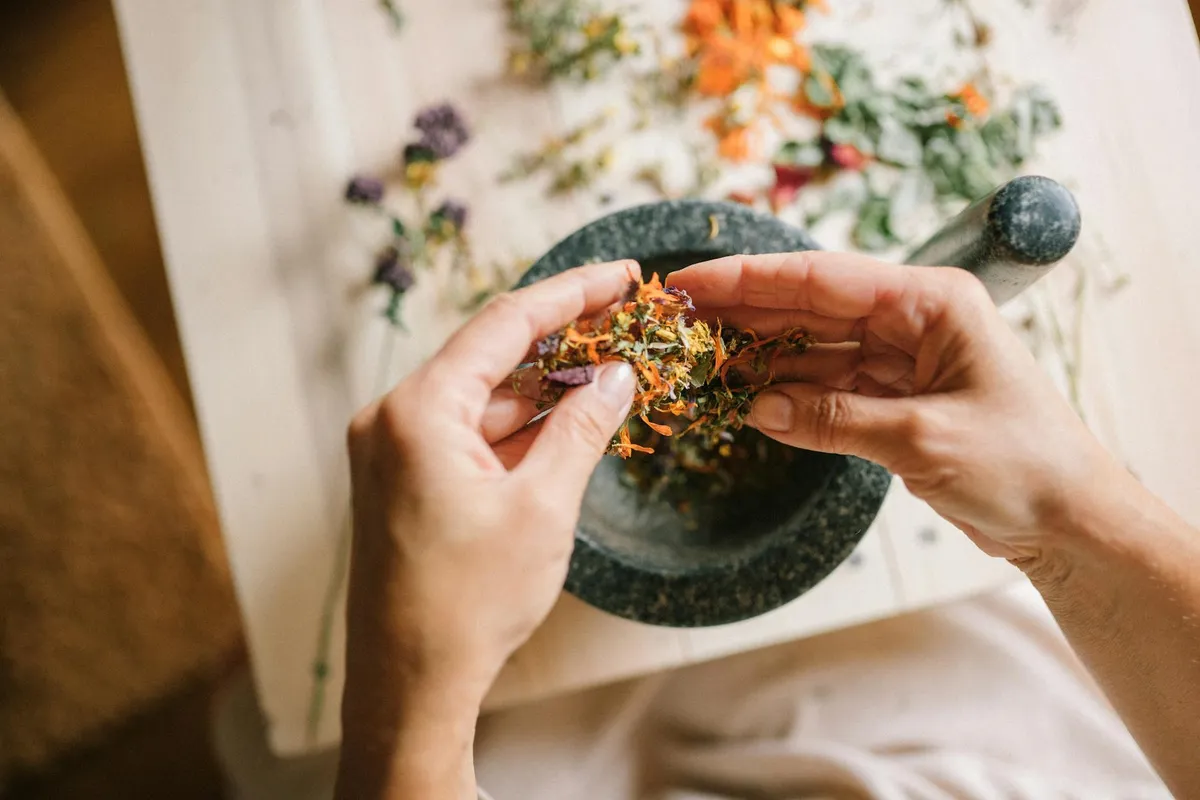
Herbal Facial is usually understood through daily choices, patterns, and gradual behavior change rather than a single session effect. Practitioners may focus on food quality, timing, preparation, symptoms, preferences, culture, and sustainability. Some approaches are tradition-based, while others draw on nutrition science or clinical guidelines. Recommendations should be individualized, especially when medical conditions, pregnancy, medications, or restrictive eating patterns are involved. An herbal facial applies plant-based preparations—typically infusions, oils, powders, or pastes—directly to facial skin through layered steps: cleansing, exfoliation (often with herbal scrubs), application of herbal masks or serums, and sometimes steam or massage.
Your first visit
A typical session outline to help you feel prepared
A gentle, plant-based facial journey that cleanses and nourishes your skin using botanical herbs tailored to your unique complexion.
Your session begins with a short conversation about your skin type, concerns, and any sensitivities or allergies so the practitioner can choose the right herbal blends for you.
The practitioner examines your skin under good lighting, noting texture, tone, and any areas of sensitivity to customize the herbal products selected for your facial.
A plant-based herbal cleanser, often infused with botanicals like chamomile or calendula, is applied and massaged across your face to remove makeup, oil, and impurities.
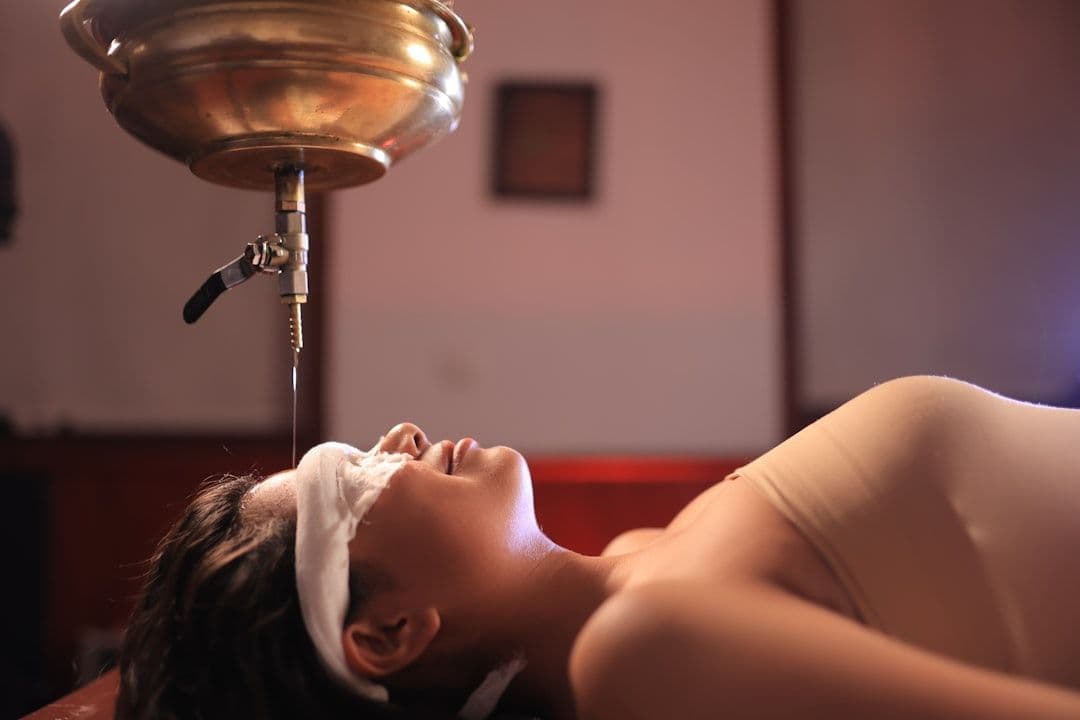
Your face is gently exposed to warm herbal steam, typically infused with lavender or eucalyptus, which softens the skin and opens pores to prepare for deeper treatment.
A mild herbal scrub or enzyme exfoliant made from plant-based ingredients like rosehip or oat is applied to slough away dead skin cells, leaving your complexion feeling smoother.
A mask blended specifically for your skin type, using herbs such as rose, green tea, or clay-based botanicals, is applied and left on for 10 to 15 minutes while you rest.
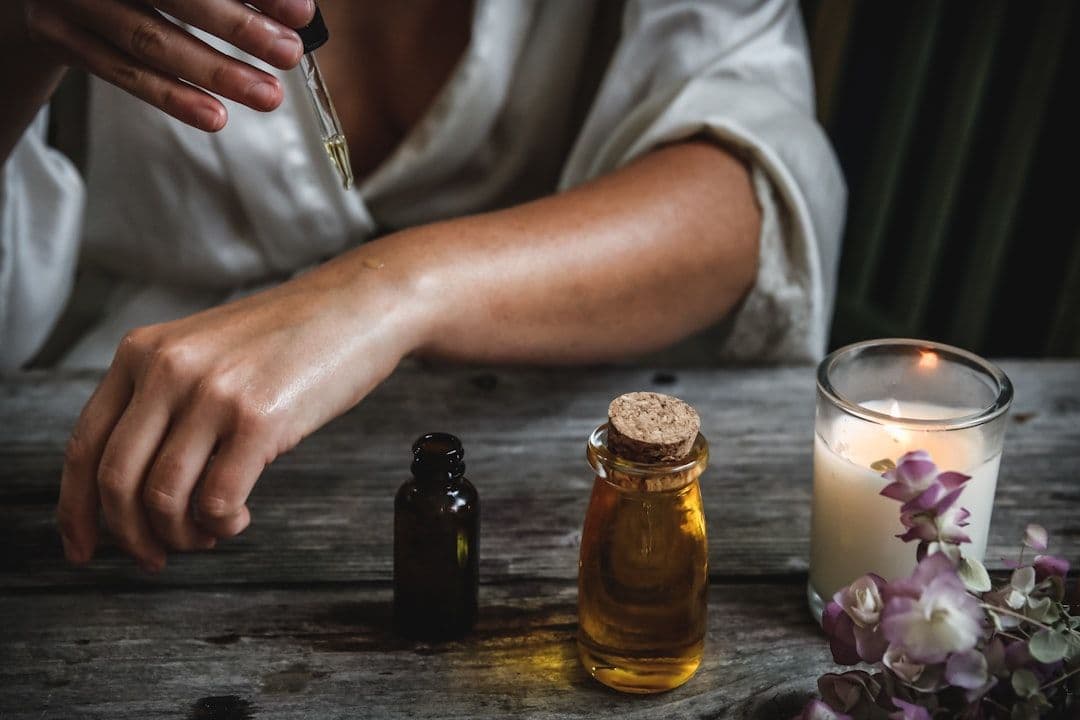
While the mask sets or after it is removed, the practitioner performs a relaxing facial massage using herbal-infused oils to encourage circulation and a sense of deep calm.
Your session closes with moisturizer and SPF application, plus personalized tips on at-home herbal skincare routines and how often to return for best results.
The Evidence
What research and tradition tell us about herbal facials, and where the evidence is strong, limited, or still emerging.
Rooted in tradition; clinical evidence for the full modality is limited
Individual herbs used in facials have some research support for topical skin benefits, but controlled trials on herbal facials as a complete treatment are scarce. The practice is well-established in traditional systems and generally considered low-risk for most people.
Herbs like chamomile, green tea, and calendula have been studied for antioxidant and skin-soothing properties, mostly in lab settings. Evidence for herbal facials as a delivered treatment is sparse. Findings from isolated extracts cannot be directly applied to a full facial session, so outcome claims should be interpreted cautiously.
Traditional Chinese Medicine, Ayurveda, ancient Egyptian practices, and European herbalism all used plant preparations on the face for skin health and wellbeing. The modern herbal facial formalised these traditions into structured spa and wellness protocols during the late 20th century natural health movement.
As an alternative modality, herbal facials prioritise plant-based, minimally processed ingredients over synthetic formulations. They are not positioned as a substitute for professional assessment of skin conditions, but many people use them as part of a broader self-care and skin maintenance routine alongside conventional skincare.
People with known botanical allergies—such as ragweed sensitivity that may cross-react with chamomile—should inform their practitioner before treatment. Those with active skin infections, recent intensive skin procedures, or autoimmune skin conditions should consult a healthcare provider first. Herbal facials are not appropriate over sunburned or acutely inflamed skin.
Designing controlled trials for a multi-ingredient, multi-step treatment is difficult, and most relevant studies focus on single extracts rather than full facial protocols. This means the evidence base reflects ingredient potential rather than confirmed session outcomes. Inflated outcome claims for herbal facials are not supported by current data.
Look for an esthetician or therapist with specific training in herbal or botanical skincare. A good practitioner will take a skin and allergy history before selecting ingredients. If you have an ongoing skin condition, consider informing your dermatologist that you are incorporating herbal facials into your routine.
Safety first
General guidance to help you decide whether this approach is appropriate for you. This is informational only and not a substitute for medical, psychological, or professional advice.
If you are pregnant, managing a health condition, recovering from injury or surgery, or taking medication, consult a qualified healthcare professional first.
Some situations call for extra care or a different approach. Share any conditions, injuries, or sensitivities with your practitioner before your first session.
Mild, short-lived effects such as tenderness, tiredness, or temporary soreness can occur. Rest, hydrate, and tell your practitioner how you respond.
Look for clear boundaries, transparent pricing, and practitioners who avoid fear-based claims or pressure to book frequent sessions.
For you?
A simple, human way to weigh it up. This is general guidance, not personal medical advice — a qualified practitioner can advise on your situation.
Gyfts is a discovery platform, not a medical provider. Nothing here diagnoses, treats or replaces professional care. In an emergency, contact your local emergency number.
Explore approaches
Other practices people often explore alongside herbal facial.
In their words
FAQ
A typical herbal facial session lasts 60–90 minutes and includes a skin consultation, gentle cleansing, light exfoliation with herbal scrubs, herbal steam treatment, application of a customized herbal mask, and finishing with toners and herbal moisturizers. The experience is designed to be relaxing, with aromatherapy elements and often includes a light massage of the hands, arms, or scalp.
Results are often cumulative. Some people notice improved skin texture or relaxation benefits after a single session, but practitioners typically recommend monthly treatments or sessions every 4–6 weeks for sustained benefits. This regular schedule helps maintain skin health and allows the practitioner to adjust herbal blends to your skin's changing needs.
Herbal facials can be customized for most skin types—dry, oily, sensitive, or combination. However, those with active infections, severe dermatological conditions, or multiple plant allergies should consult a healthcare provider first. Always inform your practitioner of any skin sensitivities or concerns so the herbs and techniques can be tailored appropriately.
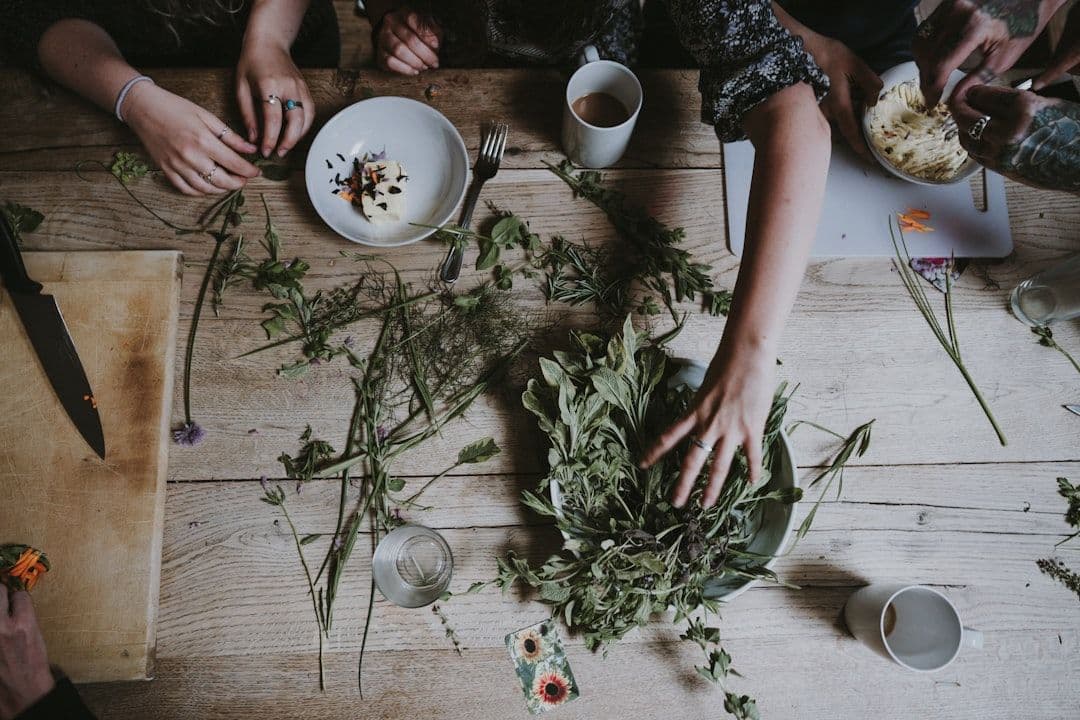
Common herbs include chamomile (soothing and anti-inflammatory), rose (hydrating and gentle), lavender (calming and aromatic), calendula (skin-supportive), green tea (antioxidant), turmeric (traditionally used for skin clarity), and aloe vera (hydrating and cooling). The specific herbs chosen depend on your skin type and concerns.
Yes, many people integrate herbal facials into their existing skincare routines. However, avoid using strong actives (such as retinoids or acids) for 24–48 hours after a facial, as your skin may be more sensitive. Discuss your full skincare routine with your practitioner so they can provide personalized guidance.
Herbal facials may support general skin health and provide a soothing experience, but they are not a medical treatment for acne. If you have active acne with pustules or lesions, consult a dermatologist first. For mild congestion or as part of preventive skincare, an herbal facial tailored for oily skin may be helpful, but it should complement—not replace—evidence-based acne treatment if needed.
Side effects are typically minimal. Some people experience slight redness or warmth immediately after the facial, which usually subsides within hours. If you have sensitive skin or plant allergies, you may experience irritation; always inform your practitioner beforehand. Serious adverse reactions are rare when treatments are performed by trained practitioners on appropriate candidates.
After an herbal facial, avoid heavy makeup, direct sunlight, and harsh skincare products for 24 hours. Use gentle cleansing and moisturizing products suited to your skin type. Drink plenty of water to support hydration, and protect your skin from the sun with a broad-spectrum sunscreen. Your practitioner may recommend using the same herbal products at home to extend treatment benefits.
References
Educational sources that inform this overview. Inclusion is for context and does not imply endorsement.
Full citations are maintained by the Gyfts editorial team and reviewed periodically.
Keep exploring
Browse practitioners, explore honest overviews, and take what you learn to a conversation — at your own pace.