The Living Pharmacy on Your Face
Steam rises from a bowl of chamomile and lavender as your therapist prepares a paste from freshly ground oats and rose petals. The air fills with the earthy scent of calendula oil warming between practised hands. This is herbal facial therapy—where your skin becomes the canvas for an intricate dance between plant wisdom and therapeutic touch.
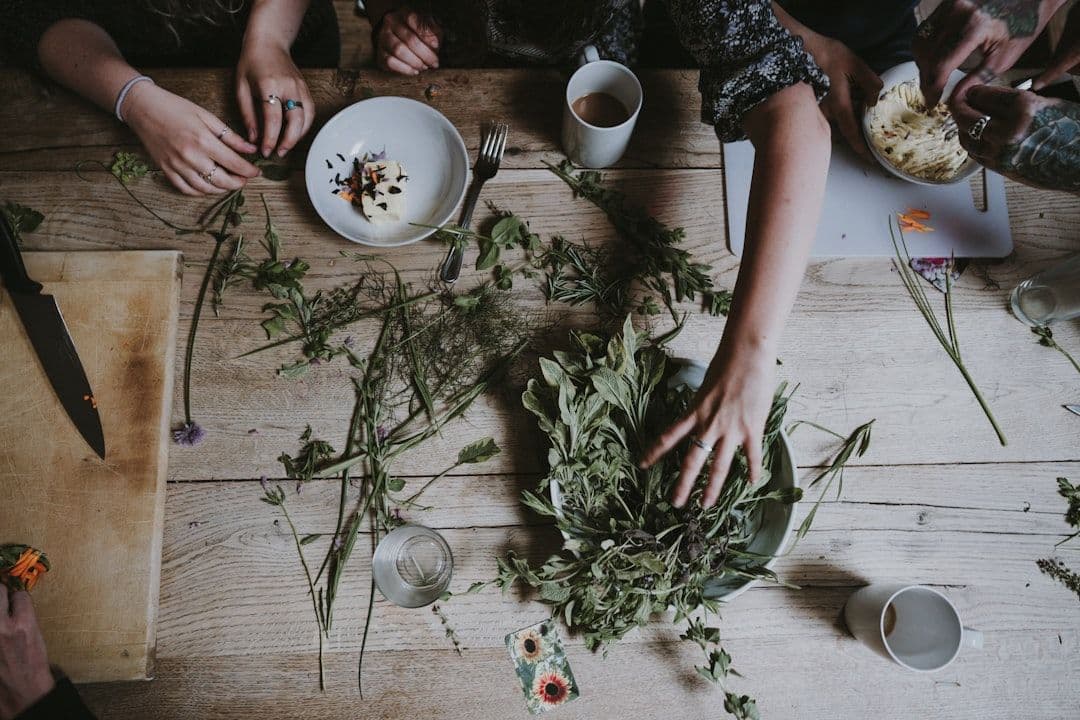
Unlike conventional facials that rely on synthetic formulations, herbal facials draw entirely from nature's pharmacy. Fresh or dried herbs are transformed into cleansing waters, exfoliating scrubs, nourishing masks, and therapeutic oils through methods passed down through generations. Each plant brings its own traditional properties: cooling cucumber for inflammation, astringent witch hazel for oily skin, or moisturising honey and aloe for dryness.
The practice extends far beyond simple ingredient application. Herbal facials integrate the therapeutic principles of plant medicine with skilled manual techniques—gentle massage to encourage circulation, precise pressure points to promote relaxation, and mindful attention to each individual's skin needs and responses.
Roots in Ancient Beauty Traditions
Herbal skincare traditions stretch back millennia across cultures worldwide. Ancient Egyptian texts describe Queen Cleopatra's legendary beauty rituals using herbs like fenugreek and rosemary mixed with milk and honey. Traditional Chinese Medicine has long prescribed specific herbal combinations for different skin constitutions—cooling herbs like chrysanthemum for 'hot' conditions, warming ginseng for deficient types.
In Ayurveda, the 5,000-year-old healing system from India, facial treatments using herbs like turmeric, neem, and sandalwood are prescribed according to one's dosha or constitutional type. European folk traditions contributed their own botanical wisdom: medieval monasteries cultivated healing gardens where herbs like calendula and chamomile were prepared into skin-soothing preparations.
Modern herbal facials synthesise these diverse traditions whilst adapting to contemporary understanding of skin health. Today's practitioners might combine Ayurvedic turmeric masks with Native American clay treatments or European herbal steams, creating personalised protocols that honour traditional wisdom whilst addressing modern skin concerns like pollution exposure and stress-related sensitivity.
How Plant Medicine Meets Skin
Within traditional herbal frameworks, plants are understood to possess specific energetic and therapeutic qualities that interact with skin in predictable ways. Cooling herbs like cucumber and mint are applied to inflamed or sensitive skin, whilst warming herbs such as ginger or cinnamon might be used—very sparingly—to stimulate circulation in dull complexions.
Practitioners work through systematic layers: herbal cleansers remove surface impurities whilst preserving the skin's natural barrier, followed by gentle exfoliation using plant-based scrubs made from oatmeal, rice bran, or finely ground herbs. Herbal steams open pores and allow deeper penetration of active compounds, whilst carefully applied masks deliver concentrated plant nutrients and draw out impurities.
From a biomedical perspective, many herbs contain compounds that modern science has identified as beneficial for skin health. Calendula contains anti-inflammatory triterpenes, chamomile provides soothing azulene compounds, and willow bark contains natural salicylic acid. The traditional practice of combining multiple herbs may create synergistic effects that enhance individual plant benefits, though this remains an area where traditional understanding exceeds current scientific validation.
Who Benefits from Botanical Skincare
Herbal facials particularly appeal to those whose skin reacts poorly to synthetic ingredients or harsh chemical treatments. People with sensitive conditions like rosacea or contact dermatitis often find that the gentler, plant-based approach causes less irritation than conventional products containing sulfates, parabens, or artificial fragrances.
Those drawn to holistic wellness practices appreciate how herbal facials address both physical skin needs and emotional well-being. The aromatic qualities of herbs provide natural aromatherapy benefits during treatment, whilst the mindful, nurturing approach of application can reduce stress—a known contributor to many skin problems.
Individuals interested in sustainable beauty practices also gravitate toward herbal facials. Many practitioners source herbs locally or organically, use minimal packaging, and employ preparation methods with lower environmental impact than mass-produced skincare products. The practice aligns with values around connecting with nature and reducing reliance on synthetic chemicals.
What to Expect During Treatment
A typical herbal facial begins with detailed consultation about your skin concerns, sensitivity patterns, and any allergies to specific plants. Experienced practitioners often assess your skin type according to traditional frameworks—whether Ayurvedic doshas, Traditional Chinese Medicine patterns, or Western herbal energetics—to customise the treatment protocol.
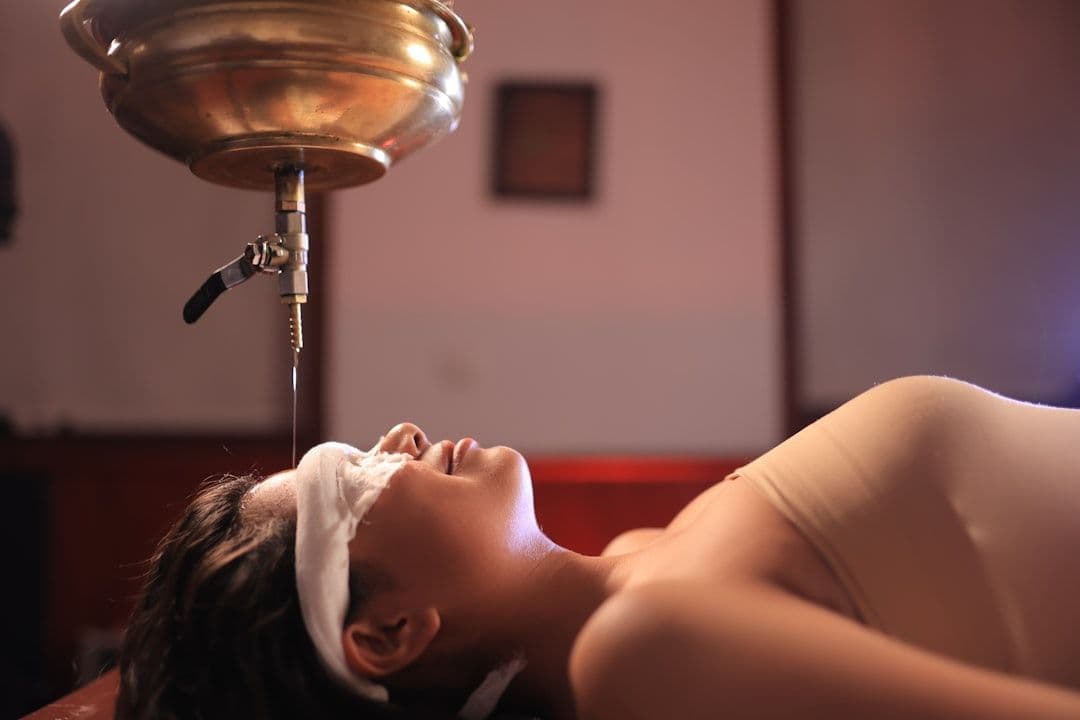
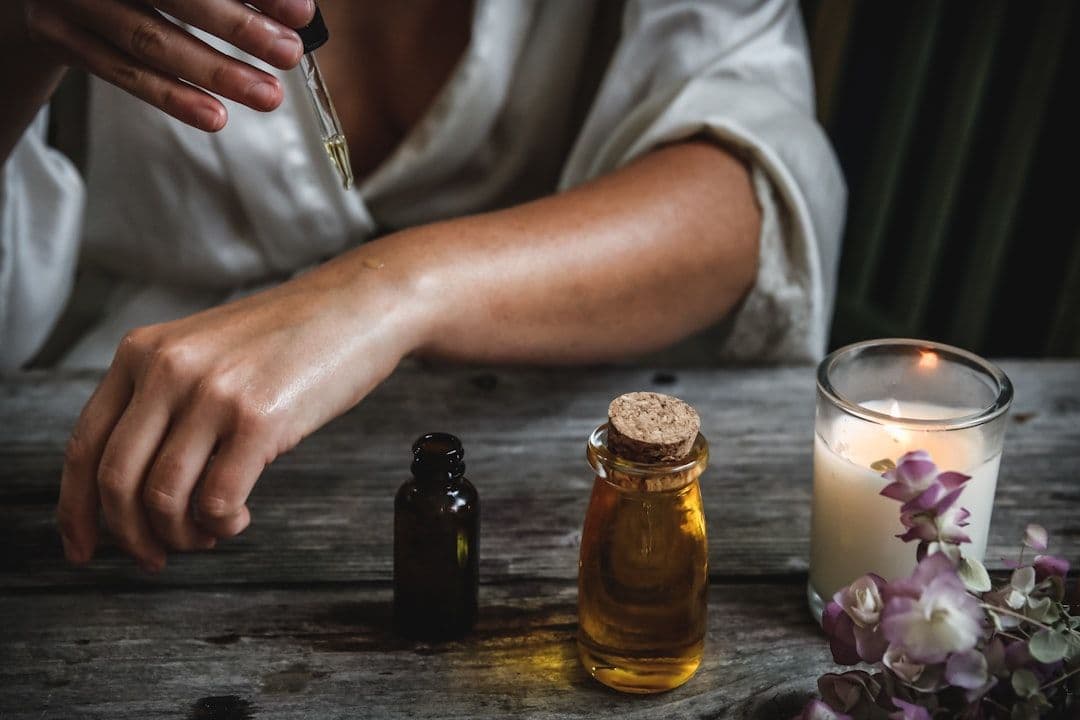
The session usually unfolds over 60-90 minutes in several phases. After gentle cleansing with plant-based preparations, you might receive an herbal steam treatment where you inhale aromatic vapours from herbs selected for your needs. This is followed by careful application of herbal masks or poultices, often combined with facial massage using plant-based oils.
Throughout treatment, practitioners pay close attention to your skin's responses, adjusting pressure, temperature, and herb selection as needed. Many people find the experience deeply relaxing, reporting not just improved skin texture and appearance but also reduced tension and enhanced sense of well-being. Sessions typically conclude with application of herbal toners and moisturisers to seal in benefits.
Finding Skilled Herbal Practitioners
Quality herbal facial practitioners typically combine formal training in skincare or massage with specialised education in herbal medicine. Look for therapists registered with the CNHC or FHT who have completed recognised courses in both facial therapy and herbal preparations. Many excellent practitioners also hold qualifications in complementary disciplines like Ayurveda, Traditional Chinese Medicine, or Western medical herbalism.
Sessions generally range from £60-120 depending on location, practitioner experience, and treatment complexity. Urban areas and specialist wellness centres typically charge higher rates. Initial treatments may cost more as they include detailed consultation and skin assessment.
Frequency recommendations vary by tradition and individual needs, but many practitioners suggest weekly sessions initially to establish benefits, followed by monthly maintenance treatments. Those with specific skin concerns might follow more intensive protocols under practitioner guidance. Always discuss your expectations openly and ask about the practitioner's training background, herb sourcing practices, and experience with your particular skin type or concerns.