What Is Men Chho Reiki?
Picture a Reiki session where the practitioner understands that men often carry tension differently — not just in shoulders and neck, but in the chest cavity where unexpressed emotions settle, or around the lower back where concerns about providing and protecting manifest physically. Men Chho Reiki takes the foundational principles of Japanese energy healing and applies them with specific attention to how men typically experience stress, process emotions, and hold tension in their bodies.
This specialized approach recognizes that whilst universal life energy flows through everyone, the patterns of imbalance often differ between men and women. Where traditional Reiki treats each person as an individual, Men Chho Reiki adds another layer — acknowledging the physiological and cultural factors that shape men's relationship with stress, vulnerability, and healing.
Origins and Cultural Context
Men Chho Reiki emerged from practitioners who noticed that men often responded differently to conventional Reiki sessions, sometimes struggling with the stillness required or feeling disconnected from the process. Rather than dismissing these responses, innovative practitioners began developing approaches that honored both traditional Reiki principles and the distinct ways men might engage with energy healing.
The practice draws from observations that men's energy patterns often reflect cultural conditioning around emotional expression, physical resilience, and the pressure to maintain strength. Whilst rooted in the same Japanese spiritual framework as traditional Reiki — with its emphasis on universal life force energy (ki) — this adaptation acknowledges that healing might unfold differently when practitioners understand male-specific stress responses and emotional processing patterns.
This evolution represents less a break from tradition and more a thoughtful application of Reiki's fundamental principle: that healing energy adapts to what each person needs most.
How Men Chho Reiki Works
Within the Reiki framework, practitioners understand that life force energy becomes blocked or imbalanced through physical tension, emotional suppression, or spiritual disconnection. Men Chho Reiki applies this understanding whilst recognizing patterns that practitioners commonly observe in male clients: energy congestion around the heart chakra from unexpressed emotions, tension in the solar plexus from workplace pressure, or depletion in the root chakra from concerns about security and providing.
Practitioners use traditional hand positions but may spend additional time on areas where men typically hold stress — the chest, lower back, and shoulders. Some incorporate techniques that work with what they perceive as masculine energy patterns: more direct, focused sessions rather than extended stillness, or positioning that feels less vulnerable for men unaccustomed to receiving care.
From a physiological perspective, any benefits likely arise through the same mechanisms proposed for traditional Reiki: the relaxation response, mindful attention to the body, and the therapeutic value of caring touch and presence. The specialized approach may simply make these benefits more accessible to men who might otherwise find energy healing unfamiliar or uncomfortable.
Who Might Find This Helpful
Men experiencing chronic work-related stress often report finding this approach more accessible than conventional relaxation techniques. The framework seems particularly resonant for those who feel pressure to maintain emotional control but recognize the physical cost of unexpressed tension — the executive whose chest tightens during difficult conversations, or the tradesman whose lower back carries years of both physical and emotional load.
Men navigating life transitions — divorce, retirement, job loss, or health scares — sometimes find the practice offers a way to process change without the vulnerability they might associate with traditional counselling. The energy healing framework can provide structure for exploring emotions whilst maintaining a sense of agency and control.
Those dealing with conditions like prostate concerns or cardiovascular stress may appreciate the complementary support, though practitioners emphasize that energy work supports rather than treats medical conditions. The approach may appeal particularly to men who prefer holistic wellness strategies alongside conventional medical care.
What to Expect in a Session
Sessions typically begin with conversation about what's happening in your life — work pressures, relationship dynamics, physical symptoms, or general sense of imbalance. Practitioners trained in Men Chho Reiki often spend more time on this initial discussion than traditional Reiki practitioners might, recognizing that men may need more context to feel comfortable with energy work.
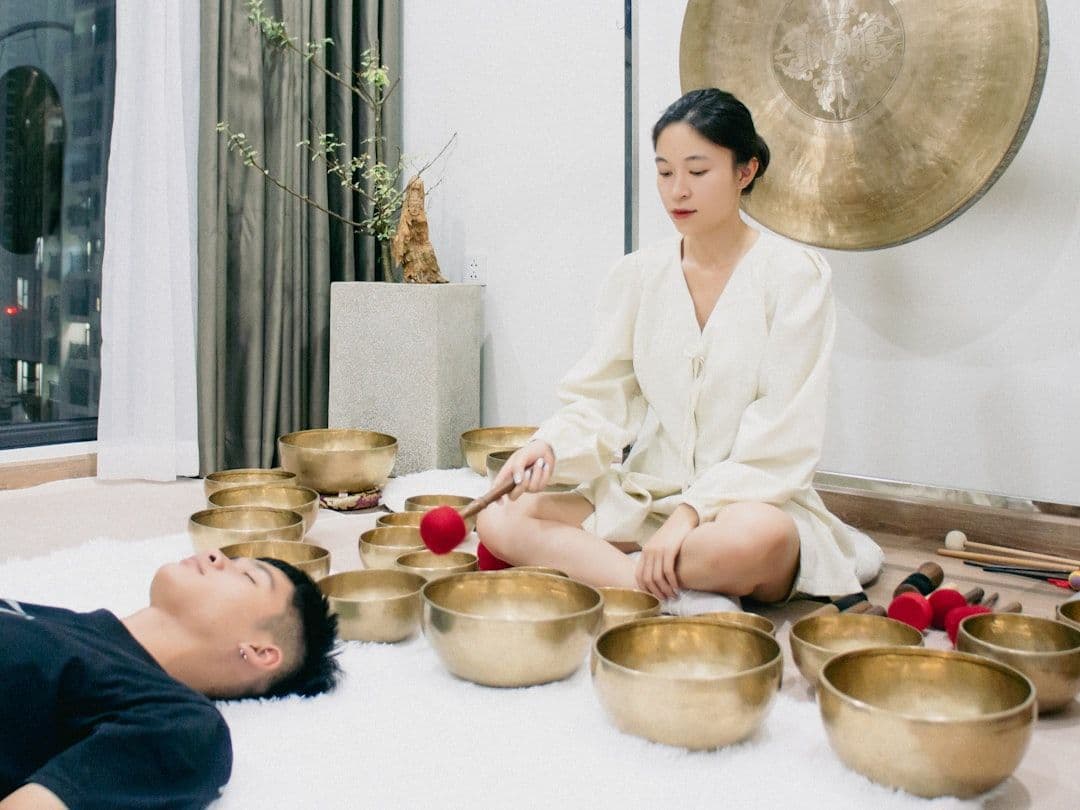
You'll lie fully clothed on a massage table whilst the practitioner places hands on or slightly above specific body areas. Sessions usually last 60-90 minutes, with practitioners often focusing on areas where men commonly hold tension: chest, shoulders, lower back, and abdomen. Some practitioners incorporate brief movement or breathing exercises designed to help shift energy that feels stuck.
Many men report feeling deeply relaxed during sessions, though the experience varies considerably. Some describe warmth, tingling, or subtle energy movement. Others simply feel present and calm. Practitioners typically end sessions with discussion about what arose and may suggest simple practices for maintaining balance between appointments.
Finding a Qualified Practitioner
Look for practitioners who combine solid Reiki training with specific preparation in working with men's health and emotional patterns. They should hold recognised Reiki qualifications (typically Level 2 or Master level) from established training lineages, plus additional specialization in this approach. Membership with bodies like the UK Reiki Federation or CNHC indicates professional standards.
Expect to pay £60-£100 per session in most UK locations, with some practitioners offering introductory rates or packages. Initial sessions may cost slightly more due to extended consultation time. Most practitioners recommend starting with 3-4 sessions to gauge whether the approach suits you, then moving to monthly or as-needed maintenance.
During initial conversations, qualified practitioners should ask about your health history, current medications, and comfort level with energy work. They should explain their approach clearly and never suggest reducing or stopping medical treatment. Trust your instincts — the right practitioner will create space that feels both safe and authentically supportive of how you process experience and change.