What it is
A Japanese energy healing practice using gentle hand placements, tailored for men's well-being.
Men Chho Reiki is a specialized form of energy healing that applies Reiki principles specifically to men's health and wellness needs, add...
At a glance
What it is
A Japanese energy healing practice using gentle hand placements, tailored for men's well-being.
Why explore it
May help men ease stress, improve sleep, and build resilience through life's toughest transitions.
How it’s experienced
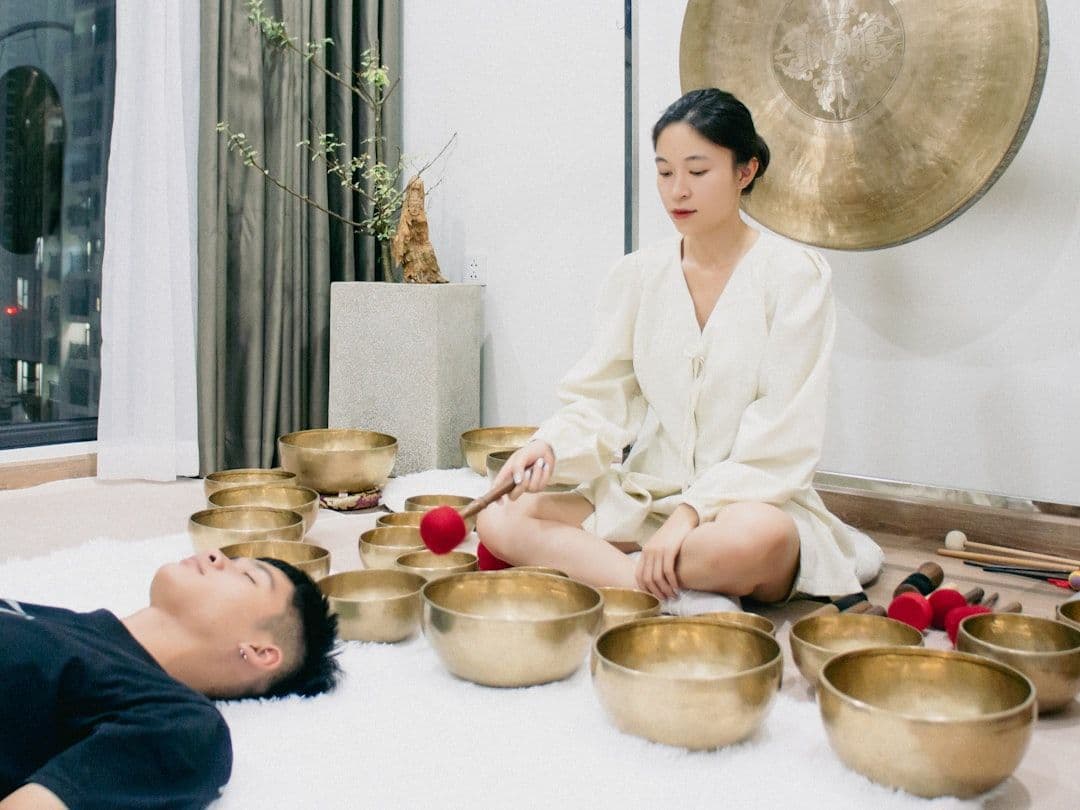
You lie fully clothed while a practitioner places hands on or near your body, inviting deep calm.
Evidence context
Rooted in traditional Reiki; formal research is limited, with most support from personal experience.
See the evidence snapshotSafety
Generally low-risk, but consult your provider first if you have serious mental health conditions.
See staying safeHistory & Origin
Men Chho Reiki is a form of Reiki healing that focuses on addressing men's health and well-being.
Men Chho Reiki emerges from the broader Reiki tradition, which originated in Japan in the early 20th century through Mikao Usui's spiritual practice and system of healing. While traditional Reiki is gender-neutral in its application, Men Chho Reiki represents a contemporary adaptation that recognizes and addresses the specific health challenges, emotional patterns, and wellness concerns unique to men's experiences. This specialized approach acknowledges that men may face distinct barriers to seeking healing support, including cultural expectations around emotional expression, reluctance to address health concerns, and unique stressors related to work, relationships, and identity. The development of Men Chho Reiki reflects a growing recognition within the complementary health field that personalized, culturally-sensitive approaches can enhance engagement and relevance. Though lacking formal historical documentation comparable to traditional Reiki lineages, Men Chho Reiki has developed within modern wellness communities as practitioners and clients recognize the value of tailoring energy work to specific demographics and their particular life experiences.
Mechanism
Men Chho Reiki is best framed as a traditional, symbolic, energetic, reflective, or spiritual practice rather than a validated medical mechanism. Practitioners may use ritual, attention, sound, imagery, touch-free work, cards, symbols, prayer, or intention to support meaning-making and a sense of connection. People may explore it for reflection, calm, or spiritual context, while health claims should remain cautious and personal. Men Chho Reiki applies hands-on and hands-off energy techniques rooted in the Japanese Reiki tradition, adapted with attention to men's physiological and emotional patterns.
Your first visit
A typical session outline to help you feel prepared
A Men Chho Reiki session blends a grounded intake conversation with hands-on energy channeling, leaving you feeling calm and clear.
Your practitioner opens with a relaxed conversation about your health history, stress levels, and what you're hoping to get from the session, so the energy work can be focused on what matters most to you.
Together you'll name a simple intention for the session, whether that's mental clarity, emotional release, or just deep rest, giving the Reiki energy a clear direction to flow toward.
You'll lie fully clothed on a padded treatment table in a quiet, dimly lit room. No undressing is needed, so just wear something loose and comfortable that you can relax in easily.
Before touch begins, the practitioner passes their hands a few inches above your body to sense where energy feels congested, depleted, or out of balance, quietly mapping where the Men Chho work needs to focus.
The practitioner places their hands lightly on or just above specific areas of your body, channeling Reiki energy through structured hand positions. You may notice warmth, gentle tingling, or a deep s
Most of the session is spent in stillness and silence. It's completely normal to drift, feel emotions surface, or simply fall into a deeply relaxed state while the energy does its work.
Toward the end, the practitioner gently grounds your energy field with a few slow, sweeping hand movements to help you feel settled and present before you sit up.
You'll have a few minutes to share anything you noticed during the session, and your practitioner can offer simple guidance on supporting the energy work at home between visits.
The Evidence
What research and traditional knowledge say about Men Chho Reiki and its broader Reiki foundations.
Rooted in tradition; limited dedicated research
Men Chho Reiki draws on the broader Reiki tradition, which has some research support for relaxation and stress reduction but significant methodological limitations. Men Chho Reiki itself has no dedicated studies, making it an area of traditional practice rather than evidence-based intervention.
Reiki broadly has been explored for relaxation, stress reduction, and psychological well-being, with some systematic reviews showing modest effects. However, most studies involve small samples and difficulty controlling for placebo and therapeutic attention. Men Chho Reiki as a specific adaptation has no published research of its own.
Reiki originated in early 20th-century Japan through Mikao Usui's practice and has been used globally as a complementary wellness approach. Men Chho Reiki is a contemporary adaptation that applies Reiki principles to men's specific health patterns and emotional experiences. It lacks formal historical lineage documentation but reflects a growing trend toward gender-sensitive complementary practice.
Within a holistic framework, Men Chho Reiki aims to support stress resilience, emotional processing, and general vitality rather than targeting specific conditions. It may complement lifestyle practices such as sleep hygiene, movement, and social connection. It is best understood as one element within a broader personal wellness approach.
Whether Reiki's observed effects arise from specific energy mechanisms or from relaxation, expectation, and therapeutic attention remains unresolved. Men Chho Reiki's gender-specific framing is clinically untested. Practitioners and users should be cautious of inflated outcome claims and should not use this modality as a substitute for professional assessment of physical or mental health concerns.
Reiki-based practices are widely considered safe for most people when used alongside, not instead of, conventional care. Those managing serious mental health conditions, acute emotional distress, or undiagnosed physical symptoms should consult a qualified health professional first. Continue any prescribed medications or treatments; this modality is complementary, not a substitute.
Look for practitioners who are transparent about their training lineage, experience, and the limits of what Reiki can offer. Regulation of Reiki practitioners varies significantly by country. A trustworthy practitioner will not discourage you from seeking conventional medical or psychological support and will not make inflated outcome claims.
Safety first
General guidance to help you decide whether this approach is appropriate for you. This is informational only and not a substitute for medical, psychological, or professional advice.
If you are experiencing severe distress, suicidal thoughts, psychosis, acute trauma, or another serious mental health concern, seek qualified support first.
This approach is not suitable for diagnosis, treatment instructions, or decisions that require medical, legal, financial, or professional advice.
Look for clear boundaries, transparent pricing, and practitioners who avoid fear-based claims or pressure to book frequent sessions.
Treat any insight as one reflective perspective, not absolute truth. Important decisions should be considered with appropriate professional support.
For you?
A simple, human way to weigh it up. This is general guidance, not personal medical advice — a qualified practitioner can advise on your situation.
Gyfts is a discovery platform, not a medical provider. Nothing here diagnoses, treats or replaces professional care. In an emergency, contact your local emergency number.
Explore approaches
Other practices people often explore alongside men chho reiki.
In their words
FAQ
Men Chho Reiki applies Reiki principles with specific attention to men's health experiences, concerns, and barriers to wellness. While traditional Reiki is universal, Men Chho Reiki recognizes that men may face unique stressors, emotional patterns, and cultural conditioning around health-seeking. Practitioners trained in this approach are familiar with men-specific concerns such as work stress, relationship challenges, emotional expression, and may create a therapeutic environment that feels particularly welcoming and relevant to male clients.
This varies by individual and your specific goals. Some people benefit from a single session for immediate stress relief, while others find a series of 4-6 weekly or bi-weekly sessions particularly effective for deeper work. Many clients maintain monthly sessions for ongoing support. Your practitioner will discuss a recommended plan during your initial consultation based on your needs, budget, and availability. Think of it similarly to fitness—some benefit from regular practice while others use it as needed.
Experiences vary widely and are all considered normal. Some men report warmth, tingling, or energy sensations; others feel deep relaxation, heaviness, or lightness. Some experience emotional release, insights, or vivid imagery. Many feel primarily relaxed and peaceful, similar to deep meditation. Some notice subtle effects only afterward—better sleep, improved mood, or mental clarity. There's no 'right' way to experience Reiki, and a quiet, uneventful session can be just as beneficial as a dramatic one.
Reiki itself is not tied to any specific religion and is compatible with most faith traditions. It operates on the principle of universal life energy rather than religious doctrine. However, some people experience Reiki as spiritual—it can facilitate deeper connection to meaning, purpose, or inner peace. You can engage with Men Chho Reiki purely as a wellness tool without adopting any spiritual framework, or you can explore its spiritual dimensions if that appeals to you. The practitioner should respect your personal beliefs and values.
No, Reiki does not chemically interact with medications. It's safe to receive Reiki while taking any prescribed medications and should never be used as a reason to stop or adjust medications. However, Reiki may enhance overall well-being and relaxation, which can be complementary to medical treatment. Always continue taking medications as prescribed by your doctor and inform your practitioner of any health conditions or medications you're using.
Immediately after, most people feel deeply relaxed, peaceful, and sometimes slightly drowsy. You may want time to rest before resuming normal activities. Some people experience continued benefits over the following hours or days—improved sleep, clearer thinking, or emotional shifts. Occasionally, people experience what's called a 'healing response' (mild tiredness, emotional release, or temporary discomfort) as the body processes the session. This typically resolves within 24 hours. Drinking water, resting well, and gentle self-care support integration of the work.
Research on Reiki is still developing. Some studies suggest Reiki may support relaxation and reduce anxiety, with effects comparable to placebo in some cases and potentially meaningful for wellness support. However, high-quality research is limited, and mechanisms are not fully understood. Men Chho Reiki, as a specialized adaptation, has even less formal research. It's best viewed as a complementary wellness practice rather than a proven medical treatment. Many people report subjective benefits, and for stress reduction and emotional support, the relaxation response alone can be genuinely valuable.
References
Educational sources that inform this overview. Inclusion is for context and does not imply endorsement.
Full citations are maintained by the Gyfts editorial team and reviewed periodically.
Keep exploring
Browse practitioners, explore honest overviews, and take what you learn to a conversation — at your own pace.