What it is
An ancient practice that works with seven energy centers to support emotional and spiritual wellness.
Chakra Balancing is a holistic practice that aims to harmonize energy flow through the body's seven main energy centers using techniques ...

At a glance
What it is
An ancient practice that works with seven energy centers to support emotional and spiritual wellness.
Why explore it
Many seek it for stress relief, emotional balance, and to deepen an existing mindfulness practice.
How it’s experienced
A practitioner guides breath, visualization, or crystals, and you may feel warmth or deep relaxation.
Evidence context
Rooted in centuries of tradition, though clinical research is limited and benefits are largely experiential.
See the evidence snapshotSafety
Low-risk for most, but those with trauma or mental health conditions should check with a provider first.
See staying safeHistory & Origin
Chakra Balancing involves adjusting the energy flow through the body's chakras to enhance health and harmony.
Chakra Balancing has its roots in ancient Hindu and Buddhist traditions dating back over 4,000 years. The concept of chakras first appeared in the Vedas, ancient Sanskrit texts that form the foundation of Hindu philosophy and spirituality. The word 'chakra' comes from Sanskrit meaning 'wheel' or 'disk,' representing spinning energy centers along the spine. Traditional texts like the Upanishads and later tantric literature described these energy points as vital for physical, mental, and spiritual health.
The practice evolved through centuries of yogic and Ayurvedic medicine, with different schools developing various approaches to chakra work. Tibetan Buddhism adopted similar concepts, incorporating chakra meditation into their spiritual practices. In the 20th century, these ancient teachings began spreading to the Western world through spiritual teachers, yoga practitioners, and the growing interest in Eastern philosophy during the counterculture movement of the 1960s.
Key figures like Carl Jung helped bridge Eastern chakra concepts with Western psychology, while spiritual teachers such as Paramahansa Yogananda and later authors like Anodea Judith popularized chakra work in America and Europe. The practice gained further momentum through the New Age movement, with practitioners integrating modern healing modalities like crystal therapy and sound healing into traditional chakra balancing techniques.
Today, chakra balancing has evolved into various forms practiced worldwide, from traditional meditation-based approaches to contemporary energy healing sessions that combine multiple therapeutic techniques. While maintaining its spiritual roots, the practice has adapted to modern wellness culture, often integrated with other complementary therapies.
Mechanism
Chakra Balancing is best framed as a traditional, symbolic, energetic, reflective, or spiritual practice rather than a validated medical mechanism. Practitioners may use ritual, attention, sound, imagery, touch-free work, cards, symbols, prayer, or intention to support meaning-making and a sense of connection. People may explore it for reflection, calm, or spiritual context, while health claims should remain cautious and personal. Chakra Balancing operates on the premise that seven primary energy centres (chakras) run along the spine, each associated with specific physical, emotional, and spiritual functions.
Your first visit
A typical session outline to help you feel prepared
A Chakra Balancing session gently works with your body's energy centers to restore flow and harmony, leaving you feeling grounded and refreshed.
Your practitioner starts by asking how you've been feeling physically, emotionally, and energetically so they can understand which chakras may need the most attention.
Together you'll identify a focus or intention for the session, whether that's releasing stress, feeling more grounded, or opening up emotionally, giving the work a clear direction.
You'll lie fully clothed on a comfortable treatment table, face up. The practitioner may dim the lights, play soft music, or use aromatherapy to help you relax before the energy work begins.
The practitioner moves their hands slowly above or lightly over your body to sense where energy feels blocked, stagnant, or overactive across your seven main chakra points.
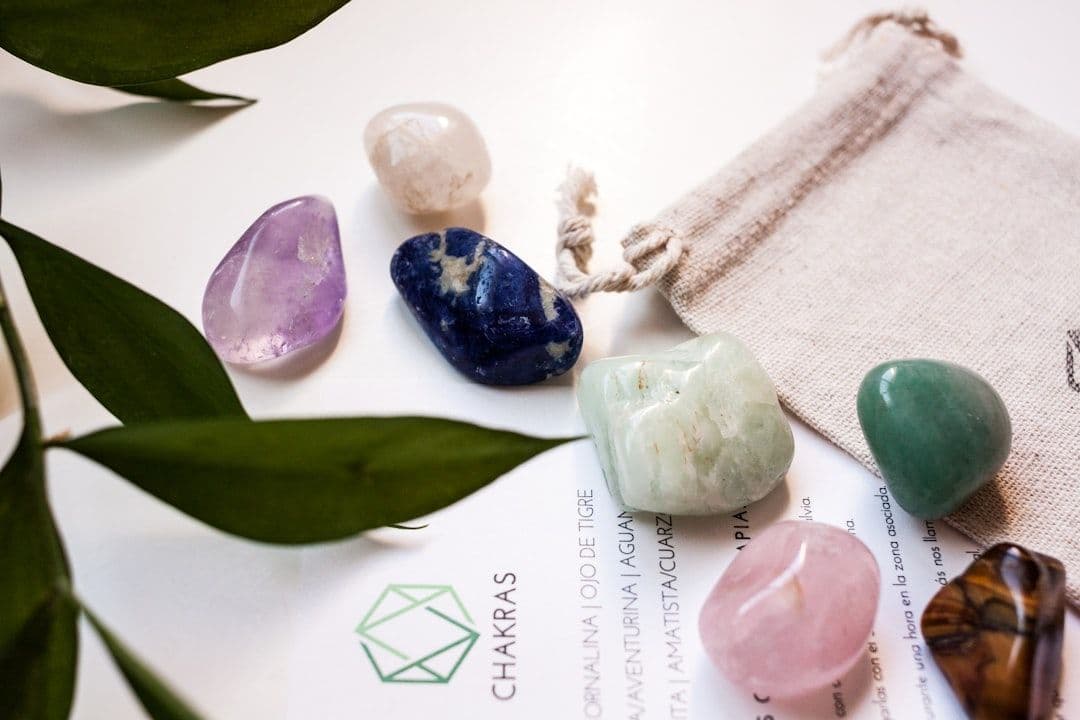
Using techniques like hands-on energy channeling, crystal placement along the chakra points, tuning forks, or singing bowls, your practitioner works through each chakra to encourage balanced, free-flowing energy.
Many people notice warmth, tingling, gentle pulsing, or waves of deep relaxation during this phase. Some feel emotional releases or vivid mental imagery, all of which are considered normal responses.
Near the end of the session the practitioner gently brings your energy back into a grounded, centered state, often using breathwork cues or light touch at the feet to anchor you.
You'll have a few quiet moments to return to full awareness before chatting with your practitioner about what came up. They may suggest hydration, journaling, or gentle rest for the remainder of the day.
The Evidence
What research and tradition say about Chakra Balancing, and how to understand its place in your wellbeing.
Rooted in tradition; not validated by clinical science
Chakra Balancing draws on thousands of years of Hindu and yogic tradition. As a metaphysical framework, it sits outside the scope of scientific measurement, and no peer-reviewed evidence supports the chakra system as a physiological model.
The chakra system describes seven energy centres along the spine, each linked to aspects of physical, emotional, and spiritual life. This is a metaphysical model — it is not mapped to anatomy or physiology. Engaging with it is a matter of personal meaning and tradition, not a health intervention in the conventional sense.
First described in the Vedas and developed through tantric and Ayurvedic literature, chakra concepts spread through Tibetan Buddhism and reached Western audiences in the 20th century. This is a living tradition with deep cultural significance across South and Southeast Asia, and its value is understood within that context.
Some components used in sessions — such as meditation, sound, or guided imagery — have been studied independently, with modest evidence for relaxation and stress support. However, these findings do not validate the chakra framework itself. Evidence for chakra-specific effects is absent, and the concept of measurable energy centres has not been scientifically established.
Practitioners and participants often describe benefits in terms of emotional clarity, reduced tension, and a greater sense of connection to self. These are personal and subjective experiences. Gyfts presents this without inflated outcome claims — the value here is experiential and symbolic, not measurable in clinical terms.
Those with serious mental health conditions, a history of trauma, or who are pregnant should inform their practitioner before a session. Emotional release or heightened sensitivity can occur. People with pacemakers should avoid sessions using electromagnetic or strong crystal-based devices. This practice does not substitute for professional assessment or care.
There is no universal accreditation standard for chakra practitioners. Look for someone transparent about their training, approach, and the limits of what they offer. A trustworthy practitioner will not make inflated outcome claims, will respect your existing healthcare relationships, and will encourage you to maintain contact with qualified health professionals where relevant.
Safety first
General guidance to help you decide whether this approach is appropriate for you. This is informational only and not a substitute for medical, psychological, or professional advice.
If you are experiencing severe distress, suicidal thoughts, psychosis, acute trauma, or another serious mental health concern, seek qualified support first.
This approach is not suitable for diagnosis, treatment instructions, or decisions that require medical, legal, financial, or professional advice.
Look for clear boundaries, transparent pricing, and practitioners who avoid fear-based claims or pressure to book frequent sessions.
Treat any insight as one reflective perspective, not absolute truth. Important decisions should be considered with appropriate professional support.
For you?
A simple, human way to weigh it up. This is general guidance, not personal medical advice — a qualified practitioner can advise on your situation.
Gyfts is a discovery platform, not a medical provider. Nothing here diagnoses, treats or replaces professional care. In an emergency, contact your local emergency number.
Explore approaches
Other practices people often explore alongside chakra balancing.
In their words
FAQ
A typical session involves lying comfortably while the practitioner uses various techniques like energy healing, crystal placement, sound therapy, or meditation to balance your chakras. You remain fully clothed and the experience is generally deeply relaxing. The practitioner may place their hands on or near your body, use crystals or singing bowls, and guide you through breathing or visualization exercises. Sessions usually last 60-90 minutes.
The number of sessions varies greatly depending on your individual needs and goals. Some people feel benefits after just one session, while others prefer regular monthly sessions for ongoing balance and wellness. For specific issues, practitioners often recommend 3-6 sessions initially, then maintenance sessions as desired. Your practitioner will work with you to develop a schedule that feels right for your situation and budget.
Experiences vary widely among individuals. Many people report feeling deeply relaxed, warm, or tingly sensations. Some experience emotional releases, see colors, or have spiritual insights. Others feel very little during the session but notice changes in their mood, sleep, or energy levels in the days following. There's no 'right' way to experience chakra balancing, and not feeling dramatic sensations doesn't mean the session wasn't beneficial.
No, chakra balancing should not replace conventional medical care for serious health conditions. It's best viewed as a complementary practice that supports overall wellness and personal growth. Always consult with healthcare providers for medical concerns and inform them about any complementary therapies you're using. Chakra balancing works well alongside other treatments as part of a holistic approach to health.
While having an open mind can enhance the experience, many people benefit from chakra balancing sessions regardless of their specific beliefs about energy centers. The relaxation, meditation, and mindfulness aspects of the practice can be beneficial even from a purely psychological perspective. What matters most is being comfortable with the process and having realistic expectations about outcomes.
References
Educational sources that inform this overview. Inclusion is for context and does not imply endorsement.
Full citations are maintained by the Gyfts editorial team and reviewed periodically.
Keep exploring
Browse practitioners, explore honest overviews, and take what you learn to a conversation — at your own pace.