Before the Session: What to Expect
As I prepared for my first mindfulness session, I wasn't sure what to expect. I had heard that mindfulness could be beneficial for reducing stress and anxiety, but I wasn't sure how it would work for me. I arrived at the studio a few minutes early, feeling a bit nervous and unsure of what to expect. The instructor greeted me warmly and showed me to a quiet room with a few cushions and chairs. She explained that the session would involve guided meditation and deep breathing, and that I should feel free to ask questions or take breaks whenever I needed to.
Arriving and Setting the Scene
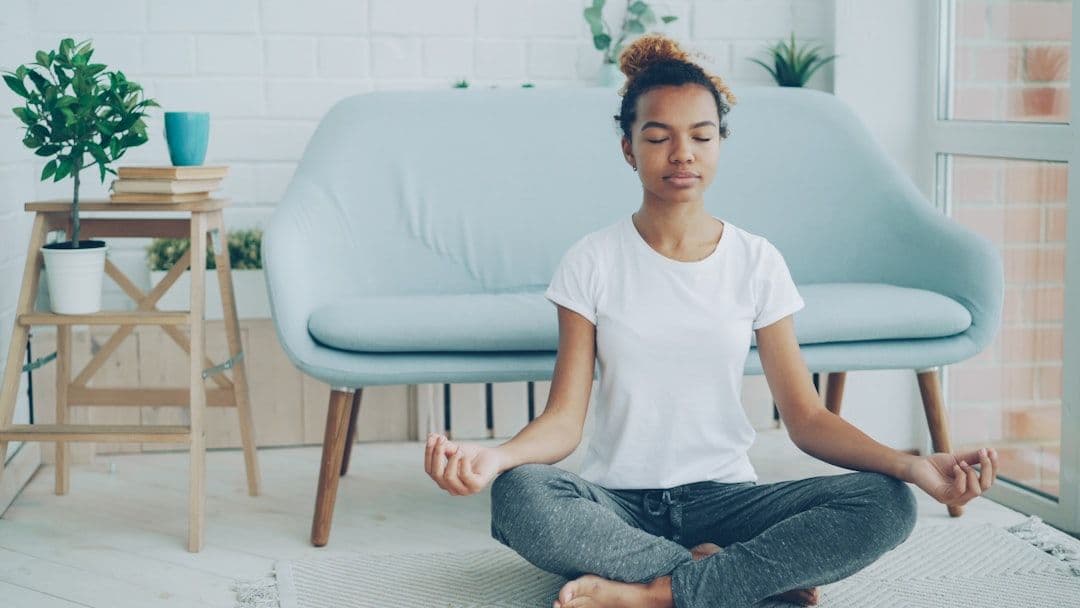
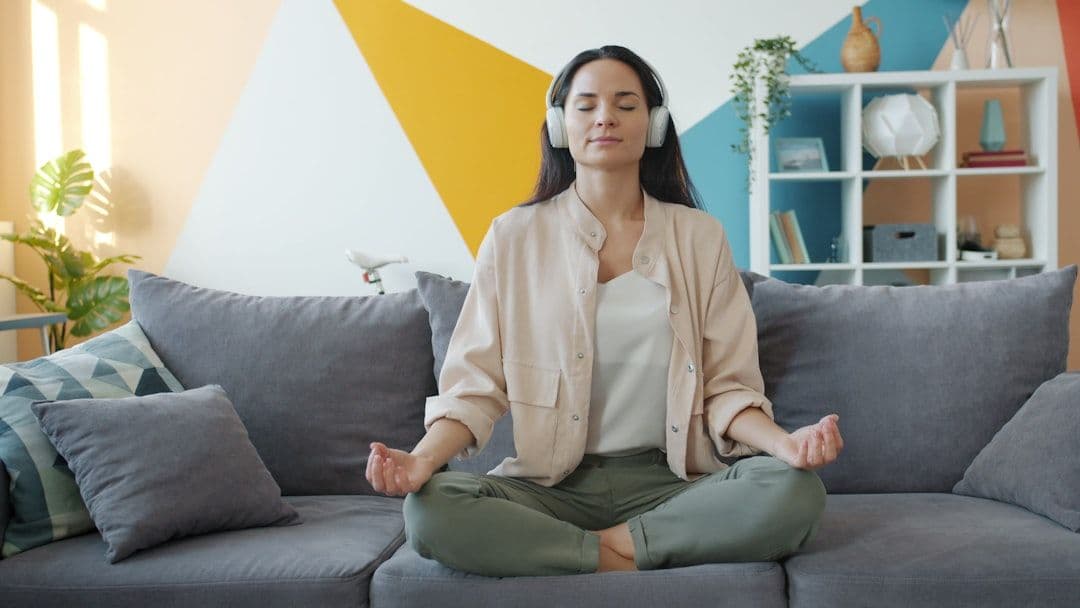
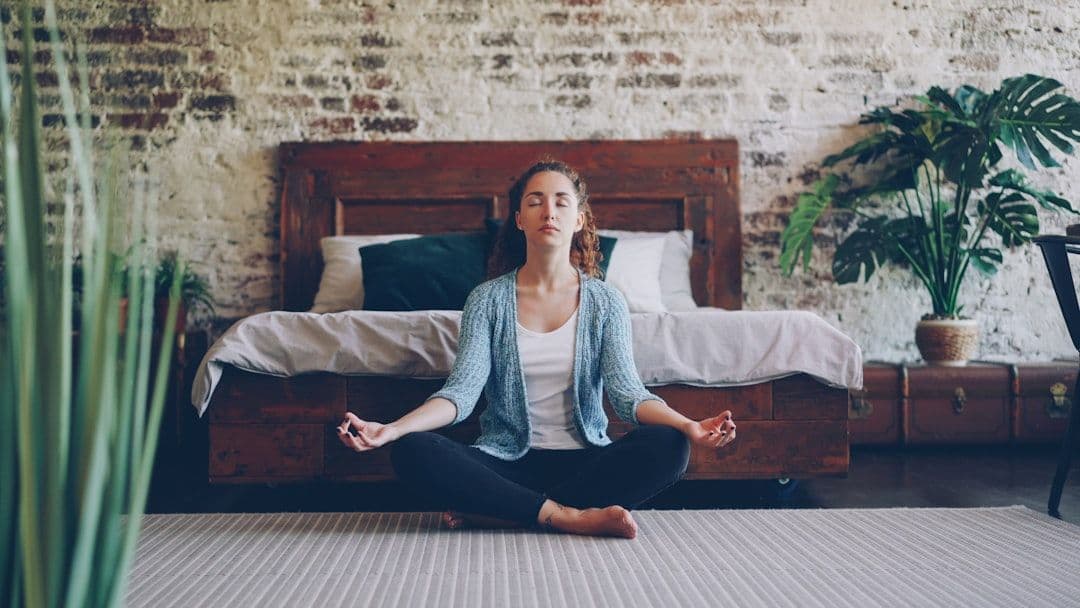
As I settled into the room, I noticed the peaceful atmosphere and the calming scent of essential oils. The instructor asked me to find a comfortable seated position, either on a cushion on the floor or in a chair, and to close my eyes. She then began to guide me through a series of deep breathing exercises, encouraging me to focus on the sensation of the breath moving in and out of the body. As I breathed, I started to feel a sense of relaxation wash over me, and my mind began to quiet.
During the Session
The session itself was surprisingly calming and peaceful. The instructor's voice was soothing, and the guided meditation helped me to focus on the present moment. I found myself becoming more aware of my body and my breath, and I started to notice the subtle sensations and feelings that I often overlook. As the session progressed, I felt my mind becoming quieter and more focused, and I started to feel a sense of clarity and calm that I hadn't experienced in a long time. The instructor encouraged me to be gentle with myself and to allow whatever thoughts or feelings arose to pass without judgment.
How You May Feel Afterwards
After the session, I felt surprisingly calm and relaxed. My mind was quieter, and I felt more centered and grounded. I noticed that my body felt more relaxed, and I had a sense of renewed energy and vitality. The instructor encouraged me to take a few moments to notice how I was feeling, and to allow myself to integrate the experience into my daily life. She also reminded me that mindfulness is a practice, and that it's okay if my mind wanders or if I feel distracted - the goal is to cultivate awareness and kindness, not to achieve a specific state.
Is It Right for You?
As I reflected on my experience with mindfulness, I realized that it may be a valuable tool for anyone looking to reduce stress and anxiety. While it may not be a replacement for medical treatment, it can be a useful complement to other therapies. If you're considering trying mindfulness, I would encourage you to find a qualified instructor and to approach the practice with an open mind. Remember that mindfulness is a journey, and it's okay to take it one step at a time. With regular practice, you may find that you're better able to manage stress and anxiety, and that you're more able to cultivate a sense of calm and well-being in your daily life. It's also important to consult with a qualified healthcare professional before starting any new therapy or practice, especially if you have any underlying medical conditions or concerns.