Preparing for Your Appointment
Arrive wearing loose, comfortable clothing that allows easy access to the treatment areas. Many practitioners work directly on skin, so consider what you're comfortable removing—you'll always be properly draped with towels or sheets.
Avoid heavy meals, alcohol, or anti-inflammatory medications for 2-3 hours beforehand, as these can interfere with your body's natural pain responses during treatment. Stay well hydrated in the days leading up to your session, as dehydrated muscles respond less favourably to deep pressure work.
Bring a list of current symptoms, medications, and any recent injuries or surgeries. Your practitioner will need this information to tailor the treatment safely and effectively. If you've had previous massage therapy, note what worked well and what didn't—this helps guide the session approach.
The Treatment Process
Your session begins with a thorough consultation lasting 10-15 minutes. Your practitioner will assess your posture, movement patterns, and palpate areas of tension to identify trigger points and muscular restrictions. They'll explain their findings and discuss the treatment plan with you.
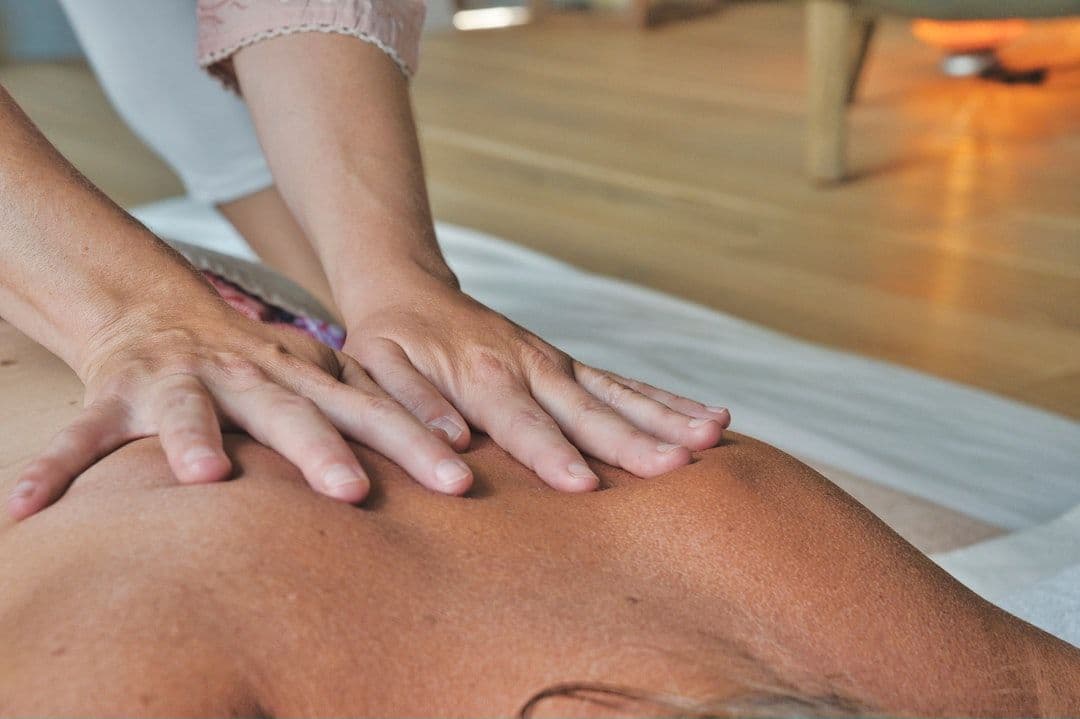
The hands-on work typically lasts 45-75 minutes. Unlike relaxation massage, neuromuscular therapy involves sustained pressure applied to specific points for 30-90 seconds at a time. You'll feel firm, focused pressure that may initially feel uncomfortable but should settle into a sensation practitioners describe as 'therapeutic discomfort'—intense but tolerable.
Your practitioner may use their thumbs, fingertips, knuckles, or specialised tools to access deeper layers of muscle tissue. They'll frequently check in about pressure levels and adjust accordingly. The work often involves holding pressure whilst you breathe deeply, followed by gentle movement or stretching of the treated area.
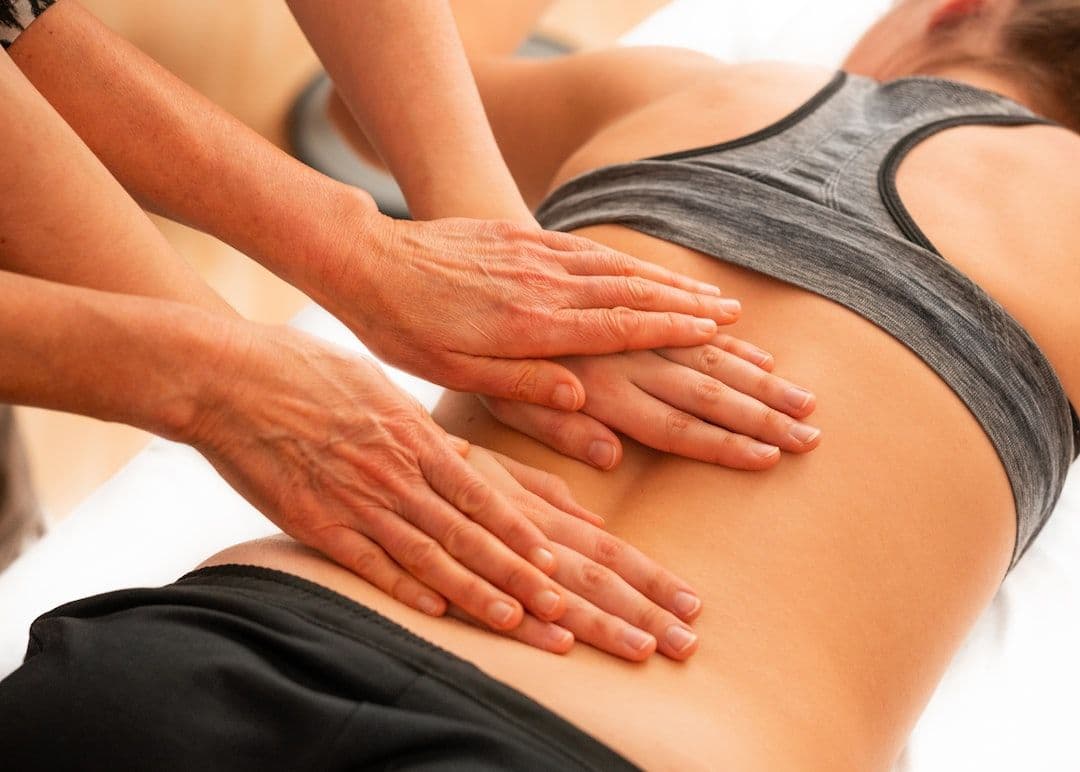
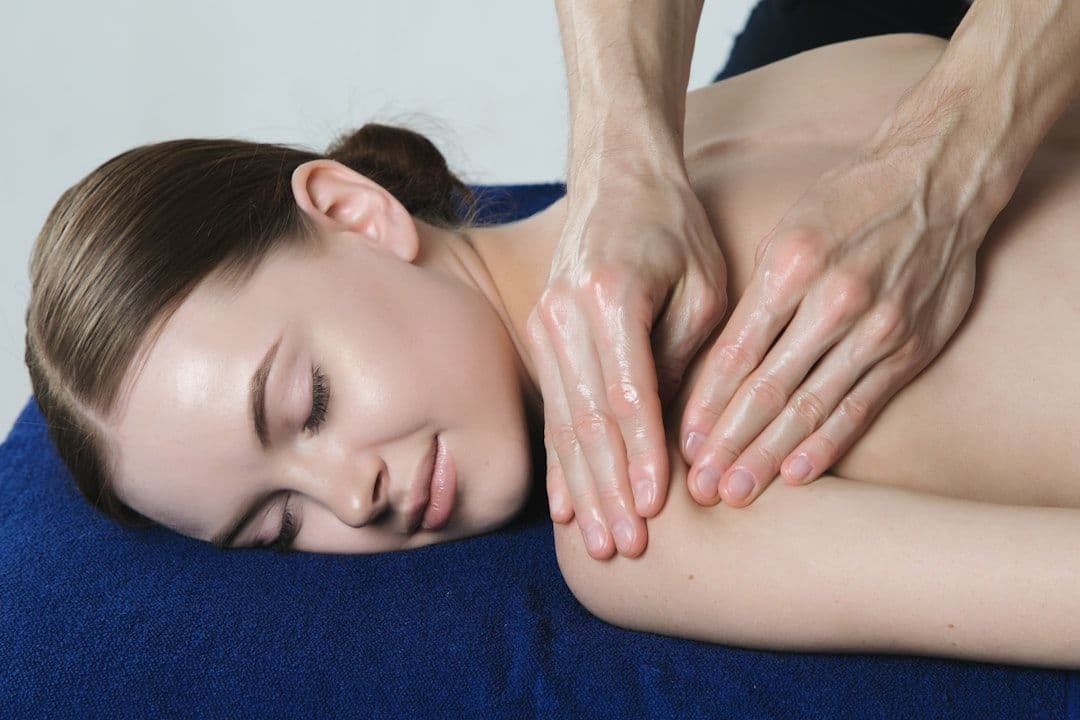
Between trigger point releases, your practitioner may use broader massage strokes to encourage circulation and help your nervous system integrate the changes. The session concludes with gentle movements or light massage to help your body transition back to normal activity.
During and After the Session
During trigger point pressure, you might experience referred sensations—tingling, warmth, or temporary reproduction of familiar pain patterns. This is normal and indicates the practitioner has located relevant tissue dysfunction. Some people report feeling emotional releases or memories surfacing, particularly if tension has been held for a long time.
Immediately after treatment, you may feel somewhat lightheaded or spacey as your nervous system adjusts. Many people describe feeling 'different'—looser in some areas, more aware of their posture, or noticing changes in how they move.
In the 24-48 hours following your session, some muscle soreness is typical, similar to post-exercise discomfort. This usually indicates effective treatment rather than damage. You might also experience improved sleep, temporary fatigue, or heightened emotional sensitivity as your body processes the changes.
Occasionally, symptoms may temporarily worsen before improving—a phenomenon practitioners call a 'healing response.' This typically resolves within 2-3 days and often precedes significant improvement.
Post-Treatment Care
Drink plenty of water for 24-48 hours after your session to support your body's natural healing processes and help flush metabolic waste from treated tissues. Avoid alcohol, intense exercise, or hot baths for the remainder of the day to prevent overwhelming your system.
Gentle movement like walking or light stretching can help integrate the treatment effects, but avoid aggressive stretching or exercise until any post-session soreness subsides. Apply heat to sore areas if comfortable, but avoid ice unless specifically advised by your practitioner.
Pay attention to changes in your symptoms, sleep patterns, and movement quality over the following days. Keep notes about what improves and what remains challenging—this information guides future sessions.
If you experience severe pain, unusual swelling, or symptoms that concern you, contact your practitioner promptly. While some discomfort is normal, significant adverse reactions are uncommon but should be addressed immediately.
Treatment Courses and Expectations
Most practitioners recommend starting with weekly sessions for 4-6 weeks, then spacing treatments further apart as symptoms improve. Acute issues may show improvement within 2-3 sessions, whilst chronic conditions often require 6-8 treatments to achieve lasting change.
Each subsequent session builds on previous work, with your practitioner reassessing progress and adjusting techniques accordingly. As trigger points release and movement patterns improve, sessions may become less intense and more focused on maintenance.
Long-term maintenance varies considerably based on your lifestyle, stress levels, and physical demands. Some people benefit from monthly sessions to prevent tension accumulation, whilst others may only need occasional treatment when symptoms flare.
Your practitioner should regularly review your progress and adjust treatment frequency accordingly. If you're not experiencing meaningful improvement after 4-6 sessions, they may recommend modifications to the approach or refer you to other specialists for additional assessment.