What it is
Deep, targeted therapy that releases muscle knots and eases pain through precise manual pressure.
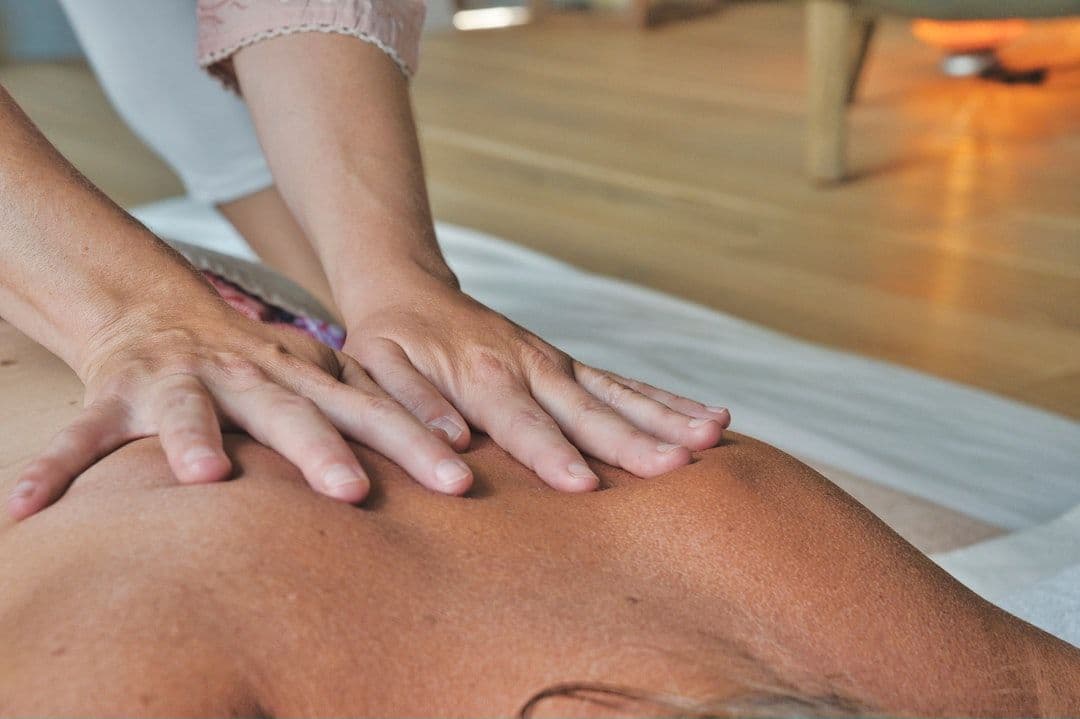
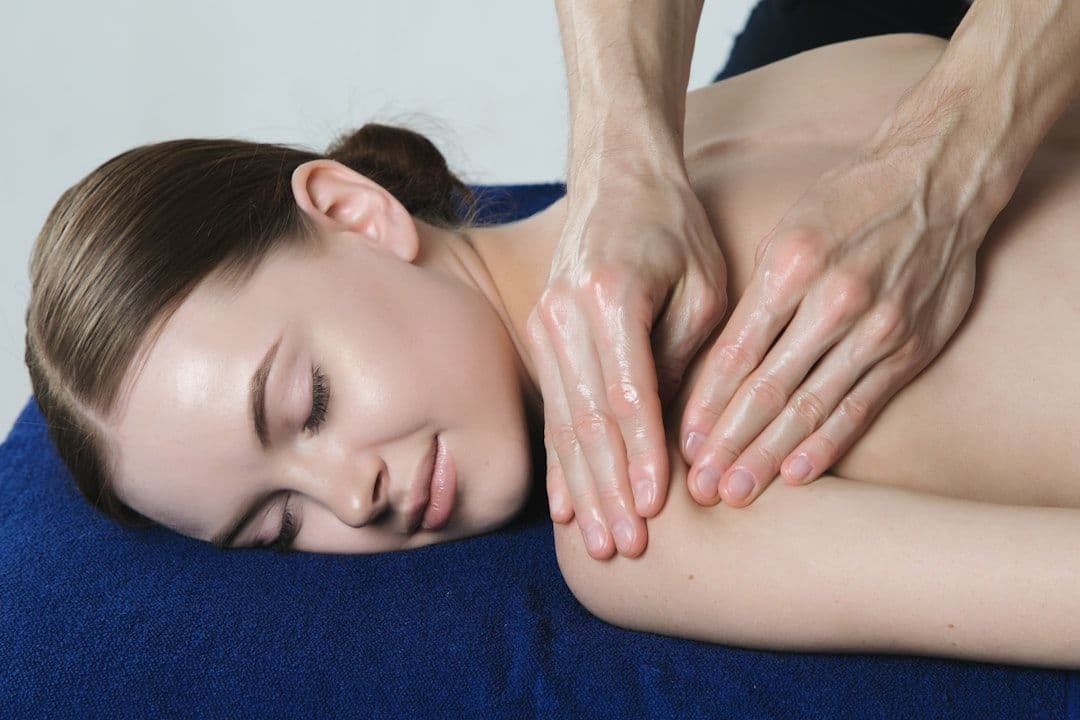
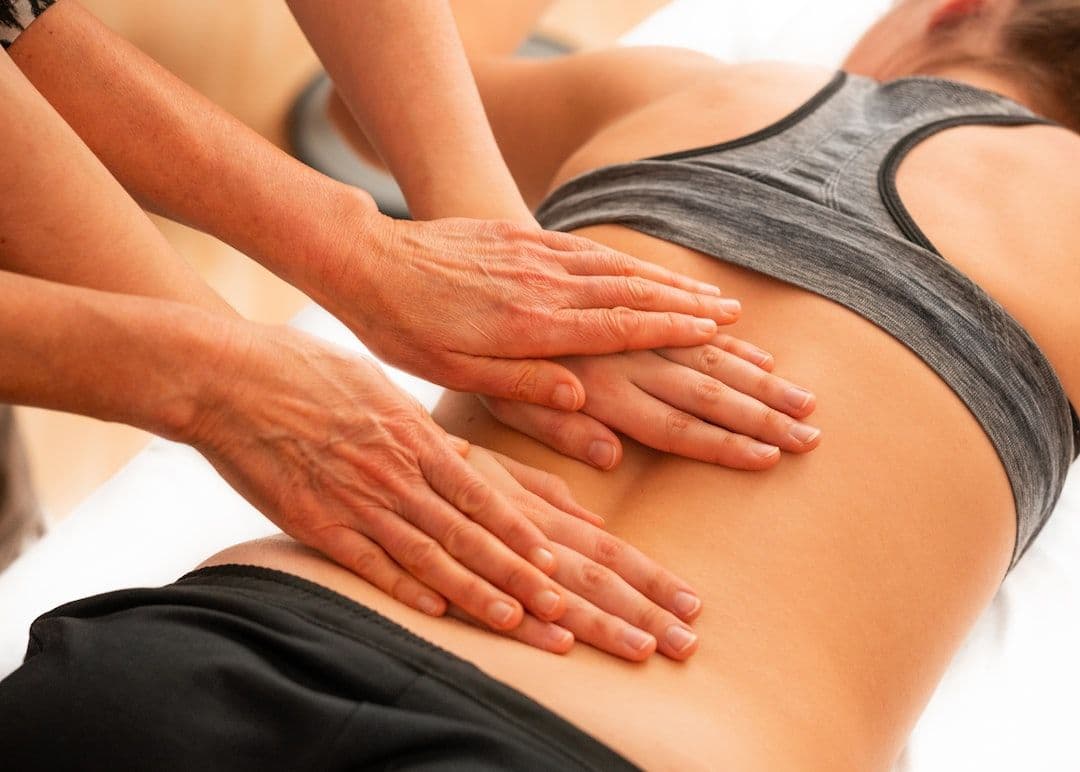
Neuromuscular Massage is a specialized massage therapy technique that combines deep tissue work, trigger point therapy, and manual manipu...
At a glance
What it is
Deep, targeted therapy that releases muscle knots and eases pain through precise manual pressure.
Why explore it
Worth exploring if chronic back pain, tension headaches, or stubborn muscle tightness is holding you back.
How it’s experienced
Expect focused pressure on tight spots — brief discomfort is normal, and mild soreness fades within a day.
Evidence context
Research shows real promise for pain relief, though results vary by condition, person, and practitioner skill.
See the evidence snapshotSafety
Low risk with a trained therapist — check with your doctor if you have surgery, clotting issues, or cancer history.
See staying safeHistory & Origin
Neuromuscular Massage is a massage therapy modality that targets muscular and nervous system issues for pain relief and improved function.
Neuromuscular Massage evolved from traditional massage therapy in the latter half of the 20th century as practitioners and researchers began focusing specifically on the relationship between muscle dysfunction and nerve irritation. In the 1980s and 1990s, therapists like Diane Thompson and others developed systematic approaches to identifying and treating trigger points and muscular restrictions that affect nerve function. The modality draws on principles from neurobiology, myofascial release theory, and trigger point therapy, synthesizing knowledge about how tight muscles can compress nerves and disrupt normal neurological signaling.
The development of neuromuscular massage was significantly influenced by the work of Dr. Janet Travell, whose trigger point research demonstrated how referred pain patterns originate in muscular knots and tension, often affecting sensory and motor nerve function. As evidence accumulated showing the interconnected nature of muscular and nervous system dysfunction, practitioners refined techniques to specifically address these pathways. The modality gained recognition through professional massage therapy organizations and clinical settings, becoming integrated into sports medicine, rehabilitation, and pain management protocols.
Today, neuromuscular massage is practiced globally as both a standalone therapy and as part of integrated treatment approaches. It has influenced physical therapy, athletic training, and manual medicine practices, with training programs now available through various massage therapy schools and continuing education providers. The approach remains practical and evidence-informed, continuously refined as research elucidates the mechanisms of myofascial pain and nervous system involvement in musculoskeletal dysfunction.
Mechanism
Neuromuscular Massage is generally described as working through skilled touch, careful pacing, and the body's response to pressure, movement, warmth, or stillness. Practitioners may focus on muscle tone, joint comfort, circulation, breath, or relaxation depending on the method. Traditional explanations may also include energy flow or whole-person balance. Research support varies by modality, so the experience is best framed as supportive care with outcomes that vary. Neuromuscular massage applies sustained pressure and targeted manipulation to muscle tissue, particularly at trigger points—localised areas of tension and dysfunction.
Your first visit
A typical session outline to help you feel prepared
A neuromuscular massage session combines careful assessment with focused hands-on pressure to address trigger points and muscle tension patterns holding you back.
Your therapist will ask about your pain patterns, posture habits, past injuries, and daily activities to understand what's driving your muscle tension before any hands-on work begins.
You'll stand or move through a few simple motions while the therapist observes how your body compensates, helping them map out which muscles may be overworked or underactive.
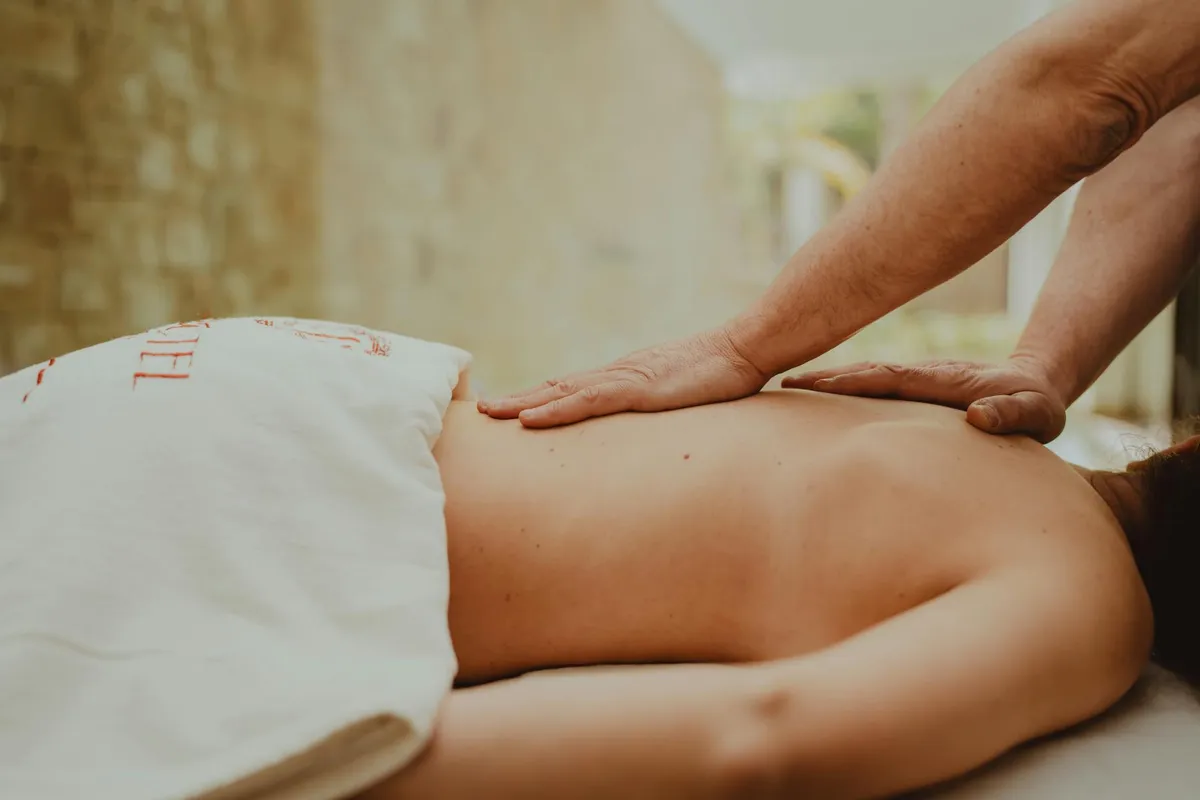
You'll undress to your comfort level and lie on a padded massage table, draped with a sheet throughout — only the area being worked on is uncovered at any time.
The therapist uses slow, deliberate fingertip pressure to feel for tight bands and tender nodules in specific muscles, often asking if a spot reproduces your familiar ache or refers sensation elsewhere.
Once a trigger point is found, the therapist holds firm, focused pressure for several seconds to a couple of minutes — you may feel a dull, achy intensity that gradually softens as the tissue releases.
Between trigger point holds, the therapist uses slow deep strokes and passive muscle stretching to improve blood flow, reduce muscle guarding, and reinforce the release work.
Your therapist will regularly ask about pressure and sensation — this feedback loop is essential in neuromuscular work, so speak up if anything feels too sharp or uncomfortable.
Your session ends with a brief check-in about how your body feels, and your therapist will share stretches or postural tips to help you maintain progress between appointments.
The Evidence
What research says about neuromuscular massage, where the evidence is strong, and where gaps remain.
Supported for musculoskeletal pain, with research limitations
Neuromuscular massage has a growing evidence base for pain relief and muscle function, particularly for trigger point-related conditions. Study quality varies, and standardisation across practitioners remains a challenge.
Multiple studies support sustained pressure on trigger points as a way to reduce localised tenderness, referred pain, and muscular restriction. Evidence for conditions like lower back pain, neck pain, and tension headaches is reasonably consistent. Overall evidence is rated moderate — meaningful but not conclusive.
Many studies lack rigorous control groups, making it hard to separate specific effects from general massage benefits or placebo response. There is no single standardised neuromuscular massage protocol, so findings across studies are not always directly comparable. Researchers often group it within broader manual therapy categories.
Within the MACH framework, this modality sits in the Complementary category — meaning it is typically used alongside conventional care rather than instead of it. It is not a substitute for professional assessment of undiagnosed pain or neurological symptoms, and inflated outcome claims should be viewed with caution.
Practitioners and physiotherapists sometimes integrate neuromuscular techniques into broader rehabilitation programmes for musculoskeletal conditions. Its use in these contexts is generally considered low-risk and may support recovery from injury or overuse when applied by a qualified practitioner.
Consult a doctor before starting if you have undiagnosed pain, recent surgery, active infection, blood clotting disorders, severe osteoporosis, or uncontrolled blood pressure. Absolute contraindications include active skin infections, acute fractures, and malignant tumors in treatment areas. Pregnancy requires modified techniques.
Neuromuscular massage is not a single regulated credential in all countries. Practitioners may come from massage therapy, physiotherapy, or manual therapy backgrounds. Ask about specific training in neuromuscular techniques, experience with your condition, and whether they work collaboratively with other health professionals when needed.
Safety first
General guidance to help you decide whether this approach is appropriate for you. This is informational only and not a substitute for medical, psychological, or professional advice.
If you are pregnant, managing a health condition, recovering from injury or surgery, or taking medication, consult a qualified healthcare professional first.
Some situations call for extra care or a different approach. Share any conditions, injuries, or sensitivities with your practitioner before your first session.
Mild, short-lived effects such as tenderness, tiredness, or temporary soreness can occur. Rest, hydrate, and tell your practitioner how you respond.
Look for clear boundaries, transparent pricing, and practitioners who avoid fear-based claims or pressure to book frequent sessions.
For you?
A simple, human way to weigh it up. This is general guidance, not personal medical advice — a qualified practitioner can advise on your situation.
Gyfts is a discovery platform, not a medical provider. Nothing here diagnoses, treats or replaces professional care. In an emergency, contact your local emergency number.
Explore approaches
Other practices people often explore alongside neuromuscular massage.
In their words
FAQ
Regular or relaxation massage focuses on promoting relaxation and general wellness through broader strokes and lighter pressure. Neuromuscular Massage is more targeted and therapeutic, using sustained pressure on specific trigger points and muscle restrictions to address pain and dysfunction. Neuromuscular techniques are based on identifying and treating the underlying muscular and neurological causes of symptoms, rather than simply promoting relaxation.
Neuromuscular massage involves deeper pressure than relaxation massage, and working on tight, tender muscles can feel uncomfortable. However, discomfort should be manageable—your practitioner should work within your tolerance and adjust pressure based on your feedback. You should communicate if pressure is too intense. Some mild soreness after treatment (similar to light exercise soreness) is common but usually resolves within 24-48 hours. If you experience sharp or severe pain during or after treatment, inform your practitioner immediately.
The number of sessions needed depends on the nature and duration of your condition. Acute muscle tension or recent injuries may resolve in 4-8 sessions, while chronic conditions often require longer treatment. Your practitioner will assess your progress regularly and may recommend weekly sessions initially, tapering to biweekly or monthly as you improve. Some people use neuromuscular massage as ongoing maintenance care for chronic conditions or to prevent recurring problems.
Neuromuscular Massage works best as part of a comprehensive treatment approach rather than as a standalone replacement for physical therapy. While massage addresses muscle tension and trigger points, physical therapy targets strength, flexibility, movement patterns, and functional training. Many practitioners recommend combining both modalities—massage to address muscular restrictions and reduce pain, and physical therapy to restore strength and proper movement patterns. Discuss with your healthcare provider about how to best integrate these approaches.
Your practitioner will typically provide specific recommendations based on your condition. This may include gentle stretching, self-massage techniques, heat or ice application, postural awareness, activity modifications, and strengthening exercises. Staying hydrated and avoiding strenuous activity immediately after sessions supports tissue recovery. Consistency with home care significantly improves outcomes—many treatment plateaus are due to lack of follow-through with recommended activities between sessions.
Most people experience no serious side effects. Common, temporary effects include mild soreness (24-48 hours), slight bruising in some cases, or temporary fatigue as your body responds to the work. These typically resolve quickly. Rarely, some people may experience temporary increased symptoms as tissues adjust, though this should resolve shortly. If you experience persistent pain, increased symptoms, or unusual reactions, contact your practitioner or healthcare provider immediately.
Neuromuscular Massage can help with nerve-related pain caused by muscular compression or irritation, such as sciatica from muscle tension, nerve impingement from tight muscles, or referred pain patterns from trigger points. However, neuromuscular massage is not appropriate for all nerve conditions. If your nerve pain is caused by structural issues (disc herniation, spinal stenosis) or neurological diseases, medical evaluation is essential. Your healthcare provider can determine whether neuromuscular massage is appropriate for your specific nerve-related symptoms.
Look for a licensed massage therapist (LMT or equivalent, depending on your location) with specific training and experience in neuromuscular techniques. Ask about their credentials, training in trigger point therapy or myofascial release, and experience with your specific condition. Many practitioners have additional certifications in specialized techniques. Don't hesitate to ask about their approach, experience, and how they develop treatment plans. A good practitioner will conduct a thorough evaluation, communicate clearly about findings and recommendations, and adjust treatment based on your response.
References
Educational sources that inform this overview. Inclusion is for context and does not imply endorsement.
Full citations are maintained by the Gyfts editorial team and reviewed periodically.
Keep exploring
Browse practitioners, explore honest overviews, and take what you learn to a conversation — at your own pace.