What It Is
Sudden, involuntary lower-leg muscle contractions, often striking at night without warning
Understanding why your calves cramp and what may help

At a glance
What It Is
Sudden, involuntary lower-leg muscle contractions, often striking at night without warning
How It Presents
Sharp seizing pain lasting seconds to minutes, with lingering soreness and muscle tenderness
What May Help
Magnesium repletion, hydration, electrolyte balance, and targeted calf stretching routines
Evidence Context
Moderate evidence supports hydration and magnesium; stretching shows consistent practical benefit
See the evidence snapshotWhen to Seek Help
Seek care for calf swelling, redness, warmth, or cramps tied to neurological symptoms
Explanation
Calf cramps are involuntary, painful, and sustained contractions of the gastrocnemius and soleus muscles. They occur frequently at night (nocturnal leg cramps) or during exercise. While often benign, they can be severely disruptive to sleep and daily function. Exercise-associated muscle cramps are linked to muscle fatigue and altered neuromuscular control. Nocturnal cramps are associated with dehydration, electrolyte imbalance, circulatory compromise, nerve compression, and various medications.
Could this be you
Calf cramps shows up differently for everyone. Browse by how it tends to be felt — these are common experiences, not a checklist or a diagnosis.
Common experiences people describe — not a diagnostic checklist.
Why it happens
Calf cramps usually comes from a mix of factors rather than a single cause. These are common contributors — not certainties.
Low magnesium, potassium, or sodium levels may disrupt the nerve signals that control muscle relaxation in the calf.
Physical overexertion or sudden increases in exercise intensity may fatigue calf muscles, raising cramp likelihood.
Conditions affecting circulation or nerve function, and medications like diuretics or statins, may increase cramp frequency.
Cramps occur most often at night, possibly linked to reduced circulation and prolonged stillness during sleep.
What happens in the body
Calf cramps can involve several of the body’s systems. These are common patterns researchers describe — how they show up varies from person to person.
The gastrocnemius and soleus muscles may fire involuntarily and sustain a painful contraction when motor neuron activity becomes dysregulated due to fatigue or altered muscle length.
Overactive motor neuron signaling and reduced inhibitory feedback from muscle spindles may lower the threshold for spontaneous, uncontrolled muscle firing in the calf.
Low levels of magnesium, potassium, or sodium may impair the electrochemical gradients that regulate muscle cell excitability, potentially making cramps more likely to occur.
Reduced blood flow to the lower legs may limit oxygen and nutrient delivery to calf muscles, contributing to metabolic conditions that can trigger or worsen involuntary contractions.
Process
Management
Regular calf stretching, particularly before sleep and after exercise, is widely recommended and some people find it helps reduce both frequency and intensity of cramping episodes.
Magnesium is commonly explored for muscle cramp support. Some practitioners suggest it may help regulate muscle contraction, particularly when dietary intake is low. A doctor can advise on suitability.
Maintaining adequate fluid intake alongside sodium, potassium, and magnesium levels may support reduced cramping, especially in those who sweat heavily or take diuretics.
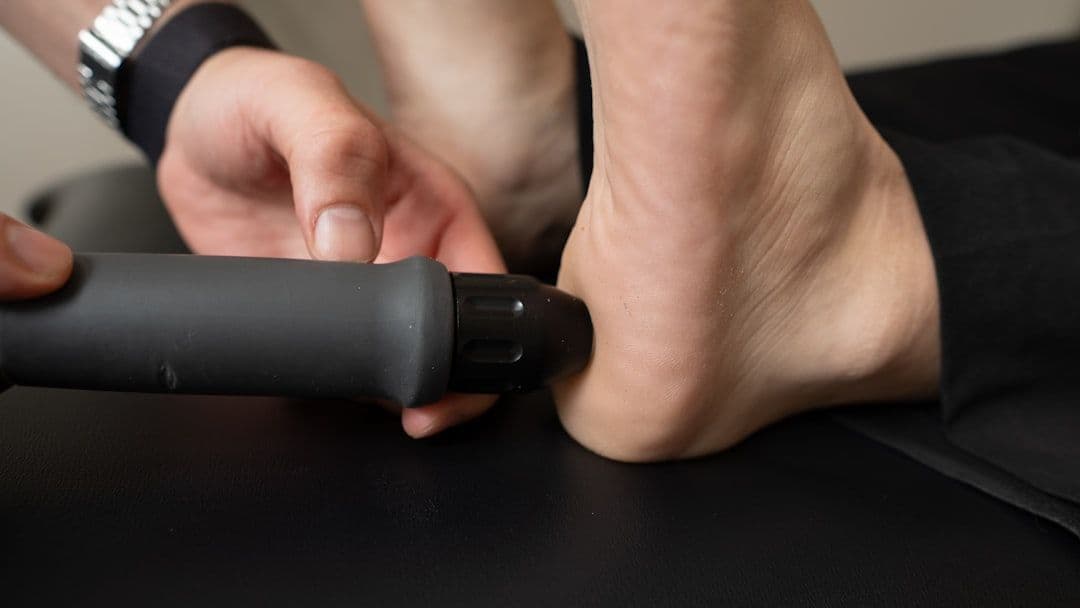
Therapies such as sports massage, deep tissue massage, and myofascial release may help ease calf muscle tension and residual soreness between cramp episodes, and some people find regular sessions supportive.
A doctor may discuss whether medications such as statins or diuretics are contributing to cramping frequency and explore adjustments. Quinine is occasionally considered in persistent cases, though its use is carefully weighed against risks.
Self-Care
A standing wall stretch held for 30 seconds on each side before sleep may help reduce nighttime cramping for some people.
Drinking water steadily throughout the day, rather than in large amounts at once, may support muscle function and reduce cramp frequency.
Including magnesium-rich foods like leafy greens, nuts, and seeds, along with potassium from bananas or sweet potato, may support normal muscle contraction.
Some people find a magnesium glycinate or citrate supplement taken in the evening supports reduced cramping, though individual responses vary.
Pulling the toes toward the shin for several seconds, repeated a few times daily, may help maintain calf flexibility and ease cramp intensity.
The Evidence
What research and clinical practice currently suggest about calf cramps, their causes, and approaches to reducing their frequency.
Benign but disruptive — prevention is better than relief
Calf cramps are well understood mechanically, though the evidence for specific interventions varies. Stretching, hydration, and addressing underlying causes have the strongest support; other approaches show promise but remain less conclusive.
Regular calf stretching before sleep has reasonable evidence for reducing nocturnal cramp frequency. Hydration and electrolyte balance are widely recommended, particularly for exercise-related cramps. Magnesium supplementation is commonly used but trial results are inconsistent — it may help some individuals more than others. Quinine has evidence but is restricted in many countries due to safety concerns.
Nocturnal leg cramps are among the most common musculoskeletal complaints in adults, particularly older adults. Exercise-associated cramps are linked to muscle fatigue and neuromuscular dysregulation. When cramps are frequent, severe, or accompanied by other symptoms, clinicians typically look for contributing factors such as medication side effects, circulatory issues, or nerve compression.
Calf swelling combined with pain can indicate deep vein thrombosis, which requires urgent assessment — do not self-manage this presentation. Cramps that follow long periods of immobility, are accompanied by neurological symptoms, or cause frequent severe sleep disruption also warrant professional review. These presentations go beyond typical benign cramping and need proper evaluation.
Massage therapy, physical therapy, and yoga-based stretching are commonly used to support muscle flexibility and reduce cramp frequency. Nutritional therapy may explore electrolyte and mineral intake. Acupuncture is used in some settings, though evidence specific to calf cramps is limited. These approaches are generally low-risk and may complement, not replace, professional assessment where underlying causes are suspected.
Consistent calf stretching, adequate daily hydration, and attention to dietary electrolytes — particularly magnesium and potassium — are reasonable starting points. Reviewing medications with a prescriber is worthwhile if cramps began or worsened after starting a new drug. For exercise-related cramps, pacing, warm-up, and post-exercise recovery practices are commonly recommended.
Much of the research on calf cramp prevention involves small samples or short follow-up periods. Magnesium supplementation trials have produced inconsistent results across populations. The mechanisms behind nocturnal cramps are not fully resolved, making it difficult to predict which interventions will work for a given individual. Personalised professional guidance is more reliable than a one-size-fits-all approach.
Safety first
Calf cramps is manageable, and support helps. Some situations call for prompt professional help.
Explore approaches
Practices people explore for calf cramps — alongside professional care.
FAQ
Night cramps may relate to prolonged inactivity, reduced circulation, or shifts in electrolyte balance during sleep. Some people find that a brief stretching routine before bed helps reduce how often cramps occur overnight.
Some practitioners suggest magnesium repletion for people whose cramps may be linked to low magnesium levels. Evidence is moderate and individual responses vary, so it is worth discussing with a healthcare provider before supplementing.
Targeted calf stretching, staying well hydrated, and balancing electrolytes like potassium and sodium are commonly explored. Some people also find warm baths or foam rolling before bed helps ease muscle tension.
See a doctor if cramps are frequent, severe, or regularly disrupting sleep. Seek urgent care if you notice calf swelling, redness, or warmth, especially after long periods of immobility, as these require DVT exclusion.
Dehydration is commonly associated with muscle cramping and some people find that consistent daily fluid intake reduces cramp frequency. Electrolyte losses through sweat may also play a role, particularly after exercise.
Keep exploring
Browse practitioners, explore honest overviews, and take what you learn to a conversation — at your own pace.