The Research Landscape
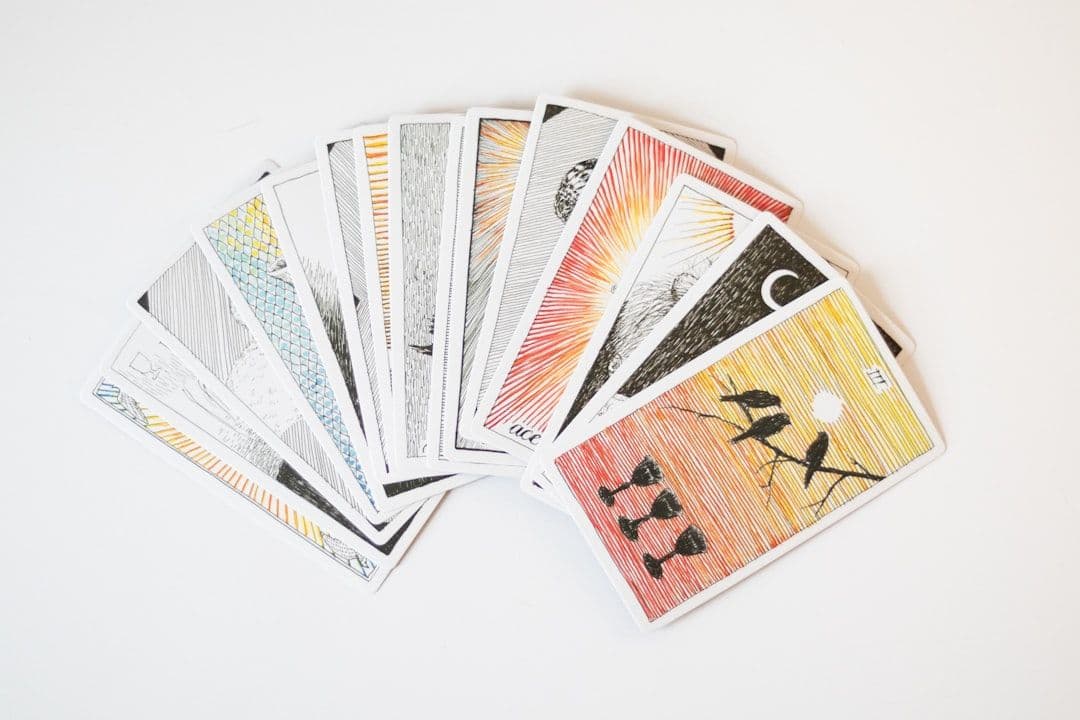
Oracle cards occupy a unique position in the wellbeing landscape: they are widely used by practitioners and seekers, yet they lack the clinical trial evidence and peer-reviewed research that characterizes conventional mental health interventions. A systematic search of PubMed, PsycINFO, and Google Scholar reveals no randomized controlled trials or rigorous efficacy studies isolating oracle cards as a treatment for anxiety, depression, grief, or other conditions. Instead, the evidence base consists primarily of traditional use documentation, qualitative practitioner reports, and anecdotal user testimonials. This is not unusual for metaphysical or complementary practices, many of which have historical precedent but limited contemporary scientific validation. The absence of clinical evidence does not mean oracle cards are ineffective—it means their mechanisms and outcomes have not been studied with the same rigor applied to pharmacological or behavioral interventions. Understanding this distinction is crucial for seekers: oracle cards may offer genuine value as reflective and self-awareness tools, but this value appears to stem from psychological and mindfulness principles rather than any supernatural or predictive property. As with other card-based or symbolic divination tools, the primary mechanism of benefit appears to be psychological projection and narrative processing, wherein users project their own thoughts, feelings, and concerns onto ambiguous or symbolic imagery, thereby facilitating self-reflection and perspective-shifting. This mechanism is well-documented in psychological literature regarding projective techniques, though oracle cards themselves have not been the subject of such study.
Where Evidence Is Strongest
Evidence for oracle cards is strongest in supporting their use as reflective and narrative tools rather than as diagnostic or curative interventions. The clearest and most consistent reports center on their potential to facilitate emotional processing and self-awareness, particularly in contexts of grief, life transitions, and personal exploration. Practitioners and users commonly describe oracle cards as mirrors or catalysts for introspection—they serve to externalize internal states and prompt articulation of previously unspoken thoughts or feelings. This function aligns with established principles from narrative therapy and expressive writing, both of which have documented benefits for emotional wellbeing and emotional processing. The research supporting these underlying mechanisms is robust: narrative therapy is evidence-based for depression, anxiety, and trauma; expressive writing has demonstrated benefit for stress, grief, and adjustment; and mindfulness practices, which oracle card sessions often incorporate, have strong evidence for reducing anxiety and supporting emotional regulation. Additionally, the traditional use of oracle cards is well-documented across many cultural and spiritual traditions spanning centuries, indicating consistent and broad application. This long history of use provides what might be termed traditional evidence—evidence of safety, cultural acceptance, and reported benefit—though it does not constitute clinical proof of efficacy. Where evidence is strongest, then, is in the conceptual framework: oracle cards appear to work through mechanisms that are themselves evidence-based, even if oracle cards specifically have not been studied as an intervention.
Emerging Areas of Study
While formal research on oracle cards remains minimal, several adjacent areas of investigation may inform future understanding of their role in wellbeing. First, the growing body of research on projective psychological assessment—including the Rorschach inkblot test and Thematic Apperception Test—offers a theoretical framework for understanding how individuals interact with ambiguous visual stimuli and what that interaction reveals about cognition and emotion. Second, studies on symbolic therapy and metaphor in therapeutic contexts indicate that symbolic and imaginative work can facilitate emotional processing and perspective shifts. Third, research on mindfulness and contemplative practices, including meditation and reflective journaling, demonstrates measurable benefits for anxiety, stress, and emotional regulation. Each of these areas provides indirect support for mechanisms that oracle card sessions may engage. Additionally, qualitative research on user experiences with oracle cards—though limited—consistently reports themes of insight, clarity, emotional release, and perspective shift. As interest in complementary and holistic practices grows, researchers may increasingly investigate oracle cards using mixed-methods approaches or qualitative design, potentially generating evidence on user experiences, psychological mechanisms, and appropriate populations or contexts. However, such research remains nascent, and clinical trials specifically examining oracle cards as an intervention remain absent from the literature.
Limitations and Gaps in the Research
The evidence base for oracle cards is limited by several substantial gaps. Most critically, there are no randomized controlled trials, no active-control comparisons, and no longitudinal follow-up studies examining oracle card use for mental health conditions. This means we cannot determine whether perceived benefits exceed placebo effect, spontaneous remission, or regression to the mean. Second, there is no standardized protocol for oracle card sessions or interpretation, making it difficult to operationalize the intervention or achieve replicability—core requirements for rigorous research. Third, published peer-reviewed research on oracle cards themselves is virtually nonexistent; nearly all available literature is anecdotal, practitioner-authored, or from non-academic sources. Fourth, the population of oracle card users may be self-selected for openness to symbolic work and introspection, introducing significant selection bias and limiting generalizability. Fifth, the placebo or expectancy effect cannot be separated from any intrinsic benefit of the cards themselves, given that users typically approach cards with positive expectations. Finally, oracle cards lack a biological or mechanistic basis that can be measured objectively—unlike antidepressants, which can be measured in the bloodstream, or cognitive-behavioral therapy, which can be assessed through objective behavioral change. These gaps mean that while oracle cards may offer genuine value for some users in specific contexts, claiming they treat, prevent, or cure any mental health condition would be premature and misleading. Any clinical integration or recommendation should frame oracle cards strictly as a complementary reflective tool, never as a replacement for evidence-based care.
What This Means for You
If you are interested in using oracle cards as part of your wellbeing practice, understanding the evidence landscape can help you use them safely and effectively. First, approach oracle cards as a tool for self-reflection and perspective-shifting, not as a diagnostic, predictive, or curative device. They may help you explore your thoughts, feelings, and circumstances more deeply, but they cannot diagnose a mental health condition or replace professional assessment and treatment. Second, if you are experiencing significant anxiety, depression, grief, burnout, or other mental health challenges, consult a qualified therapist, counselor, or doctor before or alongside using oracle cards. Oracle cards may complement your therapeutic work by supporting reflection and mindfulness, but they are not a substitute for professional care. Third, be mindful of the limitations of symbolic interpretation: the meaning you derive from an oracle card reflects your own projections and associations, not external truth or prediction. This is valuable for self-awareness, but it is not a basis for major life decisions. Fourth, if you are using oracle cards and notice that they increase anxiety, rumination, avoidance of necessary care, or distress, discontinue use and seek professional support. Finally, seek out practitioners who are transparent about the limitations of oracle cards, who do not make medical or diagnostic claims, and who actively encourage professional healthcare consultation when appropriate. The growing interest in holistic and metaphysical practices is understandable, but it is essential to maintain realistic expectations and to integrate oracle cards within a broader framework of evidence-based and professional care. For many people, oracle cards can offer meaningful reflective practice and emotional support—as long as they are used thoughtfully, with appropriate skepticism about their scope and limitations.