What it is
Oracle cards use symbolic imagery to spark personal reflection and spiritual exploration.
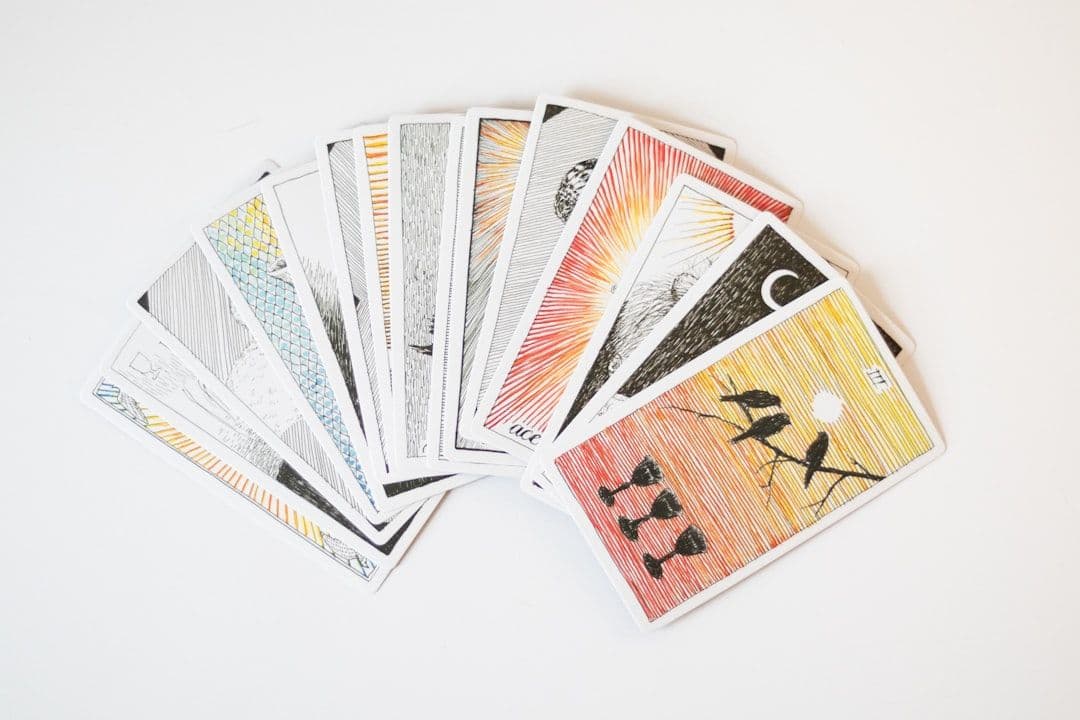
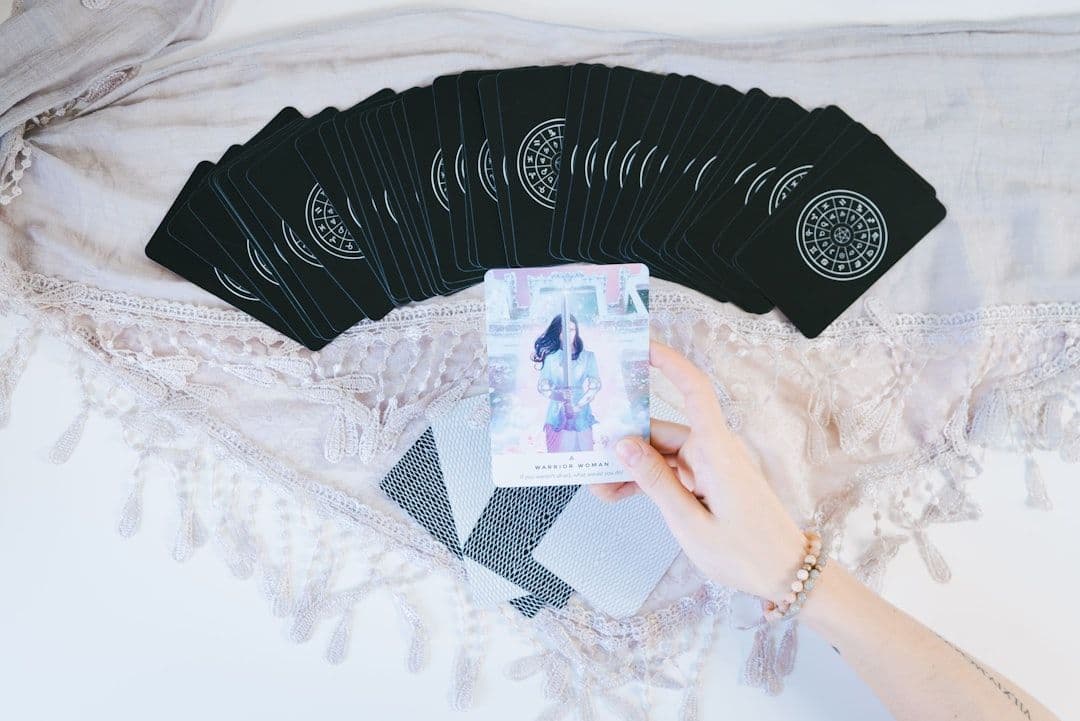
Oracle Cards are a divination practice using illustrated card decks to seek spiritual guidance, insights, and messages for self-reflectio...
At a glance
What it is
Oracle cards use symbolic imagery to spark personal reflection and spiritual exploration.
Why explore it
They can offer fresh perspective and support self-discovery when used as a reflective tool.
How it’s experienced
Draw cards, reflect on their imagery, and explore personal meaning alone or with a reader.
Evidence context
No clinical research supports oracle cards; reported benefits are anecdotal and subjective.
See the evidence snapshotSafety
Best used as a reflective complement to professional care, not a replacement or prediction tool.
See staying safeHistory & Origin
Oracle Cards are used for divination and guidance, offering insights and messages from the spiritual realm.
Oracle Cards emerged as a modern divination practice in the late 20th century, evolving from traditional tarot and other card-based divination systems. While tarot has centuries of documented history, oracle cards represent a more contemporary adaptation designed to be more accessible and less formal than traditional tarot readings. The practice gained significant popularity in the 1980s and 1990s as interest in New Age spirituality, metaphysical practices, and self-help modalities expanded in Western culture. Key figures in popularizing oracle cards include authors and spiritual teachers who created themed decks with accompanying guidebooks, making the practice more approachable for beginners.
Oracle cards differ from tarot in that they have no standardized structure or meaning system—each deck is unique in its symbolism, artwork, and messaging. This flexibility allowed oracle cards to proliferate across diverse spiritual traditions and personal belief systems. The practice spread rapidly through metaphysical bookstores, spiritual communities, and eventually online platforms, becoming a staple of contemporary complementary spiritual practices. Today, thousands of oracle card decks exist, ranging from angel-themed and chakra-based systems to animal spirit guides and affirmation-focused decks, reflecting the individualized nature of modern spiritual exploration.
The practice draws on various cultural divination traditions including tarot, I Ching, rune casting, and indigenous spiritual practices, though oracle cards themselves are distinctly modern in their development. They are often used alongside other complementary practices such as meditation, energy healing, and spiritual counseling. The democratization of oracle cards through self-published decks and digital platforms has made them accessible to practitioners worldwide, contributing to their widespread adoption in contemporary metaphysical and wellness communities.
Mechanism
Oracle Cards is best framed as a traditional, symbolic, energetic, reflective, or spiritual practice rather than a validated medical mechanism. Practitioners may use ritual, attention, sound, imagery, touch-free work, cards, symbols, prayer, or intention to support meaning-making and a sense of connection. People may explore it for reflection, calm, or spiritual context, while health claims should remain cautious and personal. A practitioner or user selects cards from a shuffled deck, either through intentional drawing or randomised selection, then interprets the imagery, text, and symbolism on each card in relation to a question or area of life being explored.
Your first visit
A typical session outline to help you feel prepared
An oracle card session is a guided conversation where drawn cards spark reflection and intuitive insight around whatever questions or feelings you bring.
Your reader greets you and invites you to share what's on your mind — a question, a situation, or simply an open curiosity about where you are in life right now.
The reader selects or invites you to choose an oracle deck whose imagery and theme feels aligned with your intention, since different decks carry different energetic tones and symbolism.
You or the reader shuffles the cards while holding your question or intention in mind, allowing the process to feel less like chance and more like a focused tuning-in.
The reader draws one or more cards and places them in a spread — a specific arrangement where each position represents something different, like past influences, present energy, or possible paths forward.
The reader walks you through each card's imagery, traditional meaning, and any intuitive impressions that arise, inviting you to notice what resonates or surprises you.
This is a two-way conversation — you're encouraged to share what feels relevant, ask follow-up questions, and explore how the messages connect to your lived experience.
The reader summarizes the overall thread of the session and may suggest a simple reflection practice or journal prompt to help you carry the insights forward in the days ahead.
The Evidence
Oracle cards are a metaphysical practice rooted in symbolism and intuition, not empirical research. Here is what that means for how you engage with them.
A spiritual practice, not a clinically studied intervention
Oracle cards have no significant scientific research base and are not evaluated through clinical trials. They operate within a metaphysical framework where personal meaning, symbolism, and intuition are the primary tools — not measurable outcomes.
Each card draw is interpreted through imagery, guidebook meanings, and the user's own associations. There is no standardised system — every deck is unique. The value, for those who use them, lies in the reflective process itself rather than any externally verifiable outcome.
Some research on divination practices broadly suggests possible psychological benefits through self-reflection and a sense of agency. However, these effects may be explained by well-documented phenomena such as the Barnum effect or the value of structured reflection itself. Evidence is limited and indirect.
Engaging with symbolic imagery can support introspection and help people articulate feelings or questions they find difficult to express directly. This reflective function is where most of the reported personal value lies, independent of any belief in metaphysical mechanisms.
If you are experiencing symptoms of illness, significant mental health challenges, or crisis, please consult a qualified professional. Oracle cards are not a substitute for professional assessment or support. Be cautious of practitioners making inflated outcome claims, demanding ongoing payments, or claiming to resolve serious problems through readings.
Oracle card reading is not a regulated profession in most countries. Look for practitioners who are transparent about what the practice is and is not, who do not make inflated outcome claims, and who actively encourage you to seek professional support for health or mental health concerns.
Critical decisions in these areas require qualified professional input. Oracle cards may offer a space for reflection, but their outputs are interpretive and subjective. Understanding this distinction helps you engage with the practice in a way that is both meaningful and appropriately bounded.
Safety first
General guidance to help you decide whether this approach is appropriate for you. This is informational only and not a substitute for medical, psychological, or professional advice.
If you are pregnant, managing a health condition, recovering from injury or surgery, or taking medication, consult a qualified healthcare professional first.
Some situations call for extra care or a different approach. Share any conditions, injuries, or sensitivities with your practitioner before your first session.
Look for clear boundaries, transparent pricing, and practitioners who avoid fear-based claims or pressure to book frequent sessions.
Mild, short-lived effects such as tenderness, tiredness, or temporary soreness can occur. Rest, hydrate, and tell your practitioner how you respond.
For you?
A simple, human way to weigh it up. This is general guidance, not personal medical advice — a qualified practitioner can advise on your situation.
Gyfts is a discovery platform, not a medical provider. Nothing here diagnoses, treats or replaces professional care. In an emergency, contact your local emergency number.
Explore approaches
Other practices people often explore alongside oracle cards.
In their words
Read next
FAQ
A typical session begins with a brief conversation about your intention or question. The practitioner then shuffles the deck while focusing on your situation, draws cards in a chosen pattern (such as a single card for quick guidance or a multi-card spread for deeper exploration), and interprets the cards' meanings and messages. You engage in discussion about how the cards resonate with you, and the session concludes with reflection time. Sessions usually last 15 minutes to an hour depending on the format.
The number of sessions varies greatly depending on individual needs and preferences. Some people have one reading to address a specific question, while others pursue monthly or quarterly readings as part of an ongoing spiritual practice. There is no standard recommendation—it's entirely based on what feels right for you and your goals. Some practitioners suggest that regular readings support sustained personal growth and intuitive development.
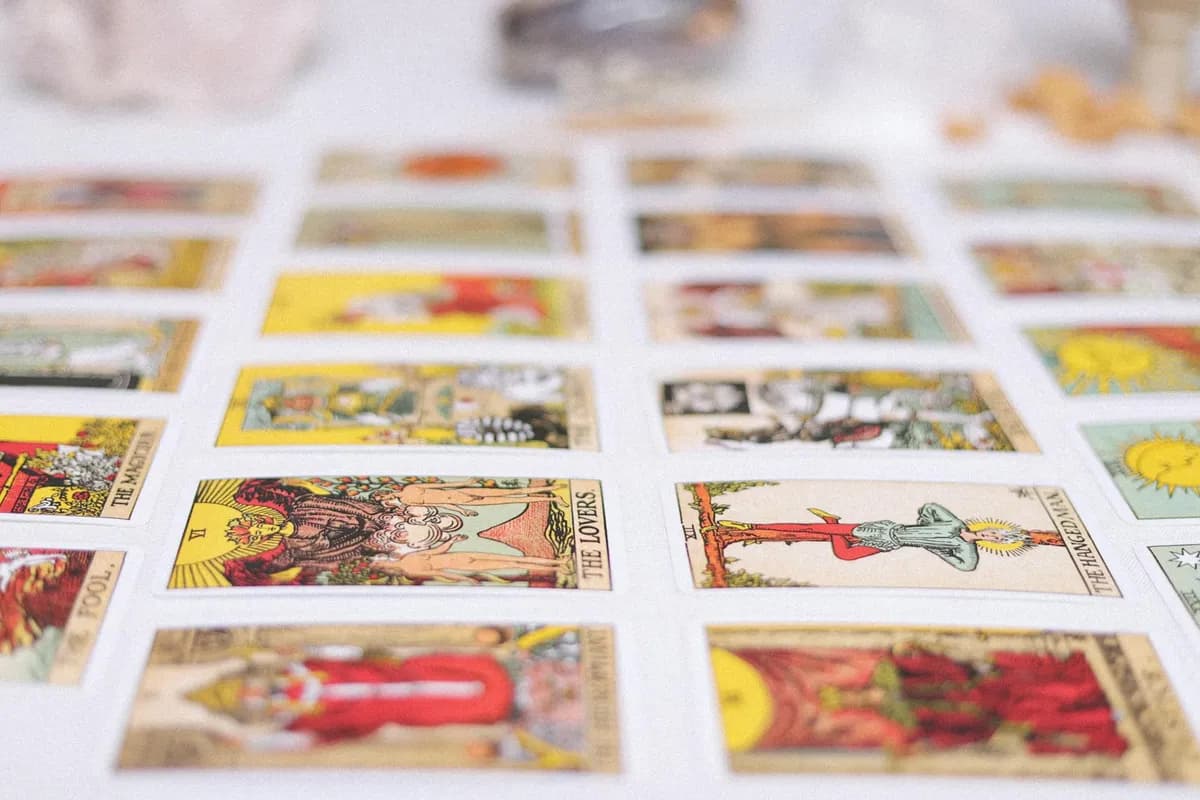
While both are divination card systems, oracle cards and tarot are different. Tarot has a standardized structure with 78 cards organized into major and minor arcana with specific traditional meanings. Oracle cards are more flexible and varied—each deck has its own unique system, artwork, and symbolism created by the deck designer. Oracle cards are generally considered more accessible and less formal than tarot.
Yes, many people develop personal oracle card practices by purchasing their own decks and learning through guidebooks, online resources, and courses. Starting with a deck that resonates with you aesthetically and thematically is recommended. Daily card draws for self-reflection are a common entry point. However, developing skill and confidence typically takes practice and study over time.
Oracle card readings offer perspective, symbolic messages, and intuitive insights rather than predictions or guaranteed answers. The cards serve as mirrors for reflection and catalysts for intuitive thinking. Expect the reading to provide food for thought, encourage self-examination, and offer symbolic language relevant to your situation. Treat the guidance as helpful perspective to inform your own decision-making, not as absolute truth or fact.
Oracle cards are not designed to predict specific future events with certainty. Rather, they offer insights into current patterns, energies, and possibilities that may inform future outcomes. Practitioners and users understand that the future is not fixed—your choices, circumstances, and other factors all influence what actually happens. Oracle cards are best viewed as tools for gaining perspective and understanding current situations rather than fortune-telling devices.
Look for readers who have clear credentials, transparent pricing, professional online presence or location, and positive client reviews. Be cautious of readers who make unrealistic guarantees, pressure you to book multiple sessions, or charge excessive fees. Interview potential readers briefly to assess whether their approach and style align with what you're seeking. Trust your intuition about whether you feel comfortable and respected.
No. Oracle cards are a complementary practice that should never replace professional medical care, mental health counseling, or other necessary healthcare. If you're experiencing physical illness, mental health symptoms, or crisis, consult qualified healthcare providers first. Oracle cards can support your wellbeing alongside professional care, but they cannot substitute for it.
References
Educational sources that inform this overview. Inclusion is for context and does not imply endorsement.
Full citations are maintained by the Gyfts editorial team and reviewed periodically.
Keep exploring
Browse practitioners, explore honest overviews, and take what you learn to a conversation — at your own pace.