What Is Pachamama Rituals?
Pachamama Rituals are traditional earth-based ceremonial practices rooted in Andean cultures, particularly among indigenous communities in Peru, Bolivia, Ecuador, and surrounding regions. The term Pachamama refers to Mother Earth in Quechua, and these rituals honour the reciprocal relationship between humans and the natural world. Rather than a single standardised practice, Pachamama Rituals represent a diverse collection of ceremonial approaches that share common elements: reverence for the earth, symbolic offerings, grounding in nature, and connection to natural cycles and cosmic rhythms.
These rituals have been practised for centuries as a means of maintaining balance, expressing gratitude, processing life changes, and seeking healing and guidance. In contemporary holistic health contexts, Pachamama Rituals are adapted as complementary practices to support emotional wellbeing, resilience, and a sense of belonging. They are not faith-based requirements but rather cultural and spiritual practices that invite participants into a different relationship with the earth and themselves.
The philosophy underlying Pachamama Rituals rests on the belief that humans are inseparable from nature and that direct, conscious engagement with the earth supports physical, emotional, and spiritual integration. Modern practitioners have brought these ancient traditions into conversation with contemporary understandings of mental health, grounding techniques, and somatic awareness, creating a bridge between traditional wisdom and present-day needs.
How Does It Work?
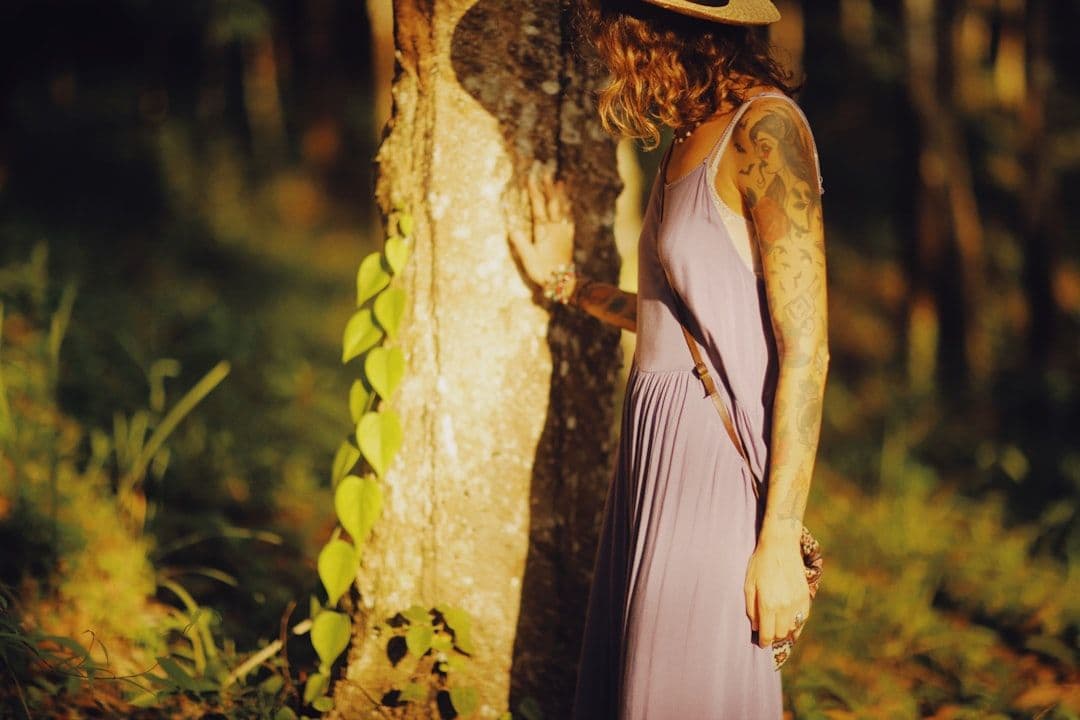
Pachamama Rituals work through several interconnected mechanisms. The first is grounding, which involves direct physical and conscious contact with the earth. This may occur through standing barefoot on soil, placing hands on stone or earth, or sitting in natural settings. Grounding techniques are increasingly studied in relation to nervous system regulation and may help lower sympathetic activation—the fight-or-flight response that intensifies anxiety and stress.
The second mechanism is symbolic ritual action. Offerings such as flowers, seeds, grains, or herbs are placed on the earth with intention, allowing participants to externalize internal experiences—grief, gratitude, intention for change—into a tangible, witnessed form. This symbolic language can facilitate psychological processing in ways that verbal expression alone may not achieve. Ritual also creates a container or sacred space that signals to the nervous system: this moment is separate and safe; here, we can address what troubles us.
Third, these practices foster ecological interconnectedness—an expanded sense of belonging beyond the individual self. When a person recognises themselves as part of a larger living system rather than isolated, anxiety and existential longing often diminish. Practitioners guide participants toward awareness of natural cycles, seasons, and the continuity of life and death, which can provide perspective during personal crises.
Finally, Pachamama Rituals invite sensory engagement—the feel of earth, the smell of plants, the sound of natural environments—which anchors awareness in the present moment and away from rumination or future-focused worry. This present-moment awareness is a recognised feature of many effective anxiety and trauma interventions.
What Does a Session Involve?
A Pachamama Ritual session typically takes place in an outdoor natural setting—a garden, forest, riverbank, or open ground—though some practitioners may adapt elements for indoor spaces using natural materials. Sessions usually last one to two hours, depending on the practitioner and the depth of work requested.
A typical session begins with grounding, often guided by the practitioner. You might be invited to remove your shoes and stand with awareness on the earth, or to place your hands on soil or stone while taking slow breaths. The practitioner may offer brief contextual or educational framing about the practice and its cultural origins.
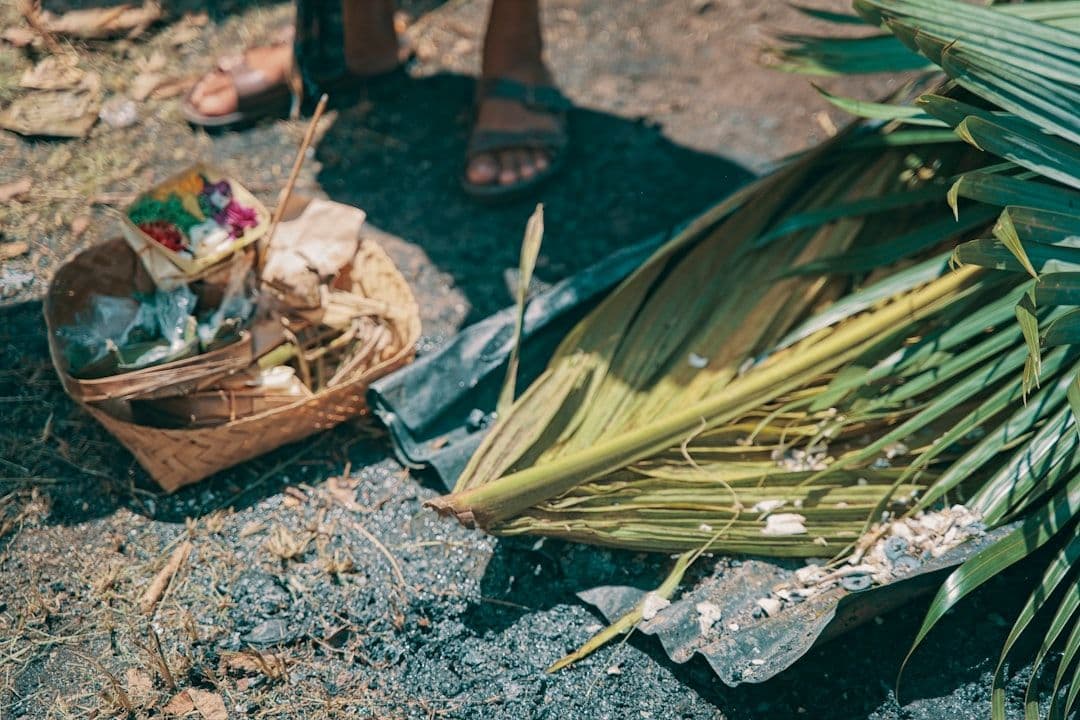
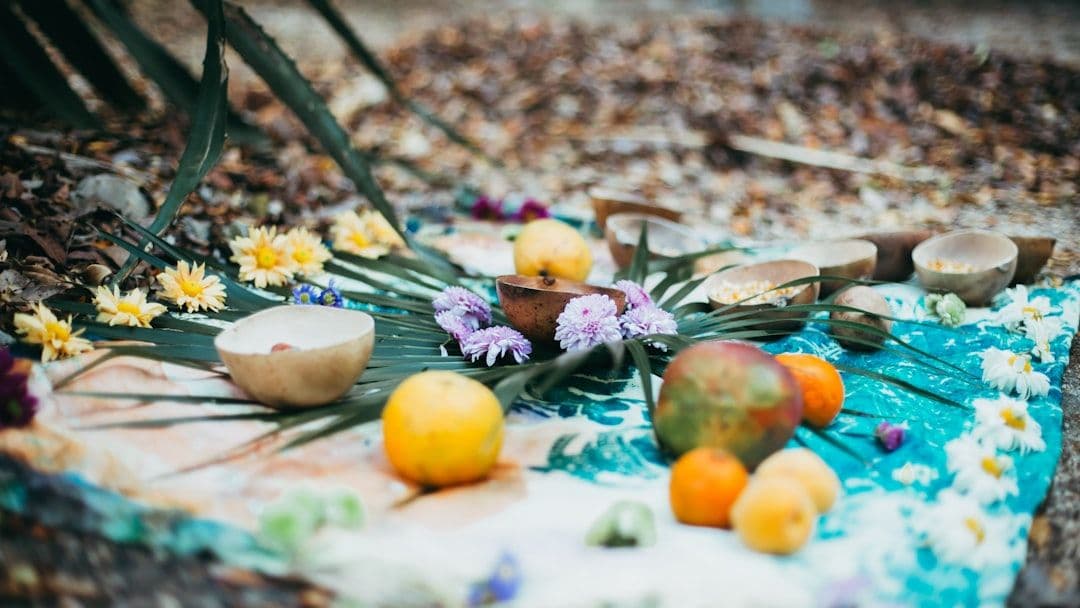
You will then be invited to set an intention—a theme, question, or challenge you wish to bring to the ritual. This might relate to grief, transition, anxiety, burnout, or a desire for renewal. The practitioner will guide you in creating or participating in a symbolic offering. This may involve selecting flowers, herbs, or seeds and placing them at a designated location—a tree, a stone, or a spot on the earth—while speaking your intention aloud or silently holding it in awareness.
Some sessions include guided reflection, meditation, or journeying—periods of quietness during which you remain in the outdoor space and notice sensations, images, or insights that arise. The practitioner may also share teaching related to natural cycles, Andean cosmology, or the particular challenge you are navigating.
Sessions conclude with a sense of closure and integration. This might involve a moment of gratitude, a closing gesture, or a period of quiet presence. Many practitioners invite reflection afterward and may suggest practices you can continue at home, such as regular grounding or personal ritual work.
Who May Benefit?
Pachamama Rituals may be particularly valuable for individuals experiencing disconnection, whether from nature, community, or their own sense of groundedness. People navigating major life transitions—grief, loss, burnout, relationship change, or career shifts—often find ritual work supportive because it creates a symbolic container for processing and marks a threshold between old and new.
Those with anxiety, restlessness, or a racing mind may benefit from the grounding and present-moment focus these practices offer. Similarly, individuals who have experienced trauma or loss and are seeking complementary support alongside professional therapy may find that nature-based ritual work addresses their needs in ways that talk therapy alone does not.
People who resonate with spiritual or cultural frameworks that honour nature and interconnectedness, or who feel drawn to Andean wisdom, are often natural candidates. However, you need not hold any particular belief system to engage meaningfully; openness to the practice and a willingness to step outside ordinary awareness are the primary requirements.
Those with mobility challenges or limited access to outdoor spaces may still benefit if they work with a practitioner willing to adapt the practice. Importantly, individuals with diagnosed mental health conditions such as severe depression, PTSD, psychosis, or active suicidal ideation should consult a qualified mental health professional before or alongside engaging in Pachamama Rituals. These practices are complementary, not primary treatments, and professional support remains essential for serious conditions.
What Does the Evidence Say?
Pachamama Rituals are grounded in traditional knowledge and cultural practice rather than clinical research. Evidence for their effectiveness comes primarily from centuries of use within Andean communities, contemporary practitioner experience, and anecdotal reports from participants. No large-scale randomised controlled trials specifically investigating Pachamama Rituals currently exist in the peer-reviewed literature.
However, the theoretical mechanisms underlying these practices—grounding, present-moment awareness, symbolic processing, and connection to nature—have emerging support in research. Studies on nature exposure and mental health consistently show that time in natural settings correlates with reduced anxiety, improved mood, and lower stress markers. Research on grounding techniques indicates that direct physical contact with the earth may influence nervous system regulation. Work on ritual and ceremony demonstrates that symbolic actions can facilitate psychological integration and meaning-making, particularly during grief and transition.
These findings support the plausibility of Pachamama Rituals' mechanisms but do not constitute clinical proof of efficacy for specific conditions. The evidence level for these practices should be understood as traditional, meaning they represent culturally validated approaches with long histories of use rather than interventions tested within modern clinical frameworks.
If you are considering Pachamama Rituals for a specific mental health concern, approach them as a complementary practice alongside evidence-based care. Discuss your use of these rituals with your mental health professional, and ensure that any serious condition is being treated by a qualified healthcare provider. The integration of traditional wisdom with contemporary mental health support offers a fuller approach to wellbeing.
Safety and Considerations
Pachamama Rituals are generally safe for most individuals, but several considerations apply. First, these practices should not replace professional mental health treatment. If you are experiencing active symptoms of depression, anxiety, PTSD, or other mental health conditions, or if you are having thoughts of self-harm, consult a qualified mental health professional before or alongside ritual work. Rituals can support professional treatment but cannot substitute for it.
Second, outdoor work may present practical challenges. Extreme weather, mobility limitations, or access to natural spaces may require adaptation. Discuss any physical limitations or health conditions with your practitioner beforehand to ensure the work is accessible and safe for you.
Third, cultural respect is important. Pachamama Rituals originate in Andean indigenous traditions. Seek out practitioners who have genuine training in these traditions, acknowledge their cultural roots, and practise with reverence rather than appropriation. A qualified practitioner will be transparent about their lineage and training.
Fourth, individual psychological factors matter. Some people with certain trauma histories or dissociative tendencies may find unstructured outdoor work or intense sensory engagement destabilising. A skilled practitioner will assess your readiness and needs and may modify the approach or recommend professional support.
Finally, if you are taking prescribed medications or undergoing medical treatment, continue doing so. Pachamama Rituals do not treat or cure medical or psychiatric conditions. Use them as part of a comprehensive approach to wellbeing that includes professional care, medication if prescribed, and other self-care practices. Always consult your healthcare provider if you have concerns.
How to Find a Qualified Practitioner
Finding a qualified Pachamama Rituals practitioner requires attention to training, experience, and alignment with your needs. Start by seeking practitioners with explicit training in Pachamama Rituals or Andean ceremonial practices. Ideally, they have training from an indigenous or culturally rooted lineage, or have studied with established teachers in this tradition. Ask about their training background, how many years they have practised, and whether they can provide references or testimonials.
Qualified practitioners should also have a grounded understanding of mental health and the limitations of their practice. They should be willing to discuss which conditions or situations they are equipped to support and should recommend that you consult a mental health professional if you have a diagnosed mental health condition. They should never claim to cure, treat, or diagnose any illness.
Look for practitioners affiliated with holistic health directories such as Gyfts or other established platforms that vet practitioner credentials. Many areas have associations for holistic or complementary practitioners that maintain standards and complaint procedures. Your country or region may have professional bodies for complementary health; check for relevant memberships.
When contacting a practitioner, ask clear questions: What is your training? How long have you been practising? What can I expect in a session? How do you approach safety and integration? Do you recommend professional support if I have mental health concerns? A genuinely qualified practitioner will answer transparently and welcome your questions.
Meet or speak with the practitioner before committing to a full session if possible. Trust and rapport matter significantly in this work. If anything feels unsafe, unclear, or misaligned with your values, seek another practitioner. Starting with one session is reasonable; you can assess whether the work resonates with you and whether the practitioner is a good fit.