Before the Session: What to Expect
As I prepare for my first plant medicine session, I feel a blend of curiosity and natural nervousness. My practitioner has sent a welcome email explaining what to bring—a journal, water, comfortable clothes—and what to avoid: heavy meals, caffeine, alcohol. I'm told the session will last two to three hours, and I should arrange to have the rest of the day free. There's something grounding about this preparation. Unlike rushing to a conventional appointment, I'm invited to slow down and arrive with intention. I spend the morning before my session reflecting on what I hope to shift. I'm managing anxiety that medical care has helped stabilize, but I'm drawn to plant medicine to deepen my sense of calm and self-awareness. I've disclosed all my medications to my practitioner, and they've confirmed no interactions are expected. Still, I feel the weight of responsibility—this is my health, after all. The anticipation builds. I wonder what the plant will feel like, whether I'll notice anything, whether I'm open enough to benefit. These questions, my practitioner later tells me, are themselves part of the work.
Arriving and Setting the Scene
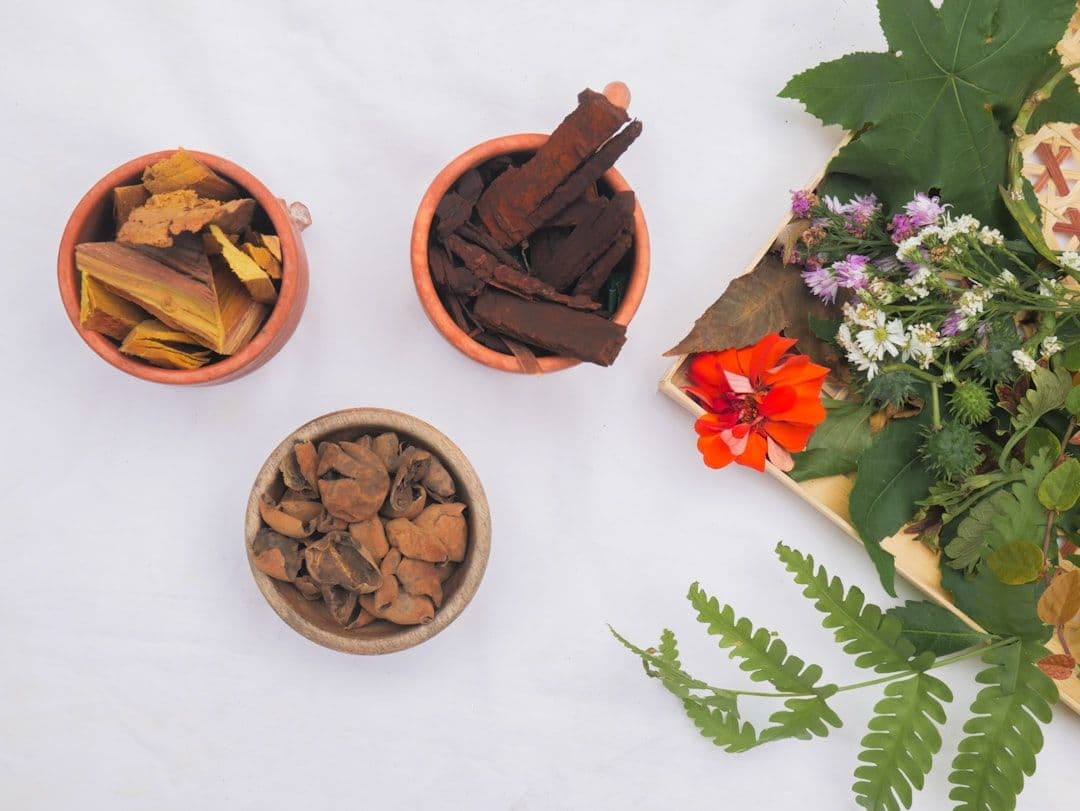
I arrive at the practitioner's clinic 15 minutes early, my body carrying the usual pre-appointment tension. The space itself is the first reassurance—soft lighting, comfortable seating, the smell of herbs and earth. My practitioner greets me warmly and walks me through consent and what I'll experience. She shows me the plant material—dried leaves with an aroma that's simultaneously herbaceous and slightly sweet—and explains its traditional use and how it supports calm. We talk about my health history, my current experience of anxiety, and what I'm hoping for. There's no rush. This contrasts sharply with medical appointments where I often feel hurried. She offers me tea first, giving my body time to settle. We sit in the space together, and she helps me set an intention—not a demand, but a gentle invitation to my nervous system to soften. I notice my shoulders dropping slightly. The clinic feels held, intentional, safe. As I'm invited to take the prepared plant medicine, there's a moment of genuine surrender. I'm trusting this practitioner, these plants, and my own capacity to receive what I need.
During the Session
The taste is earthy, slightly bitter, more complex than I expected. My body registers it immediately—a warming sensation in my stomach, a gentle expansion in my chest. My practitioner suggests I sit quietly, breathe, and simply notice what unfolds. The first 20 minutes are curious—am I feeling something real or imagining it? There's an inner skepticism that gradually quiets as a genuine warmth spreads through my limbs. My mind, usually busy with lists and worry, begins to soften. Thoughts still arise, but they seem less urgent, less sticky. There's space around them. My practitioner sits nearby, occasionally guiding me with gentle questions: How does your body feel? What emotions or images are present? This is not a pharmaceutical experience—no sudden shift, no dissociation—but rather a gradual opening, like a door swinging gently inward. I notice tension I didn't know I was holding releasing from my jaw and shoulders. At one point, I feel tears without sadness, just a release of something held tight. My practitioner offers tissues without commentary, allowing the experience to be exactly as it is. Time feels different—moments stretch and compress. What feels like an hour may have been 30 minutes. By the middle of the session, I'm deeply relaxed, more aware of my breath and body than I've been in months. There's no dramatic revelation, no mystical experience, but something quieter and more profound: a felt sense of being whole, of being held by my own body and the plants supporting it.
How You May Feel Afterwards
As the session closes, my practitioner slowly brings me back to the room, inviting me to notice the space around me, the sounds, my feet on the floor. There's a gentle transition rather than an abrupt end. I feel soft, present, and almost newborn—as though I've rested deeply after months of vigilance. My practitioner offers water and we sit quietly for a few moments. She encourages me to journal about what I noticed, and she provides a simple grounding practice to use at home if I feel spacey. The rest of that day is marked by unusual clarity and calm. I feel less reactive to small frustrations. My sleep that night is deep and unbroken—something that's been rare for me. In the days following, I notice shifts that are subtle but real: I pause before responding to stressful situations rather than reflexively reacting. My digestion feels easier. There's a lingering sense of spaciousness in my chest. This isn't a cure-all—anxiety still visits—but my relationship to it has shifted. I'm less entangled, more able to observe it with compassion. My practitioner emphasizes that integration is the real work. She suggests a follow-up session in a few weeks and recommends I practice gentle breathwork and herbal tea at home. She also suggests I continue my conversations with my therapist and my doctor about what I'm experiencing. Plant medicine, she clarifies, is one thread in a larger tapestry of care. I notice I'm more willing to rest, less guilty about needing breaks, more attuned to what my body actually needs rather than what I think it should tolerate.
Is It Right for You?
After my experience, I understand that plant medicine isn't a passive treatment but an active partnership with your own healing capacity. It may be right for you if you're drawn to natural, whole-plant approaches and willing to commit to the work of reflection and integration. It works best alongside—never instead of—conventional medical care, especially for serious conditions like anxiety disorders, depression, or trauma. If you're on medications, coordination with your doctor and practitioner is non-negotiable. Plant medicine is compelling for those who want to deepen their relationship with their body and emotions, who value ancestral wisdom combined with contemporary care, and who have the time and resources to engage in this slower, more intentional approach. It's not for everyone, and there's no shame in that. But for those called to it, there's something profound in remembering that healing is woven into the living world, and that our bodies have the capacity to meet plants in partnership. As I continue my own journey with plant medicine, I'm reminded that it's not magical thinking but rather a recognition of the sophisticated chemistry and wisdom held within plants—a wisdom modern science is only beginning to understand. The experience remains grounded, real, and deeply personal. It's an invitation to listen more closely to what your body and spirit are whispering.