The Absence of Direct Evidence
No randomised controlled trials examine 'reconnecting to the divine' as a specific intervention. This absence isn't a research oversight — it reflects the fundamental nature of spiritual experience, which operates outside the parameters that clinical research can meaningfully measure.
Scientific methodology excels at examining observable, quantifiable phenomena. Divine connection, transcendent awareness, or sacred presence exist within subjective, experiential realms that resist laboratory conditions. Attempting to measure spiritual connection would be rather like studying the colour blue by analysing wavelengths of light — technically possible, but missing the essence of the experience.
Within traditional spiritual frameworks, direct experience serves as both method and validation. The question 'does this practice facilitate divine connection?' finds its answer through sustained practice and personal revelation, not through peer-reviewed journals.
Evidence for Component Practices
While divine connection itself remains unmeasurable, the individual practices commonly used — meditation, contemplative prayer, ritual participation, and nature immersion — have extensive research foundations.
Meditation research spans thousands of studies. Meta-analyses consistently demonstrate benefits for anxiety reduction, emotional regulation, and stress resilience. A 2017 systematic review of 142 meditation studies found moderate evidence for reducing anxiety, depression, and pain. Sample sizes in major meditation trials often exceed 1,000 participants.
Ritual and ceremonial practices show measurable effects on group bonding and individual psychological states. Research on religious service attendance suggests associations with improved mental health outcomes, though distinguishing the effects of ritual from social support remains challenging.
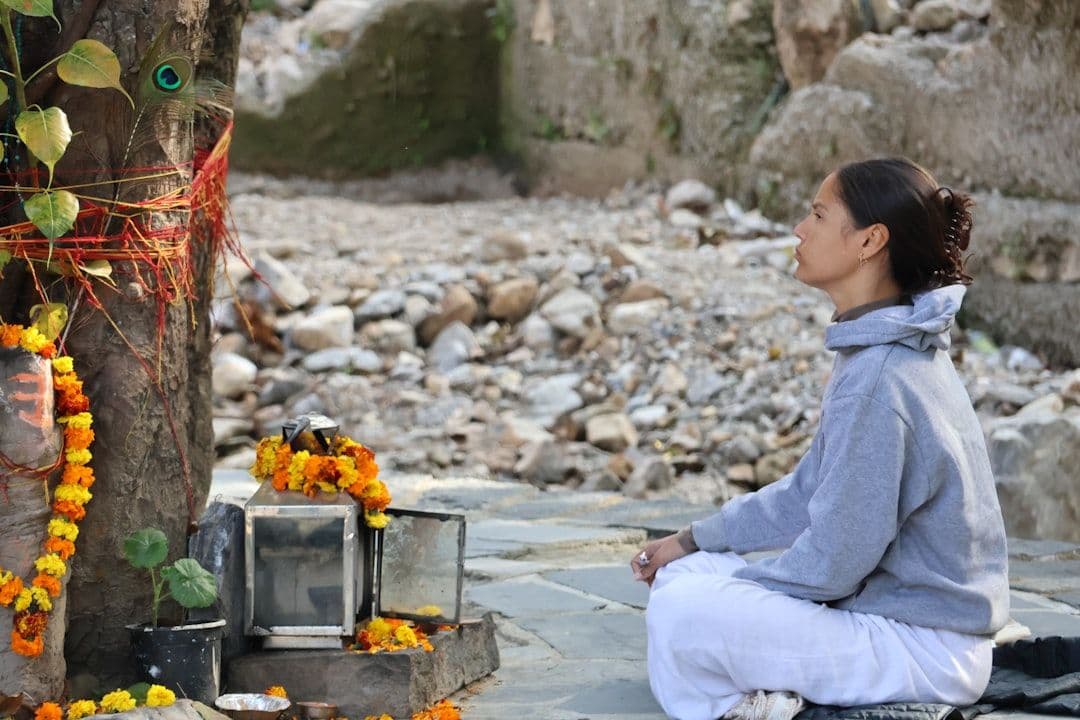
Nature-based contemplative practices benefit from growing research in ecotherapy and forest bathing, with studies indicating reduced cortisol levels and improved mood following structured nature experiences.
Fundamental Limitations in Study Design
The primary limitation isn't methodological weakness but category confusion. Spiritual practices aim toward transcendent experience, personal transformation, and connection with the sacred. These goals don't translate into clinical endpoints that research can capture.
Studies examining 'spirituality and health' often reduce complex practices to simple interventions — twenty minutes of meditation daily, or weekly religious service attendance. This approach misses the integrated nature of spiritual development, which typically unfolds over years through sustained commitment rather than weeks through controlled intervention.
Blinding presents another insurmountable challenge. Participants inevitably know whether they're engaging in spiritual practice, and the act of genuine engagement requires belief, intention, and often faith — elements that would be compromised by research participation.
Perhaps most significantly, the very attempt to study divine connection through external measurement may contradict the internal, subjective nature of spiritual experience.
What Evidence Supports and What Remains Beyond Measurement
Evidence clearly supports the psychological and physiological benefits of contemplative practices. Regular meditation improves emotional regulation, prayer and ritual can enhance social bonding and personal meaning, and nature-based spiritual practices reduce stress responses.
However, the core claims of divine connection practices — direct experience of transcendent reality, enhanced spiritual awareness, or communion with sacred presence — remain entirely outside scientific validation. This isn't a failure of either science or spirituality, but recognition of different knowledge domains.
Within spiritual traditions, these practices demonstrate their value through transformed lives, deepened faith, and enhanced capacity for love, compassion, and service. Traditional knowledge systems offer their own sophisticated frameworks for understanding efficacy and authentic experience.
Practitioner reports consistently describe experiences of peace, clarity, and spiritual insight, though these outcomes vary dramatically based on individual readiness, belief systems, and quality of guidance.
Future Directions: Different Questions, Different Methods
Future research might productively examine the broader impacts of sustained spiritual practice on wellbeing, resilience, and life satisfaction using longitudinal designs. Studies tracking practitioners over years rather than weeks could reveal patterns invisible in short-term trials.
Qualitative research methods — phenomenological studies, narrative analysis, and ethnographic approaches — offer more appropriate tools for understanding spiritual experience than quantitative measurement. These methods can illuminate how practitioners understand their experiences without reducing them to clinical variables.
Neuroscience research examining altered states of consciousness during spiritual practice continues developing, though findings illuminate brain activity rather than validate spiritual claims.
Perhaps most importantly, the field might benefit from acknowledging that some human experiences — love, beauty, meaning, and divine connection — possess inherent value independent of scientific validation. The absence of clinical evidence doesn't diminish the profound significance these practices hold for millions of people worldwide.