What Reconnecting to the Divine Actually Involves
A woman sits in predawn darkness, hands cupped around a candle flame, whispering gratitude to ancestors whose names she barely remembers. Across the city, a man walks barefoot through his garden, touching each plant whilst repeating a Sanskrit mantra his teacher shared. Both are engaging in what contemporary spiritual practitioners call 'reconnecting to the divine' — intentional practices designed to bridge the gap between everyday consciousness and what they understand as sacred reality.
This isn't about adhering to specific religious doctrines or following prescribed dogma. Rather, it encompasses a range of contemplative and ritualistic practices aimed at cultivating direct experience of transcendence, unity, or divine presence. The approach is deeply personal, often blending elements from different spiritual traditions with individual intuition and guidance.
Origins Across Cultures and Traditions
The impulse to connect with the divine appears across virtually every human culture, manifested through shamanic journeying in indigenous societies, contemplative prayer in Christian mysticism, dhikr in Sufi tradition, and meditation practices in Buddhist and Hindu contexts. What distinguishes contemporary 'reconnecting' approaches is their eclecticism — practitioners often draw from multiple sources rather than committing to a single religious framework.
This synthesis emerged particularly strongly during the late 20th century as global spiritual traditions became more accessible through travel, immigration, and digital connectivity. Modern practitioners might combine Native American smudging ceremonies with Tibetan breathing techniques, or blend Celtic seasonal rituals with mindfulness meditation. The common thread is intention: creating conditions that invite experience of something greater than individual consciousness.
How the Practice Works
Within the practitioner's own understanding, these approaches work by quietening ordinary mental chatter and creating receptivity to subtler dimensions of awareness. The combination of focused attention, symbolic action, and often altered breathing or movement is believed to shift consciousness away from everyday concerns toward what adherents describe as divine presence, universal love, or fundamental interconnectedness.
From a neurobiological perspective, many of these practices share features with documented meditative states: rhythmic breathing, repetitive movement or sound, and sustained focused attention. Research on contemplative practices suggests these can indeed alter brainwave patterns and activate areas associated with self-transcendence and emotional regulation. However, practitioners typically emphasise the lived experience of connection rather than underlying mechanisms.
Who Might Feel Called to This Work
People drawn to these practices often describe a sense of spiritual hunger that conventional approaches haven't satisfied. This might manifest as feeling disconnected from purpose, experiencing what some call 'spiritual emergency' following life transitions, or simply sensing there's 'something more' beyond material existence.
Those who've experienced loss or trauma sometimes find conventional support insufficient for addressing existential questions about meaning and continuity. Others report feeling called during periods of major life transition — career changes, relationship shifts, or approaching significant birthdays — when questions of deeper purpose become pressing.
What to Expect in Practice
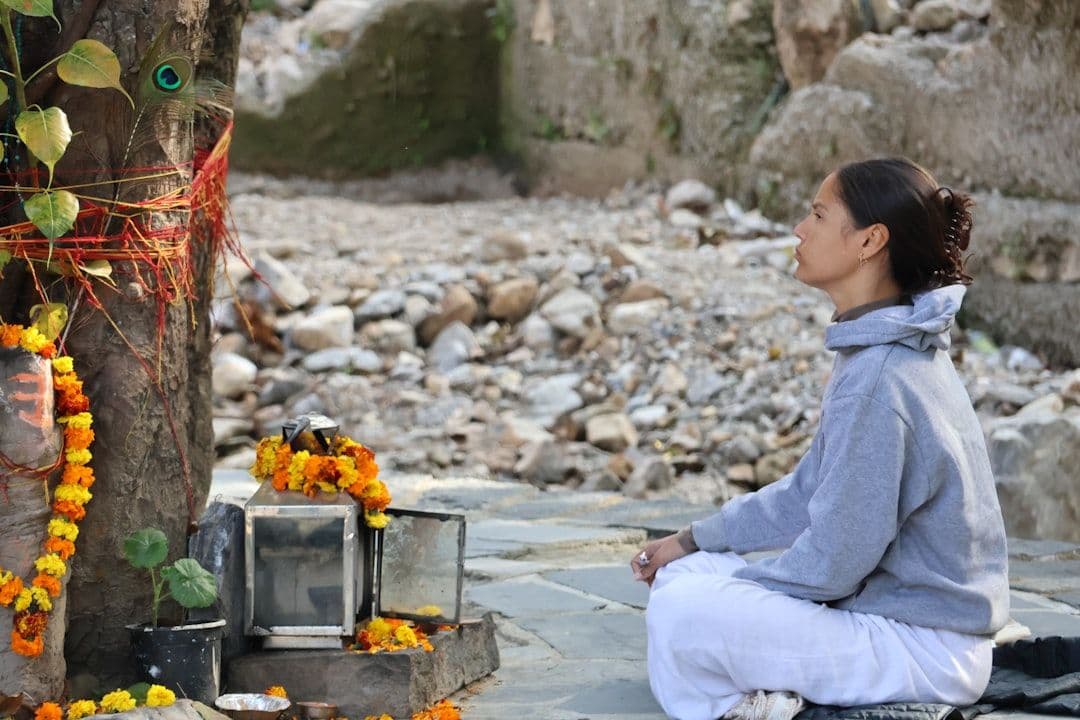
A typical session might begin with creating sacred space — lighting candles, burning incense, or arranging meaningful objects. The facilitator (often called a guide, teacher, or spiritual director rather than therapist) might lead participants through breathing exercises, guided visualisation, or movement designed to settle the nervous system and focus attention.
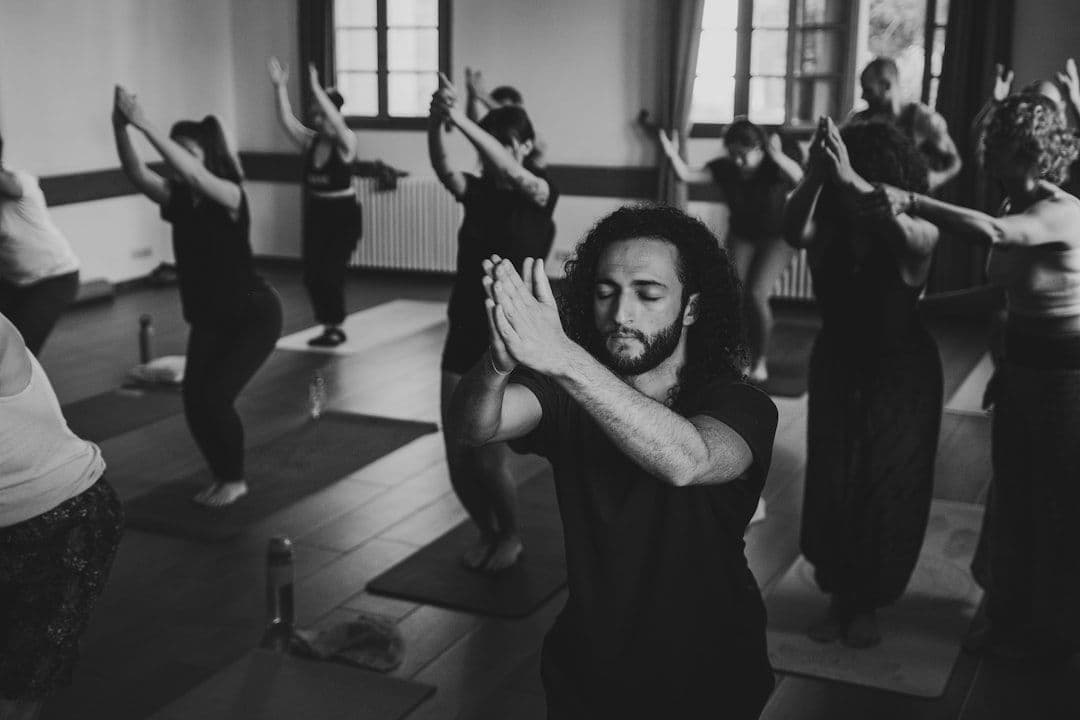
The core practice varies enormously: chanting, silent meditation, prayer, ceremonial actions like blessing water or creating temporary altars, or spending time in nature with specific intentions. Sessions often conclude with integration time — journaling, sharing experiences, or simply sitting in contemplative silence. Some practitioners work individually with spiritual directors; others participate in group ceremonies or workshops.
Finding Authentic Guidance
Because this field lacks standardised training, finding appropriate guidance requires careful consideration. Look for practitioners who acknowledge their own ongoing learning rather than claiming special powers or exclusive access to divine truth. Authentic guides typically encourage your own discernment and connection rather than fostering dependence.
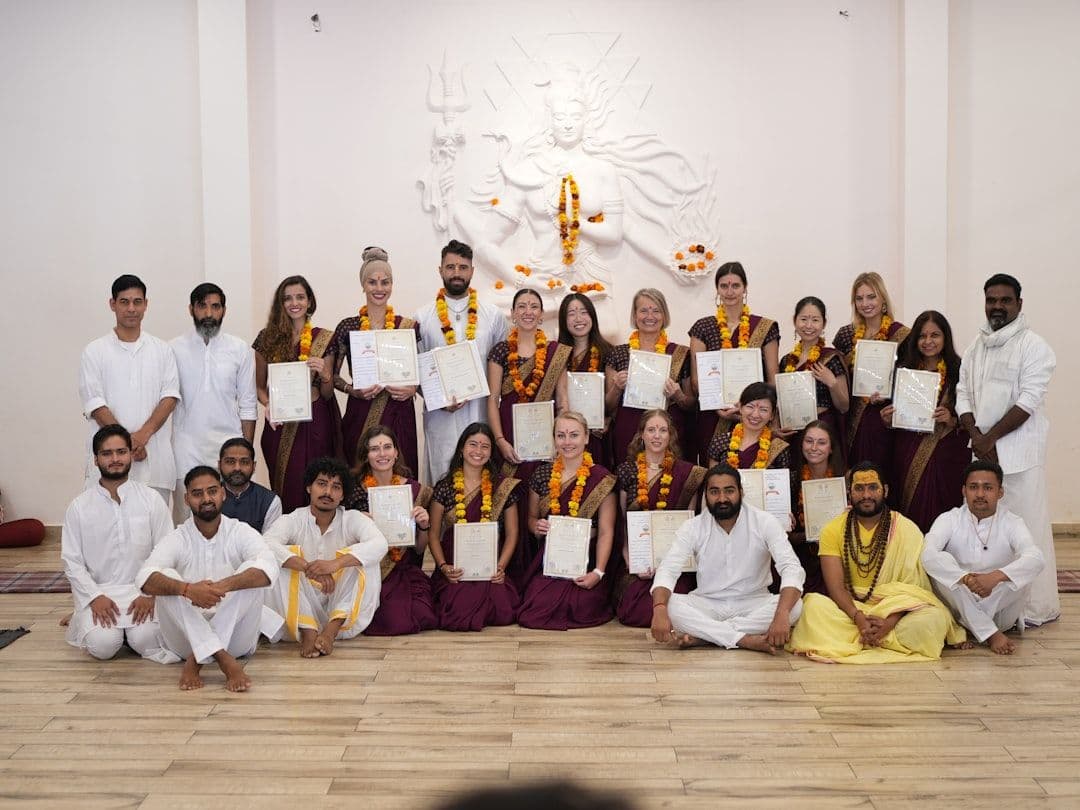
Many qualified practitioners have trained in specific traditions (Shamanic studies, contemplative prayer, meditation instruction) before developing integrative approaches. Some hold qualifications through organisations like the Spiritual Directors International or have completed training in Transpersonal Psychology. Sessions might range from £60-£120 individually, with group workshops often £25-£50. Residential retreats vary widely in cost depending on duration and location.