What it is
A practice blending meditation, ritual, and reflection to deepen your sense of the divine.
Reconnecting to the Divine is a spiritual practice involving rituals, meditation, and intentional activities designed to deepen one's con...
At a glance
What it is
A practice blending meditation, ritual, and reflection to deepen your sense of the divine.
Why explore it
Seekers often find spiritual clarity, inner peace, and renewed meaning during life's harder seasons.
How it’s experienced
Sessions may feel quietly expansive or emotionally moving, depending on tradition and practice style.
Evidence context
Rooted in ancient traditions worldwide, with some research linking contemplative practice to less anxiety.
See the evidence snapshotSafety
Generally low-risk, though those with mental health concerns should check in with a clinician first.
See staying safeHistory & Origin
Reconnecting to the Divine involves practices and rituals to reconnect with the divine and spiritual realms.
The concept of reconnecting with the divine is rooted in humanity's oldest spiritual traditions, spanning thousands of years across virtually every culture and religion. From ancient Hindu practices of yoga and meditation to Christian contemplative prayer, Islamic Sufi traditions, Indigenous ceremonial practices, and Buddhist mindfulness, the desire to establish conscious connection with the sacred has been central to human spirituality. These diverse traditions share common elements: intentional practice, ritual, meditation, and the belief that such connection is both possible and transformative.
The modern synthesis of "Reconnecting to the Divine" as a distinct modality emerged during the 20th century spiritual revival movements, particularly through the work of spiritual teachers like Deepak Chopra, Wayne Dyer, and Marianne Williamson, who integrated ancient wisdom with contemporary psychology and wellness approaches. The practice gained significant popularity during the 1960s and 1970s counterculture movements and has continued evolving through New Age spirituality, holistic health communities, and contemporary mindfulness-based approaches.
Key influences include the teachings of various mystical traditions—Kabbalah, Christian mysticism, Taoism, and Vedanta—which emphasize direct personal experience of the divine rather than solely intellectual understanding. The spread of yoga and meditation to the West, particularly through teachers like Paramahansa Yogananda and later through the mindfulness movement, brought practical techniques for spiritual reconnection into mainstream consciousness. Today, this modality draws from multiple spiritual lineages while remaining accessible to people of diverse religious backgrounds and belief systems.
Mechanism
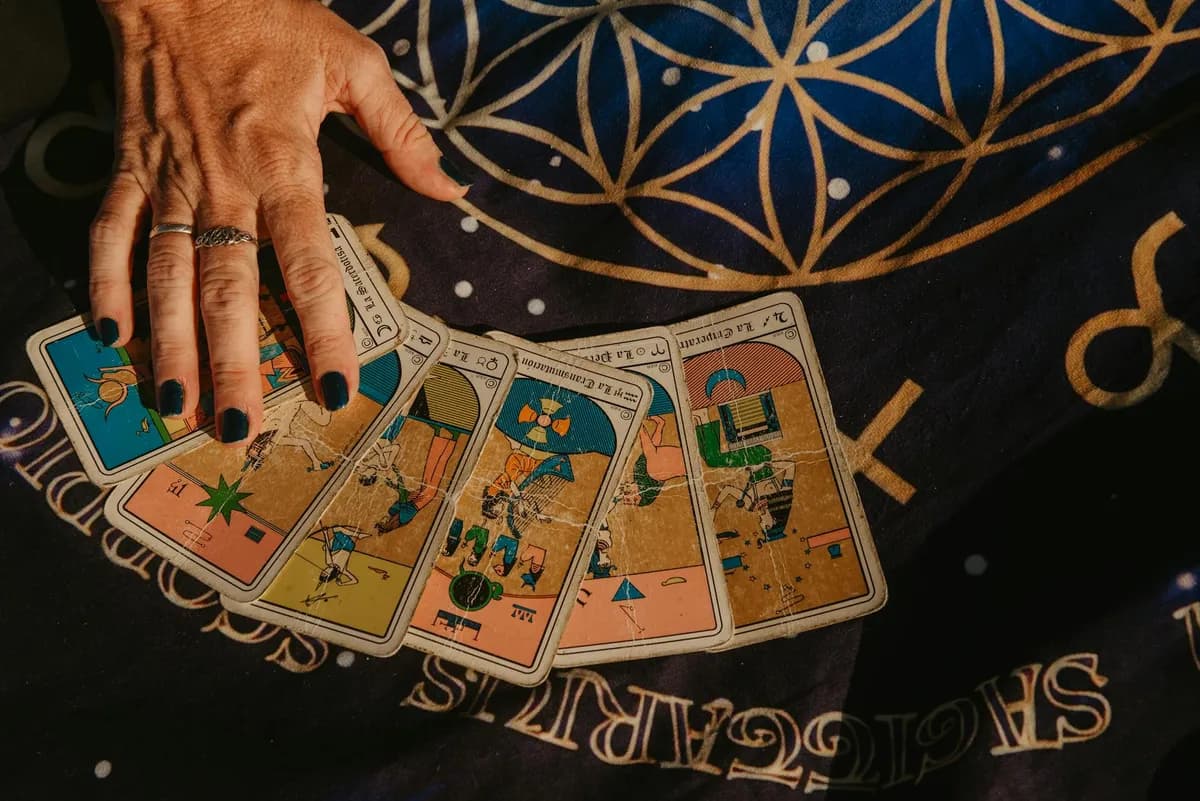
Reconnecting to the Divine is best framed as a traditional, symbolic, energetic, reflective, or spiritual practice rather than a validated medical mechanism. Practitioners may use ritual, attention, sound, imagery, touch-free work, cards, symbols, prayer, or intention to support meaning-making and a sense of connection. People may explore it for reflection, calm, or spiritual context, while health claims should remain cautious and personal. Reconnecting to the Divine typically involves contemplative and ritualistic practices designed to quieten the thinking mind and create receptivity to spiritual experience.
Your first visit
A typical session outline to help you feel prepared
A Reconnecting to the Divine session gently guides you through sacred practices to help you feel spiritually grounded and more deeply connected to something greater than yourself.
Your practitioner greets you warmly and invites you to settle into a calm, intentionally prepared space with soft lighting, gentle music, or meaningful objects like candles or crystals.
You share a little about your spiritual background, beliefs, and what divine connection means to you personally, so your practitioner can tailor the session to your unique path.
Together you identify a simple intention for the session, such as seeking clarity, peace, or a renewed sense of purpose, giving the experience meaningful direction.
Your practitioner leads you through a brief breathing or grounding exercise to quiet your mind, relax your body, and help you become fully present before deeper work begins.
Drawing on your shared conversation, your practitioner guides you through one or more practices such as guided meditation, breathwork, prayer, visualization, or gentle energy work tailored to your tra
You rest quietly in the stillness following the practice, allowing impressions, feelings, or insights to surface naturally while your practitioner holds a supportive, unhurried space.
You gently return to conversation, sharing anything that arose during the session, and your practitioner helps you make sense of your experience in a grounded, meaningful way.
Your practitioner offers simple, personalized suggestions, like a short daily prayer, a mindful breathing habit, or a grounding ritual, to help you carry this sense of divine connection into ordinary life.
The Evidence
What research and tradition tell us about practices aimed at spiritual reconnection, and where the limits of current evidence lie.
Rooted in tradition; spiritual core sits outside scientific measurement
Reconnecting to the Divine draws on millennia of contemplative and religious practice across cultures. Related techniques like meditation and prayer have measurable wellbeing benefits, but the subjective experience of divine connection itself is not something conventional research is designed to evaluate.
Reconnecting to the Divine is fundamentally concerned with subjective spiritual experience — perceived contact with the sacred or transcendent. This places its central claims in a domain that empirical research is not designed to measure or validate. That is not a limitation of the practice itself, but an important distinction for anyone seeking evidence-based framing.
Studies consistently link meditation and mindfulness to reduced stress, improved emotional regulation, and lower anxiety. Prayer and spiritual practice have been associated with psychological resilience and improved wellbeing in observational research. These findings support some techniques used here, though they do not validate the broader spiritual framework the modality operates within.
From Hindu yoga and Buddhist meditation to Christian contemplative prayer, Sufi traditions, and Indigenous ceremony, the pursuit of divine connection is among humanity's oldest spiritual activities. The modern synthesis of this modality draws on these lineages while integrating contemporary wellness and psychological frameworks.
The subjective nature of spiritual experience makes standardised measurement difficult. Most evidence is qualitative, self-reported, or drawn from adjacent practices rather than this modality directly. Inflated outcome claims are not supported by current research. Approaching this practice with curiosity rather than fixed expectations is consistent with both the evidence and the tradition.
People experiencing active psychosis, untreated bipolar disorder, severe dissociation, or acute mental health crises should consult a qualified mental health professional before engaging in intensive spiritual practices. Spiritual practice should complement, not substitute for, professional assessment when symptoms are clinically significant. Spiritual bypassing — using practice to avoid real psychological or practical concerns — is worth being aware of.
There is no universal accreditation standard for facilitators of divine reconnection practices. Look for practitioners who are transparent about their methods, respect your autonomy, and do not make inflated outcome claims. If you are navigating grief, trauma, or a spiritual crisis, a practitioner with training in trauma-informed care or pastoral counselling may offer additional support.
Safety first
General guidance to help you decide whether this approach is appropriate for you. This is informational only and not a substitute for medical, psychological, or professional advice.
If you are pregnant, managing a health condition, recovering from injury or surgery, or taking medication, consult a qualified healthcare professional first.
Some situations call for extra care or a different approach. Share any conditions, injuries, or sensitivities with your practitioner before your first session.
Look for clear boundaries, transparent pricing, and practitioners who avoid fear-based claims or pressure to book frequent sessions.
Mild, short-lived effects such as tenderness, tiredness, or temporary soreness can occur. Rest, hydrate, and tell your practitioner how you respond.
For you?
A simple, human way to weigh it up. This is general guidance, not personal medical advice — a qualified practitioner can advise on your situation.
Gyfts is a discovery platform, not a medical provider. Nothing here diagnoses, treats or replaces professional care. In an emergency, contact your local emergency number.
Explore approaches
Other practices people often explore alongside reconnecting to the divine.
In their words
FAQ
A typical session begins with a brief conversation about your intentions and spiritual background. Your practitioner then guides you through practices suited to your needs, which may include meditation, prayer, breathwork, visualization, movement, or ritual. Most sessions create a calm, focused environment where you can experience deeper spiritual awareness. Sessions typically last 45-90 minutes, and experiences vary widely—some people feel profound peace, others experience insights or emotional release, and some feel subtle shifts they notice over time.
There's no standard number—it depends entirely on your goals and practice style. Some people engage in occasional sessions (monthly or quarterly) as part of their spiritual maintenance, while others attend weekly during periods of spiritual deepening or life transition. Many practitioners recommend consistent practice over time, combined with personal daily practices, to develop and sustain spiritual connection. Your practitioner can suggest a schedule based on your specific intentions.
Reconnecting to the Divine can be adapted to align with virtually any faith tradition or secular spiritual perspective. Many people integrate these practices within their existing religion, while others pursue a non-denominational spiritual path. The key is finding practices and language that resonates authentically with your own understanding of the divine. Discuss your specific beliefs and any concerns with your practitioner to ensure the approach honors your values.
Many people arrive at spiritual practices with questions, doubt, or evolving beliefs. Practices like meditation and mindfulness can be engaged pragmatically for their benefits to calm and clarity, while remaining open to spiritual experience without requiring specific beliefs beforehand. Your practitioner can work with you exploring what spiritual connection means personally, rather than imposing definitions. Doubt and questioning are often natural parts of spiritual development.
Yes, spiritual practices typically complement other approaches to wellness and healing. Many people combine reconnection practices with therapy, medical care, other complementary modalities, and conventional treatments. It's important to inform all your healthcare providers and practitioners about everything you're doing so they can coordinate care appropriately. Spiritual practice should enhance overall wellbeing, not replace necessary medical or mental health treatment.
Experiences vary widely and may include: deep relaxation and peace, emotional release or catharsis, spiritual insights or clarity, sense of connection or presence, emotional warmth, subtle energy sensations, or sometimes nothing obvious immediately (with benefits appearing over time). Some sessions feel profoundly moving while others seem quiet—both are valid. Avoid judging your experience as "successful" or "unsuccessful," as subtle shifts often matter most.
Reconnecting to the Divine operates primarily within traditional spiritual frameworks rather than scientific ones. However, related practices like meditation and mindfulness have substantial research support for stress reduction and wellbeing. The subjective experience of spiritual connection itself is difficult to measure scientifically, as it involves personal, transcendent dimensions of human experience. Many people find value in practices that may not fit conventional research models.
References
Educational sources that inform this overview. Inclusion is for context and does not imply endorsement.
Full citations are maintained by the Gyfts editorial team and reviewed periodically.
Keep exploring
Browse practitioners, explore honest overviews, and take what you learn to a conversation — at your own pace.