The Dance of Figure-Eight Strokes
Watch a rhythmical massage practitioner at work and you'll notice something immediately different from conventional massage. Their hands trace flowing figure-of-eight patterns across your skin — lemniscate movements that seem to follow an internal rhythm rather than applying pressure to release tension. The touch is extraordinarily gentle, more like a dance than a manipulation.
These distinctive strokes lift and release, creating wavelike movements that practitioners describe as 'breathing with the body.' Rather than kneading or pressing into tight muscles, the therapist works with what they perceive as your body's own rhythmic patterns. The session feels less like something being done to you and more like a conversation conducted entirely through touch.
The warmth generated isn't from friction but from the rhythmic quality itself — a phenomenon that practitioners say reflects the therapy's unique approach to supporting the body's self-regulation rather than forcing change through external pressure.
Born from Anthroposophic Medicine
Rhythmical massage emerged in the 1920s from the collaborative work of Dr Ita Wegman and Rudolf Steiner, the founders of anthroposophic medicine. Wegman, a Dutch physician, adapted classical Swedish massage techniques after observing that conventional massage sometimes felt too forceful for the patients in her clinic.
Working with the anthroposophic understanding of human physiology — which sees health as arising from the dynamic balance between different bodily systems — she developed techniques that emphasised rhythm over force. Dr Margarethe Hauschka later refined these methods, giving the approach its characteristic lemniscate strokes and careful attention to warmth processes.
Today, rhythmical massage forms part of the therapeutic toolkit in over 60 anthroposophic hospitals across Europe. It's particularly embedded in German, Swiss, and Dutch healthcare systems, where it's commonly offered alongside conventional treatments in cancer care, rehabilitation, and chronic disease management. The approach has spread beyond anthroposophic institutions, with practitioners working in integrative medicine centres and private practice throughout Europe.
How Rhythmical Massage Works
Within the anthroposophic framework, rhythmical massage works by supporting what practitioners call the 'warmth organisation' — the body's capacity to generate and distribute vital warmth, which they see as fundamental to healing. The lemniscate strokes are understood to harmonise the interplay between the nervous system (which tends toward cooling and hardening) and the metabolic system (which generates warmth and movement).
The figure-of-eight patterns aren't arbitrary. Practitioners work with the belief that these movements mirror natural processes in the body — the way blood circulates, how lymph flows, even how our breathing creates subtle rhythmic changes throughout our tissues. By following these inherent rhythms rather than imposing external force, the therapy aims to strengthen the body's own regulatory mechanisms.
From a biomedical perspective, the gentle, rhythmic touch likely activates the parasympathetic nervous system, promoting relaxation and potentially supporting circulation. The warmth generated during treatment may enhance local blood flow, whilst the rhythmic quality could influence heart rate variability — a marker of autonomic nervous system balance. However, these proposed mechanisms remain theoretical, as specific research into rhythmical massage's physiological effects is limited.
Who Finds Rhythmical Massage Helpful
This gentle approach particularly appeals to people who find conventional massage too intense or invasive. Cancer patients undergoing chemotherapy or radiotherapy often report that rhythmical massage provides comfort without the discomfort that deeper bodywork might cause when their bodies are already stressed by treatment.
People with chronic fatigue syndrome or post-viral conditions frequently seek out rhythmical massage, drawn to its reputation for supporting energy and vitality without depleting reserves. The therapy's emphasis on warmth distribution resonates with those who experience persistent coldness, poor circulation, or the kind of bone-deep tiredness that doesn't respond to rest alone.
The approach also attracts individuals seeking stress relief who prefer a more meditative quality in their bodywork. Rather than the targeted problem-solving of sports massage or the deep relaxation of Swedish massage, rhythmical massage offers something more akin to a moving meditation — gentle, present, and focused on supporting overall wellbeing rather than fixing specific issues.
What to Expect in a Session
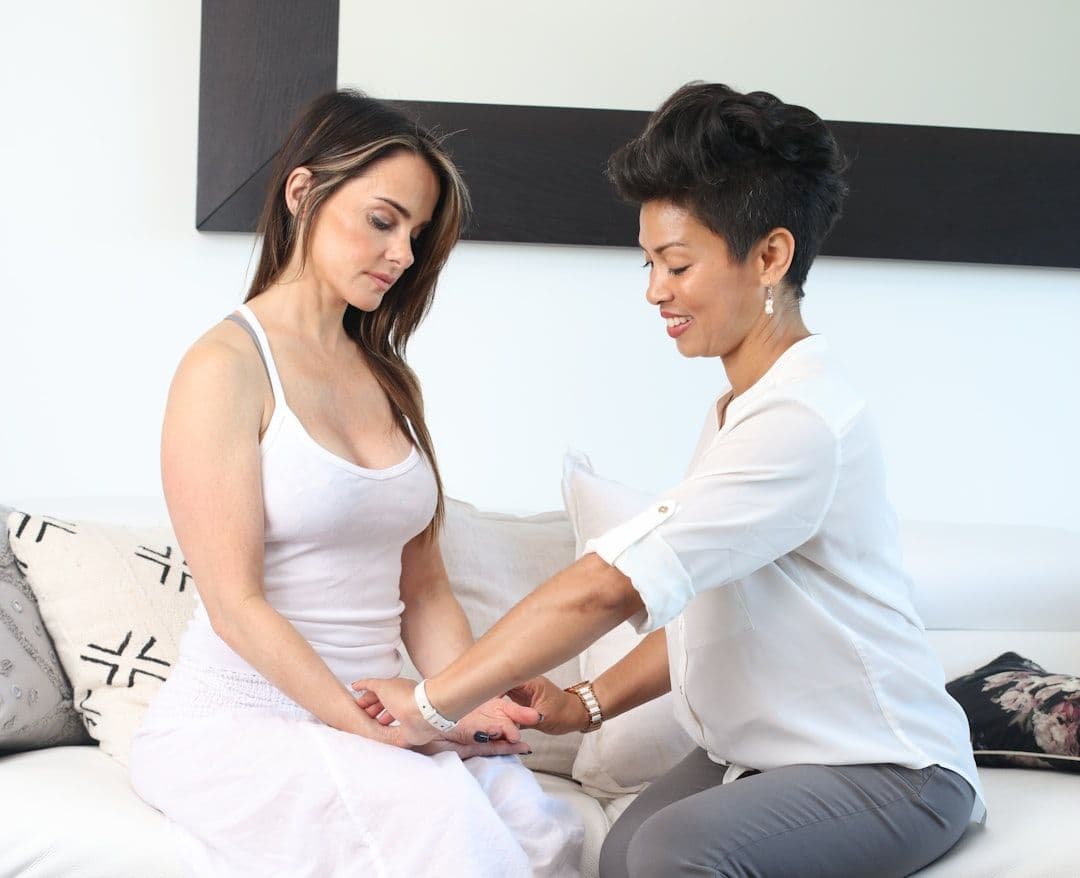
A typical rhythmical massage session lasts 45-60 minutes and begins with a brief conversation about your current state and any particular areas of concern. The treatment room is kept comfortably warm — practitioners consider environmental warmth essential for the therapy's effectiveness.
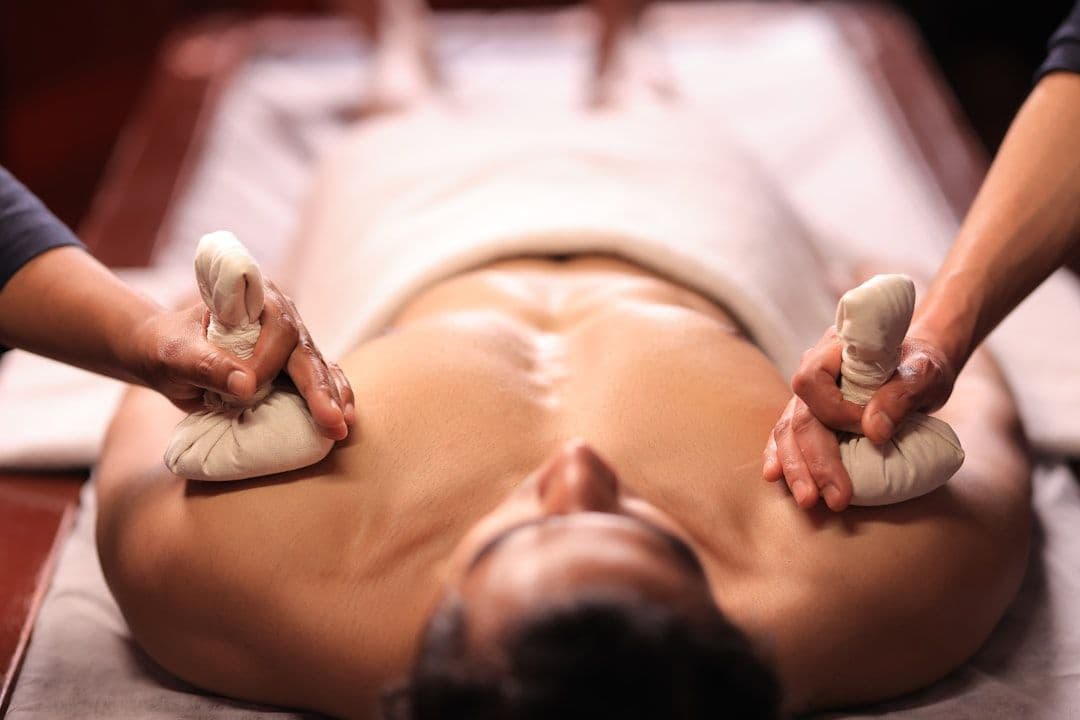
You'll undress to your comfort level and lie on a massage table, usually starting face down. The therapist begins with gentle, exploratory touches to 'meet' your body's rhythm, then gradually introduces the characteristic lemniscate strokes. These figure-of-eight movements flow continuously, creating an almost hypnotic quality that many people find deeply relaxing.
Unlike conventional massage, there's no working through knots or applying sustained pressure. Instead, the therapist's hands seem to skim and flow, occasionally pausing to focus on areas that feel cold or lacking vitality. You might notice waves of warmth spreading from where they're working, or a sense of your breathing becoming deeper and more rhythmic.
The session concludes with gentle holds or very light touches, allowing time for integration. Many people report feeling simultaneously relaxed and energised afterward — less the heavy tiredness that sometimes follows deep massage, and more a sense of gentle vitality returning.
The Evidence Context
Clinical research on rhythmical massage remains sparse, with most evidence coming from case studies and observational data from anthroposophic hospitals. A few small studies have suggested benefits for cancer-related fatigue and quality of life, but these lack the rigorous controls needed for definitive conclusions.
The strongest evidence exists for its safety and tolerability, particularly in cancer care settings where it's been used extensively without adverse effects. Practitioner reports consistently describe improvements in sleep quality, circulation, and general wellbeing, though these observations haven't been systematically studied in controlled trials.
This evidence gap doesn't necessarily diminish the therapy's value. Many people report profound benefits from rhythmical massage, particularly for comfort and stress relief. The anthroposophic hospitals where it's routinely offered wouldn't continue using it without observing positive patient responses. However, those seeking evidence-based interventions for specific medical conditions should view rhythmical massage as a supportive rather than primary treatment approach.
Finding a Practitioner and Practical Considerations
Qualified rhythmical massage therapists typically train through anthroposophic institutions, with courses lasting 18 months to three years. In the UK, look for practitioners registered with the Complementary & Natural Healthcare Council (CNHC) or the Federation of Holistic Therapists (FHT) who specifically list rhythmical or anthroposophic massage training.
Sessions typically cost £60-90, similar to other specialised massage modalities. Many practitioners offer reduced rates for people undergoing medical treatment. The frequency depends on your goals — weekly sessions for ongoing support during illness, or monthly treatments for general wellbeing maintenance.
When choosing a practitioner, ask about their specific training in rhythmical massage rather than assuming all massage therapists can provide this approach. The technique requires specialised instruction in anthroposophic principles and the distinctive stroke patterns that define this modality. Many practitioners also have backgrounds in nursing or other healthcare fields, bringing additional clinical awareness to their work.