What it is
A gentle bodywork using flowing figure-eight strokes to nurture warmth and body awareness.
Gentle, rhythmical bodywork from the anthroposophic healing tradition
At a glance
What it is
A gentle bodywork using flowing figure-eight strokes to nurture warmth and body awareness.
Why explore it
It may ease stress, fatigue, and discomfort, and is used as a soft support in integrative care.
How it’s experienced
A trained therapist guides slow, rhythmic strokes, often leaving you feeling warm, calm, and grounded.
Evidence context
Research is limited to small studies, so current use relies heavily on practitioner experience.
See the evidence snapshotSafety
It's gentle and low-risk, though you should always let your care team know before starting.
See staying safeHistory & Origin
Rhythmical massage was developed by Dr Ita Wegman, co-founder (with Rudolf Steiner) of anthroposophic medicine, and further refined by Dr Margarethe Hauschka. It adapts classical massage techniques with a distinctive rhythmical quality — lemniscate movements, gentle lifting and releasing strokes, and careful attention to warmth processes. The approach is used in palliative care, oncology support, chronic fatigue, pain management, and stress-related conditions. It is part of the anthroposophic nursing and therapeutic care framework.
Top symptoms
Mechanism
Rhythmical Massage is generally described as working through skilled touch, careful pacing, and the body's response to pressure, movement, warmth, or stillness. Practitioners may focus on muscle tone, joint comfort, circulation, breath, or relaxation depending on the method. Traditional explanations may also include energy flow or whole-person balance. Research support varies by modality, so the experience is best framed as supportive care with outcomes that vary. Rhythmical massage works through the principle that rhythmic touch influences the body's warmth organization and fluid systems.
Your first visit
A typical session outline to help you feel prepared
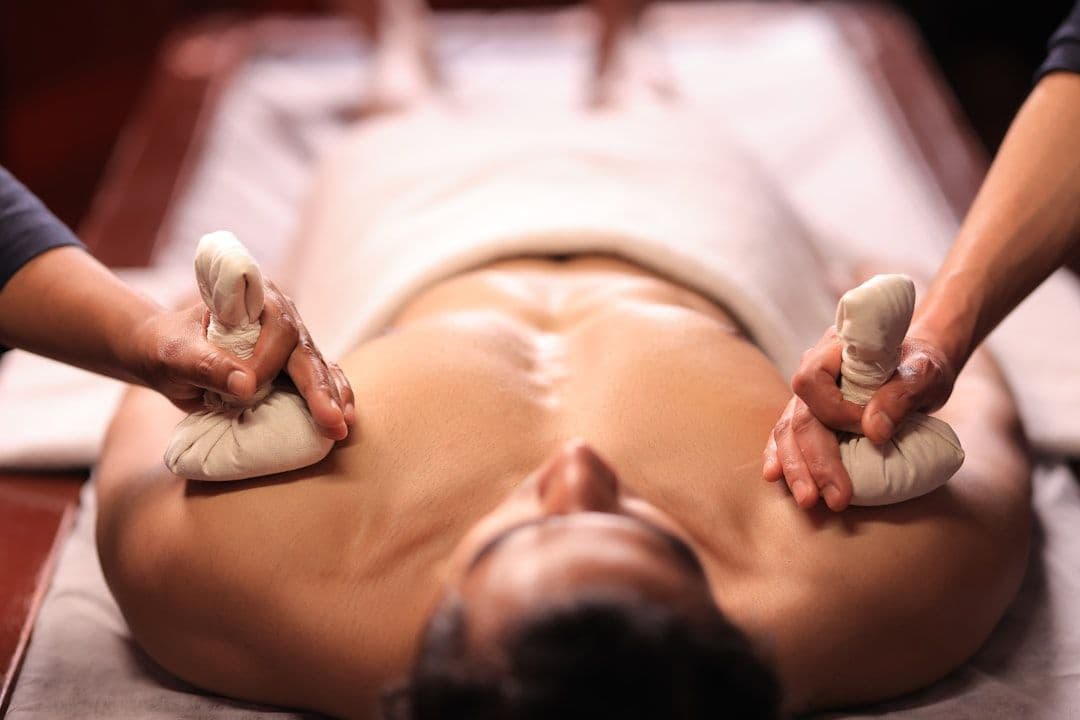
A Rhythmical Massage session combines gentle, flowing strokes with a distinct lemniscate rhythm to support your body's natural vitality and inner balance.
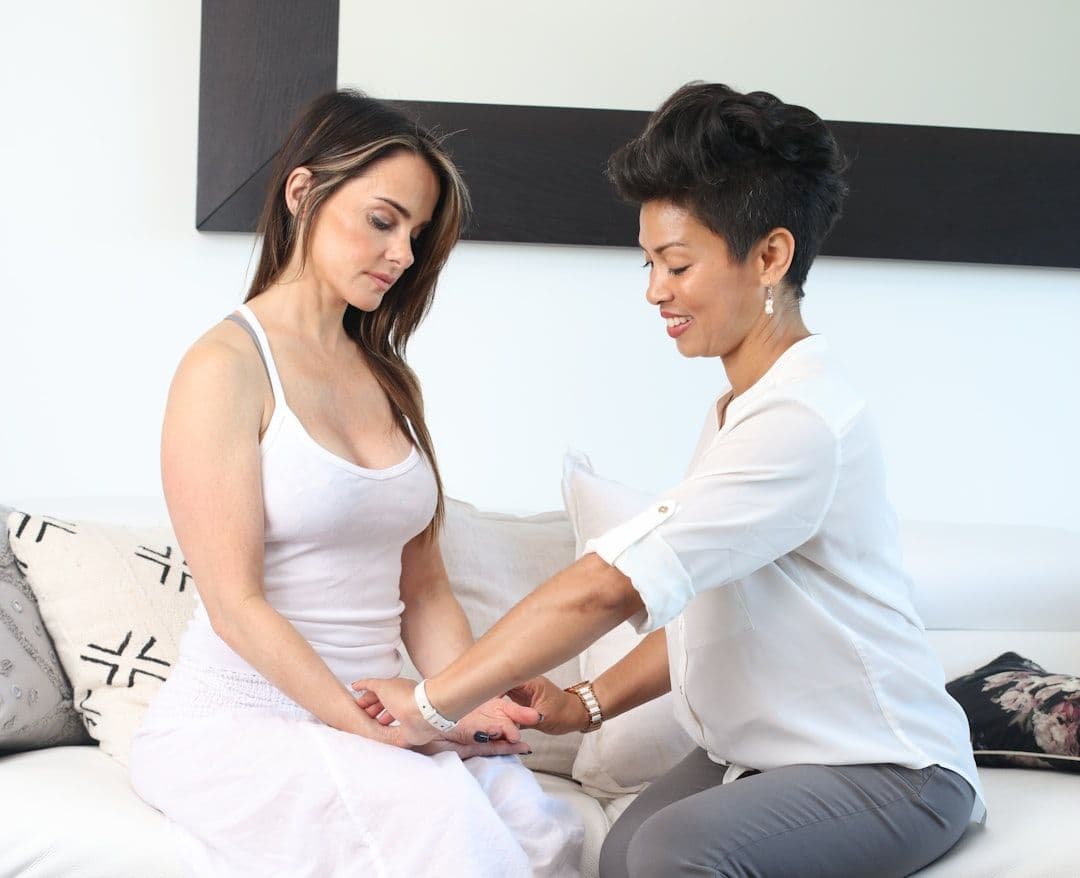
Your practitioner warmly greets you and asks about your health history, current concerns, and what brought you in. This conversation helps them tailor the session's rhythm and pressure to your unique needs.
Together you briefly reflect on what you're hoping to experience, whether that's easing tension, feeling more grounded, or simply resting deeply. This moment of focus is a hallmark of the Rhythmical Massage approach.
You'll undress to your comfort level and lie on a padded massage table, draped with warm, soft linens. The room is typically quiet and gently lit to support a receptive, restful state.
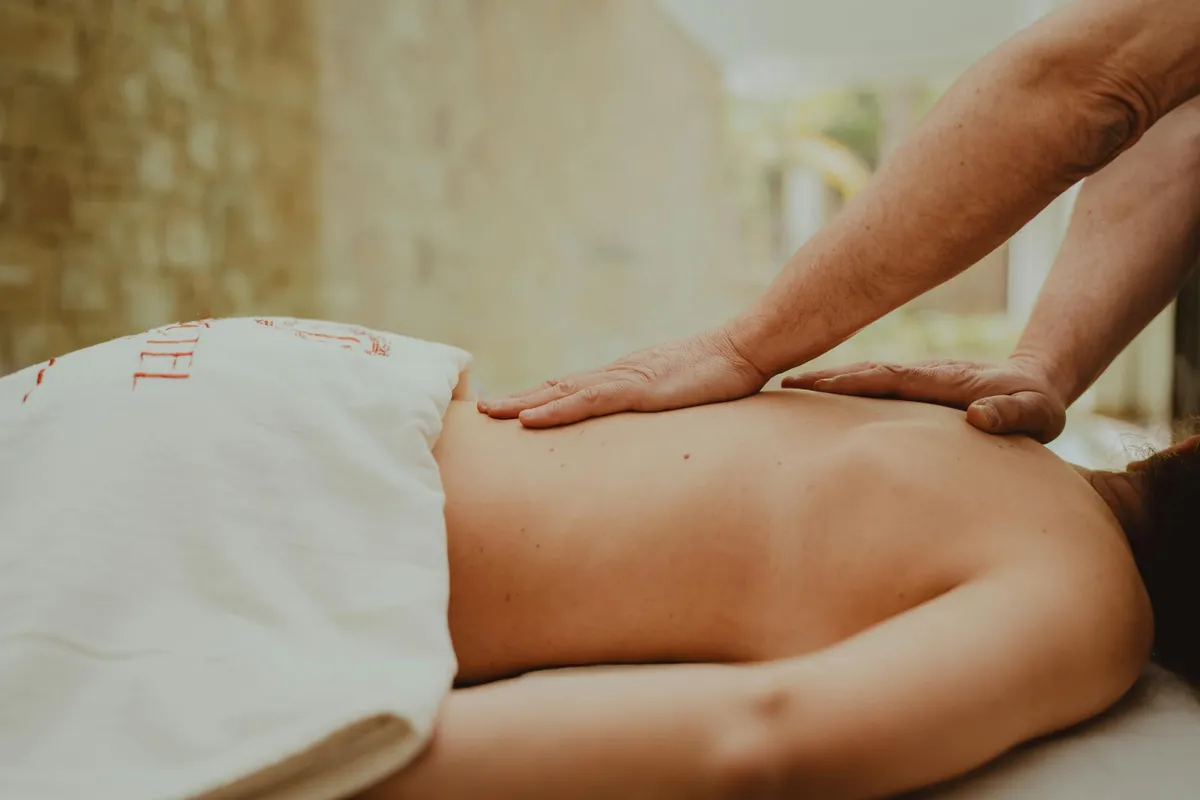
The practitioner begins with slow, deliberate strokes using a distinctive figure-eight or lemniscate motion rather than standard gliding. You'll notice the touch feels more wave-like and enveloping than typical massage.
Working through the draped linens or directly on skin with a specially formulated plant-based oil, the practitioner applies rhythmic, flowing movements across the back, limbs, and sometimes the abdome
You may feel warmth spreading through tissues, a sense of being gently rocked, or a deep quiet settling into your nervous system. Some people notice emotional ease or vivid relaxation; both are welcome and normal.
The session winds down with slower, lighter strokes that signal completion to your body. The practitioner may briefly rest their hands still on your back or feet, offering a moment of quiet transition
You're encouraged to lie quietly for a few minutes before rising slowly. Your practitioner may suggest drinking water, resting if possible that day, and noticing any shifts in mood or energy over the following 24 hours.
The Evidence
What research and clinical experience currently tell us about rhythmical massage, and where the evidence is still developing.
A specialised complementary therapy with a small but growing evidence base
Rhythmical massage is used within anthroposophic medicine and integrative care settings, particularly in palliative and oncology support. Formal research is limited, though clinical experience and patient-reported outcomes are documented in anthroposophic healthcare literature.
Formal randomised controlled trials are scarce. Available evidence includes observational studies, case reports, and patient-reported outcomes from anthroposophic clinical settings. Some studies suggest benefits for relaxation, comfort, and wellbeing in palliative and oncology contexts. Findings should be interpreted cautiously, and stronger evidence is needed before broad conclusions can be drawn.
Within the MACH framework, rhythmical massage sits in the complementary category — it is intended to support wellbeing alongside, not instead of, professional medical care. It is used in integrative oncology, palliative support, and chronic fatigue management as an adjunct. It is not a substitute for professional assessment or evidence-based medical management.
It is practised in anthroposophic hospitals and integrative care units across Europe, particularly in Germany, Switzerland, and the Netherlands. Clinical applications include comfort support in palliative care, stress and anxiety reduction, and gentle bodywork for people with reduced tolerance for conventional massage. Patient-reported outcomes in these settings are generally positive, though study quality varies.
Developed by Dr Ita Wegman and later refined by Dr Margarethe Hauschka, rhythmical massage draws on anthroposophic principles about rhythm, warmth, and the body's self-regulating capacities. These concepts are not part of conventional biomedical frameworks. Understanding this context helps set realistic expectations about how the therapy is understood and applied by practitioners.
The gentle, non-forceful nature of the technique makes it suitable for people who may not tolerate deeper bodywork, including those in palliative care or with fatigue-related conditions. As with any hands-on therapy, it should be avoided over areas of active infection, open wounds, or undiagnosed lumps. People with serious medical conditions should inform their treating clinician before starting any complementary therapy.
Practitioners are typically trained through anthroposophic nursing or therapy programmes, with recognised training offered by institutions such as the Hauschka School and affiliated anthroposophic medical organisations. Training standards vary by country. When seeking a practitioner, it is reasonable to ask about their specific rhythmical massage training, professional registration, and experience with your area of concern.
Safety first
General guidance to help you decide whether this approach is appropriate for you. This is informational only and not a substitute for medical, psychological, or professional advice.
If you are pregnant, managing a health condition, recovering from injury or surgery, or taking medication, consult a qualified healthcare professional first.
Some situations call for extra care or a different approach. Share any conditions, injuries, or sensitivities with your practitioner before your first session.
Look for clear boundaries, transparent pricing, and practitioners who avoid fear-based claims or pressure to book frequent sessions.
Mild, short-lived effects such as tenderness, tiredness, or temporary soreness can occur. Rest, hydrate, and tell your practitioner how you respond.
Explore approaches
Other practices people often explore alongside rhythmical massage.
In their words
FAQ
Rhythmical massage uses distinctive figure-of-eight (lemniscate) strokes, lighter pressure, and a rhythmic lifting-and-releasing quality. It focuses on warmth processes and self-regulation rather than deep tissue manipulation.
Commonly used in palliative care, cancer support, chronic fatigue, insomnia, pain management, anxiety, and stress-related conditions. It is widely integrated into anthroposophic hospital care.
Yes. Rhythmical massage therapists complete specific anthroposophic training programmes beyond standard massage qualifications, typically 1–2 years of additional study.
References
Educational sources that inform this overview. Inclusion is for context and does not imply endorsement.
Full citations are maintained by the Gyfts editorial team and reviewed periodically.
Keep exploring
Browse practitioners, explore honest overviews, and take what you learn to a conversation — at your own pace.