Before You Arrive: Preparing for Your Session
Eat lightly beforehand — a heavy meal can make you feel uncomfortable lying down, whilst an empty stomach might leave you feeling lightheaded. Arrive wearing comfortable, loose-fitting clothes that you can easily remove. Most practitioners work with you undressed to your underwear, though you'll be warmly draped throughout.
Avoid alcohol or caffeine for a few hours before your appointment, as rhythmical massage works to enhance your body's natural rhythms. If you're feeling unwell or have a fever, reschedule — the therapy works best when your system isn't fighting acute illness.
Bring a list of any medications you're taking, particularly if you're receiving cancer treatment or managing a chronic condition. Your practitioner will want to understand how the massage can best support your overall care.
The Session Unfolds: Gentle Rhythms and Warmth
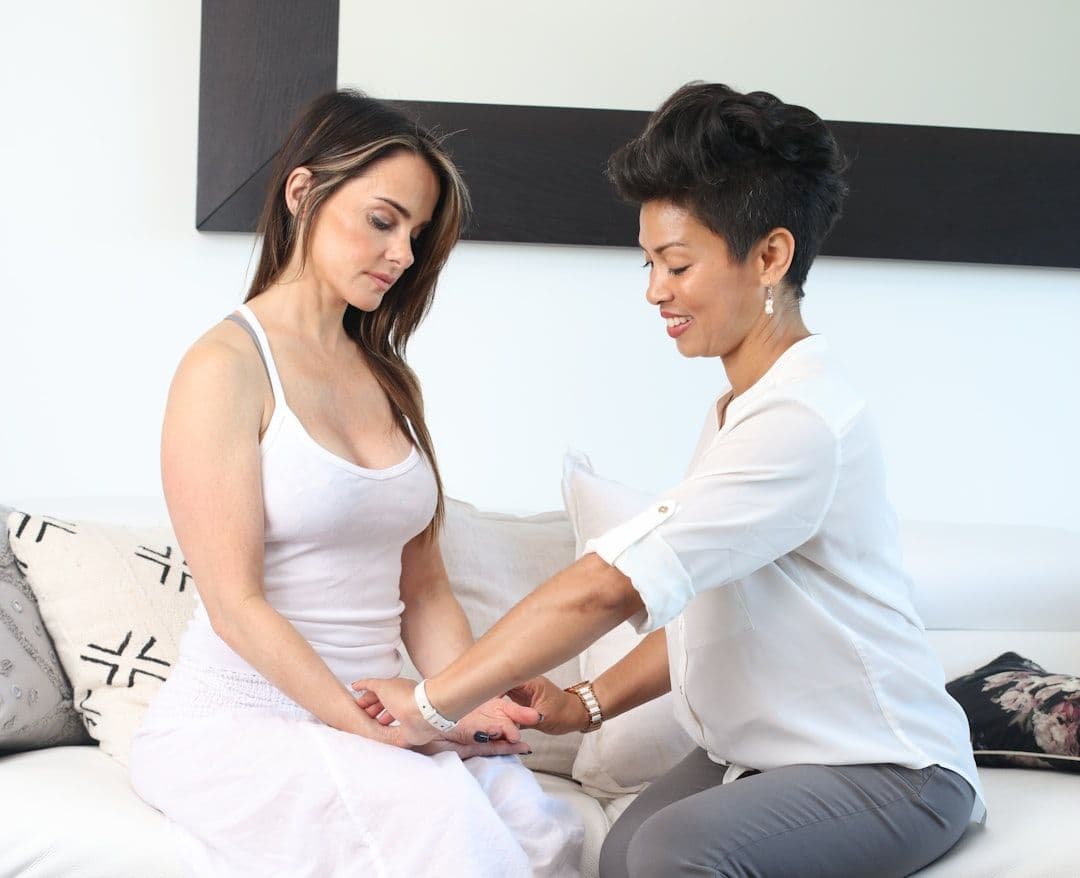
Your practitioner begins with a brief conversation about how you're feeling and any areas of particular concern. They'll explain the process and check about pressure preferences, though rhythmical massage uses notably lighter touch than conventional massage.
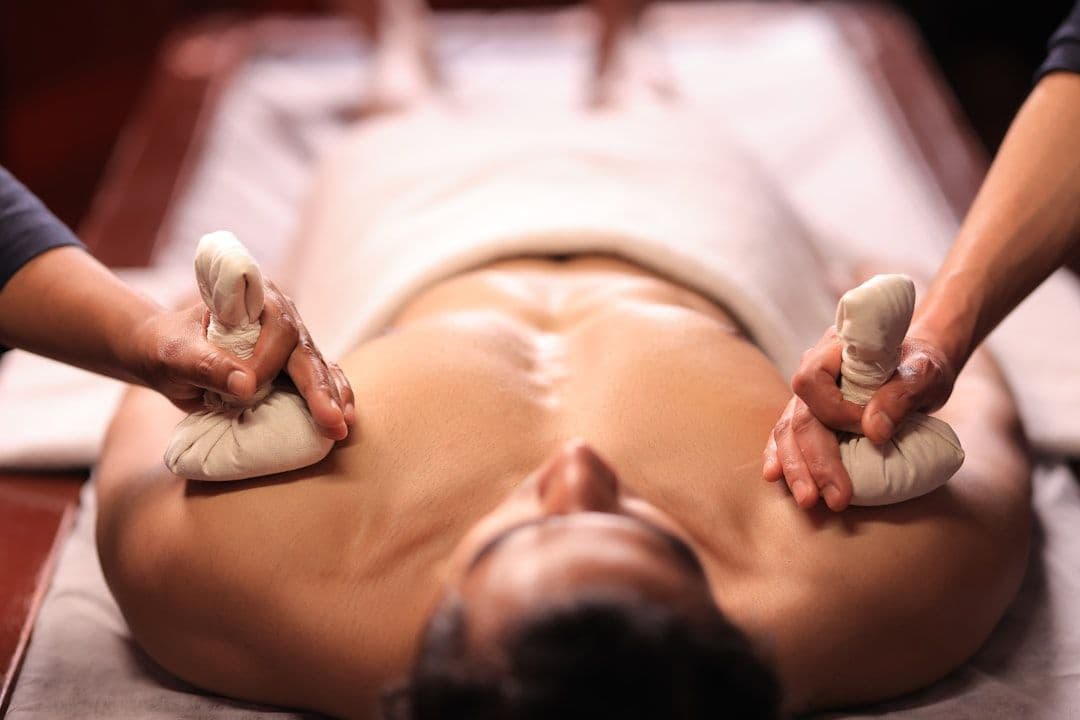
The treatment room feels warm and peaceful. You'll lie on a comfortable massage table, initially face down, covered with soft blankets or towels. The practitioner applies a small amount of special anthroposophic oils — often containing rosemary or lavender — warmed between their hands.
The massage begins with broad, sweeping movements across your back. Rather than kneading or deep pressure, you'll feel distinctive figure-of-eight patterns — these lemniscate strokes create a gentle, wave-like rhythm. The movements feel flowing and continuous, like being rocked by calm water.
After working on your back and legs (about 20-25 minutes), you'll turn over. The practitioner continues with the same rhythmical approach across your arms, hands, and often includes gentle work around your head and face. The entire session lasts 45-60 minutes, ending with a few minutes of stillness whilst you remain warmly covered.
What You Might Experience: Sensations and Responses
Most people notice a profound sense of warmth spreading through their body during treatment. This isn't just from the heated room — the rhythmical movements are specifically designed to encourage your body's warmth circulation. You might feel this warmth continue for several hours afterwards.
During the session, many people find their breathing naturally deepens and slows. Some experience a floating sensation or feel as though they're drifting between waking and sleeping. Unlike deep tissue massage, you're unlikely to feel any discomfort — the touch remains gentle throughout.
Emotional responses vary considerably. Some people feel deeply peaceful, whilst others might experience unexpected emotions surfacing. This is considered normal within the anthroposophic understanding of how touch can influence our emotional as well as physical wellbeing.
Immediately after treatment, you'll likely feel relaxed and may be slightly drowsy. Many people report sleeping particularly well that night.
Aftercare: Supporting Your Body's Response
Rest for at least 30 minutes after your session if possible. Many practitioners encourage you to lie quietly for a few minutes before getting dressed, allowing your system to integrate the treatment.
Drink plenty of water over the following 24 hours, but avoid anything very cold immediately after treatment. Warm herbal teas work particularly well. Try to keep warm for the rest of the day — wear an extra layer and avoid getting chilled.
Plan a gentle evening. Avoid intense exercise, alcohol, or stimulating activities for the remainder of the day. Many people find this an ideal time for early bed with a good book.
Some people notice improved sleep, reduced tension, or a general sense of wellbeing lasting several days. Others might feel slightly tired the day after — this typically indicates your body is responding to the treatment and should pass quickly.
Building a Course of Treatment: Frequency and Duration
Most practitioners recommend weekly sessions initially, particularly if you're managing a chronic condition or receiving support during medical treatment. The anthroposophic approach emphasises that healing happens through sustained, gentle influence rather than dramatic intervention.
A typical course involves 6-10 sessions, though this varies depending on your individual needs and response. People managing cancer treatment or chronic conditions might benefit from ongoing monthly sessions for maintenance.
You'll likely notice cumulative effects as the sessions progress. Whilst individual treatments provide immediate relaxation, the lasting benefits — improved sleep patterns, better energy levels, enhanced sense of wellbeing — tend to develop over several weeks of regular treatment.
Discuss your goals with your practitioner during the initial consultation. They can suggest an appropriate treatment schedule and help you understand what changes to expect as your course of rhythmical massage unfolds.