What Is Shiatsu Massage?
Shiatsu, which means finger pressure in Japanese, is a form of bodywork that evolved from traditional Chinese medicine principles. Developed in early 20th-century Japan, shiatsu combines acupressure techniques with stretching, joint mobilisation, and rhythmic pressure applied by the thumbs, fingers, palms, elbows, and knees. Practitioners work on the belief that the body contains pathways of energy called meridians, and that balanced energy flow supports physical health and emotional well-being.
Unlike massage therapy that focuses primarily on muscle relaxation, shiatsu operates from a whole-body perspective. Practitioners assess patterns of tension and imbalance, then apply sustained pressure to specific points along meridians to encourage the body's natural healing responses. The practice is rooted in the philosophy that tension, discomfort, and emotional stress reflect blockages in energy flow, which shiatsu aims to address through skilled touch.
Shiatsu is complementary to conventional medicine and should not be considered a substitute for medical diagnosis or treatment. When integrated with your healthcare plan, it may support your broader wellness goals.
How Does It Work?
Shiatsu operates on the principle that balanced energy flow through meridians supports health and comfort. When physical or emotional stress occurs, meridians may become blocked or depleted, leading to tension, discomfort, or fatigue. Shiatsu aims to restore balanced energy flow through specific techniques.
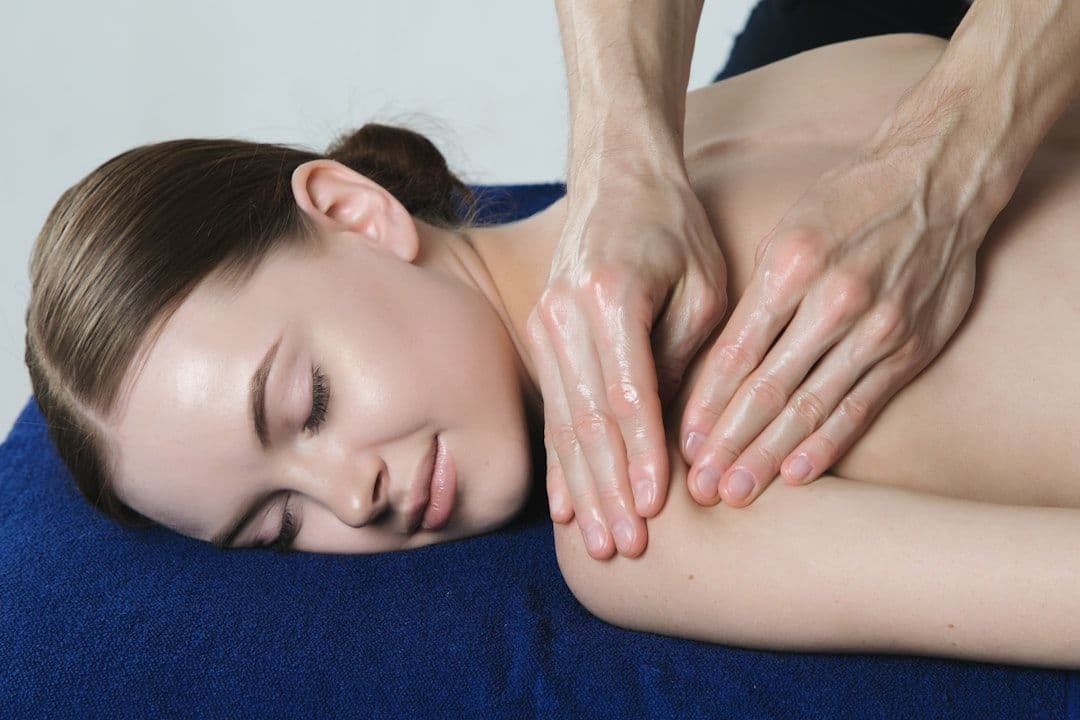
During treatment, the practitioner applies sustained pressure to acupuncture points and along meridian pathways using their thumbs, fingers, palms, and sometimes elbows or knees. This pressure stimulates the nervous system, encouraging relaxation of tight muscles and promoting blood circulation. Research suggests that acupressure activates sensory nerves that signal the brain to release neurotransmitters associated with relaxation and pain relief, such as endorphins and serotonin.
The practitioner also incorporates stretching and joint mobilisation, which improve flexibility and reduce stiffness. Abdominal massage, called Hara in shiatsu, is used to support digestive function and reduce discomfort related to tension-held patterns. The rhythm and quality of touch are tailored to each person's needs. Some sessions emphasise deeper, more stimulating pressure, while others focus on gentle, sustained contact to calm the nervous system.
While the traditional understanding of meridians and energy flow comes from Eastern medicine philosophy, modern practitioners often frame these concepts within a neurobiological context, describing how sustained pressure affects nerve pathways, muscle tension, and stress hormone regulation. Both frameworks acknowledge that shiatsu supports the body's natural capacity to relax and heal.
What Does a Session Involve?
Your first shiatsu appointment typically begins with a consultation. The practitioner will ask about your health history, current symptoms, lifestyle, stress levels, and wellness goals. They may observe your posture and movement patterns to assess areas of tension or imbalance. This information helps them tailor the session to your needs.
You will remain fully clothed throughout the session, wearing comfortable, loose-fitting clothing. The practitioner will guide you to lie on a padded mat or futon on the floor, or on a treatment table, depending on the style of shiatsu practiced. Most sessions last between 50 and 90 minutes.
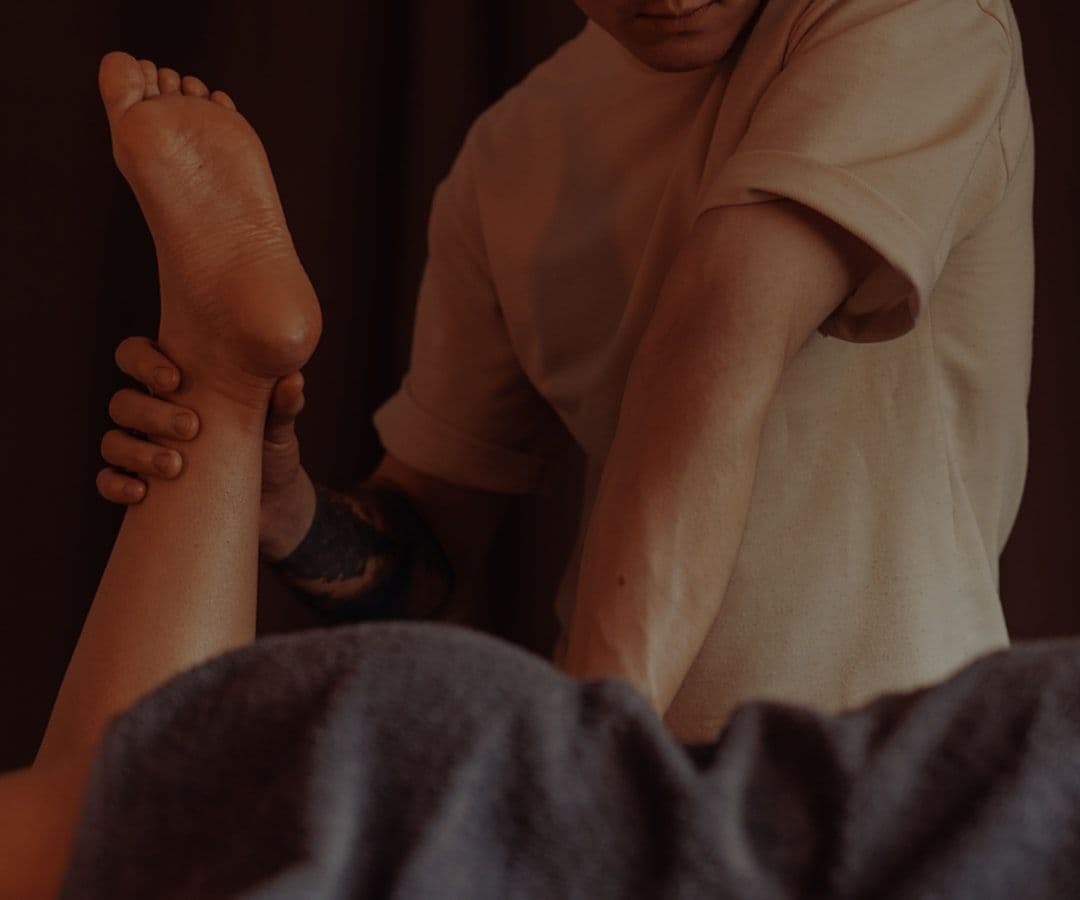
The practitioner begins by assessing your body through touch, feeling for areas of tension, temperature differences, or energy imbalances. They then apply rhythmic pressure using their hands, fingers, thumbs, palms, and sometimes elbows and knees along your meridians and on specific acupressure points. Pressure varies from gentle and sustained to more stimulating, depending on what your body needs. You may also receive stretches, joint mobilisation, or abdominal massage.
Many people experience deep relaxation during shiatsu. Some feel their muscles release tension, while others experience emotional release or heightened awareness of their body. After the session, the practitioner may offer recommendations for self-care, such as stretches, breathing practices, or lifestyle adjustments to support the benefits of treatment.
Most people feel calm and relaxed immediately after a session, though some experience mild soreness as tension releases. Drinking water and resting afterward helps integration. Regular sessions tend to produce more sustained benefits than occasional treatments.
Who May Benefit?
Shiatsu may benefit a wide range of people, particularly those seeking complementary support alongside conventional care. People experiencing tension-type headaches, particularly those with neck and shoulder tension, often find shiatsu helpful for releasing pressure that contributes to head pain. Those with chronic lower back pain may benefit from shiatsu's ability to release muscle tension and improve mobility, especially when combined with other pain management approaches.
Individuals under high stress or living with generalised anxiety may find shiatsu supports relaxation and reduces the physical manifestations of stress, such as muscle tightness and difficulty sleeping. People struggling with insomnia or poor sleep quality may benefit from shiatsu's calming effect on the nervous system, particularly when sessions are scheduled in the evening.
Those with irritable bowel syndrome or digestive discomfort may benefit from abdominal shiatsu, which aims to regulate digestive function and reduce cramping. People experiencing premenstrual syndrome, including bloating, discomfort, and mood changes, may find regular shiatsu supports symptom management throughout their cycle.
Shiatsu is also suitable for people seeking general wellness and stress prevention, athletes looking to support recovery and flexibility, and older adults interested in maintaining mobility and vitality. If you have serious medical conditions, are pregnant, or take medications, consult your healthcare provider before starting shiatsu to ensure it is appropriate for you.
What Does the Evidence Say?
Research on shiatsu has grown over the past two decades, with studies examining its effects on pain relief, stress reduction, sleep quality, and digestive function. Overall, the evidence base is moderate, meaning that while promising benefits have been documented, larger and more rigorously designed studies are needed to strengthen confidence in the findings.
For tension-type headaches, moderate evidence suggests shiatsu may reduce headache frequency and intensity, particularly when practitioners focus on releasing tension in the neck and shoulder regions. For chronic lower back pain, several studies indicate that shiatsu can reduce pain and improve function when integrated with conventional care.
Research on anxiety and stress shows that shiatsu promotes relaxation and reduces physiological markers of stress, such as elevated cortisol and muscle tension. Studies on sleep suggest that regular shiatsu sessions may improve sleep quality and reduce time to sleep onset, likely through its calming effect on the nervous system.
For digestive conditions like irritable bowel syndrome, emerging research indicates that abdominal massage and shiatsu may help regulate digestive function and reduce cramping, though evidence remains more limited than for pain and stress management. Similarly, evidence for premenstrual syndrome is promising but would benefit from larger trials.
It is important to note that the current evidence base does not support shiatsu as a standalone treatment for serious medical conditions. Instead, evidence suggests its greatest value lies in complementing conventional medical care, supporting symptom management, and promoting overall wellness. If you have a serious condition, always consult your doctor and do not discontinue prescribed medications or medical treatment.
Safety and Considerations
Shiatsu is generally safe for most people when performed by a trained and certified practitioner. However, certain conditions and situations require caution or consultation with a healthcare provider beforehand.
Avoid shiatsu or inform your practitioner immediately if you are pregnant, particularly beyond the first trimester, as certain pressure points are contraindicated during pregnancy. If you have deep vein thrombosis, active blood clots, or severe varicose veins, shiatsu may not be appropriate. People undergoing active cancer treatment should consult their oncology team before starting shiatsu. Those with recent fractures, severe osteoporosis, or unstable joints should inform their practitioner to ensure appropriate pressure and techniques are used.
If you have a serious health condition such as heart disease, uncontrolled high blood pressure, or psychiatric conditions, discuss shiatsu with your doctor before beginning treatment to ensure it complements your care plan. Inform your practitioner about all medications, supplements, and medical conditions, as some may affect how your body responds to treatment.
Shiatsu should never be used as a substitute for medical diagnosis, treatment, or emergency care. If you experience symptoms of a serious condition, seek conventional medical evaluation. Do not discontinue prescribed medications or medical treatments.
Some people experience mild soreness or fatigue after shiatsu as their body releases tension. This is usually temporary and resolves within hours or days. If you experience sharp pain, dizziness, or concerning symptoms after a session, contact your practitioner and consult your healthcare provider if symptoms persist.
Choose a practitioner who is certified, insured, and trained in shiatsu from a recognized school or organization. A qualified practitioner will take a thorough health history, ask about your goals, and maintain professional boundaries.
How to Find a Qualified Practitioner
Finding a qualified shiatsu practitioner ensures you receive safe, effective treatment tailored to your needs. Look for practitioners who have completed formal training in shiatsu from an accredited school, typically requiring 500 to 2,000 hours of study depending on the program and country. Many countries have professional associations that maintain standards for practitioner certification and training.
In Europe, the European Shiatsu Federation and national shiatsu associations maintain directories of certified practitioners. In the United States, the American Massage Therapy Association and the National Certification Board for Therapeutic Massage and Bodywork list qualified providers. Many practitioners hold additional certifications in acupressure, traditional Chinese medicine, or other complementary therapies.
When searching for a practitioner, look for credentials such as Certified Shiatsu Practitioner (CSP) or similar designations from recognized bodies. Check that they hold professional liability insurance, which protects you in case of injury. Read reviews from previous clients and note whether they describe feeling respected, heard, and safely treated.
During your initial consultation, observe how the practitioner communicates. A good practitioner will ask detailed questions about your health, listen to your concerns, explain their approach, and discuss realistic expectations. They should respect your boundaries, ask permission before treating sensitive areas, and adjust pressure according to your feedback.
Consider scheduling a consultation appointment or a shorter introductory session to assess whether you feel comfortable with the practitioner and whether their approach aligns with your needs. Many practitioners are happy to answer questions about their training, experience, and approach before you commit to a longer session. Trust your instincts; finding a practitioner you feel at ease with is important for a beneficial therapeutic relationship.