What it is
Shiatsu uses thumb and palm pressure on energy points to support balance and flow.
Shiatsu is a traditional Japanese massage therapy that applies rhythmic pressure to specific points on the body to promote relaxation and...
At a glance
What it is
Shiatsu uses thumb and palm pressure on energy points to support balance and flow.
Why explore it
Many seek shiatsu for stress, muscle tension, fatigue, and tension headaches.
How it’s experienced
You stay clothed while a practitioner applies pressure along energy pathways for 60–90 minutes.
Evidence context
Shiatsu is rooted in tradition; clinical research is limited and early-stage.
See the evidence snapshotSafety
Generally safe for healthy adults, but consult your doctor if you have spinal or bone concerns.
See staying safeHistory & Origin
Shiatsu is a Japanese bodywork technique using rhythmic finger and palm pressure along the body's meridians, distinct from Western-style massage in its traditional Chinese/Japanese medicine framework rather than muscle-focused manipulation alone.
Shiatsu emerged in early 20th-century Japan as a formalized therapy, though its roots trace back centuries to traditional Chinese medicine practices that influenced Japanese healing arts. The term "shiatsu" literally means "finger pressure" in Japanese, and the modality developed as practitioners systematized the application of pressure to meridian points and body areas to support health and vitality. In the 1950s, shiatsu gained official recognition in Japan and began spreading internationally, with practitioners developing various schools and approaches. Today, shiatsu is practiced worldwide and remains particularly popular in Japan, Europe, and North America, where it is often integrated into wellness centers and spa settings alongside other complementary therapies.
Mechanism
Shiatsu Massage is generally described as working through skilled touch, careful pacing, and the body's response to pressure, movement, warmth, or stillness. Practitioners may focus on muscle tone, joint comfort, circulation, breath, or relaxation depending on the method. Traditional explanations may also include energy flow or whole-person balance. Research support varies by modality, so the experience is best framed as supportive care with outcomes that vary. Shiatsu applies sustained pressure using fingers, thumbs, palms, and forearms to specific points and meridian pathways on the body, based on Traditional Chinese Medicine theory of energy (qi) flow.
Your first visit
A typical session outline to help you feel prepared
A Shiatsu session blends gentle conversation, intuitive touch, and rhythmic pressure along your body's energy pathways — all while you stay fully clothed.
Your practitioner will ask about your current health, energy levels, stress, and any areas of tension or discomfort so the session can be shaped around your needs today.
Before touch begins, your practitioner may observe your posture, skin tone, and breathing, and gently feel your abdomen in a practice called hara diagnosis to sense where energy feels blocked or depleted.
You'll lie fully clothed on a padded floor mat — loose, comfortable clothing like yoga pants or sweats works best so pressure can be applied freely without restriction.
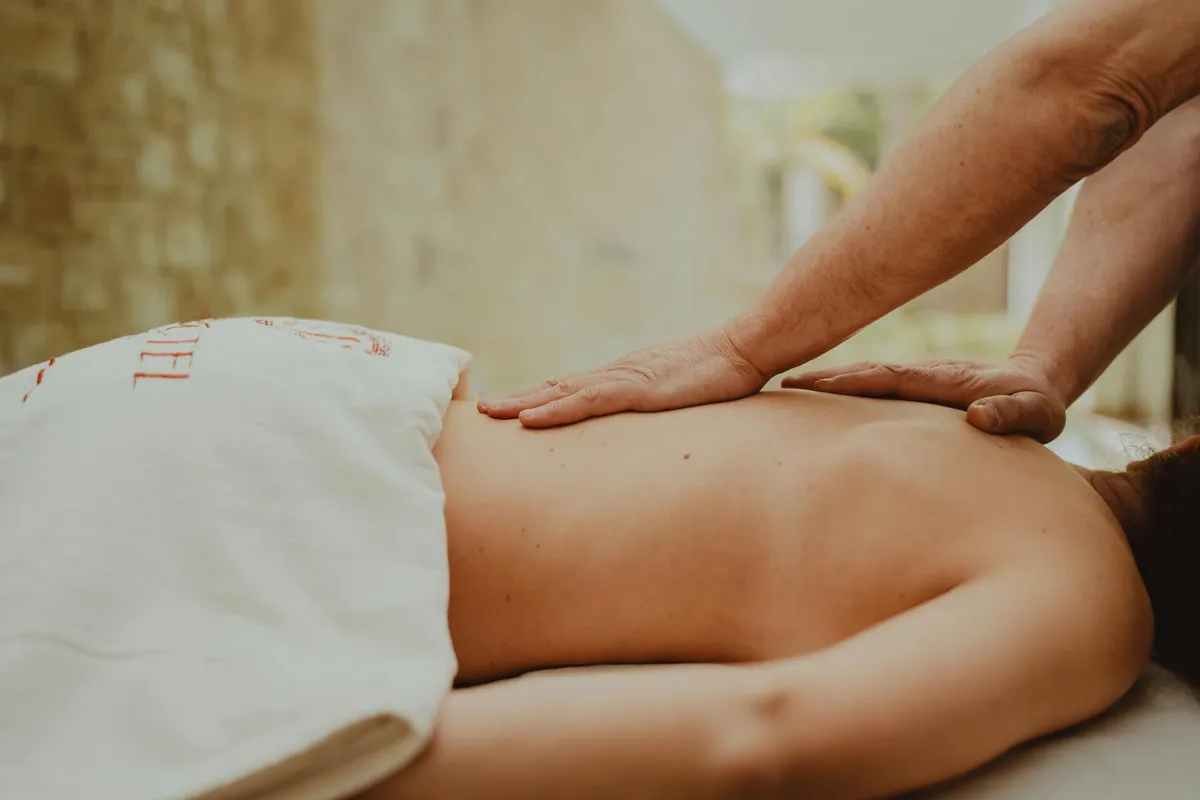
The session begins with broad, grounding palm pressure applied slowly along your back or limbs, inviting your nervous system to settle and your breathing to deepen naturally.
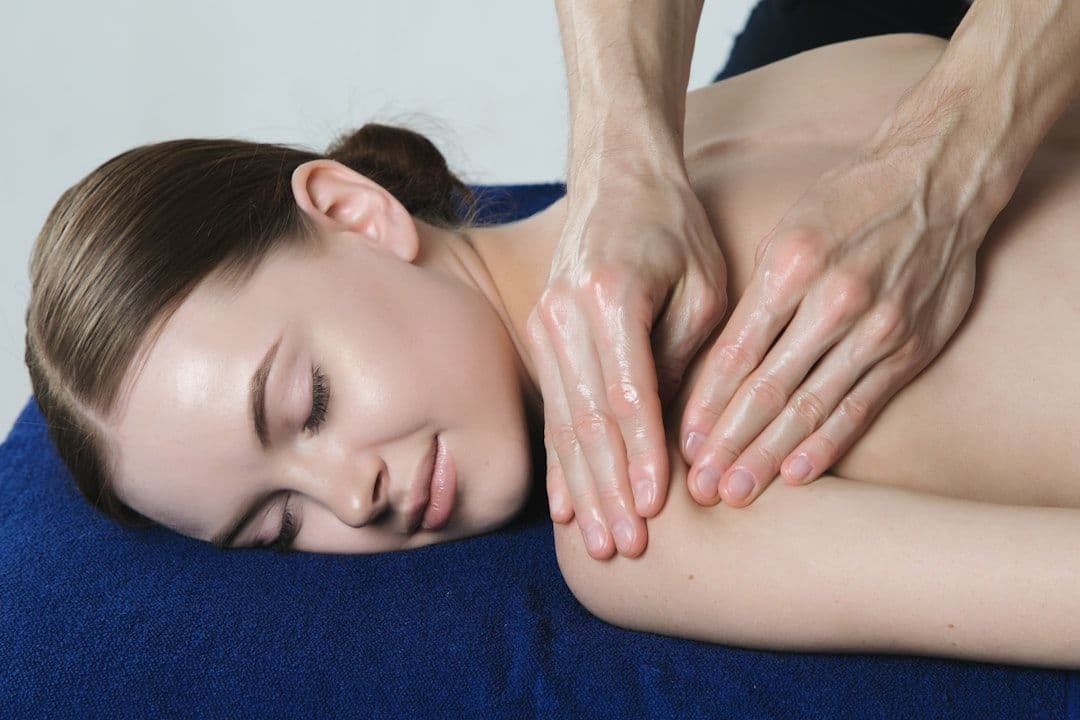
Using thumbs, palms, and fingers, your practitioner works along specific energy channels called meridians, applying sustained rhythmic pressure at key points that may feel tender, warm, or deeply releasing.
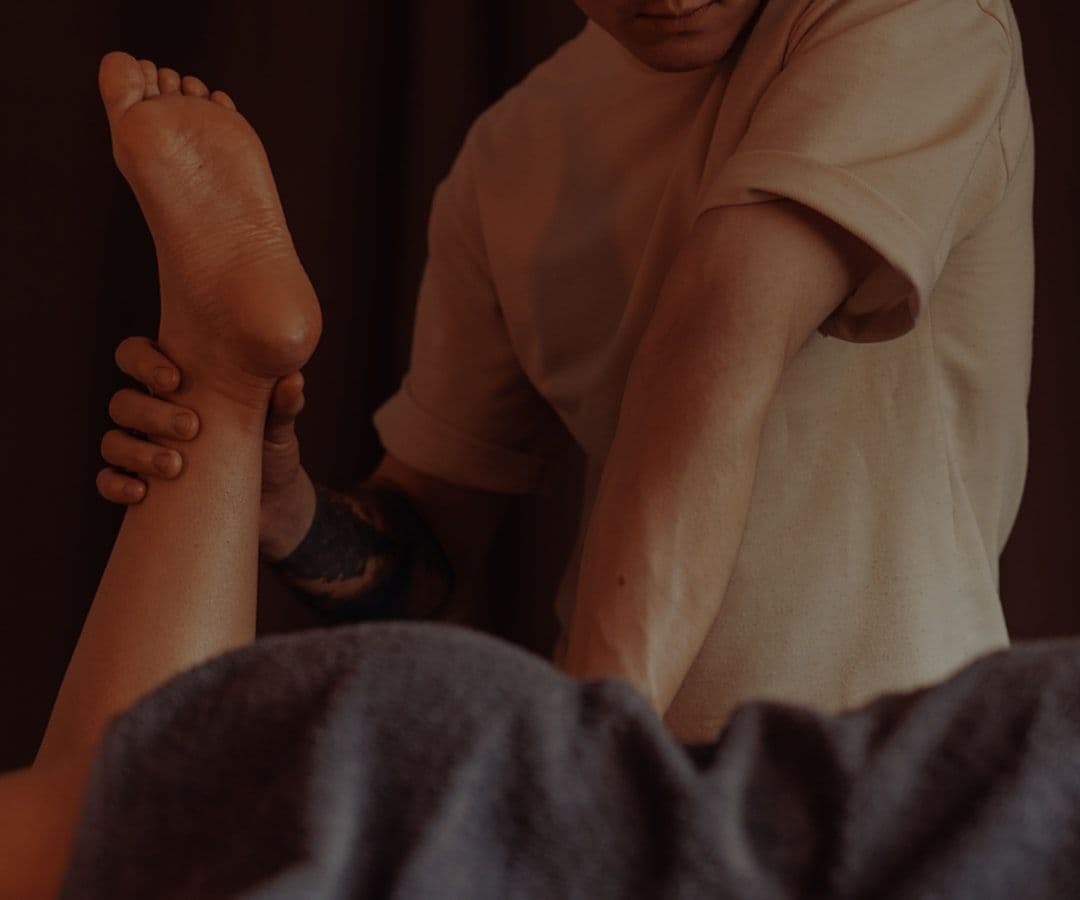
Shiatsu often includes gentle assisted stretches and rotations of the limbs, hips, or shoulders to encourage energy flow and ease areas of stiffness or holding.
The session winds down with slower, lighter contact along the back or limbs, allowing your body and energy to settle before the practitioner gently steps back.
You'll rest briefly before sitting up slowly — your practitioner may suggest drinking water and note that a sense of deep calm or mild fatigue can continue unfolding over the next day or two.
The Evidence
What research and tradition tell us about shiatsu — and where the evidence is still developing.
Relaxation-focused therapy with limited but cautiously positive research
Shiatsu has a long tradition in Japanese healing practice and is widely used for relaxation and tension relief. Clinical research exists but remains limited in scale and quality, making strong evidence-based claims difficult to support at this stage.
Several small studies and a limited number of systematic reviews suggest shiatsu may support stress reduction, relaxation, and mild relief from tension and fatigue. Findings are cautiously positive but inconsistent. Most studies involve small sample sizes, limited control groups, and some are published in restricted-circulation journals, making comprehensive evidence synthesis difficult.
The term shiatsu means 'finger pressure' in Japanese. The modality developed as practitioners systematised meridian-based pressure techniques influenced by traditional Chinese medicine. Officially recognised in Japan in the 1950s, shiatsu has since spread internationally and is now practised across wellness, spa, and complementary health settings worldwide.
Shiatsu is best understood as a holistic wellness therapy. Practitioners apply pressure across meridian pathways and body areas to encourage relaxation, reduce muscular tension, and support the body's overall sense of equilibrium. It is commonly used alongside other lifestyle and wellbeing practices rather than as a standalone intervention for specific conditions.
Current evidence does not support inflated outcome claims for shiatsu. High-quality, well-controlled clinical trials are limited, and many existing studies have methodological weaknesses. Shiatsu is most appropriately understood as a complementary relaxation and wellness therapy. Anyone seeking support for a specific health condition should consult a qualified healthcare professional.
People with serious spinal conditions, recent surgery, active infection, severe osteoporosis, or cancer should consult their healthcare provider before receiving shiatsu. Avoid pressure directly over open wounds, fractures, or post-surgical sites. Choose a practitioner with recognised training and credentials, communicate openly during sessions, and do not use shiatsu as a substitute for urgent or professional medical care.
Shiatsu training standards and regulatory frameworks differ by country. Look for practitioners with formal certification from a recognised shiatsu school or professional association. A good practitioner will take a full health history, adapt pressure to your needs, and refer you to other healthcare providers when appropriate. Transparency about qualifications is a reasonable expectation.
Safety first
General guidance to help you decide whether this approach is appropriate for you. This is informational only and not a substitute for medical, psychological, or professional advice.
If you are pregnant, managing a health condition, recovering from injury or surgery, or taking medication, consult a qualified healthcare professional first.
Mild, short-lived effects such as tenderness, tiredness, or temporary soreness can occur. Rest, hydrate, and tell your practitioner how you respond.
Some situations call for extra care or a different approach. Share any conditions, injuries, or sensitivities with your practitioner before your first session.
Look for clear boundaries, transparent pricing, and practitioners who avoid fear-based claims or pressure to book frequent sessions.
For you?
A simple, human way to weigh it up. This is general guidance, not personal medical advice — a qualified practitioner can advise on your situation.
Gyfts is a discovery platform, not a medical provider. Nothing here diagnoses, treats or replaces professional care. In an emergency, contact your local emergency number.
Explore approaches
Other practices people often explore alongside shiatsu massage.
In their words
FAQ
You remain fully clothed and lie on a padded mat. The practitioner applies rhythmic pressure using their hands, fingers, thumbs, and other parts of their body to specific points and pathways on your body. The session typically lasts 45 to 90 minutes and focuses on releasing tension, improving circulation, and supporting energy balance. Most people find it deeply relaxing.
This varies by individual and your specific concerns. Some people benefit from a single session for relaxation, while others receive ongoing weekly or bi-weekly sessions for sustained support. Your practitioner will recommend a treatment plan tailored to your needs during your initial visit.
Shiatsu should not be painful, though you may feel firm pressure. The aim is deep relaxation, not pain. Communicate with your practitioner about pressure preferences, and they will adjust accordingly. Some areas of tension may feel tender initially, but the sensation should be manageable and relieving.
Wear comfortable, loose-fitting clothing such as sweatpants and a t-shirt, as shiatsu is performed fully clothed. Avoid tight jeans, belts, or restrictive clothing that might limit the practitioner's access or your comfort.
No. Shiatsu is a complementary therapy designed to support relaxation and wellness. It should not replace medical diagnosis, treatment, or medication for serious conditions. Always work with your healthcare provider for medical concerns.
While both originate from similar traditional philosophies and work with similar point systems, shiatsu uses finger and hand pressure while acupuncture uses needles. Shiatsu is clothed and does not involve needles, making it a non-invasive alternative for those who prefer hands-on pressure.
References
Educational sources that inform this overview. Inclusion is for context and does not imply endorsement.
Full citations are maintained by the Gyfts editorial team and reviewed periodically.
Keep exploring
Browse practitioners, explore honest overviews, and take what you learn to a conversation — at your own pace.