The Research Landscape
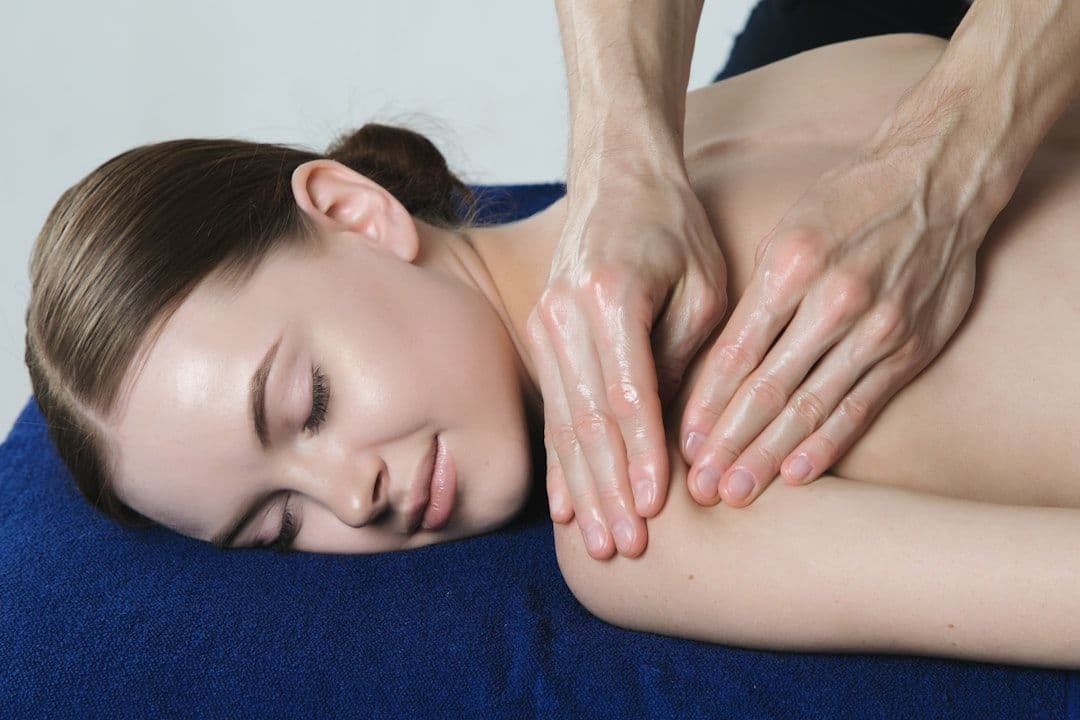
Shiatsu massage occupies a growing but still developing space in clinical research. The modality, which combines sustained pressure on meridian pathways with rhythmic palming techniques, has attracted increasing scientific attention over the past two decades. The overall evidence base is moderate, meaning preliminary studies show promise but high-quality randomized controlled trials remain limited. Most research has focused on musculoskeletal conditions, particularly chronic pain and tension, alongside emerging investigations into anxiety, stress reduction, and sleep quality. Research tends to come from Japan, where Shiatsu is a regulated healthcare modality, and increasingly from Europe and North America where interest in complementary therapies continues to grow. However, heterogeneous study designs, small sample sizes, and variable outcome measures make synthesizing findings challenging. Many studies lack long-term follow-up data, leaving questions about sustained benefit and optimal treatment frequency unresolved. The evidence landscape reflects both the potential of Shiatsu and the reality that methodologically rigorous, large-scale clinical trials remain sparse compared to pharmaceutical or mainstream rehabilitation approaches.
Where Evidence Is Strongest
The strongest evidence for Shiatsu exists in the management of chronic lower back pain and tension-type headaches. Multiple systematic reviews and meta-analyses indicate that Shiatsu produces outcomes comparable to standard physiotherapy for pain reduction and functional improvement. These findings make sense mechanistically: sustained pressure on muscles and connective tissue releases tension, improves local circulation, and may reduce pain signaling. A growing body of research also supports Shiatsu for anxiety and stress reduction. Studies measuring cortisol levels, heart rate variability, and subjective stress markers show that Shiatsu sessions activate parasympathetic nervous system responses, the body's relaxation response. This neurophysiological mechanism is consistent across multiple studies. Sleep quality improvement is another area with emerging stronger evidence. Shiatsu practitioners report working with the nervous system to support sleep onset and continuity, and preliminary controlled trials suggest benefits, particularly when sessions are regular and focused on specific acupressure points linked to sleep regulation. What these areas share is that they involve either muscular tension, autonomic nervous system regulation, or both—mechanisms where Shiatsu's physical and energetic effects appear to produce measurable outcomes. However, even in these stronger areas, evidence remains moderate rather than strong, reflecting the need for larger, more rigorous trials.
Emerging Areas of Study
Beyond pain and stress, researchers are investigating Shiatsu for a range of conditions where evidence is preliminary or exploratory. Irritable bowel syndrome is an emerging area, with some practitioners using abdominal Shiatsu (called Hara) to regulate digestion and reduce cramping and bloating. The rationale stems from Oriental medicine understanding of the abdomen as an energetic centre, combined with the neurophysiological reality that the gut has its own nervous system responsive to touch and pressure. However, clinical trials specifically examining Shiatsu for IBS remain very limited, and drawing firm conclusions is premature. Premenstrual syndrome is similarly emerging as a research focus, with small studies suggesting Shiatsu may help balance hormonal-related symptoms like bloating, mood disturbance, and pelvic discomfort. Again, evidence is limited, and more research is needed. Researchers are also beginning to explore Shiatsu for conditions like fibromyalgia, cancer-related fatigue, and migraine prevention, areas where touch-based therapies may offer value for symptom support. The common thread in emerging areas is that they often involve dysregulation—nervous system, digestive, hormonal—which Shiatsu practitioners address through holistic pressure and energetic techniques. What is critical is that emerging evidence should not be mistaken for established evidence; these areas require more rigorous investigation before confident claims can be made.
Limitations and Gaps in the Research
Several significant limitations constrain the current evidence base. First, many studies are small, with fewer than 50 participants, which limits statistical power and generalizability. Second, Shiatsu research often lacks adequate control groups. Comparing Shiatsu to placebo touch or standard care is methodologically challenging, in part because it is difficult to 'blind' participants to a manual therapy. This means some observed benefits may reflect placebo effects, therapeutic attention, or the natural course of conditions like pain, which tend to fluctuate. Third, outcome measures vary widely across studies, making it hard to compare findings. One study measures pain on a visual analog scale, another uses functional questionnaires; this heterogeneity is common in complementary medicine research. Fourth, long-term follow-up is rare. Most trials assess outcomes immediately after treatment or at short-term follow-up (weeks to months), leaving questions about durability of benefit unanswered. Fifth, publication bias likely exists; studies showing positive findings are more likely published, while null findings may remain unpublished. Sixth, the mechanisms by which Shiatsu works remain incompletely understood. While the meridian model of Oriental medicine is central to Shiatsu theory, these meridians lack anatomical equivalents confirmed by modern imaging, creating a conceptual gap between traditional understanding and biomedical science. Finally, research on specific populations—elderly individuals, children, those with complex medical conditions—is sparse. These gaps do not mean Shiatsu lacks value; rather, they reflect the reality that rigorous evidence generation takes time and resources, and complementary therapies often receive less research funding than pharmaceutical interventions.
What This Means for You
If you are considering Shiatsu, understanding the evidence landscape can help you set realistic expectations and use the modality appropriately. The moderate evidence base suggests that Shiatsu may support symptom management and relaxation, particularly for chronic muscle tension, headaches, anxiety, and sleep concerns. It is reasonable to try Shiatsu as a complementary approach—used alongside, not instead of, medical care. For chronic pain conditions, Shiatsu pairs well with other evidence-based approaches like physical therapy, exercise, and medical management. For anxiety or sleep issues, Shiatsu can complement conventional treatments or lifestyle strategies. What the research does not support is using Shiatsu as a standalone treatment for serious conditions. If you have diagnosed pain, mental health, or digestive disorders, maintain engagement with your healthcare provider. If you are taking medication, do not stop or reduce doses based on Shiatsu treatment without medical guidance. When selecting a practitioner, look for credentials from recognized professional bodies in your region, which indicate training in anatomy, contraindications, and ethical practice. Expect that benefits often build with consistent sessions; occasional treatments may offer temporary relaxation but may not produce sustained change. Be transparent with your practitioner about your medical history, current medications, and conditions so they can tailor treatment appropriately. Finally, recognize that individual responses vary widely. What helps one person may not help another, and this is true of all therapies. The evidence base is real and growing, but it is also still developing. Approaching Shiatsu with informed curiosity, rather than as a cure or replacement for medicine, positions you to benefit from what it can offer.