When One Size Doesn't Fit All
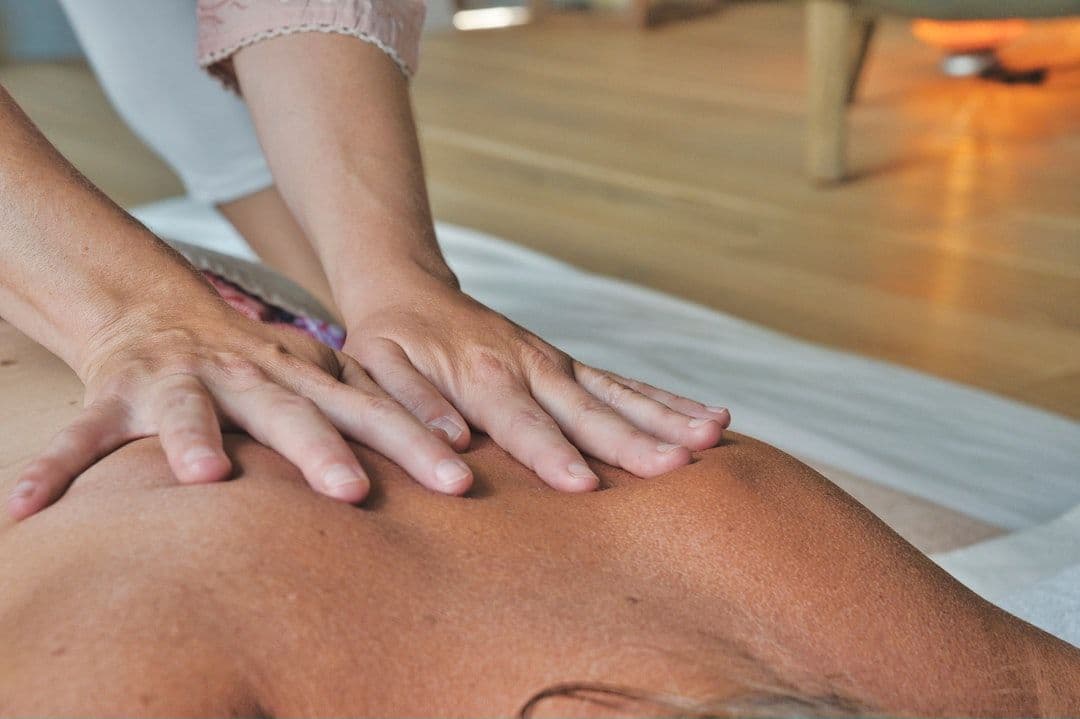
The massage therapist's hands move deliberately along your shoulder blade, pausing where tension has built up over months of hunching over a laptop. The pressure shifts—deeper here where muscle fibres have shortened, gentler there where inflammation lingers. This isn't following a preset routine. Each movement responds to what your tissues reveal.
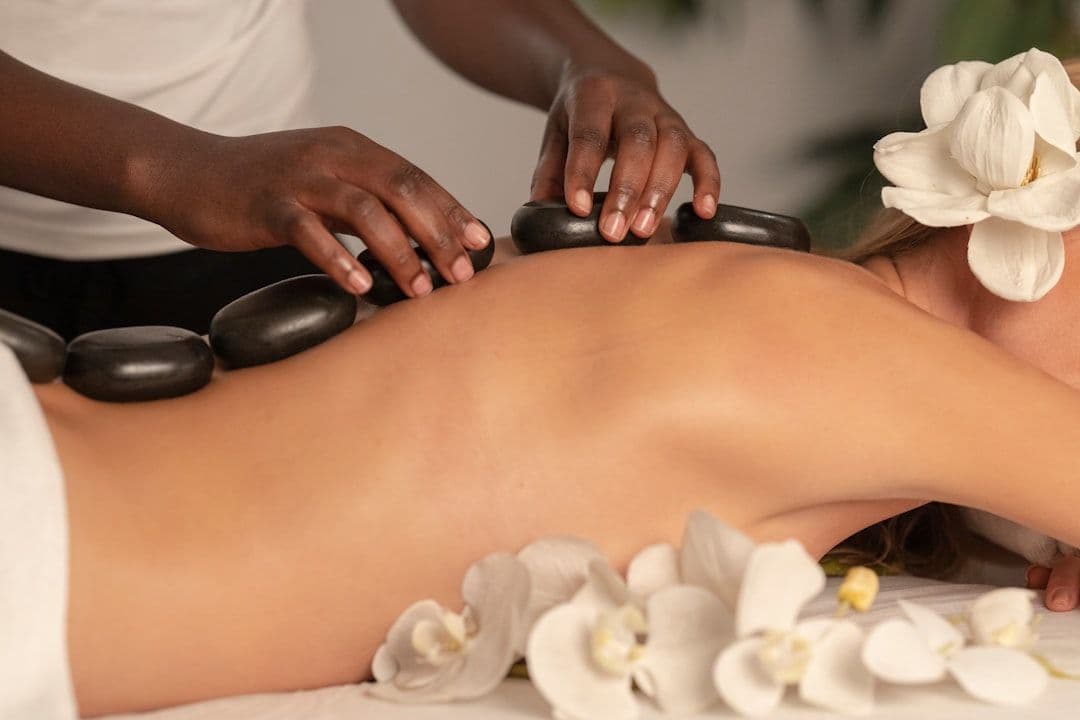
Specialty massage represents a departure from standardised treatments. Rather than applying the same Swedish or deep tissue protocol to everyone, practitioners assess your specific concerns and adapt their approach accordingly. The shoulder tension from desk work gets different treatment than the hamstring tightness from running. A recent ankle sprain requires different handling than chronic neck stiffness.
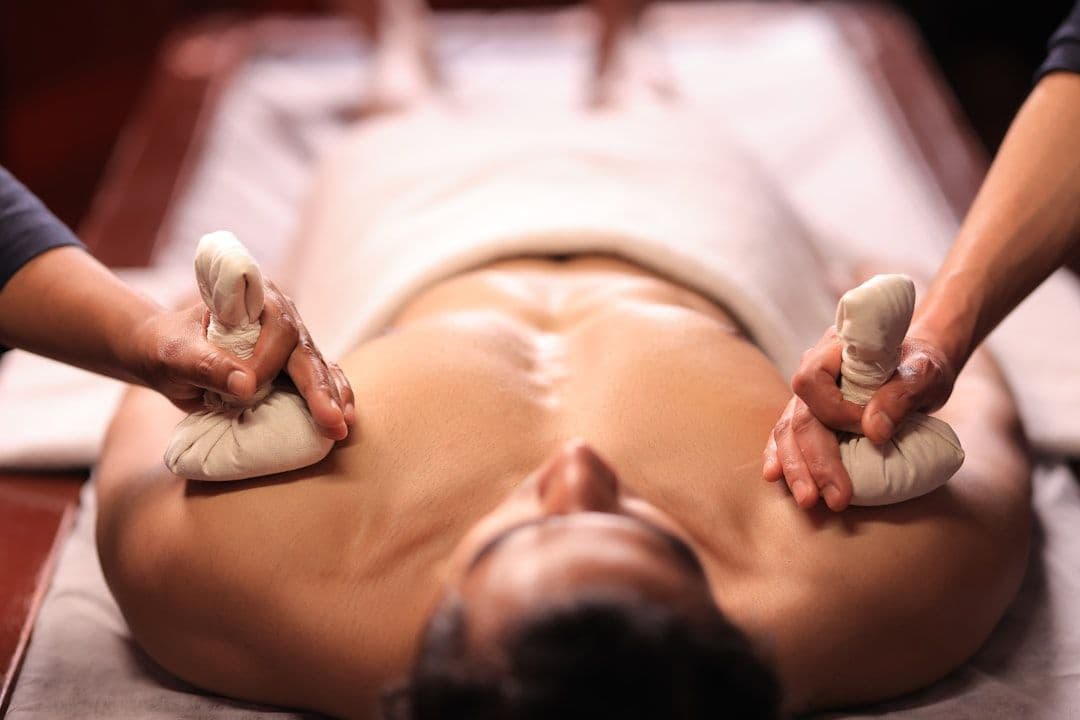
This individualised methodology draws from multiple massage traditions and therapeutic techniques. A single session might incorporate myofascial release for restricted connective tissue, lymphatic drainage for swelling, and trigger point therapy for localised pain—all selected based on assessment findings rather than predetermined routine.
Evolution of Personalised Touch
Massage therapy has always involved some degree of adaptation to individual needs, but the formalised specialty approach emerged as practitioners recognised the limitations of one-size-fits-all protocols. Sports massage clinics in the 1980s began developing assessment-driven treatments for athletes with specific performance goals.
The integration accelerated through the 1990s as remedial massage gained recognition within healthcare settings. Practitioners began combining techniques from Swedish massage, deep tissue work, myofascial release, and neuromuscular therapy based on client presentation rather than training background. This cross-pollination created a more flexible therapeutic framework.
Today's specialty massage reflects influence from physiotherapy assessment methods, osteopathic evaluation techniques, and traditional massage training. The approach acknowledges that effective treatment requires matching intervention to individual tissue condition, pain patterns, and healing capacity.
Assessment Meets Adaptation
The process begins with systematic evaluation. Practitioners examine posture, range of motion, and tissue quality while discussing your symptoms, activity levels, and treatment goals. They're looking for patterns—where tension accumulates, how movement compensates for restrictions, which areas feel hypersensitive or notably tight.
Based on these findings, they select appropriate techniques. Deep, slow strokes might address chronic muscle tension through mechanical pressure and improved blood flow. Gentler lymphatic techniques could reduce swelling by encouraging fluid drainage through specific pathways. Myofascial work targets the connective tissue web that can restrict movement when tight or scarred.
From a physiological perspective, different techniques create distinct responses. Deep pressure work affects muscle spindle sensitivity and can trigger protective relaxation responses. Lighter touch stimulates mechanoreceptors that help modulate pain signals. Rhythmic techniques may influence autonomic nervous system activity, promoting the relaxation response that supports healing.
Who Finds This Approach Helpful
People with persistent, location-specific problems often benefit most from specialty massage. The office worker whose right shoulder blade constantly aches from mouse use needs different intervention than someone with generalised stress tension. Runners with ITB syndrome require targeted work along specific fascial lines rather than full-body relaxation massage.
Those recovering from injuries particularly value the adapted approach. Post-surgical scar tissue responds to specific mobilisation techniques. Healing fractures benefit from gentle circulation enhancement around the affected area while avoiding the injury site itself. Recent sprains need lymphatic drainage for swelling but require careful pressure modification.
Chronic pain sufferers often find specialty massage more effective than standard protocols. Fibromyalgia patients may need extremely light pressure with focus on nervous system calming. Arthritis sufferers benefit from techniques that address surrounding muscle tension without aggravating inflamed joints. The assessment-driven approach allows practitioners to work within individual tolerance levels while still providing therapeutic benefit.
Inside a Specialty Massage Session
Sessions typically begin with 10-15 minutes of assessment discussion and physical evaluation. Your practitioner observes how you move, checks range of motion in relevant joints, and palpates tissues to identify areas of restriction or sensitivity. This isn't rushed—thorough assessment drives effective treatment selection.
The massage portion adapts throughout the session. Pressure, rhythm, and technique change based on tissue response and your feedback. Areas of acute sensitivity receive gentler approaches. Chronic tension might require sustained pressure or repetitive work to create lasting change. The practitioner continuously evaluates tissue response and adjusts accordingly.
A 60-90 minute session allows time for both comprehensive assessment and therapeutic work. Shorter sessions may focus on specific problem areas, while longer appointments can address multiple concerns or whole-body patterns. Sessions conclude with reassessment of treated areas and discussion of findings, response patterns, and appropriate follow-up timing.
The Evidence Landscape
Research consistently supports massage therapy's effectiveness for specific conditions, though evidence strength varies by application. Systematic reviews demonstrate clear benefits for low back pain, with specialty techniques showing particular promise for chronic cases. Studies on sports massage indicate improved recovery times and reduced delayed-onset muscle soreness when techniques match specific athletic demands.
The personalised assessment aspect has less direct research support, partly because controlled trials typically standardise treatments rather than allowing individualisation. However, clinical outcome studies suggest better results when practitioners can adapt techniques to client presentation rather than following rigid protocols.
Evidence for specific techniques within specialty massage varies considerably. Deep tissue work has moderate support for chronic pain conditions. Myofascial release shows promise for mobility restrictions, though larger trials are needed. Lymphatic drainage has established effectiveness for post-surgical swelling but limited evidence for other applications. The integration of multiple approaches based on assessment findings represents current best practice rather than research-proven protocol.
Finding the Right Practitioner
Look for massage therapists with advanced training in multiple modalities rather than single-technique specialists. Relevant qualifications include Level 4 or 5 diplomas in therapeutic or remedial massage, sports massage certification, or additional training in myofascial techniques. Membership with CNHC or FHT indicates recognised professional standards.
Experience with your specific concern matters significantly. Practitioners working with athletes understand movement patterns differently than those focused on stress relief. Ask about their assessment approach and comfort level with your particular issue before booking.
Sessions typically cost £50-80 in most UK regions, with initial consultations sometimes priced higher due to extended assessment time. Treatment frequency depends on your condition—acute issues might benefit from weekly sessions initially, while chronic concerns often respond to fortnightly treatments with monthly maintenance. Many practitioners offer package rates for multiple sessions, which can provide both financial savings and treatment consistency.