Before You Arrive
Arrive in comfortable, loose-fitting clothing that's easy to remove. Your therapist will typically ask you to undress to your comfort level—this might mean underwear only or keeping on whatever makes you feel secure. Professional draping ensures you're covered throughout except for the area being worked on.
Eat lightly beforehand rather than having a heavy meal, and stay well-hydrated in the hours leading up to your session. Avoid alcohol or excessive caffeine, as these can affect how your body responds to treatment. If you're feeling unwell or have any acute injuries, contact the clinic beforehand—your session may need rescheduling.
Bring a list of any medications you're taking and be prepared to discuss your health history openly. Your therapist needs to know about conditions like high blood pressure, recent surgeries, or pregnancy to adapt their approach safely.
The Initial Assessment
Your session begins with a thorough consultation lasting 10-15 minutes. Your therapist will ask detailed questions about your specific concerns: where you feel tension, any recent injuries, your activity levels, and what you hope to achieve. They may ask you to demonstrate movements that cause discomfort or observe your posture.
This isn't a standard questionnaire—expect probing questions about how long you've had certain issues, what makes them better or worse, and whether you've had massage therapy before. Be honest about your pain tolerance and any areas you prefer the therapist to avoid.
Based on this assessment, your practitioner will explain which techniques they plan to use and why. They might mention deep tissue work for stubborn knots, lymphatic drainage if you're experiencing swelling, or myofascial release for restricted movement patterns.
During the Treatment
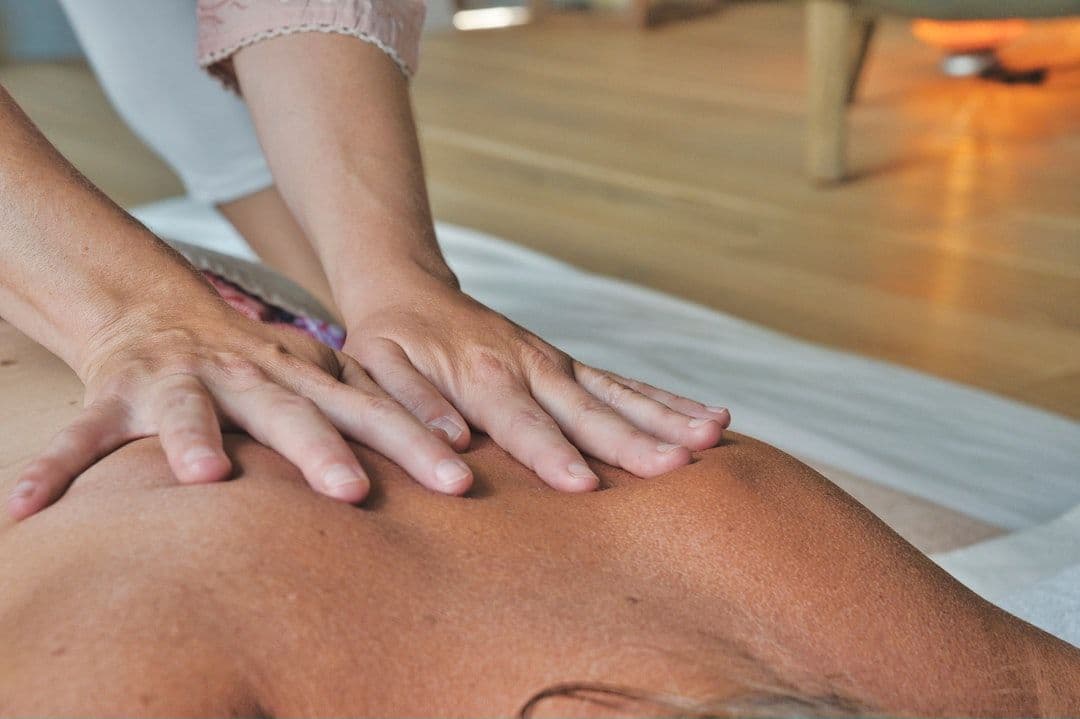
Once you're comfortably positioned on the massage table, your therapist will begin with lighter pressure to warm your tissues before progressing to deeper work. The room will be dimly lit and heated to a comfortable temperature, often with soft background music.
Unlike a standard relaxation massage, specialty massage involves varied techniques applied to different areas based on your needs. You might experience sustained pressure on trigger points, rhythmic kneading of tight muscles, or gentle stretching movements. The pressure will be adjusted constantly—your therapist will check in regularly, especially during deeper work.
Sessions typically last 60-90 minutes, with the majority focused on your primary concern areas. You may feel some discomfort during deep tissue work, but this should never be unbearable. Communicate openly about pressure levels—"therapeutic discomfort" is different from sharp or shooting pain, which should be reported immediately.
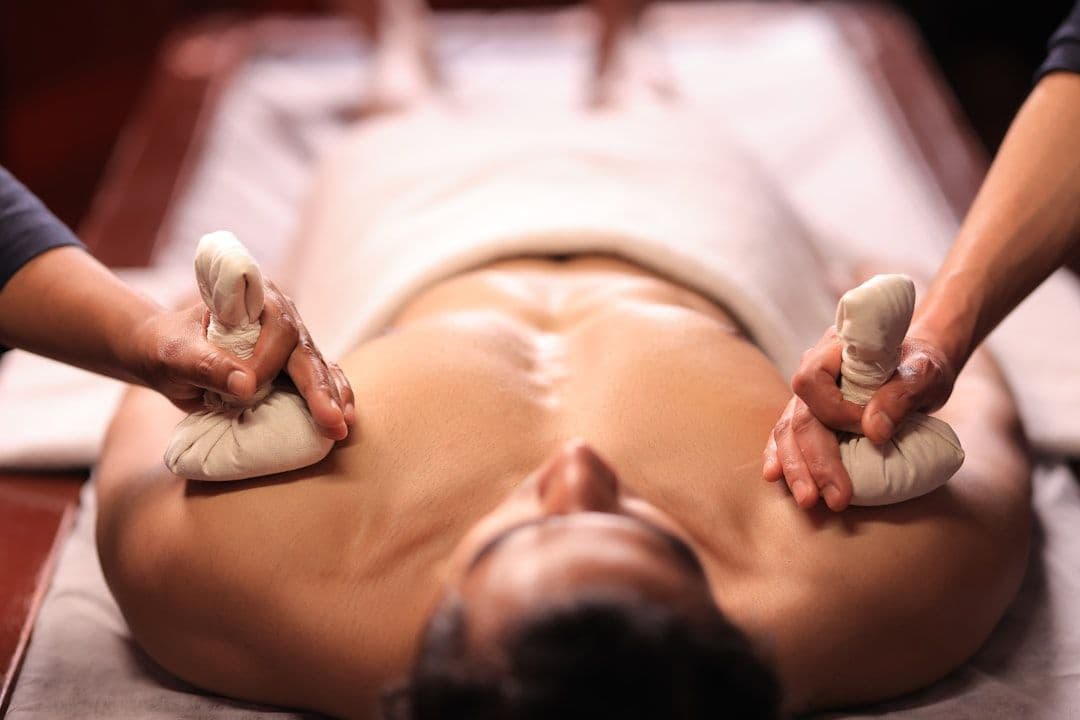
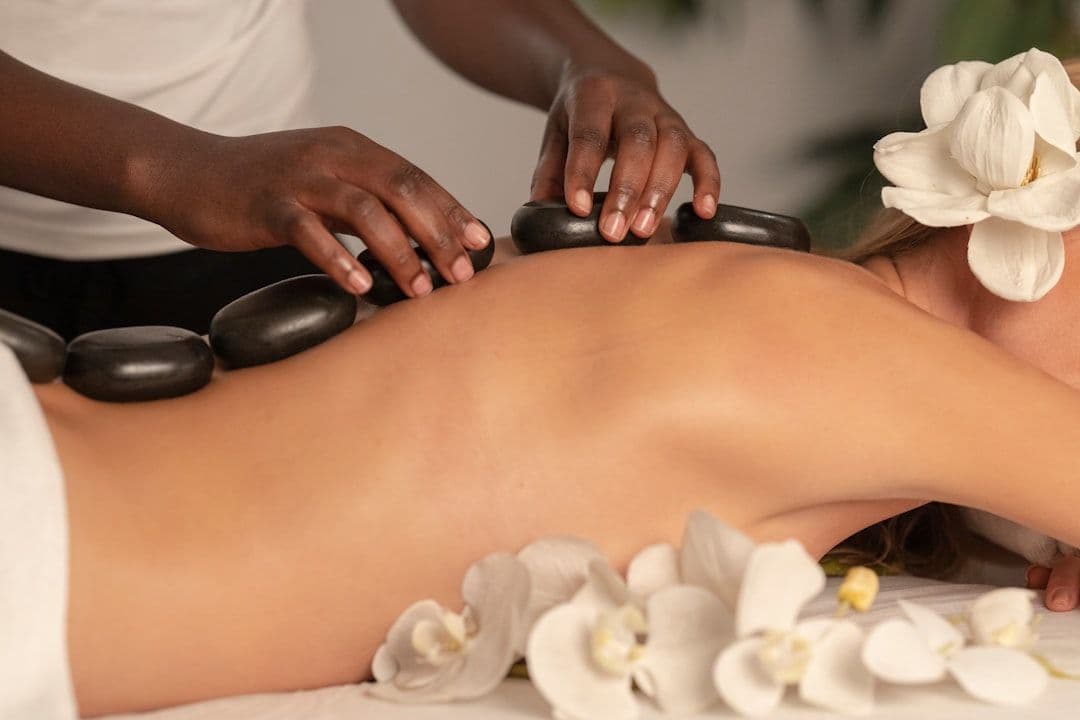
Your therapist may incorporate tools like massage balls or cups, or use techniques like joint mobilisation if appropriate for your condition. The treatment is genuinely collaborative—expect to provide feedback throughout about what feels helpful.
What You Might Experience
During treatment, you may feel immediate relief in some areas while others remain tender. Deep tissue work often creates a "good hurt" sensation—pressure that feels intense but ultimately relieving. Some people experience emotional releases during massage, feeling unexpectedly tearful or relaxed as tension dissolves.
Immediately after treatment, you might feel slightly lightheaded or deeply relaxed. Your muscles may feel looser but also somewhat vulnerable, as if they need time to readjust. This is completely normal and typically resolves within a few hours.
In the 24-48 hours following your session, you may experience what therapists call "therapeutic soreness"—similar to the feeling after moderate exercise. This indicates your muscles are responding to the work and usually subsides quickly. Some people notice improved sleep, reduced stiffness, or better range of motion during this period.
Not everyone experiences dramatic immediate changes. Benefits often emerge gradually, particularly for chronic conditions that have developed over months or years.
Aftercare and Recovery
Drink plenty of water following your treatment to help flush out metabolic waste products released from your muscles. Avoid intense physical activity for the rest of the day—gentle walking is fine, but skip the gym session or heavy lifting.
Apply heat or cold as recommended by your therapist. Heat can help maintain the relaxed state of your muscles, while ice may be suggested if you experience significant soreness. Epsom salt baths are often recommended to reduce any post-treatment muscle aches.
Pay attention to how your body feels over the next few days. Note any changes in pain levels, movement patterns, or sleep quality—this feedback will help your therapist refine their approach in future sessions. If you experience unusual pain or any concerning symptoms, contact your therapist or GP promptly.
Building a Treatment Programme
Single sessions can provide temporary relief, but addressing chronic issues typically requires a series of treatments. Most practitioners recommend 3-6 sessions spaced 1-2 weeks apart initially, then moving to monthly maintenance sessions once improvements stabilise.
Your therapist will reassess your progress after each session, noting which techniques proved most effective and adjusting their approach accordingly. They may recommend specific exercises or stretches to maintain the benefits between sessions.
For acute issues like recent injuries, you might see improvements within 2-3 sessions. Chronic conditions—particularly those related to postural problems or long-standing tension patterns—often require more patience and consistent treatment to achieve lasting change.
Be prepared for the treatment plan to evolve as your body responds. What works in the first session may need modification as underlying issues are addressed and your muscle patterns begin to change.