What it is
Targeted massage tailored to your specific concern, like back pain, tension, or injury recovery.
Specialty Massage is a customized form of massage therapy designed to target specific physical concerns, injuries, or wellness goals thro...
At a glance
What it is
Targeted massage tailored to your specific concern, like back pain, tension, or injury recovery.
Why explore it
It may ease chronic muscle tension, postural strain, or support recovery around athletic performance.
How it’s experienced
Expect a brief intake, then focused hands-on work with pressure adjusted to keep you feeling addressed.
Evidence context
Good evidence supports massage for back and neck pain relief; broader benefit claims have thinner research.
See the evidence snapshotSafety
Generally low risk, but skip it during active infection or recent surgery and always share your medical history.
See staying safeHistory & Origin
Specialty Massage involves customized massage techniques tailored to address specific physical or therapeutic needs.
Massage therapy has been documented across nearly all human cultures, with evidence of therapeutic touch practices dating back thousands of years in traditional Chinese medicine, Ayurveda, and ancient Egyptian medicine. As modern massage therapy developed in Europe during the 16th and 17th centuries, practitioners began systematizing techniques and exploring their applications to different body systems and conditions. The concept of "specialty" massage evolved throughout the 20th century as physiologists, athletes, and healthcare practitioners recognized that different techniques and approaches could address distinct physical needs—from sports injuries to chronic pain to post-surgical recovery. This led to the development of specialized forms such as deep tissue, trigger point, myofascial release, and sport-specific massage, each refined to target particular tissues, conditions, or therapeutic goals. Today, specialty massage represents the practical application of massage principles customized to individual client needs rather than a one-size-fits-all approach.
Mechanism
Specialty Massage is generally described as working through skilled touch, careful pacing, and the body's response to pressure, movement, warmth, or stillness. Practitioners may focus on muscle tone, joint comfort, circulation, breath, or relaxation depending on the method. Traditional explanations may also include energy flow or whole-person balance. Research support varies by modality, so the experience is best framed as supportive care with outcomes that vary. Specialty Massage is best understood through the way practitioners describe its session process, goals, and context.
Your first visit
A typical session outline to help you feel prepared
A specialty massage session blends targeted techniques like deep tissue work or myofascial release, tailored specifically to your body's needs and goals.
Your practitioner starts by reviewing your health history, current concerns, and goals so they can choose the right techniques and pressure for your unique needs.
Based on your conversation, your practitioner explains which specialty approaches they plan to use, such as trigger point therapy or myofascial release, so you know what to expect.
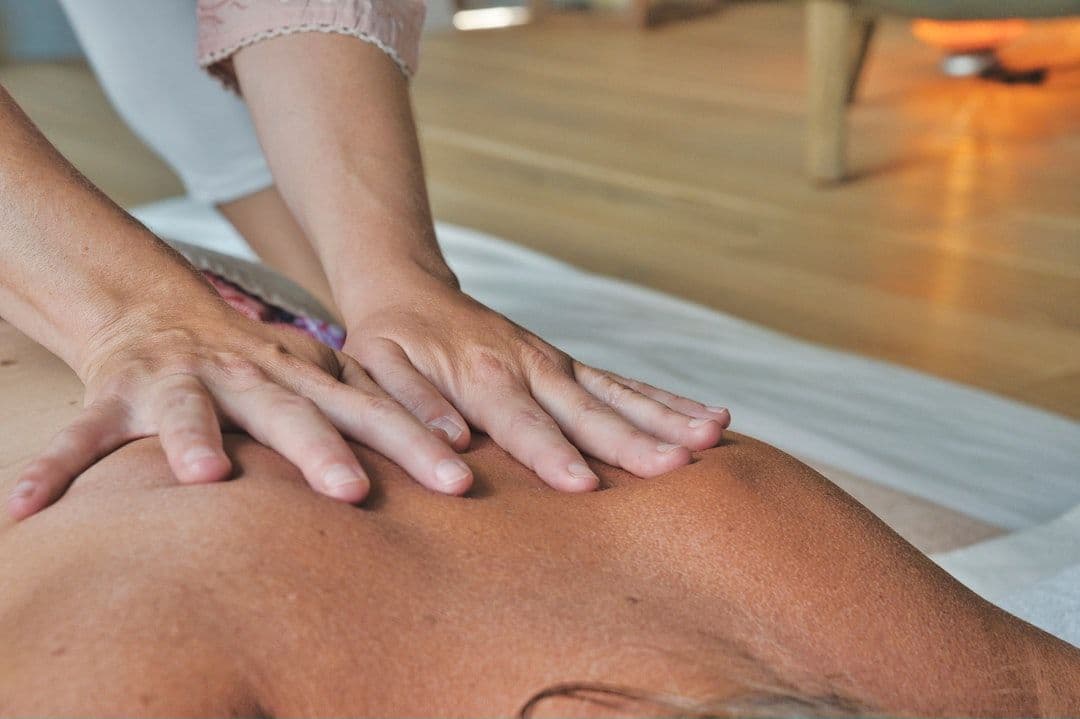
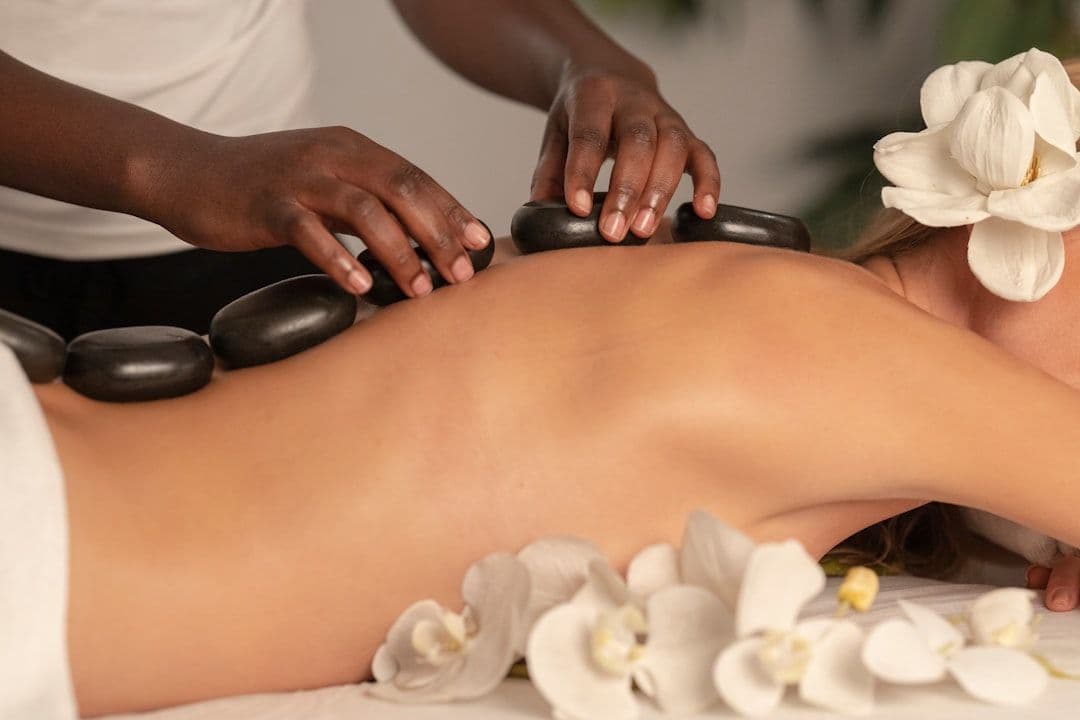
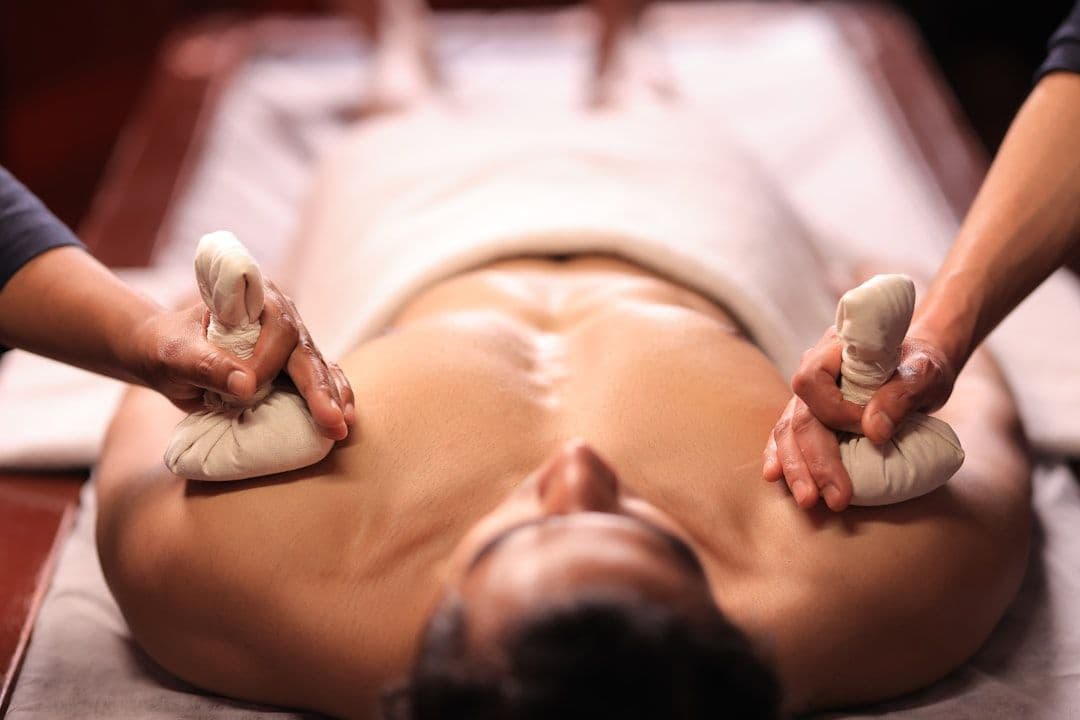
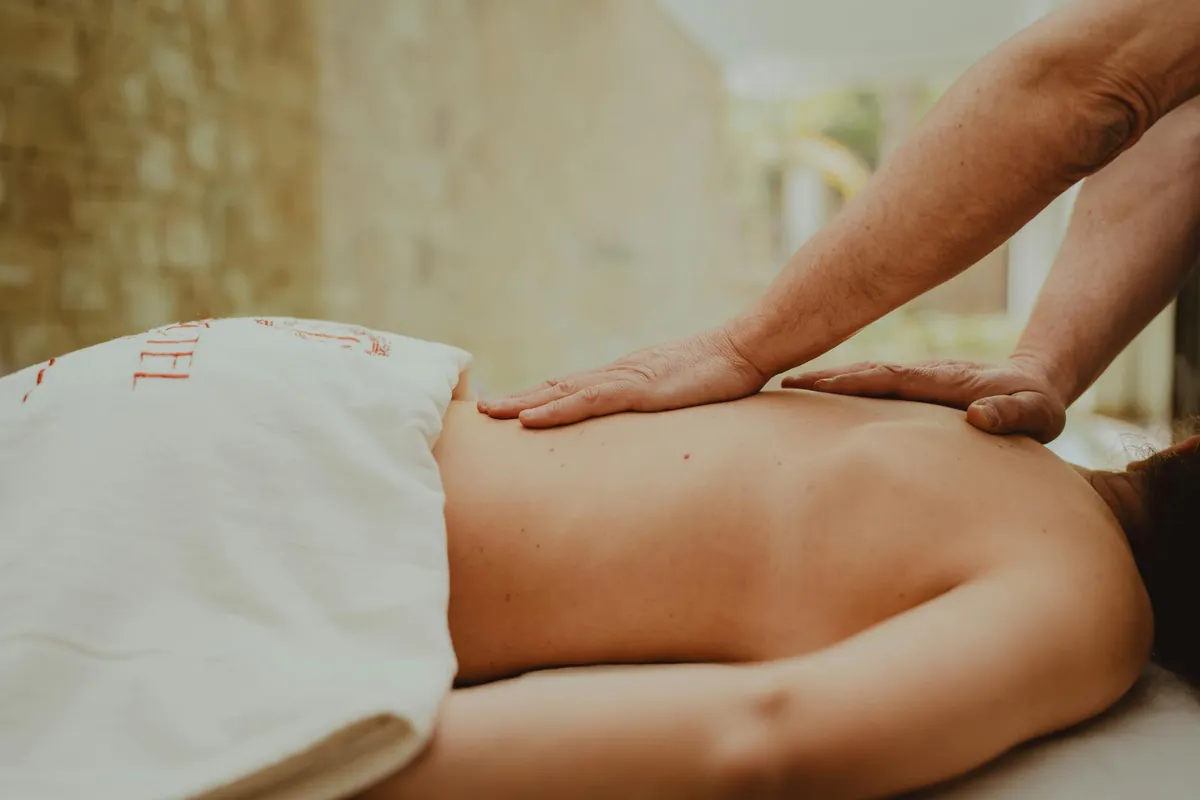
You'll undress to your comfort level, lie on a padded massage table, and be draped with a sheet or towel — only the area being worked on is ever uncovered.
Your practitioner gently palpates muscles and connective tissue to locate areas of tension, restriction, or tenderness before diving into deeper work.
Using firm, deliberate pressure and specialized techniques, your practitioner works through targeted areas — you may feel deep pressure, stretching, or a releasing sensation as tissue responds.
Your practitioner checks in regularly about pressure and comfort, fine-tuning their approach throughout the session based on your real-time responses.
The session winds down with lighter, soothing strokes to help your nervous system settle and give your body a moment to integrate the deeper work.
Your practitioner shares hydration tips, stretches, or self-care suggestions and lets you know that mild soreness in worked areas is normal and typically fades within a day or two.
The Evidence
What research and clinical practice say about specialty massage and its role in supporting physical health.
Reasonable support for pain and musculoskeletal conditions
Specialty massage has a moderate body of research behind it, particularly for chronic back pain, neck pain, and musculoskeletal issues. Effect sizes are often modest and study quality varies, but it is increasingly recognised as a reasonable complementary approach in mainstream healthcare.
Multiple systematic reviews and meta-analyses have found that therapeutic massage can reduce pain and improve physical function, especially for chronic lower back and neck pain. Evidence for specialised techniques like trigger point therapy and myofascial release is more limited, with fewer high-quality trials. Overall, the evidence is encouraging but not conclusive.
Massage research faces structural challenges: participants and practitioners cannot be blinded, techniques vary between practitioners, and it is difficult to separate the effects of manual work from factors like attention and expectation. These limitations do not invalidate the evidence, but they mean findings should be interpreted with appropriate caution.
Healthcare systems in several countries now include massage therapy within pain management and rehabilitation programmes. It is generally positioned as a complementary approach alongside medical care, not a standalone intervention. Practitioners in clinical settings often coordinate with physiotherapists, physicians, or other providers to align massage with broader care goals.
People with recent surgery, acute injuries, blood clotting conditions, active infection, or undiagnosed lumps should consult a doctor before receiving massage. Practitioners should always be informed of relevant health history so they can adapt safely. Serious adverse events are rare when massage is performed by a trained practitioner with appropriate intake screening.
Specialty massage encompasses a wide range of techniques, and practitioner training varies significantly by country and modality. Look for practitioners with recognised qualifications in the specific technique relevant to your needs. A thorough intake assessment, clear communication about pressure and comfort, and willingness to adapt the session are markers of professional practice.
Massage is not a substitute for professional assessment of underlying conditions. It is most effective when used alongside appropriate medical or allied health care, particularly for chronic pain or injury recovery. If symptoms are new, worsening, or unexplained, professional assessment should come first before pursuing massage as a support strategy.
Safety first
General guidance to help you decide whether this approach is appropriate for you. This is informational only and not a substitute for medical, psychological, or professional advice.
If you are experiencing severe distress, suicidal thoughts, psychosis, acute trauma, or another serious mental health concern, seek qualified support first.
This approach is not suitable for diagnosis, treatment instructions, or decisions that require medical, legal, financial, or professional advice.
Look for clear boundaries, transparent pricing, and practitioners who avoid fear-based claims or pressure to book frequent sessions.
Treat any insight as one reflective perspective, not absolute truth. Important decisions should be considered with appropriate professional support.
For you?
A simple, human way to weigh it up. This is general guidance, not personal medical advice — a qualified practitioner can advise on your situation.
Gyfts is a discovery platform, not a medical provider. Nothing here diagnoses, treats or replaces professional care. In an emergency, contact your local emergency number.
Explore approaches
Other practices people often explore alongside specialty massage.
In their words
FAQ
Regular or Swedish massage typically follows a standard full-body relaxation approach. Specialty Massage is customized to address specific concerns—the practitioner selects techniques and focuses on areas based on your individual needs, whether that's trigger points, injury recovery, postural issues, or athletic performance.
This varies widely depending on your condition and goals. Acute issues may improve with 1-3 sessions, while chronic tension or injury recovery may benefit from 4-12 sessions or more. Your practitioner will discuss realistic expectations during your initial consultation and adjust recommendations as you progress.
Specialty Massage should not be painful, though deeper techniques may create mild discomfort during the session—practitioners say 'good pain' or therapeutic pressure rather than sharp pain. Always communicate with your practitioner about pressure levels. Some clients experience mild soreness for 24-48 hours afterward, similar to exercise soreness, which typically resolves quickly.
No. Specialty Massage is a complementary approach best used alongside, not instead of, medical care for diagnosed conditions. If you have significant pain, injury, or illness, consult a healthcare provider first to rule out serious conditions that require different treatment.
Stay hydrated, avoid strenuous activity for the remainder of the day, and allow your body time to rest. Your practitioner may recommend specific self-care strategies such as stretching, ice or heat application, or postural adjustments. Some soreness or relaxation is normal; contact your practitioner if you experience unusual reactions.
Specialty Massage practitioners typically complete formal training in massage therapy (usually 300-1000+ hours depending on location) and often pursue additional specialized certification in specific techniques such as sports massage, trigger point therapy, or myofascial release. Licensing requirements vary by region.
References
Educational sources that inform this overview. Inclusion is for context and does not imply endorsement.
Full citations are maintained by the Gyfts editorial team and reviewed periodically.
Keep exploring
Browse practitioners, explore honest overviews, and take what you learn to a conversation — at your own pace.