What It Is
Persistent cervical spine discomfort lasting over 3 months, often tied to posture or muscle tension
Understanding what your neck is telling you
At a glance
What It Is
Persistent cervical spine discomfort lasting over 3 months, often tied to posture or muscle tension
How It Presents
Aching, stiffness, headaches, and reduced head movement that fluctuates with stress and posture
What May Help
Physiotherapy, osteopathy, acupuncture, and mind-body practices show strong supporting evidence
Evidence Context
Research strongly supports structured movement and manual therapy for managing chronic neck pain
See the evidence snapshotWhen to Seek Help
Seek care for trauma-related pain, arm weakness, neurological symptoms, or no improvement after six weeks
Explanation
Chronic neck pain is defined as neck pain persisting beyond 12 weeks and is one of the most common musculoskeletal complaints, second only to lower back pain in prevalence. It frequently arises from degenerative disc disease, facet joint dysfunction, or muscle and ligament strain. Poor posture, particularly prolonged forward head position associated with screen use, is a major contributing factor in modern populations. Chronic neck pain is closely associated with headaches, shoulder pain, and upper limb symptoms, and has significant psychosocial dimensions.
Could this be you
Chronic neck pain shows up differently for everyone. Browse by how it tends to be felt — these are common experiences, not a checklist or a diagnosis.
Common experiences people describe — not a diagnostic checklist.
Why it happens
Chronic neck pain usually comes from a mix of factors rather than a single cause. These are common contributors — not certainties.
Age-related disc and joint changes in the cervical spine may increase vulnerability to persistent neck pain.
Psychological stress often drives muscle tension in the neck and shoulders, which can sustain or worsen discomfort.
Forward head posture, prolonged screen use, and a history of whiplash are commonly linked to ongoing cervical pain.
Unsupportive pillow height or awkward sleep positions may place repeated strain on cervical muscles overnight.
What happens in the body
Chronic neck pain can involve several of the body’s systems. These are common patterns researchers describe — how they show up varies from person to person.
Facet joints and intervertebral discs may undergo degenerative changes that reduce cushioning and alter load distribution, contributing to persistent local pain signals.
Prolonged pain input from cervical structures may sensitize spinal and brain pain-processing pathways, lowering the threshold at which stimuli are perceived as painful.
Sustained forward head posture increases mechanical load on neck muscles, which may develop chronic tension, trigger points, and altered activation patterns over time.
Psychological stress and pain-related fear may amplify perceived pain intensity and reinforce guarding behaviors that further restrict movement and perpetuate the pain cycle.
Process
Management
Guided strengthening and mobility work may support long-term relief; many people find consistent neck and shoulder exercises reduce recurrence over time.
Some research suggests acupuncture may support pain reduction and improved range of motion in chronic neck pain; many practitioners offer it alongside other care.
Swedish, sports, and specialty massage may help ease muscle tension and stiffness in the neck and upper shoulders; some people find regular sessions support day-to-day comfort.
Traditionally used for musculoskeletal tension, gua sha and approaches like shiatsu may support circulation and ease in the cervical region; some practitioners suggest these alongside conventional care.
A doctor may discuss NSAIDs or muscle relaxants for short-term management; these are typically considered alongside physiotherapy rather than as a standalone long-term approach.
Self-Care
Gentle resistance exercises targeting the deep neck flexors and upper back may support long-term stability and reduce recurring tension over time.
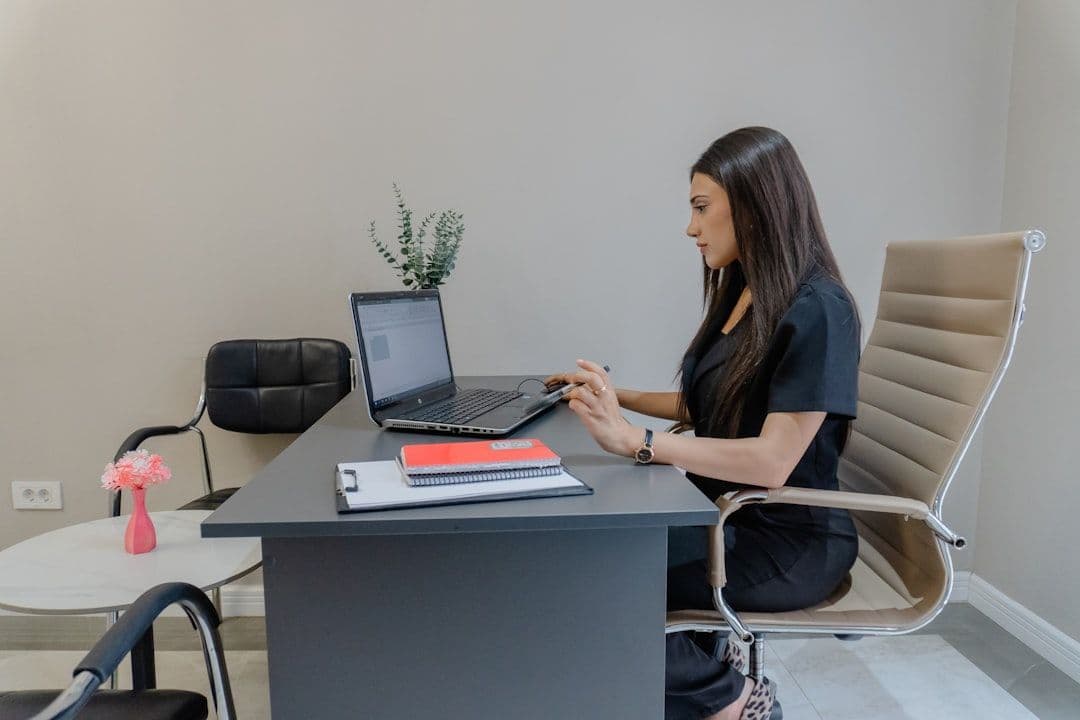
Positioning your monitor at eye level and keeping ears aligned over shoulders may reduce forward head strain during desk work.
Briefly stepping away from seated work every 30 to 45 minutes to move and stretch the neck and shoulders may help prevent stiffness from building.
Some people find that consistent breathwork, meditation, or gentle yoga helps ease the muscle tension in the neck linked to psychological stress.
A supportive pillow that keeps the cervical spine neutral may reduce overnight stiffness; some people find side or back sleeping more comfortable.
The Evidence
What research says about chronic neck pain and the approaches most commonly used to support it.
Well-researched condition with multiple supported approaches
Chronic neck pain is one of the most studied musculoskeletal conditions. Exercise, manual therapy, and multimodal physiotherapy have the strongest support, with acupuncture and mind-body approaches showing meaningful additional benefit.
Multimodal physiotherapy, manual therapy, and structured exercise have the strongest evidence base. Acupuncture shows moderate evidence for pain reduction. Yoga, Pilates, and mindfulness-based approaches have supporting evidence, particularly for function and the psychological dimensions of persistent pain.
Degenerative changes in discs and facet joints, sustained forward head posture, and prolonged pain signalling can all contribute. Over time, central sensitisation may lower pain thresholds, and guarding behaviours can reinforce stiffness. This is why effective management typically addresses movement, load, and psychosocial factors together.
Acupuncture has moderate evidence for short-term pain relief. Massage may reduce muscle tension and improve comfort. Mindfulness and cognitive behavioural approaches have evidence for addressing pain-related distress and fear-avoidance patterns. These are best considered as part of a broader care plan rather than standalone solutions.
Seek prompt assessment if neck pain follows trauma, or is accompanied by arm weakness, numbness, balance or coordination changes, fever, unexplained weight loss, or progressive neurological symptoms. These may indicate involvement of the spinal cord or other structures requiring urgent professional review.
Spinal manipulation should only be performed after ruling out instability, fracture, or vascular risk factors. High-impact activity during acute flares may worsen symptoms. Prolonged static postures are a common aggravating factor. Always inform your practitioner of your full history before beginning any hands-on or exercise-based approach.
Physiotherapists, osteopaths, and chiropractors are commonly involved in managing chronic neck pain. Acupuncturists and massage therapists may complement physical rehabilitation. For significant psychological components, a psychologist or pain specialist may be relevant. Gyfts does not replace professional assessment — it supports informed discovery.
Safety first
Chronic neck pain is manageable, and support helps. Some situations call for prompt professional help.
Explore approaches
Practices people explore for chronic neck pain — alongside professional care.
FAQ
Rest alone may not address the underlying muscle imbalances or postural habits driving chronic neck pain. Some people find that gentle movement, stretching, and addressing tension patterns provides more lasting relief than prolonged rest.
Evidence for both acupuncture and manual therapy in chronic neck pain is strong relative to many conditions. Some people find meaningful improvement in pain and range of motion, particularly when combined with exercise and postural awareness.
Stress commonly drives muscle guarding and tension in the neck and upper shoulders. Mind-body approaches such as mindfulness and breathing practices may support reduced tension and pain perception over time.
Seek prompt evaluation if pain followed an injury, if you notice arm weakness, numbness, or coordination changes, or if pain is accompanied by fever or unexplained weight loss. Pain not improving after six weeks of self-care also warrants professional assessment.
Many people with chronic neck pain find their symptoms are sensitive to sleep position and pillow support. Some practitioners suggest side or back sleeping with appropriate cervical support may help reduce morning stiffness.
Keep exploring
Browse practitioners, explore honest overviews, and take what you learn to a conversation — at your own pace.