Before the Class
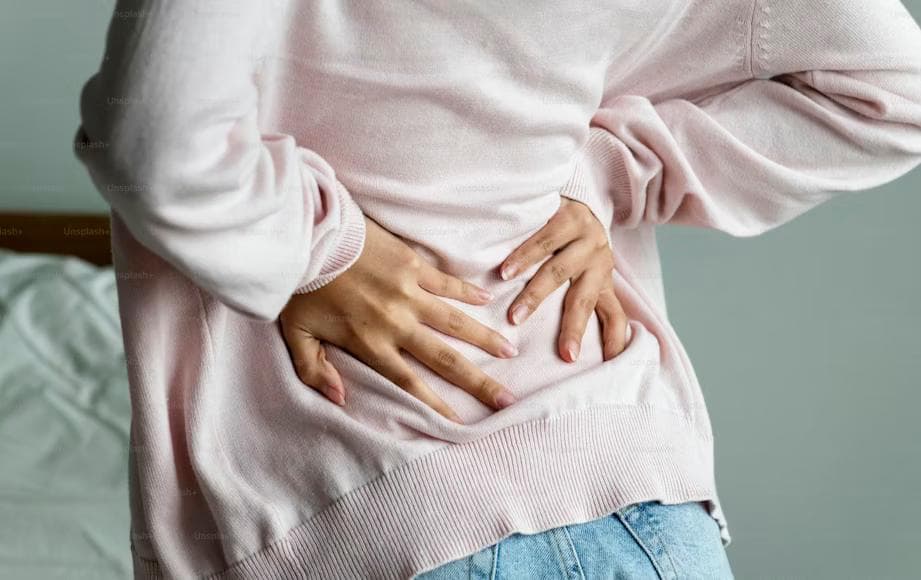
Arrive a few minutes early, particularly for your first session. Let the instructor know it is your first flow yoga class and mention any injuries, physical limitations or health conditions. Most studios will have mats available if you do not own one. Remove your shoes before entering the practice space — bare feet are standard. You do not need any prior yoga experience to begin.
The Opening: Arriving on the Mat
Most flow classes begin in a seated or lying position while students settle. The instructor will guide your attention to your breath — inviting you to notice its natural rhythm before any deliberate direction. This transition period serves a purpose: it begins the shift from everyday reactive mode to the present-moment awareness that characterises a good flow practice. Some classes open with a brief intention-setting or a simple breathwork exercise.
The Warm-Up
The early portion of class is typically gentle — slow movements to warm the joints, mobilize the spine and establish the breath-movement connection. Cat-cow, gentle twists and early sun salutations build warmth gradually. The instructor will begin cueing breath: 'inhale as you reach up, exhale as you fold forward.' Learning to follow these cues is the foundational skill of flow yoga — everything else builds from it.
The Flow Sequence
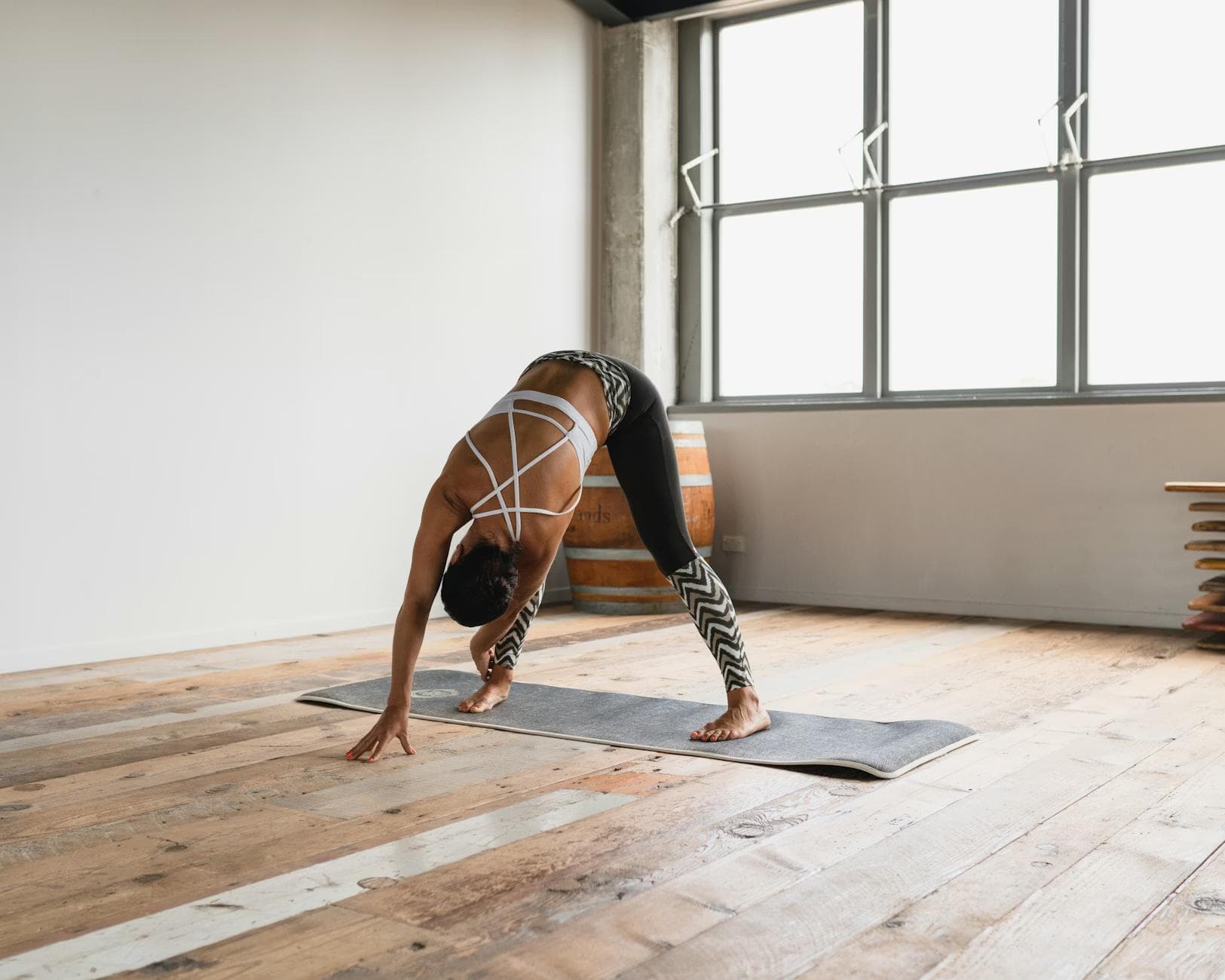
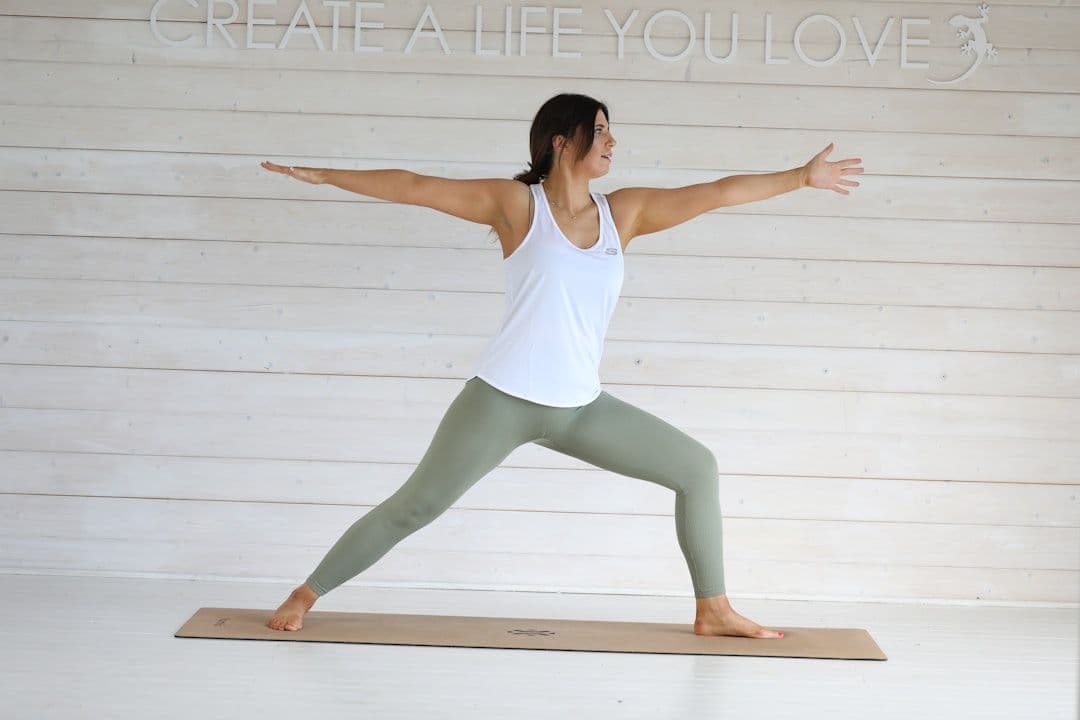
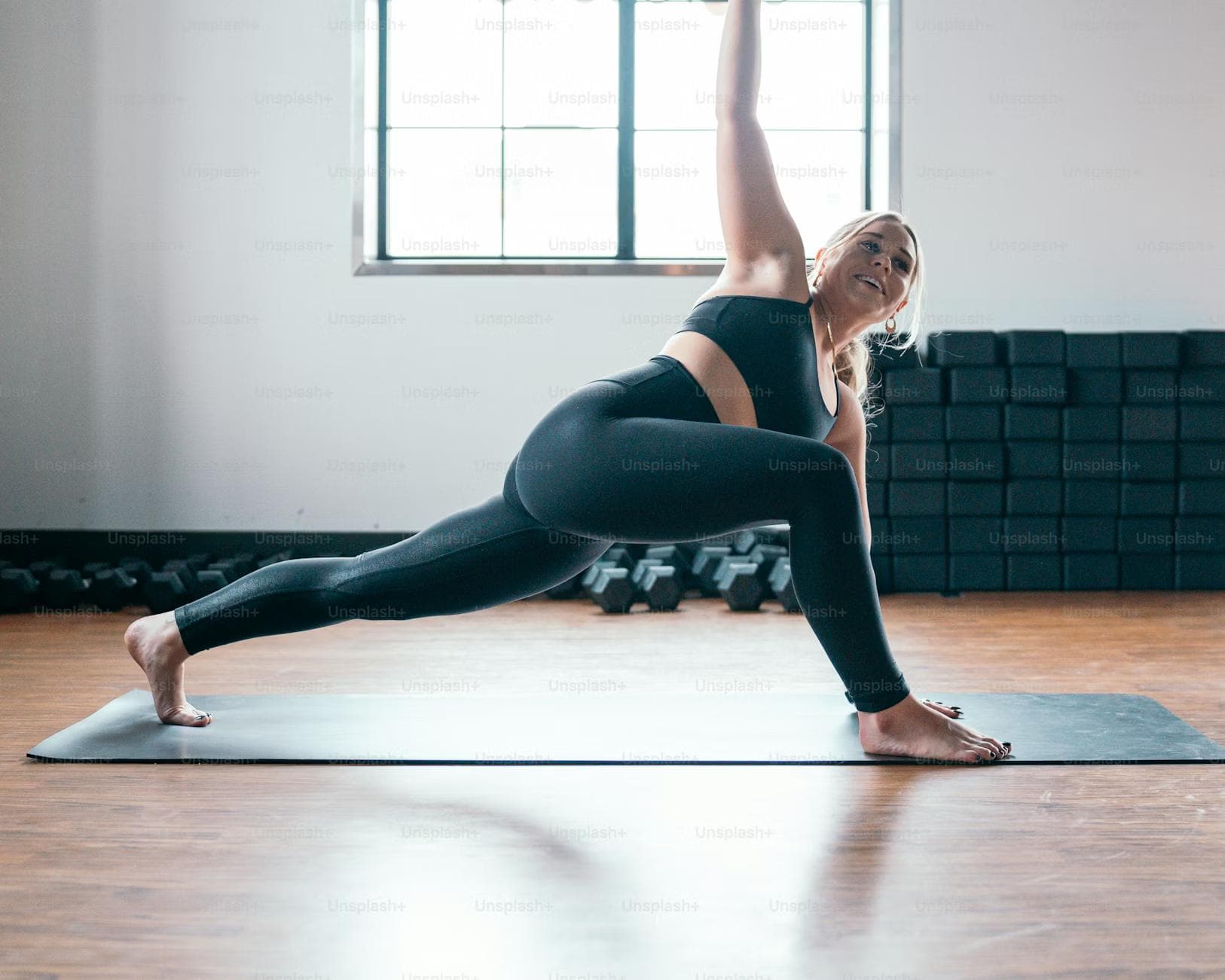
As the class progresses, sequences become more dynamic. Sun salutations link standing poses into continuous breath-led flows. You move through warrior sequences, balance poses and transitions that require focus and coordination. The pace varies by class and instructor — a slow flow is deliberate and spacious; a faster vinyasa is more physically demanding. In a well-taught class, both maintain the breath-movement connection as the central organizing principle.
Modifications and Props
No pose is mandatory. Blocks, straps and bolsters are available in most studios and are tools for intelligent practice, not signs of inability. A good instructor offers modifications throughout — a bent knee instead of straight, a lower variation of a pose, or simply resting in child's pose when needed. Listening to your body takes precedence over matching what others in the class are doing.
Cool-Down and Savasana
The final portion of class slows significantly. Forward folds, twists and hip openers allow the body to release the heat and effort accumulated during the flow. The class ends with Savasana — lying still on your back for 3–5 minutes while the nervous system integrates the practice. This is often described as the most important pose in yoga. Leaving before Savasana is like stopping a meal before the final course — the integration it provides is part of the therapeutic value.
After the Class
Most people notice increased physical ease, warmth in the muscles and a quieter mental state in the hours after a flow class. Some feel tired initially, particularly after a more dynamic session — this typically gives way to calm energy. Staying hydrated supports recovery. Many practitioners find that the most noticeable effects are not during the class itself but in how they respond to stressors later in the day.