What It Is
A chronic inflammatory skin condition causing recurring patches of dry, red, intensely itchy skin
Understanding your skin so you can feel at home in it
At a glance
What It Is
A chronic inflammatory skin condition causing recurring patches of dry, red, intensely itchy skin
How It Presents
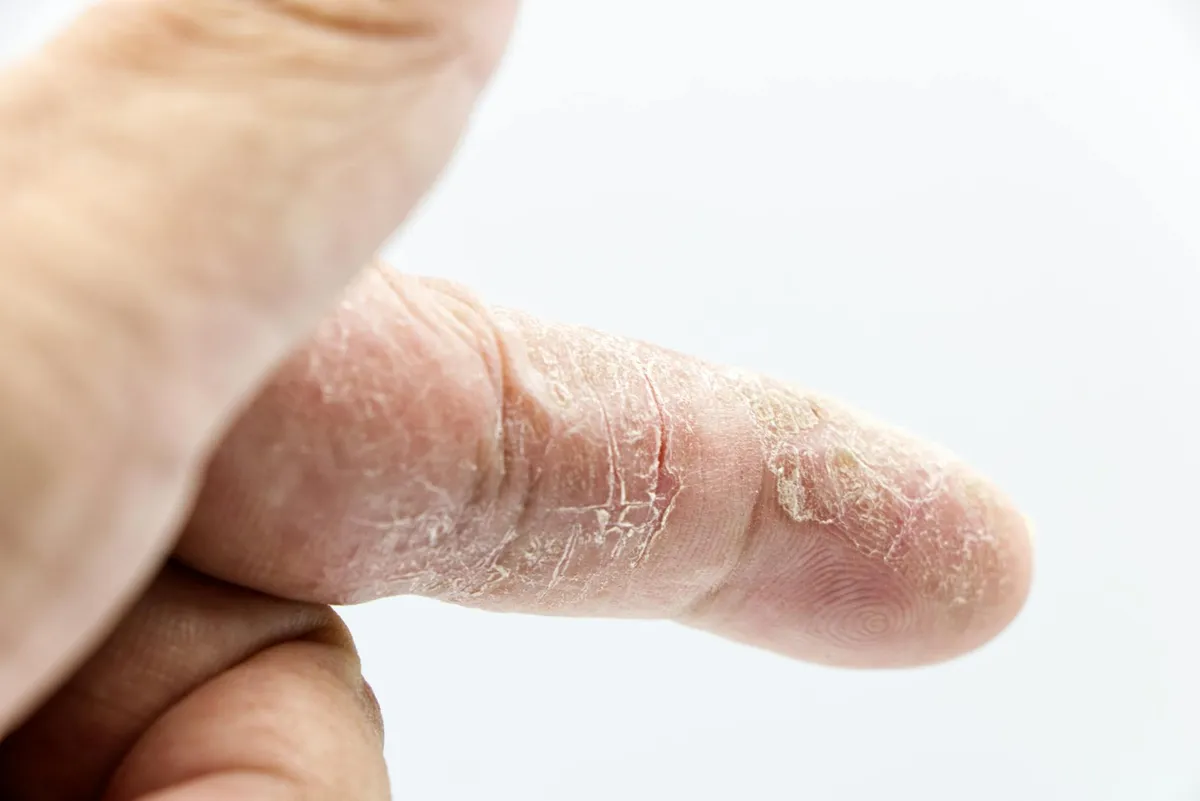
Intense itching, dry cracked skin, and inflamed patches often found in skin folds and on the face
What May Help
Gentle skincare, dietary awareness, stress support, and organic or low-irritant products are commonly explored
Evidence Context
Research on holistic approaches is growing; evidence is moderate and best paired with medical guidance
See the evidence snapshotWhen to Seek Help
Consult a doctor if flares worsen, affect sleep or daily life, or show any signs of skin infection
Explanation
Atopic dermatitis (eczema) is a chronic inflammatory skin condition causing red, itchy, and dry skin, influenced by immune function, gut health, environmental triggers, and stress. Holistic approaches address the immune-gut-skin axis through dietary changes, stress management, and topical naturals alongside conventional dermatological care.
Could this be you
Atopic dermatitis shows up differently for everyone. Browse by how it tends to be felt — these are common experiences, not a checklist or a diagnosis.
Common experiences people describe — not a diagnostic checklist.
Why it happens
Atopic dermatitis usually comes from a mix of factors rather than a single cause. These are common contributors — not certainties.
Genetic variants affecting skin barrier proteins like filaggrin may increase susceptibility to atopic dermatitis.
Psychological stress may trigger or worsen flares by influencing immune and inflammatory responses in the skin.
Gut microbiome imbalances and a history of allergies or asthma are commonly seen alongside atopic dermatitis.
Poor sleep may elevate stress hormones, potentially worsening skin inflammation and reducing the skin's ability to recover.
What happens in the body
Atopic dermatitis can involve several of the body’s systems. These are common patterns researchers describe — how they show up varies from person to person.
Mutations in filaggrin and related proteins may weaken the skin barrier, allowing allergens and irritants to penetrate and trigger an exaggerated Th2-driven immune response.
Sensitized cutaneous nerve fibers may release neuropeptides that amplify itch signals, creating a scratch-itch cycle that can further damage the skin barrier over time.
Elevated cortisol from chronic stress may suppress regulatory immune activity and alter skin lipid production, potentially worsening barrier function and inflammatory flares.
Reduced microbial diversity in the gut may influence systemic immune regulation in ways that some research associates with heightened allergic and inflammatory skin responses.
Process
Management
A doctor may discuss prescription topical corticosteroids as a standard option for managing flares; potency and duration are typically guided by a dermatologist based on affected area and severity.
Consistent application of fragrance-free moisturizers may support skin barrier function and help reduce dryness and sensitivity between flares; some people find ceramide-based formulas particularly helpful.
For moderate to severe cases, a dermatologist may discuss newer biologic medications or topical calcineurin inhibitors as alternatives when conventional approaches have been insufficient.
Some practitioners suggest an organic whole-food, anti-inflammatory diet may support immune balance; reducing processed foods and potential trigger foods such as dairy or gluten is something some people explore with guidance.
Stress is recognized as a common contributor to flares; some people find that approaches such as mindfulness, psychosomatic medicine techniques, or breathwork may support overall skin and immune resilience over time.
Self-Care
Harsh soaps may disrupt the skin barrier. Some people find that switching to fragrance-free, pH-balanced cleansers helps reduce irritation and dryness between flares.
Applying a thick, fragrance-free cream or ointment within minutes of bathing may support skin barrier function and help lock in moisture before it evaporates.
Common triggers include certain fabrics, pet dander, and cleaning products. Keeping a simple log of flares may help you spot patterns and avoid what worsens your skin.
Some practitioners suggest that a diet rich in fiber, fermented foods, and vegetables may support a balanced gut microbiome, which some research links to immune and skin health.
Stress is a well-recognized contributor to flares. Practices like deep breathing, gentle movement, or mindfulness may help regulate the stress response over time.
The Evidence
What research and clinical practice currently say about atopic dermatitis and the approaches used to support it.
Well-studied condition with growing support for holistic care
Atopic dermatitis is one of the most researched inflammatory skin conditions, with strong evidence for conventional dermatological care and moderate evidence for lifestyle, dietary, and complementary strategies as supportive tools alongside it.
Topical and systemic dermatological treatments have strong clinical backing. Dietary approaches, stress reduction, and gut-focused strategies have moderate and growing evidence for supporting skin health. Complementary modalities such as acupuncture, herbal medicine, and mindfulness show promising results in some studies, though larger trials are still needed.
Standard care centres on restoring the skin barrier, reducing immune-driven inflammation, and identifying personal triggers such as allergens, irritants, or stress. Emollients, topical anti-inflammatories, and in some cases systemic therapies form the backbone of conventional management. Complementary strategies are increasingly discussed alongside these approaches.
Research into the gut-skin axis suggests that microbial diversity and systemic immune regulation may influence inflammatory skin responses. Nutritional therapy, probiotic strategies, and stress management are used by holistic practitioners to support this relationship. Evidence is moderate and individual responses vary, but the framework is gaining scientific interest.
Seek medical care if you notice rapidly spreading redness or warmth, fever alongside a skin flare, open areas showing pus, severe swelling or pain, or any signs of systemic illness. These may indicate infection or a complication that needs professional assessment. Do not stop prescribed dermatological medications without guidance from your healthcare provider.
People with atopic dermatitis commonly explore nutritional therapy, acupuncture, mindfulness, herbal medicine, and naturopathy as supportive tools. These are best used alongside, not instead of, conventional dermatological care. A qualified practitioner can help identify which approaches are appropriate for your individual situation and health history.
While lifestyle and complementary strategies show real promise, many studies are small, short-term, or lack standardised methods. Results vary between individuals, and what helps one person may not help another. Gyfts presents this information for educational purposes only and is not a substitute for professional assessment or personalised care.
Safety first
Atopic dermatitis is manageable, and support helps. Some situations call for prompt professional help.
Explore approaches
Practices people explore for atopic dermatitis — alongside professional care.
FAQ
Common triggers include harsh soaps, synthetic fabrics, stress, certain foods, and environmental allergens like dust or pollen. Identifying personal triggers through journaling or an elimination approach may help reduce flare frequency. Triggers vary widely from person to person.
Some people find that reducing processed foods or identifying food sensitivities supports calmer skin over time. Organic and whole-food diets are commonly explored, though responses differ individually. A healthcare provider can help guide any significant dietary changes.
Some people find that fragrance-free, organic cosmetics and gentle facials reduce irritation compared to conventional products. Evidence is modest, but minimizing chemical exposure is widely considered a reasonable and low-risk step. Always patch-test new products first.
Stress is a well-recognized factor in flare cycles, and some practitioners suggest mind-body approaches like psychosomatic medicine or mindfulness may support symptom management. Addressing emotional wellbeing alongside skin care is increasingly part of holistic eczema support.
See a doctor if your skin is not responding to self-care, if flares are affecting your sleep or confidence, or if you notice signs of infection such as warmth, pus, or spreading redness. Do not stop prescribed treatments without medical supervision.
Keep exploring
Browse practitioners, explore honest overviews, and take what you learn to a conversation — at your own pace.