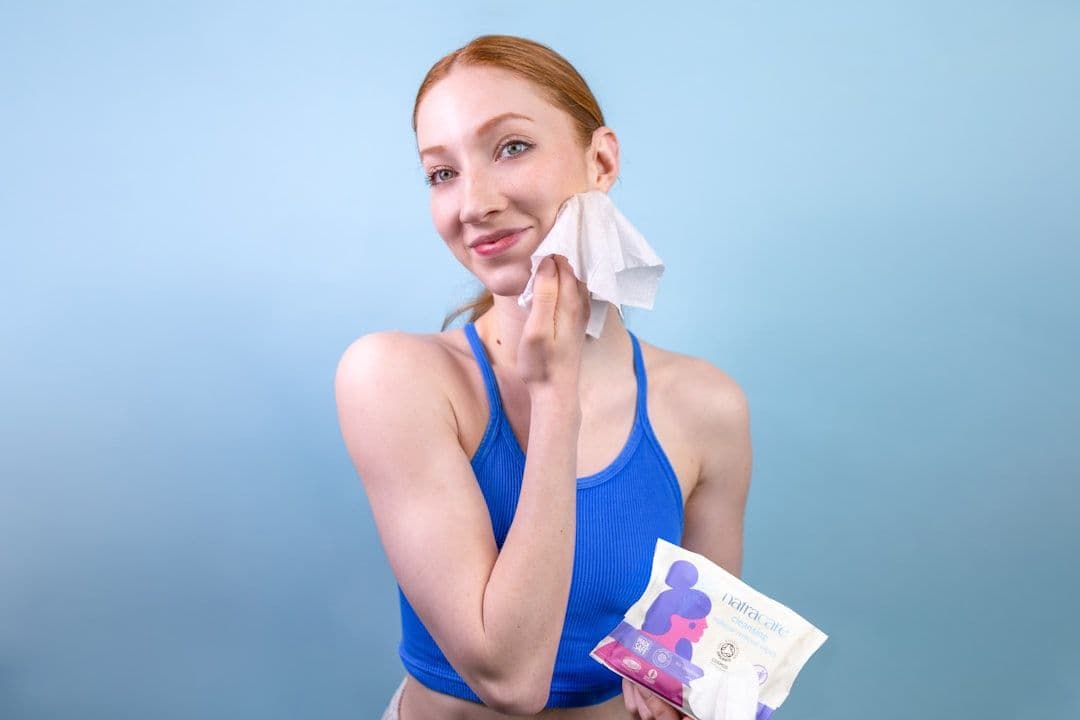
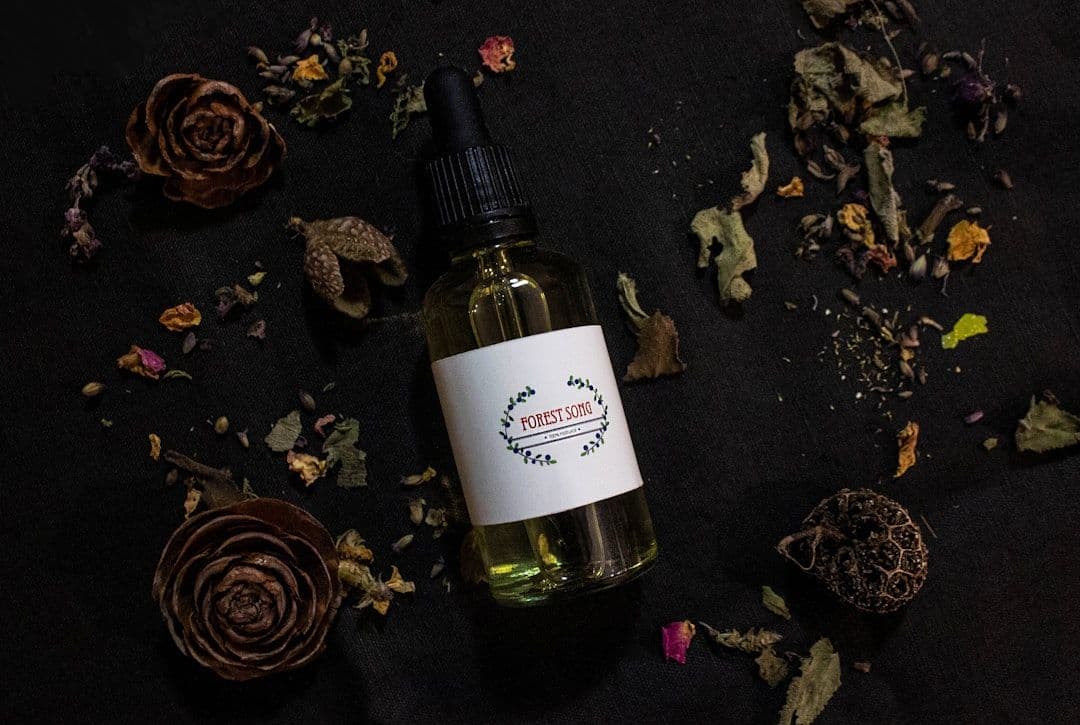
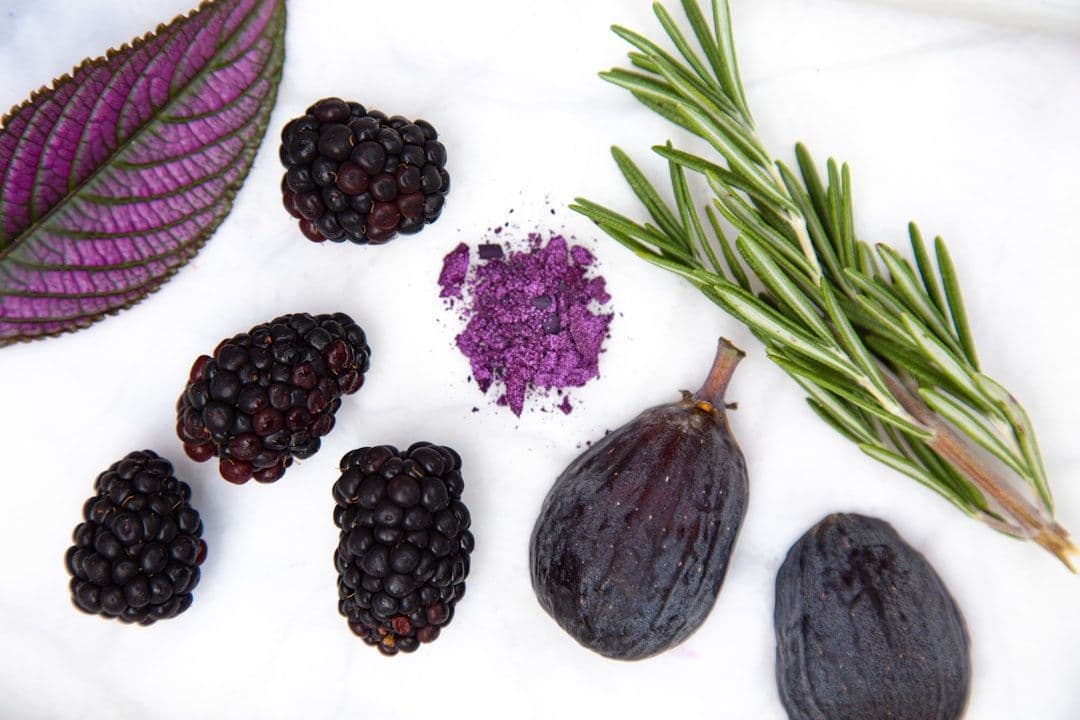
What it is
Beauty products made with certified natural botanicals, free from synthetic pesticides and parabens.
Organic Cosmetics involve the use of natural and organic skincare and beauty products formulated without synthetic chemicals, pesticides,...
At a glance
What it is
Beauty products made with certified natural botanicals, free from synthetic pesticides and parabens.
Why explore it
Gentler formulas with botanical actives may suit sensitive skin and help reduce exposure to synthetic irritants.
How it’s experienced
Used daily for cleansing, moisturizing, or treatment, with results varying by skin type and consistency.
Evidence context
Research is ingredient-specific and mixed, so product quality plays a big role in what results you see.
See the evidence snapshotSafety
Generally low risk, but patch test first since natural ingredients can still trigger allergic reactions.
See staying safeHistory & Origin
Organic Cosmetics involve the use of natural and organic skincare and beauty products for healthy and radiant skin.
The modern organic cosmetics movement emerged in the late 20th century as a response to growing consumer awareness about chemical exposure and environmental sustainability. Pioneering figures in the natural beauty industry, such as Estée Lauder's competitors and small artisanal skincare makers, began formulating products with plant-based ingredients and emphasizing transparency in ingredient sourcing. The movement gained momentum through the 1990s and 2000s as dermatological research highlighted potential irritants in conventional cosmetics and consumer demand for clean beauty products increased significantly.
Organically-certified skincare draws from centuries of traditional herbalism and botanical medicine practices found across multiple cultures—from Ayurvedic plant oils to European herbal skincare traditions. The establishment of organic certification standards by organizations like ECOCERT, USDA, and various European bodies provided consumers with verified criteria for what constitutes "organic" in the beauty industry. Today, organic cosmetics represent a significant market segment driven by health-conscious consumers, environmental concerns, and dermatological support for gentler formulations, particularly for sensitive or reactive skin conditions.
Mechanism
Organic Cosmetics is usually understood through movement, breath, attention, and repeated practice. A session may invite the body to explore safer patterns, steadier pacing, or a more settled relationship with sensation. Some traditions describe this as balancing energy or awareness, while contemporary explanations may focus on coordination, nervous system regulation, mobility, and confidence. Experiences vary by person, teacher, setting, and consistency. Organic cosmetics work by using plant-based ingredients—such as oils, botanical extracts, and minerals—that are grown without synthetic pesticides or fertilisers, then formulated to deliver active compounds directly to the skin.
Your first visit
A typical session outline to help you feel prepared
A gentle, guided skincare experience using plant-based products chosen just for your skin, from first cleanse to final moisturizer.
Your specialist greets you and asks about your current skincare routine, any sensitivities, and your goals. This helps them choose the right organic formulations for your skin.
Under good lighting, your specialist examines your skin tone, texture, pores, and hydration levels. They may use a magnifying tool to get a closer look at areas of concern.
If you have known sensitivities, a small amount of product may be tested on your inner wrist or behind the ear before full application, ensuring nothing irritates your skin.
A plant-based cleanser suited to your skin type is gently massaged onto your face and removed with warm water or a soft cloth, clearing the skin for what follows.
Targeted organic serums or botanical extracts are applied in thin layers, each chosen for your specific concerns like dryness, uneven tone, or sensitivity. You may notice light floral or herbal scents.
A nourishing organic moisturizer is worked into the skin using gentle upward strokes, leaving your face feeling soft and balanced rather than heavy or greasy.
Your specialist walks you through each product used and explains how to recreate the routine at home, including application order and how often to use each item.
You and your specialist agree on a check-in timeframe, usually six to eight weeks out, to review how your skin is responding and adjust products as needed.
The Evidence
What research says about organic cosmetics, where the evidence is strong, and where gaps remain.
Ingredient-level science is solid; whole-product comparisons are limited
Many botanical ingredients used in organic cosmetics have measurable skin benefits supported by dermatological research. However, direct comparisons between organic and conventional finished products remain sparse, and evidence is largely ingredient-level rather than formulation-level.
Published research confirms antioxidant, anti-inflammatory, and moisturising properties in many plant-based ingredients commonly found in organic cosmetics. Most studies examine isolated compounds rather than complete formulations. High-quality clinical trials comparing organic products directly to conventional alternatives remain scarce, so ingredient-level findings should not be assumed to apply uniformly to finished products.
Dermatological literature suggests that reducing exposure to potential irritants—such as synthetic fragrances and certain preservatives—can benefit reactive and sensitive skin. Organic formulations often align with this principle. That said, individual skin response varies considerably, and no cosmetic product, organic or otherwise, substitutes for professional assessment of diagnosed skin conditions.
As an Alternative modality, organic cosmetics represent a consumer-driven approach that prioritises natural ingredient sourcing and reduced synthetic chemical exposure. This category reflects personal choice and lifestyle values as much as clinical evidence. Benefits may be real and meaningful without requiring the same evidence standards applied to pharmaceutical interventions.
Botanical skincare has roots in Ayurvedic, European herbal, and other traditional practices spanning many cultures. The contemporary organic cosmetics movement formalised these traditions through certification standards from bodies such as ECOCERT and USDA. This heritage provides cultural depth but does not itself constitute clinical evidence of efficacy for specific skin outcomes.
Botanical ingredients including essential oils, plant extracts, and seed oils can trigger allergic responses in sensitive individuals. Patch testing before full application is advisable, particularly for those with known plant sensitivities. People managing diagnosed skin conditions such as severe eczema, rosacea, or psoriasis should consult a dermatologist before changing their skincare routine.
Organic certification criteria differ between countries and certifying bodies, meaning the term 'organic' on a label does not guarantee a uniform standard. Much of the market is consumer-driven, and inflated outcome claims are common. Individuals are encouraged to review ingredient lists independently and seek practitioner guidance when managing specific skin health concerns.
Safety first
General guidance to help you decide whether this approach is appropriate for you. This is informational only and not a substitute for medical, psychological, or professional advice.
If you are pregnant, managing a health condition, recovering from injury or surgery, or taking medication, consult a qualified healthcare professional first.
Some situations call for extra care or a different approach. Share any conditions, injuries, or sensitivities with your practitioner before your first session.
Look for clear boundaries, transparent pricing, and practitioners who avoid fear-based claims or pressure to book frequent sessions.
Mild, short-lived effects such as tenderness, tiredness, or temporary soreness can occur. Rest, hydrate, and tell your practitioner how you respond.
For you?
A simple, human way to weigh it up. This is general guidance, not personal medical advice — a qualified practitioner can advise on your situation.
Gyfts is a discovery platform, not a medical provider. Nothing here diagnoses, treats or replaces professional care. In an emergency, contact your local emergency number.
Explore approaches
Other practices people often explore alongside organic cosmetics.
In their words
FAQ
Organic cosmetics are formulated primarily with ingredients grown without synthetic pesticides, herbicides, or fertilizers, and manufactured without artificial additives, preservatives, or synthetic chemicals. Third-party organic certification (such as USDA, ECOCERT, or Soil Association) verifies that products meet specific organic standards. However, certification levels vary, so reviewing labels and certifications ensures you understand the product's organic status.
Organic cosmetics can be formulated for various skin types, including dry, oily, combination, and sensitive skin. However, individual sensitivities vary based on personal allergies and skin reactivity. Natural ingredients, while generally gentler, can still cause reactions in some individuals. Patch testing and gradual introduction of new products are recommended, especially for sensitive skin.
Results timeline varies significantly based on your current skin condition, the specific products used, consistency of application, and individual skin biology. Some people notice improvements in texture or hydration within 1-2 weeks, while more significant changes such as reduced acne or improved skin tone may require 6-8 weeks of consistent use. Patience and realistic expectations are important as organic formulations often work more subtly than conventional products containing stronger chemical actives.
Organic cosmetics should not replace prescription treatments for clinical skin conditions. If you have diagnosed acne, severe rosacea, or other skin disorders requiring medical treatment, consult your dermatologist. Organic products may support overall skin health and complement medical treatments, but they are not substitutes for prescribed medications or professional dermatological care.
Organic cosmetics often cost more than conventional products due to higher-quality ingredient sourcing, organic certification, smaller production scales, and ethical manufacturing practices. However, prices vary widely based on brand, product type, and certification level. Some organic products offer excellent value, while others reflect premium positioning. Shopping around and understanding what you're paying for helps find quality products within your budget.
Organic cosmetics use different preservation systems than conventional products. Some use natural preservatives like vitamin E or rosemary extract, while certified organic products avoid synthetic preservatives like parabens and phenoxyethanol. These formulations may have shorter shelf lives and require proper storage (cool, dry places). Always check expiration dates and storage instructions, as organic products without synthetic preservatives may degrade faster.
References
Educational sources that inform this overview. Inclusion is for context and does not imply endorsement.
Full citations are maintained by the Gyfts editorial team and reviewed periodically.
Keep exploring
Browse practitioners, explore honest overviews, and take what you learn to a conversation — at your own pace.