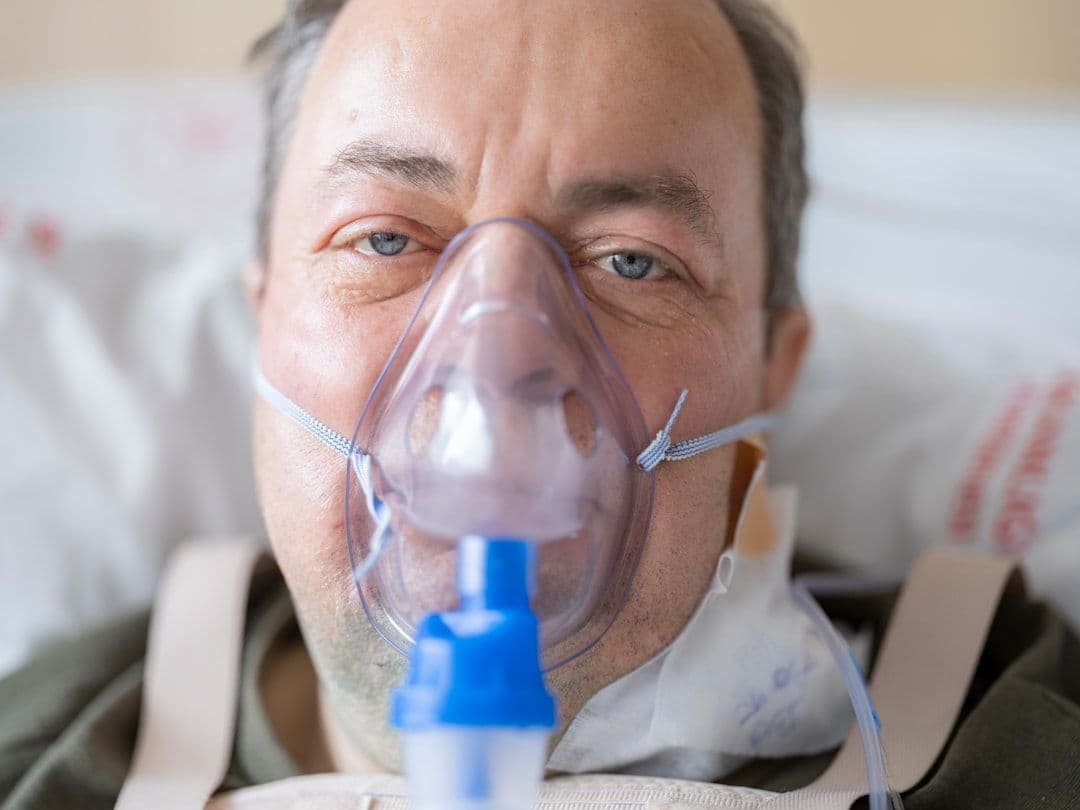
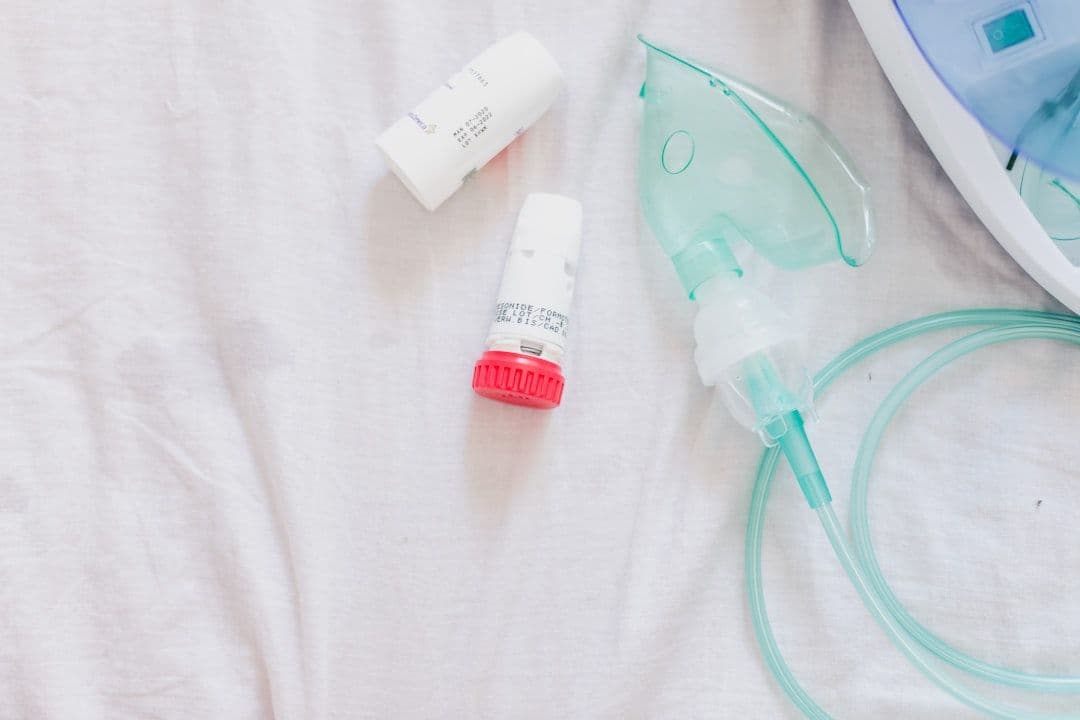
What It Is
COPD is a progressive lung condition that narrows airways, most often caused by long-term smoking
Understanding COPD and what may help you breathe easier
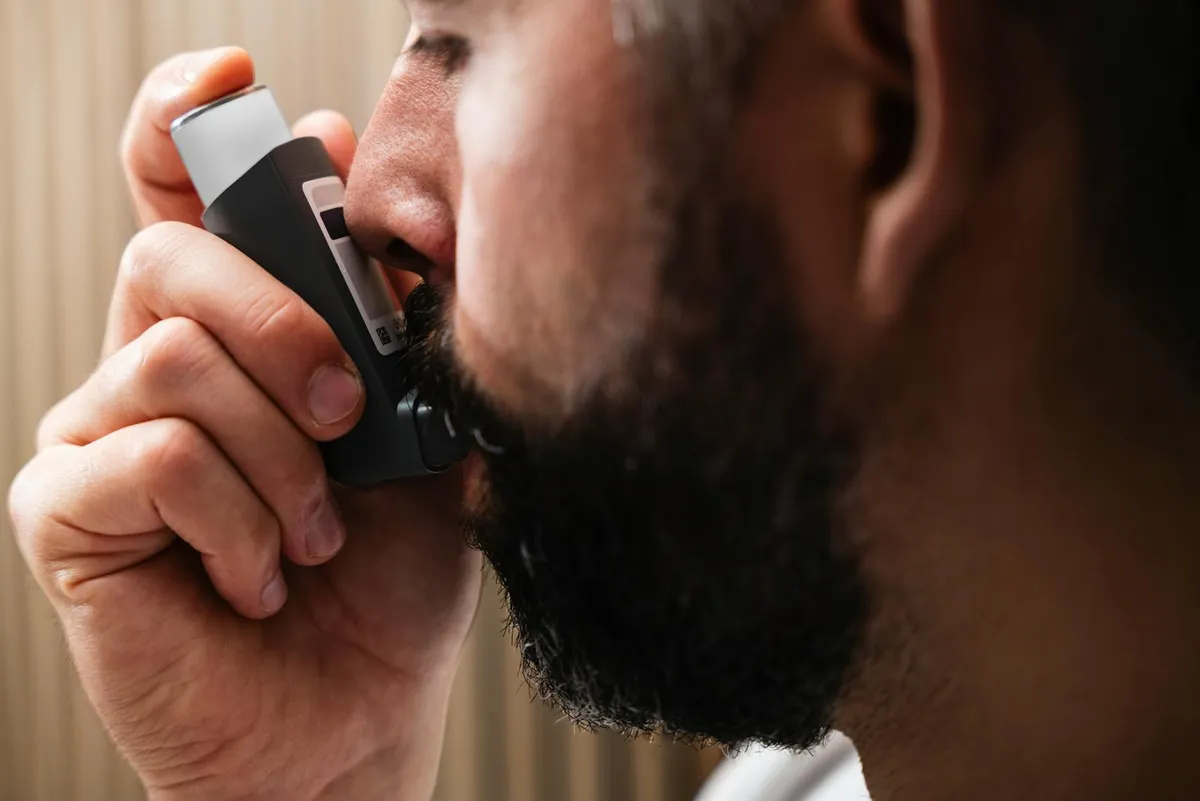
At a glance
What It Is
COPD is a progressive lung condition that narrows airways, most often caused by long-term smoking
How It Presents
Persistent cough, mucus, tightness in the chest, and breathlessness that worsens with activity
What May Help
Breathing rehab, anti-inflammatory nutrition, stress management, and stopping smoking may support lung health
Evidence Context
Research strongly supports pulmonary rehab and smoking cessation as meaningful ways to manage COPD
See the evidence snapshotWhen to Seek Help
Seek care if breathlessness worsens, lips turn blue, chest pain occurs, or inhalers seem less effective
Explanation
COPD is a progressive lung condition causing chronic obstruction of airflow, most commonly from long-term smoking. Breathing rehabilitation, respiratory physiotherapy, anti-inflammatory nutrition, and stress management support quality of life and slow disease progression alongside medical management.
Could this be you
Chronic obstructive pulmonary disease shows up differently for everyone. Browse by how it tends to be felt — these are common experiences, not a checklist or a diagnosis.
Common experiences people describe — not a diagnostic checklist.
Why it happens
Chronic obstructive pulmonary disease usually comes from a mix of factors rather than a single cause. These are common contributors — not certainties.
Genetic factors, including alpha-1 antitrypsin deficiency, may increase susceptibility to COPD.
Chronic stress may worsen airway inflammation and make breathing symptoms harder to manage.
Long-term smoking, vaping, and occupational dust exposure are strongly linked to COPD development.
Poor sleep quality is common in COPD and may contribute to increased daytime breathlessness and fatigue.
What happens in the body
Chronic obstructive pulmonary disease can involve several of the body’s systems. These are common patterns researchers describe — how they show up varies from person to person.
Chronic irritant exposure may cause airway inflammation, mucus overproduction, and progressive destruction of alveolar walls, reducing airflow and gas exchange.
Persistent exposure to irritants like smoke may trigger an overactive immune response in the lungs, sustaining inflammation that gradually damages airway tissue.
Reduced oxygen transfer in damaged lungs may raise pressure in pulmonary blood vessels, increasing strain on the right side of the heart over time.
Chronic breathlessness and physical limitation may heighten the brain's threat response, contributing to anxiety and altered perception of breathing effort.
Process
Management
A doctor may discuss short- or long-acting bronchodilators as a foundation of COPD management to help open airways and ease breathlessness during daily activity.
Structured programs combining supervised exercise, breathing technique training, and education are widely regarded as among the most effective non-drug approaches for improving quality of life in COPD.
For those with low blood oxygen levels, prescribed oxygen therapy may support daily functioning and reduce strain on the heart; use should always be guided by a respiratory specialist.
Some people with COPD find that gentle Qi Gong movement and diaphragmatic breathing exercises may support breath control, reduce perceived breathlessness, and improve overall calm.
Some practitioners suggest an antioxidant-rich, whole-food diet may support lung tissue health and help manage chronic inflammation associated with COPD progression.
Self-Care
Exhaling slowly through pursed lips may help slow breathing, reduce air trapping, and ease breathlessness during activity or rest.
Avoiding candles, aerosol sprays, mold, and secondhand smoke indoors may reduce airway irritation and support fewer flare-ups.
Short, regular walks or seated exercises paced to your breath may help maintain lung function and reduce deconditioning over time.
Large meals can press on the diaphragm and worsen breathlessness; some people find smaller portions throughout the day easier to manage.
Breathlessness often triggers anxiety, which can worsen it. Gentle practices like Qi Gong or guided relaxation may support a calmer breathing pattern.
The Evidence
What research and clinical practice say about managing COPD, and where complementary approaches may fit alongside conventional care.
COPD is well-researched with clear conventional management
Inhaled medications, pulmonary rehabilitation, and smoking cessation have strong evidence for slowing progression and improving quality of life. Complementary approaches such as breathing exercises and mindfulness have emerging support as adjuncts to medical care.
Smoking cessation, inhaled bronchodilators, and pulmonary rehabilitation have strong clinical evidence for slowing progression and improving function. Complementary approaches — including acupuncture, yoga, and mindfulness — have smaller, promising studies suggesting symptom and quality-of-life benefits, but evidence is not yet definitive. They are best considered supportive rather than primary interventions.
Standard care typically includes inhaled bronchodilators and corticosteroids, pulmonary rehabilitation programmes, and vaccination to reduce infection risk. Oxygen therapy may be used in advanced stages. Lifestyle factors — particularly smoking cessation and physical activity — are central to management. Any complementary approach should be coordinated with the treating medical team.
Breathing exercises, yoga, and mindfulness have shown modest benefits for breathlessness perception and anxiety in people with COPD. Acupuncture and nutritional approaches have limited but emerging evidence. None replace prescribed medications or pulmonary rehabilitation. People often find these approaches help them feel more in control of their condition when used as part of a broader care plan.
Seek emergency care for sudden severe breathlessness, blue lips or fingertips, chest pain with breathlessness, sudden severe wheezing, coughing up blood, or confusion alongside breathing difficulty. These may indicate a serious exacerbation or complication. Do not stop prescribed inhalers without medical guidance. Persistent cough with blood requires prompt professional evaluation.
Smoking cessation is the single most impactful lifestyle change for slowing COPD progression. Regular physical activity within individual capacity, anti-inflammatory dietary patterns, and stress management all have supporting evidence for quality of life. Pulmonary rehabilitation — combining exercise and education — is one of the most effective non-pharmacological interventions available.
COPD requires ongoing medical oversight. If exploring complementary approaches, inform your medical team so they can advise on safety and compatibility with your medications. Qualified practitioners in breathwork, yoga, or acupuncture with experience in respiratory conditions are preferable. Gyfts does not replace professional assessment — it supports informed exploration of options alongside qualified care.
Safety first
Chronic obstructive pulmonary disease is manageable, and support helps. Some situations call for prompt professional help.
Explore approaches
Practices people explore for chronic obstructive pulmonary disease — alongside professional care.
FAQ
Yes, meaningfully so. Stopping smoking is the single most impactful step. Pulmonary rehabilitation and regular gentle movement may support lung function and quality of life, with strong evidence behind both.
Some people find breathing techniques such as pursed-lip breathing or diaphragmatic breathing helpful for managing breathlessness. Anti-inflammatory eating patterns and stress reduction practices are also commonly explored alongside medical care.
Contact a doctor if your breathlessness is getting worse day to day, if infections are becoming more frequent, or if your usual inhalers are not providing relief. Never stop prescribed medications without medical guidance.
Yes. Smoke, dust, chemical fumes, cold air, and high pollution days can all trigger worsening symptoms. Monitoring local air quality and reducing indoor pollutants like candles or cleaning sprays may support day-to-day breathing comfort.
Anxiety is common in COPD and can make breathlessness feel more intense. Some practitioners suggest that mind-body approaches such as mindfulness or relaxation techniques may help reduce the anxiety cycle that can accompany breathing difficulty.
Keep exploring
Browse practitioners, explore honest overviews, and take what you learn to a conversation — at your own pace.