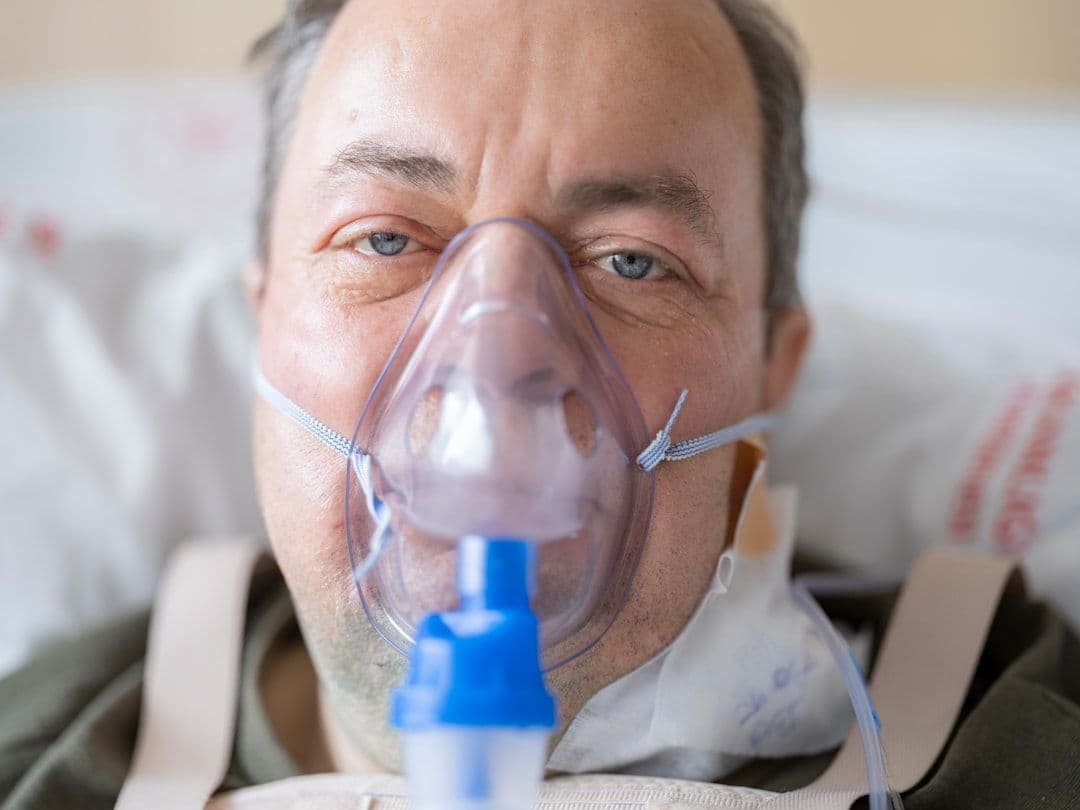
What it is
Oxygen therapy boosts your body's oxygen levels to support healing and recovery.
Using supplemental oxygen or hyperbaric oxygen chambers to increase oxygen availability in the body, aiming to support healing and tissue...
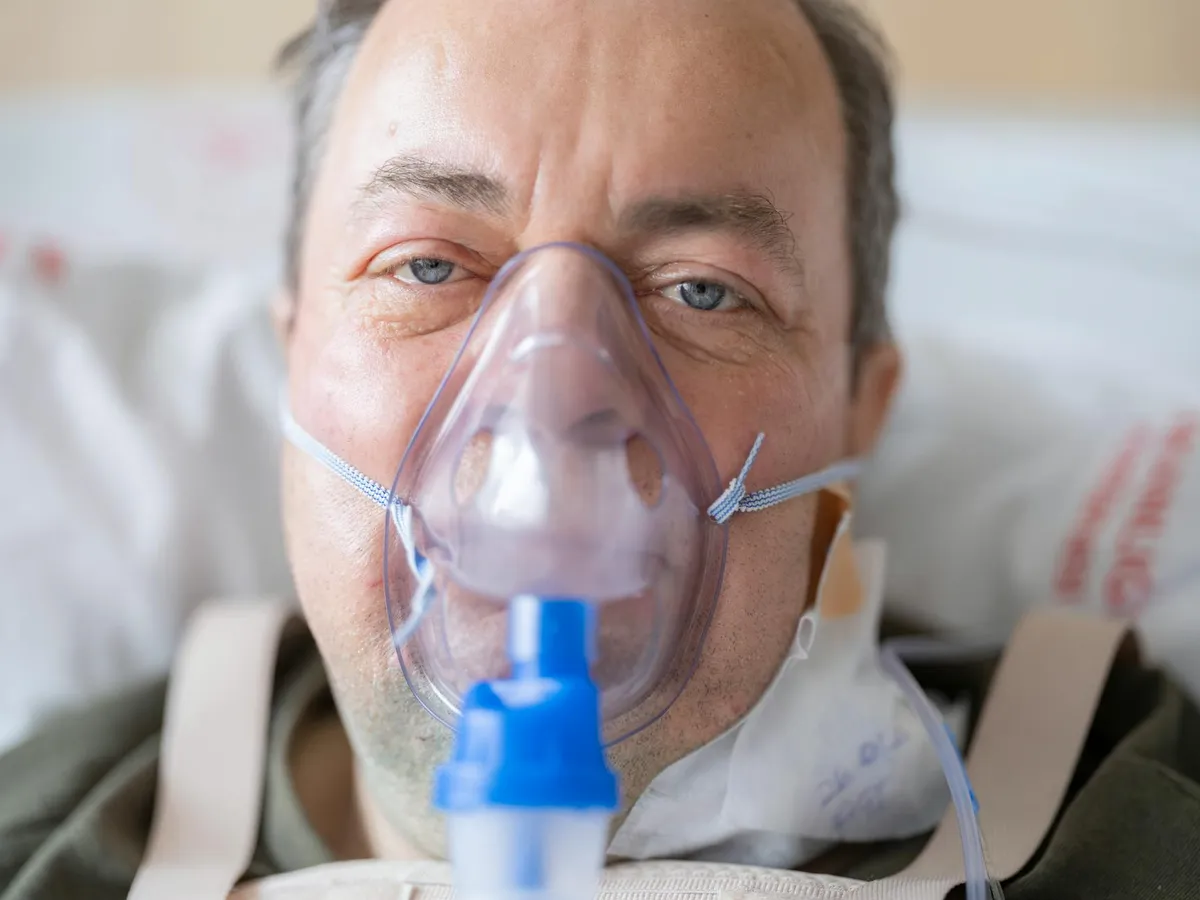
At a glance
What it is
Oxygen therapy boosts your body's oxygen levels to support healing and recovery.
Why explore it
It may help with chronic wounds, post-injury recovery, and circulation concerns.
How it’s experienced
Expect a mask, nasal cannula, or a pressurized chamber session lasting one to two hours.
Evidence context
Strong evidence exists for wound care; uses like fatigue relief are still being studied.
See the evidence snapshotSafety
Generally safe with supervision, but screening is needed and oxygen flammability is a real concern.
See staying safeHistory & Origin
Oxygen Therapy involves the therapeutic use of oxygen to promote health and healing.
Oxygen therapy has roots in 19th-century medicine when physicians first recognized the therapeutic potential of pure oxygen. Early applications focused on respiratory conditions and acute illnesses, with doctors administering oxygen via inhalation during medical emergencies. The development of hyperbaric oxygen therapy (HBOT) gained momentum in the 1950s and 1960s, initially used in medical settings for decompression sickness in divers, which led to exploration of its use in wound healing and chronic conditions.
The scientific foundation for oxygen therapy rests on the understanding of cellular respiration and oxygen's role in metabolism and collagen synthesis. Dr. Endre Mester's work in the 1960s and subsequent research demonstrated that increased oxygen availability could accelerate wound healing and reduce infection risk. Throughout the latter half of the 20th century, medical institutions incorporated oxygen therapy into conventional treatment protocols, particularly in hospitals, urgent care settings, and specialized wound care centers.
Today, oxygen therapy exists in both conventional medical practice and complementary health settings. Conventional applications remain evidence-based and FDA-regulated, particularly hyperbaric oxygen therapy for specific approved conditions. In complementary health, various oxygen delivery methods and protocols have emerged, though their evidence base is less established. The modality continues to evolve as practitioners explore different oxygen concentrations, delivery methods, and treatment durations.
Mechanism
Oxygen Therapy is generally framed as a guided process for attention, reflection, learning, and emotional integration. Depending on the method, a practitioner may use conversation, imagery, structured exercises, body awareness, or therapeutic techniques to help the person explore patterns and choices. It should not be presented as a standalone solution or a substitute for urgent care, but it may support self-understanding when practiced within an appropriate scope. Oxygen therapy increases oxygen availability in the body through inhalation or pressurised chamber exposure, enhancing oxygen saturation in the blood and tissues.
Your first visit
A typical session outline to help you feel prepared
You'll relax while breathing concentrated oxygen through a mask or inside a pressurized chamber, with sessions typically lasting 60–90 minutes.
You'll arrive and be greeted by your practitioner, who will review your health history, current symptoms, and wellness goals to understand what you're hoping to get from oxygen therapy.
Your practitioner will ask about any contraindications such as recent ear surgery, sinus issues, or respiratory conditions to make sure the session is appropriate and safe for you.
Depending on the facility, you'll be guided toward either a normobaric session using an oxygen mask or a hyperbaric chamber session, and your practitioner will walk you through exactly what to expect.
You'll be invited to settle into a reclining chair or lie down inside the hyperbaric chamber wearing comfortable, loose-fitting clothing, as synthetic fabrics are usually not permitted inside the chamber.
A soft mask is placed over your nose and mouth, or the chamber door is sealed, and concentrated oxygen begins flowing gently as you breathe at a natural, relaxed pace.
Most people find this phase deeply relaxing and use the time to rest, listen to music, or simply breathe slowly and comfortably while the oxygen does its work over the next 60–90 minutes.
If you're in a hyperbaric chamber, your practitioner will gradually depressurize it at the end of the session, and you may feel a gentle popping sensation in your ears similar to descending on a plane.
Once the session ends, your practitioner will check in on how you're feeling and may suggest a series of follow-up sessions, as benefits are typically experienced over several weeks of consistent use.
The Evidence
A look at what research supports, where evidence is limited, and what to consider before exploring oxygen therapy.
Strong support for specific uses; limited evidence for general wellness claims
Oxygen therapy has well-established medical applications for certain approved conditions, particularly in hyperbaric form. Evidence for broader wellness and complementary uses is considerably thinner, and inflated outcome claims in this space are common.
The FDA recognises a defined set of approved indications for hyperbaric oxygen therapy, including decompression sickness, certain non-healing wounds, and specific infections. Peer-reviewed research in these areas is substantial. Outside these indications, evidence quality drops considerably, with many studies limited by small samples or weak controls.
While hyperbaric oxygen is used in mainstream clinical settings, many oxygen therapy offerings—including oxygen bars, non-hyperbaric supplemental protocols, and wellness-focused sessions—operate outside conventional medical frameworks. These applications are less studied, and claims about anti-aging or general vitality enhancement are not well supported by current evidence.
Small studies have examined oxygen therapy for chronic fatigue, fibromyalgia, and sports recovery with mixed results. Methodological limitations—including lack of adequate control groups and difficulty accounting for placebo effects—mean conclusions should be held cautiously. This is an active area of research, and the picture may evolve.
Excessive or unsupervised oxygen use may contribute to oxidative stress. Hyperbaric oxygen carries specific risks including barotrauma for those with certain lung conditions. People with cardiovascular disease, respiratory conditions, uncontrolled seizure disorders, or those on certain chemotherapy agents should seek medical guidance before use.
Hyperbaric oxygen therapy should be delivered in an accredited clinical facility by trained staff. For complementary or wellness-oriented oxygen sessions, ask about the practitioner's qualifications, the equipment used, and the protocols followed. Be cautious of providers making inflated outcome claims or discouraging engagement with conventional care.
No form of oxygen therapy should replace professional evaluation for serious or undiagnosed health concerns. Given the meaningful distinction between hyperbaric and wellness-oriented sessions—and the contraindications that apply to each—it is important to clarify which context applies to you. If you are managing a chronic condition, discuss any new care approach, including oxygen-based options, with your primary care provider before starting.
Safety first
General guidance to help you decide whether this approach is appropriate for you. This is informational only and not a substitute for medical, psychological, or professional advice.
If you are pregnant, managing a health condition, recovering from injury or surgery, or taking medication, consult a qualified healthcare professional first.
Some situations call for extra care or a different approach. Share any conditions, injuries, or sensitivities with your practitioner before your first session.
Look for clear boundaries, transparent pricing, and practitioners who avoid fear-based claims or pressure to book frequent sessions.
Mild, short-lived effects such as tenderness, tiredness, or temporary soreness can occur. Rest, hydrate, and tell your practitioner how you respond.
For you?
A simple, human way to weigh it up. This is general guidance, not personal medical advice — a qualified practitioner can advise on your situation.
Gyfts is a discovery platform, not a medical provider. Nothing here diagnoses, treats or replaces professional care. In an emergency, contact your local emergency number.
Explore approaches
Other practices people often explore alongside oxygen therapy.
In their words
FAQ
Sessions vary by method. With supplemental oxygen, you breathe oxygen-enriched air through a nasal cannula or mask while resting comfortably. With hyperbaric oxygen therapy, you enter a pressurized chamber where atmospheric pressure is gradually increased, allowing your lungs to absorb more oxygen. Sessions typically last 30 minutes to 2 hours. You can relax, listen to music, or sleep during treatment. The process is generally painless, though some people experience mild ear pressure in hyperbaric chambers.
The number of sessions depends on your condition and treatment goals. Wound healing protocols might involve 20-40 sessions over several weeks, while general wellness protocols may use fewer sessions. Your practitioner will recommend a treatment plan based on your assessment and will monitor progress to determine if continuation is beneficial. Ongoing maintenance sessions may be incorporated into long-term wellness plans.
Most people tolerate oxygen therapy well. Potential side effects are generally mild and temporary. In hyperbaric therapy, ear discomfort or sinus pressure may occur during pressure changes but usually resolves with proper equalization techniques. Some people report temporary vision changes or mild fatigue. In rare cases, oxygen toxicity can occur with excessive exposure, which is why practitioner-directed protocols are important. Inform your practitioner of any unusual symptoms.
Oxygen therapy can typically be combined with most complementary therapies and many conventional treatments. However, inform all your healthcare providers about all treatments you're receiving. Some medications or conditions may interact with oxygen therapy, so medical coordination is important. Your oxygen therapy practitioner should have a complete picture of your health regimen.
Timeline varies significantly. Some people report feeling more energized after one or two sessions, while tissue healing effects typically become apparent over several weeks of consistent treatment. For chronic conditions, 4-8 weeks of regular sessions may be needed before noticing meaningful changes. Results depend on the condition being addressed, individual metabolism, and treatment adherence. Your practitioner can provide realistic timelines based on your specific situation.
No. Prescribed home oxygen for respiratory conditions is medical treatment under doctor supervision for specific diagnoses. Therapeutic oxygen therapy in complementary settings uses different protocols, concentrations, and delivery methods aimed at wellness support. Practitioner-administered oxygen therapy should not replace prescribed medical oxygen, and you should never adjust prescribed oxygen without medical guidance.
References
Educational sources that inform this overview. Inclusion is for context and does not imply endorsement.
Full citations are maintained by the Gyfts editorial team and reviewed periodically.
Keep exploring
Browse practitioners, explore honest overviews, and take what you learn to a conversation — at your own pace.