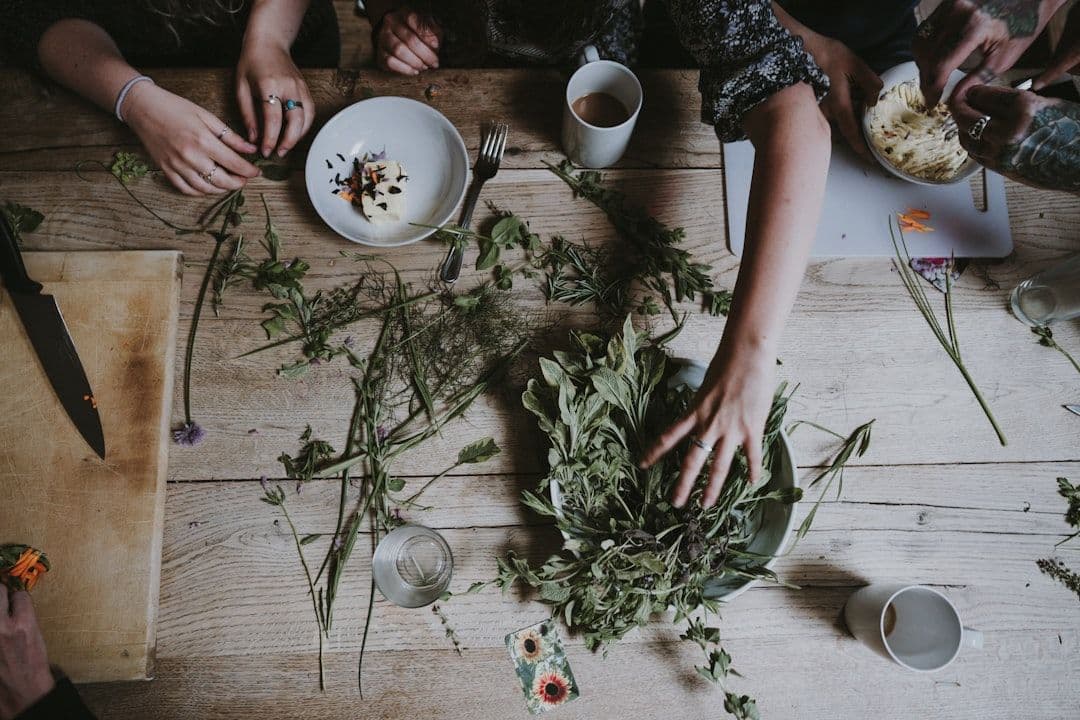
What it is
Plants like chamomile and valerian are used to support health through centuries of healing tradition.
Botanical Therapies use medicinal plants and herbs to prevent and treat illness, drawing on traditional knowledge and modern research
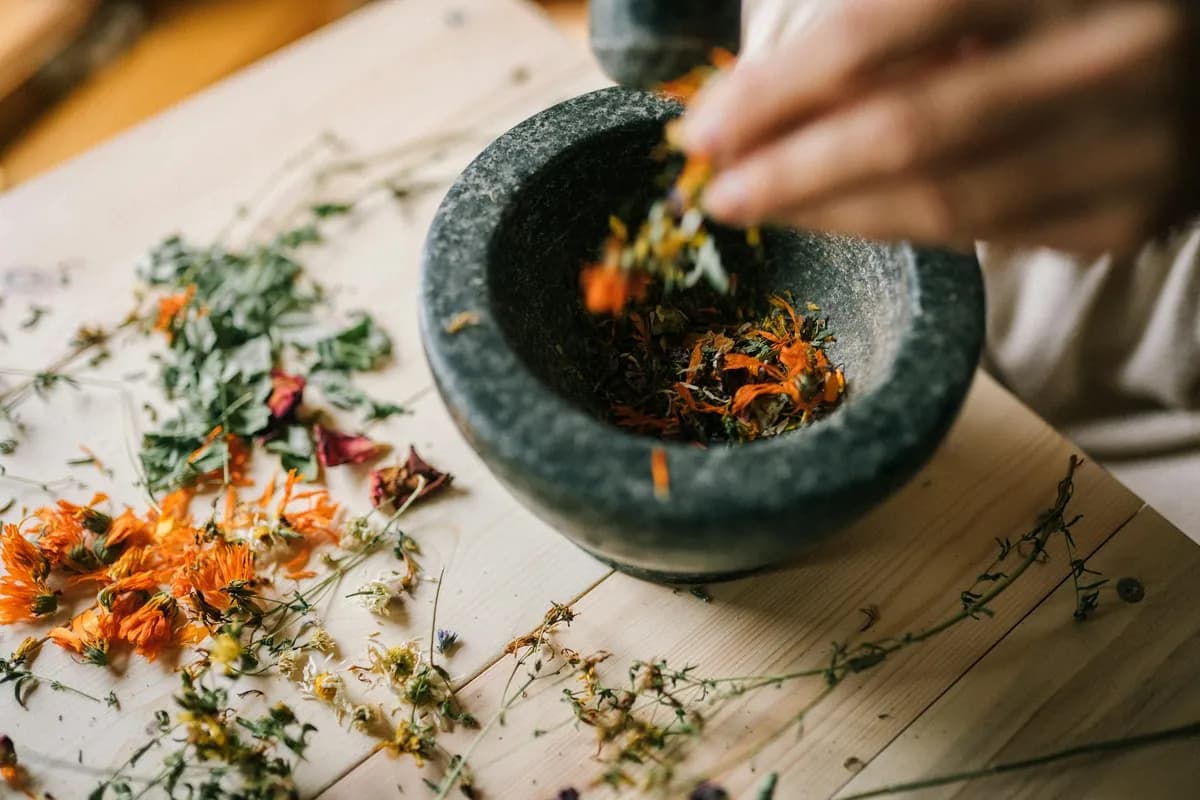
At a glance
What it is
Plants like chamomile and valerian are used to support health through centuries of healing tradition.
Why explore it
Herbs may gently support digestion, stress, immunity, and hormonal balance alongside conventional care.
How it’s experienced
A practitioner tailors teas, tinctures, or capsules to your health history and individual needs.
Evidence context
Some herbs have solid clinical backing; others rest more on traditional use and early research.
See the evidence snapshotSafety
Generally safe when dosed well, but always tell your doctor about any herbs you're taking.
See staying safeHistory & Origin
Botanical Therapies utilize herbs and plants for their healing properties to treat and prevent illness.
Botanical medicine represents humanity's oldest form of healthcare, with archaeological evidence showing plant-based healing practices dating back over 60,000 years. Ancient civilizations including the Egyptians, Greeks, Chinese, and Indigenous peoples of the Americas developed sophisticated systems of herbal medicine, documenting thousands of medicinal plants and their uses. The Ebers Papyrus from ancient Egypt (circa 1550 BCE) recorded over 700 plant-based remedies, while Traditional Chinese Medicine and Ayurveda in India created comprehensive botanical pharmacopeias that remain influential today.
During the Middle Ages, European monasteries preserved much botanical knowledge through herb gardens and manuscripts, while Islamic scholars like Ibn Sina (Avicenna) advanced the scientific understanding of plant medicines. The discovery of the Americas introduced European medicine to numerous new botanical remedies, including willow bark (precursor to aspirin) and foxglove (source of digitalis). The 19th and early 20th centuries saw the isolation of active compounds from plants, leading to many modern pharmaceuticals.
The modern revival of botanical medicine began in the 1960s, driven by growing interest in natural health approaches and concern about pharmaceutical side effects. Pioneers like German Commission E created scientific monographs evaluating herbal medicines, while researchers began conducting clinical trials on traditional remedies. Today's botanical therapists combine traditional knowledge with contemporary research, using standardized extracts and evidence-based protocols.
The field has evolved from purely traditional practice to include trained herbalists, naturopathic doctors, and integrative physicians who understand both the therapeutic potential and safety considerations of plant medicines. Modern botanical therapy emphasizes quality sourcing, proper dosing, and integration with conventional medical care when appropriate.
Top symptoms
Mechanism
Botanical Therapies is usually understood through daily choices, patterns, and gradual behavior change rather than a single session effect. Practitioners may focus on food quality, timing, preparation, symptoms, preferences, culture, and sustainability. Some approaches are tradition-based, while others draw on nutrition science or clinical guidelines. Recommendations should be individualized, especially when medical conditions, pregnancy, medications, or restrictive eating patterns are involved. Botanical therapies operate by delivering bioactive compounds—alkaloids, flavonoids, polysaccharides, and volatile oils—from plant material into the body through various preparation methods (infusions, decoctions, tinctures, extracts, or topical applications).
Your first visit
A typical session outline to help you feel prepared
A botanical therapies session pairs a detailed health conversation with personalized herbal recommendations, leaving you with a custom plant-based protocol to support your wellness goals.
You'll arrive and complete a health history form covering current concerns, medications, diet, and lifestyle habits so your practitioner has a clear picture before you speak.
Your practitioner sits with you for a relaxed, in-depth chat about your wellness goals, stress levels, sleep, digestion, and anything else shaping how you feel day to day.
Many botanical practitioners observe your tongue color and coating and gently check your pulse — simple physical cues that help identify underlying imbalances guiding herb selection.
Using what they've learned, your practitioner selects specific botanicals — tinctures, teas, capsules, or topicals — and may blend a custom formula right in the session room.
Your practitioner walks you through each herb chosen, explaining what it supports, how to take it, the right dose, and the best time of day to use it.
You'll get clear guidance on what positive shifts might feel like, any temporary responses your body may have as it adjusts, and when to reach out with questions.
Because botanical protocols are refined over time, you'll book a follow-up visit a few weeks out so your practitioner can adjust your herbs as your body responds.
The Evidence
What research says about botanical therapies, where evidence is strong, where it is limited, and what to consider before use.
Some herbs are well-studied; many others rely on tradition
Botanical therapies span a wide evidence spectrum. A handful of well-researched herbs have meaningful clinical trial data, while many others rest primarily on traditional use and limited or inconsistent research.
Some botanicals — including echinacea, St. John's wort, and turmeric — have multiple randomised controlled trials behind them. Others have sparse or low-quality research. Differences in plant preparation, dosage, and extraction methods across studies make direct comparisons difficult, and findings for one product may not apply to another.
Practitioners typically select herbs based on an individual's overall presentation, combining plants to address interconnected concerns such as digestion, sleep, and stress together. This whole-person orientation fits the Holistic category of the MACH framework, though it also means outcomes can be harder to isolate and measure in standard clinical trials.
Plant-based healing appears in ancient Egyptian, Chinese, Ayurvedic, and Indigenous traditions, with written records dating back over 3,500 years. This depth of traditional use informs modern practice, though historical use alone does not confirm safety or effectiveness by contemporary standards.
Much botanical research originates in countries with strong herbal traditions, and results may not translate to products sold elsewhere due to differences in plant quality and standardisation. Complex multi-herb formulas are less rigorously studied than single herbs. Consumers should be cautious of inflated outcome claims not supported by the available evidence.
Herb-drug interactions are a real concern, particularly with blood thinners, immunosuppressants, and medications with narrow therapeutic windows. Certain herbs are unsuitable during pregnancy or with liver, kidney, or autoimmune conditions. Source products from reputable suppliers, start with lower doses, and stop use if adverse effects occur.
A qualified herbalist or integrative health practitioner can assess herb suitability, dosage, and potential interactions based on your health history. Always inform your primary healthcare provider about any botanical products you are using. Botanical therapies are not a substitute for professional assessment of serious or undiagnosed health concerns.
Safety first
General guidance to help you decide whether this approach is appropriate for you. This is informational only and not a substitute for medical, psychological, or professional advice.
If you are pregnant, managing a health condition, recovering from injury or surgery, or taking medication, consult a qualified healthcare professional first.
Some situations call for extra care or a different approach. Share any conditions, injuries, or sensitivities with your practitioner before your first session.
Look for clear boundaries, transparent pricing, and practitioners who avoid fear-based claims or pressure to book frequent sessions.
Mild, short-lived effects such as tenderness, tiredness, or temporary soreness can occur. Rest, hydrate, and tell your practitioner how you respond.
For you?
A simple, human way to weigh it up. This is general guidance, not personal medical advice — a qualified practitioner can advise on your situation.
Gyfts is a discovery platform, not a medical provider. Nothing here diagnoses, treats or replaces professional care. In an emergency, contact your local emergency number.
Explore approaches
Other practices people often explore alongside botanical therapies.
In their words
FAQ
Sessions involve detailed health assessment, discussion of your concerns and goals, and development of a personalized herbal protocol. The practitioner evaluates your constitution, reviews potential interactions with existing medications, and provides specific herbs with detailed usage instructions. You'll receive education about your chosen remedies and ongoing support for monitoring your progress.
Most people see initial improvements within 2-6 weeks, with follow-up sessions typically scheduled every 2-4 weeks initially. Acute conditions may require 2-4 sessions over 1-2 months, while chronic conditions often benefit from 6-12 sessions over 3-6 months. The total number depends on your specific health concerns, response to treatment, and wellness goals.
When properly prescribed by trained practitioners, botanical therapies are generally safe for most people. However, herbs can interact with medications and may cause side effects in some individuals. Quality sourcing is crucial, as contaminated or adulterated products pose additional risks. Always inform all healthcare providers about any herbs you're taking.
Botanical therapies involve individualized prescribing based on your specific constitution and health needs, while supplements often use standardized doses for general wellness. Botanical practitioners consider herb combinations, preparation methods, and timing to optimize therapeutic effects. The approach emphasizes treating root causes rather than just symptoms.
Botanical therapies use whole plants or plant extracts as therapeutic agents, in contrast to pharmaceuticals which are typically single isolated compounds. The whole-plant approach is understood to preserve synergistic interactions between constituents — a concept known as the entourage effect. Botanical therapies tend to act more gradually and systemically than pharmaceuticals, and are generally better suited to chronic conditions, prevention, and constitutional support than acute medical emergencies. Quality, dosing, and herb-drug interactions require the same careful attention as pharmaceutical treatment.
References
Educational sources that inform this overview. Inclusion is for context and does not imply endorsement.
Full citations are maintained by the Gyfts editorial team and reviewed periodically.
Keep exploring
Browse practitioners, explore honest overviews, and take what you learn to a conversation — at your own pace.