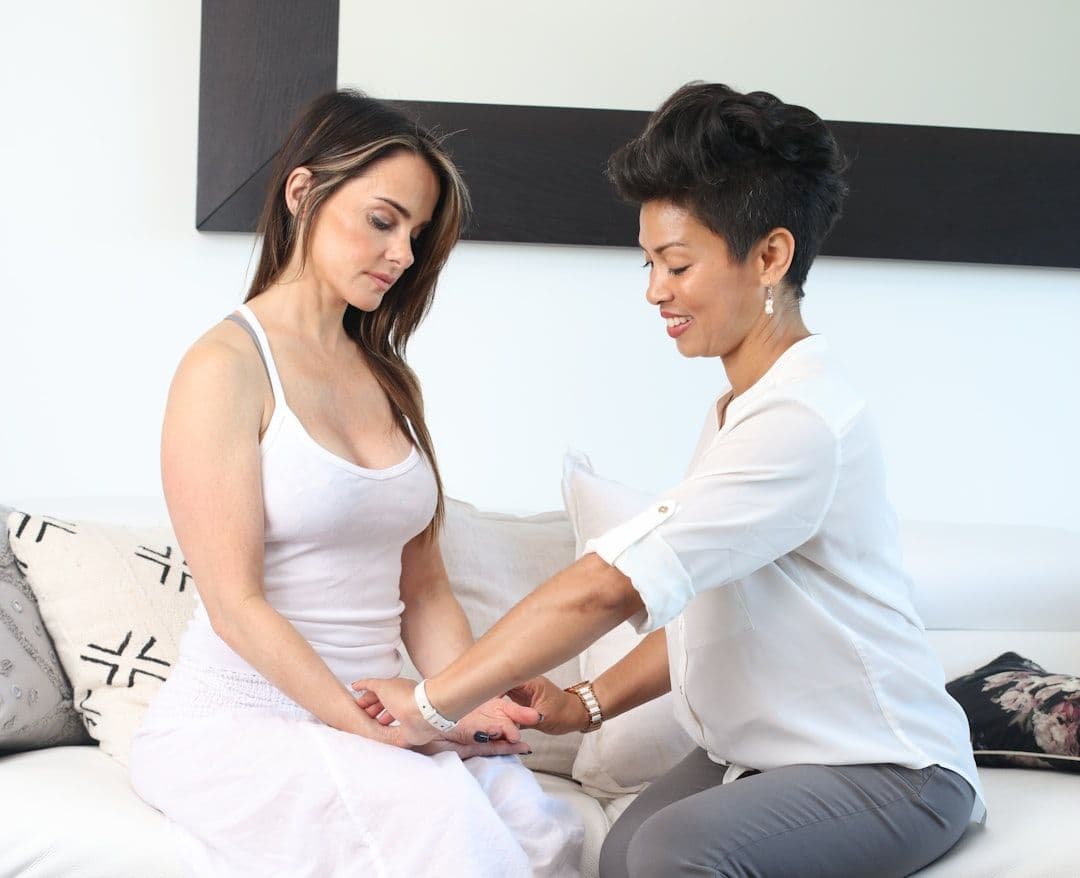
What It Is
A whole-person approach to supporting reproductive wellbeing, conception planning, and emotional health.
Whole-person support for reproductive wellbeing
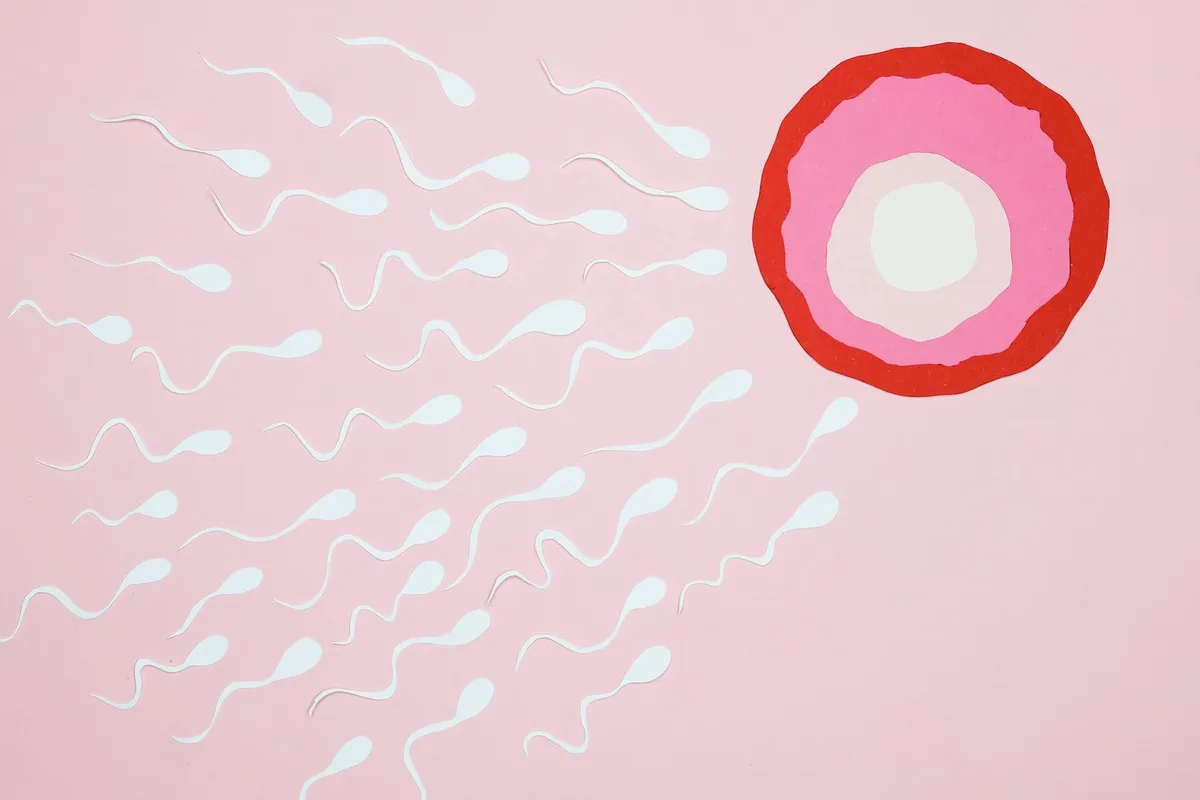
At a glance
What It Is
A whole-person approach to supporting reproductive wellbeing, conception planning, and emotional health.
How It Presents
People commonly experience stress, cycle concerns, or emotional challenges while trying to conceive.
What May Help
Nutrition, sleep, stress care, cycle awareness, and movement are commonly explored as supportive practices.
Evidence Context
Evidence for holistic fertility methods is currently insufficient; medical evaluation remains an important step.
See the evidence snapshotWhen to Seek Help
Seek care if you notice cycle changes, pain, pregnancy loss, or have been trying to conceive for some time.
Explanation
Holistic fertility refers to whole-person support for reproductive wellbeing, conception planning, and the emotional experience of trying to become pregnant. It is not a substitute for medical fertility evaluation, especially when age, cycle changes, loss, pain, or known conditions are involved. Support may include nutrition, stress care, cycle awareness, sleep, movement, relationship support, and coordinated clinical guidance.
Could this be you
Holistic Fertility shows up differently for everyone. Browse by how it tends to be felt — these are common experiences, not a checklist or a diagnosis.
Common experiences people describe — not a diagnostic checklist.
Why it happens
Holistic Fertility usually comes from a mix of factors rather than a single cause. These are common contributors — not certainties.
Age, ovulation patterns, sperm health and reproductive conditions are recognized influences on conception.
The emotional load of trying to conceive, including worry and grief, can add stress that affects sleep and wellbeing.
Existing conditions, prior surgery, medications and partner health may influence fertility and benefit from clinical review.
Irregular sleep and shift work may be linked with changes in daily routines and cycle patterns, though evidence is limited.
What happens in the body
Holistic Fertility can involve several of the body’s systems. These are common patterns researchers describe — how they show up varies from person to person.
Hormonal signaling between the hypothalamus, pituitary, and ovaries may influence ovulation timing, cycle regularity, and overall reproductive function.
Sustained psychological stress may affect cortisol and related hormones in ways that could influence reproductive hormone balance and cycle patterns.
Nutrient availability, body composition, and metabolic health are thought to play a role in supporting the hormonal environment needed for ovulation and conception.
The emotional experience of trying to conceive, including grief, hope, and relational stress, may interact with physiological stress pathways in ways that are not yet fully understood.
Process
Management
A doctor or fertility specialist may review cycles, hormones and partner factors and discuss options suited to the findings.
A practitioner may review eating patterns and nutrients that matter before and during conception. Individual needs differ.
Sometimes explored to support relaxation while trying to conceive. Evidence for effects on fertility outcomes is mixed and limited.
Mindfulness, meditation and yoga are commonly explored for stress care. Evidence on fertility outcomes is limited.
Talking with a counselor or a peer group may help people manage the emotional experience of trying to conceive.
Self-Care
Tracking cycle length and ovulation signs is commonly explored to better understand timing and to inform conversations with a clinician.
Varied meals with vegetables, whole grains, protein and healthy fats are commonly explored to support overall wellbeing.
Moderate activity such as walking or yoga may support mood and energy. Very intense routines may not suit everyone.
Breathwork, relaxation or time in nature may help ease the stress that can build while trying to conceive.
Some herbs and supplements may not be suitable when trying to conceive, so reviewing them with a clinician is worthwhile.
The Evidence
What research and clinical context can tell us about holistic fertility support — and where the limits of current evidence sit.
Lifestyle support has a role, but evidence for many holistic fertility practices remains limited.
Fertility is shaped by age, ovulation, sperm health, cycle regularity, and underlying conditions. Whole-person lifestyle support may be useful alongside medical care, but many specific holistic practices lack robust clinical evidence for improving conception outcomes.
Nutrition, sleep, stress management, and healthy body composition are broadly supported as relevant to reproductive health. However, specific herbs, supplements, and detox protocols marketed for fertility often lack high-quality clinical evidence. Inflated outcome claims in this space are common and should be approached with caution.
The holistic approach recognises that trying to conceive involves physical, emotional, and relational dimensions. Cycle awareness, stress care, and nutritional support may complement medical evaluation rather than replace it. This lens is most useful when integrated with, not substituted for, professional reproductive assessment.
Fertility outcomes are significantly influenced by age, ovulatory function, sperm health, and conditions such as PCOS or endometriosis. These require professional evaluation. Holistic practices may support overall wellbeing during this process, but should not delay or substitute for timely medical assessment when indicated.
Seek professional fertility evaluation if you have been trying to conceive for 12 months, or 6 months if aged 35 or older. Irregular or absent periods, pelvic pain, recurrent pregnancy loss, or a history of reproductive surgery or cancer treatment all warrant timely clinical review. Consult a qualified practitioner before using herbs, hormones, or supplements while trying to conceive.
Adequate folate intake, maintaining a healthy weight range, reducing alcohol, managing chronic stress, and supporting sleep quality are areas with reasonable evidence for relevance to reproductive health. These are best understood as supportive foundations rather than standalone fertility interventions.
Practitioners in nutrition, acupuncture, and mind-body support may offer useful complementary care during the conception journey. Transparency with all practitioners about what you are using or exploring helps ensure safe, coordinated support. A reproductive medicine specialist or GP should remain central to your care when clinical factors are involved.
Safety first
Holistic Fertility is manageable, and support helps. Some situations call for prompt professional help.
FAQ
Holistic fertility focuses on whole-person wellbeing during the conception journey. It may include nutrition, sleep, stress care, movement, cycle awareness, and emotional support. It works alongside medical care rather than replacing it.
Some people explore practices like mindfulness, acupuncture, dietary changes, and gentle movement to support overall wellbeing while trying to conceive. These are considered supportive options, not standalone solutions, and evidence for their effectiveness is currently insufficient.
A medical evaluation is recommended if you have been trying to conceive for 12 months or longer, or 6 months if you are over 35. Irregular cycles, pelvic pain, pregnancy loss, or known conditions like PCOS are also reasons to speak with a healthcare provider sooner.
Trying to conceive can be emotionally demanding, and stress, anxiety, and grief are common experiences. Emotional support through counseling, peer groups, or mind-body practices may help people cope, though they are not substitutes for clinical fertility assessment when needed.
Keep exploring
Browse practitioners, explore honest overviews, and take what you learn to a conversation — at your own pace.